

Seafood Of India

Blog Post

Tiger Prawns and New Alliances: Inside Indian Shrimp’s Bold Strategy Shift

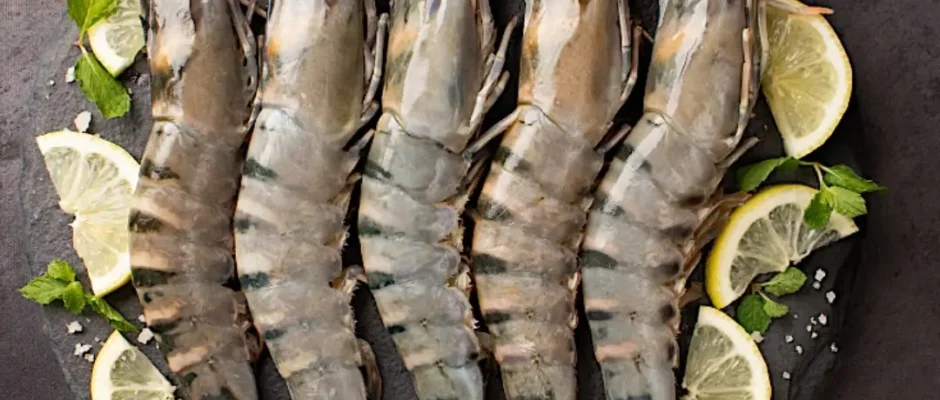
India’s formidable shrimp export industry is navigating a high-stakes pivot, as crippling US tariffs and intense global competition force a strategic realignment away from traditional markets and products. In this new landscape, the prized black tiger prawn is making a remarkable comeback, and burgeoning demand from China and the European Union is reshaping the future of the sector. The primary challenge stems from a sharp 43% year-on-year drop in exports to the United States in August 2025, historically India’s most lucrative market. This decline is a direct consequence of new tariff barriers that have blunted India’s competitive edge. Compounding this, Ecuador has risen as the world’s most efficient shrimp producer, putting further pressure on India’s primary export, the Vannamei shrimp, whose shipments fell 15% in the same month. However, where one door has closed, others have opened. The industry is demonstrating remarkable resilience by diversifying its customer base. Exports to China surged by 33% in August, while shipments to the European Union skyrocketed by an impressive 58%. On a year-to-date basis, the EU market is now tracking 31% ahead of the previous year, signaling a sustained and strategic market shift. At the heart of this transformation is the resurgence of the Penaeus monodon, or black tiger shrimp. Once a mainstay of Indian aquaculture, this premium species is roaring back to prominence. In August, exports of black tiger shrimp soared by an incredible 76% year-on-year. This revival is almost single-handedly fueled by Chinese buyers, who snapped up 60% of India’s monodon exports, prizing the species for its size and quality. The demand is so strong that Chinese importers are reportedly outbidding European buyers for prime stock. As a result, the black tiger prawn now constitutes nearly 12% of India’s monthly shrimp exports, doubling its share from previous years. Simultaneously, Indian processors are doubling down on a long-term strategy to move up the value chain. While exports of value-added products like cooked, marinated, and ready-to-eat shrimp saw a temporary dip in August, year-to-date figures remain a robust 27% higher than last year. This focus is crucial for insulating the industry from the price volatility of the bulk commodity market and building stronger, more profitable relationships with global retailers. This period marks a pivotal moment for Indian seafood. The path forward is clear: success no longer depends on volume alone, but on a smarter, more diversified strategy. This includes boosting domestic production of the in-demand black tiger shrimp, accelerating the shift into value-added processing, and investing heavily in the traceability and certification systems required to secure and expand access to discerning markets like the EU. India’s shrimp industry is not just weathering a storm; it is actively charting a new, more competitive course for the future.

Read More

Indian Seafood Industry Navigates US Tariff Storm by Tapping New Markets and Value-Added Products

In response to a significant tariff increase by the United States, India’s seafood sector is strategically pivoting towards new Asian markets and focusing on product innovation to counter the financial blow. Industry leaders and policymakers are advocating for a multi-pronged approach to maintain export growth amidst growing economic pressures.The challenge was a central theme at the recent Industry Meet during the fourth International Symposium on Marine Ecosystems (MECOS 4), hosted by the ICAR-Central Marine Fisheries Research Institute (CMFRI).The new US tariff structure has created a major hurdle for Indian exporters. Dr. Ram Mohan, Director of the Marine Products Export Development Authority (MPEDA), revealed that with the addition of anti-dumping and countervailing duties, the effective tariff has surged to a staggering 58.26%. This has directly impacted trade, with India’s seafood exports to the US—its largest traditional market—declining by nearly 6% between April and September 2025. This sharp rise in costs has significantly diminished the competitiveness of Indian seafood in a key market.However, the industry is already adapting to this new reality. Data shows that shipments to Asian countries, including China, Vietnam, and Thailand, have demonstrated robust growth. This indicates a strategic and gradual shift in focus from West to East, opening up new revenue streams to offset the losses from the US market.To further bolster the industry’s resilience, experts are calling for a greater emphasis on innovation and value-added products. Dr. George Ninan, Director of the ICAR-Central Institute of Fisheries Technology (CIFT), stressed the need for a technology-focused startup ecosystem. Such a system would bring together researchers, technologists, and industry players to drive innovation and enhance product value.The consensus from the meet was a move away from raw exports towards high-value processed items. Products like breaded squid rings, surimi, and ready-to-eat fillets were recommended as key areas for growth. Currently, India’s value-added seafood exports are valued at $742 million, lagging behind competitors such as China, Thailand, Vietnam, Ecuador, and Indonesia. Closing this gap is now a top priority.“The new tariff regime, combined with existing concerns around sustainability and traceability, has disrupted trade flows and hurt our export earnings,” noted A.J. Tharakan of the Seafood Exporters Association of India, highlighting the complex challenges facing the sector.To regain a competitive edge on the global stage, industry delegates also pushed for critical policy reforms, including the establishment of exclusive aquaculture zones and the acceleration of Free Trade Agreements (FTAs).CMFRI Director Dr. Grinson George assured that all concerns and strategic recommendations from stakeholders—from exporters and fish farmers to feed manufacturers—would be consolidated into a comprehensive policy roadmap following the MECOS deliberations. This collaborative effort aims to chart a sustainable and profitable course for India’s vital seafood industry.

Read More