Seafood Of India

Blog Post

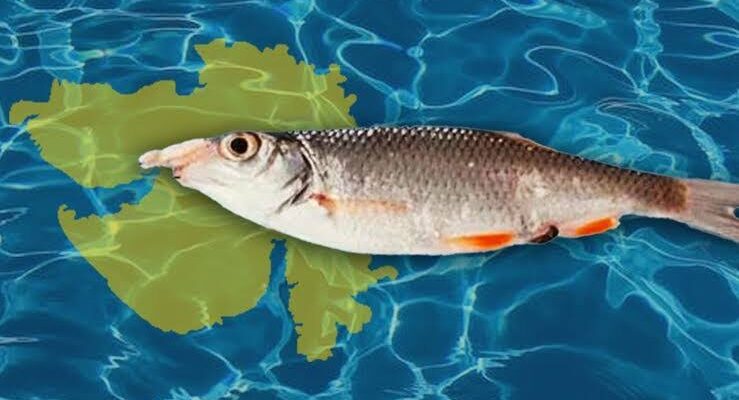
Why Ghol Fish is Selected as the State Fish of Gujarat: A Tale of Culinary Treasure and Economic Prowess

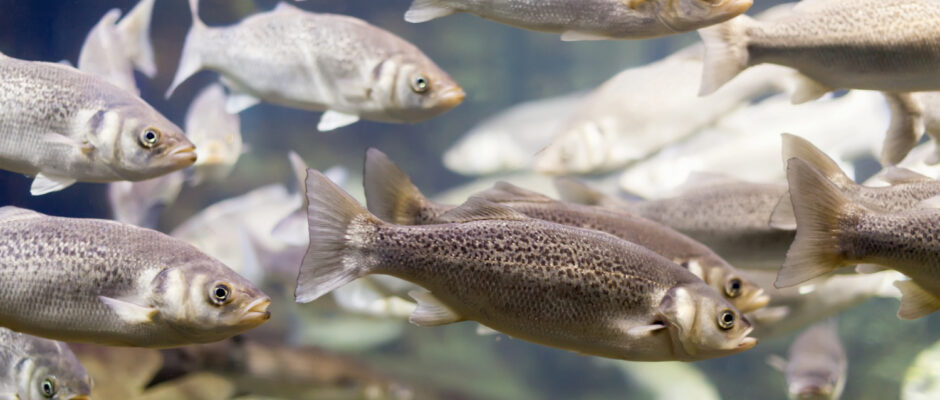
In the vibrant tapestry of Indian cuisine, fish holds a special place, and no state in India embodies this culinary love affair more than Gujarat. With its rich coastline and deep-rooted fishing traditions, Gujarat has long been renowned for its delectable seafood offerings. And among this array of culinary treasures, the Ghol fish stands out as a symbol of exquisite taste, economic value, and cultural significance. Recently crowned as the state fish of Gujarat, the Ghol fish, also known as the black-spotted croaker, is a rare and elusive creature that inhabits the Arabian Sea. Its delicate white flesh, with a hint of sweetness, has captivated the palates of gourmands for centuries. But the allure of the Ghol fish extends far beyond its culinary charm; it is also a prized possession among fishermen and a source of economic prosperity for the state. The scarcity of the Ghol fish contributes significantly to its elevated price. Found only in specific coastal regions of India, the Ghol fish is notoriously difficult to catch. It requires specialized techniques and a deep understanding of its migratory patterns. This exclusivity, coupled with the high demand for the fish, drives up its price to astonishing levels. A single kilogram of Ghol fish can fetch anywhere from Rs 5,000 to Rs 15,000 in Gujarat, translating to a staggering $65 to $195 per 2.2 pounds! This remarkable value makes the Ghol fish one of the most expensive fish in the world, surpassing even the iconic Norwegian salmon. The Ghol fish’s economic significance extends beyond its individual price tag. The Ghol fish industry generates substantial employment opportunities in Gujarat, from fishermen to fish transporters and processors. The high demand for the fish has fueled the growth of local markets and businesses, contributing to the state’s economic well-being. But the Ghol fish’s importance to Gujarat goes beyond its economic value. It is deeply embedded in the state’s culinary traditions and cultural identity. The fish features prominently in Gujarati cuisine, gracing festive tables and everyday meals alike. Its delicate flavor and versatility have earned it a special place in the hearts of Gujarati people. The selection of the Ghol fish as the state fish of Gujarat is a testament to its culinary excellence, economic prowess, and cultural significance. It is a symbol of the state’s rich maritime heritage and its unwavering commitment to sustainable fishing practices. The Ghol fish is more than just a delicacy; it is a culinary treasure, an economic lifeline, and a source of pride for the people of Gujarat.

Read More

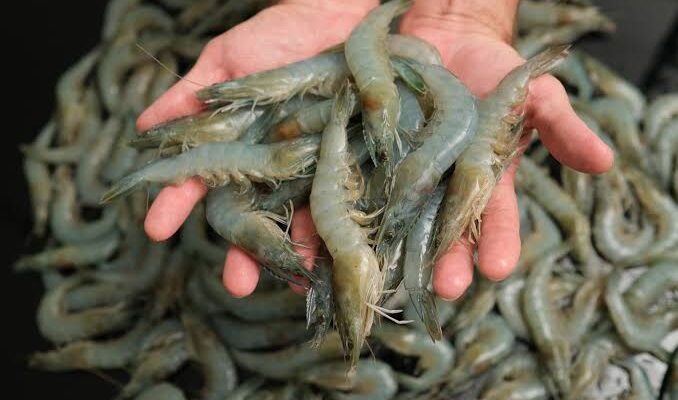
From Fields to Ponds: How Shrimp Farming is Reviving Punjab’s Saline Lands

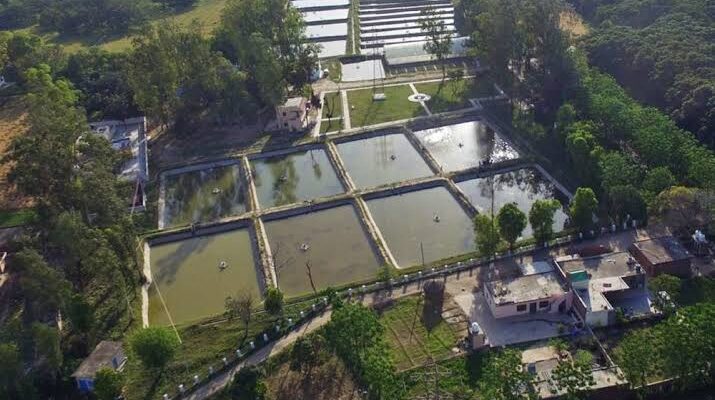
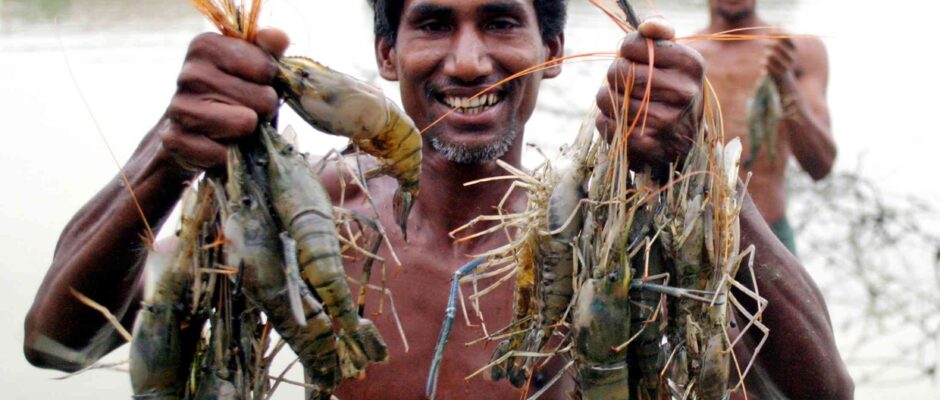
In the heart of India’s Punjab state, far from the coastal shores, a silent revolution is taking place. Farmers, once solely reliant on agriculture, are now embracing an unlikely savior: shrimp farming. This transformation is not driven by a sudden love for seafood but by a desperate need to adapt to the harsh realities of climate change and human exploitation. For decades, Punjab’s agricultural prosperity has been fueled by the Green Revolution, an era of intensive farming practices that transformed the state into India’s granary. However, this relentless pursuit of high yields came at a heavy cost. Excessive use of water-intensive crops, coupled with chemical fertilizers and pesticides, has wreaked havoc on the region’s groundwater, rendering vast tracts of land saline and unfit for traditional agriculture. Enter shrimp farming, an unconventional solution that has emerged as a beacon of hope for Punjab’s beleaguered farmers. Shrimp, a saltwater crustacean, thrives in brackish water, making it an ideal candidate for cultivating the state’s saline-affected areas. Pioneered by Dr. Prabhjjeet Singh of Guru Angad Dev Veterinary and Animal Sciences University, shrimp farming has not only revived livelihoods but also offered a sustainable alternative to conventional agriculture. The process of shrimp farming in Punjab is as unique as its location. Farmers utilize existing inland saline water bodies, transforming them into aquaculture ponds. These ponds, carefully managed under strict biosecurity protocols, provide an ideal environment for shrimp to flourish. The benefits of shrimp farming are manifold. Not only does it provide a viable source of income for farmers, but it also helps to restore the ecological balance of the region. Shrimp farming promotes biodiversity by attracting a variety of aquatic species, while also contributing to the reduction of waterlogging, a common problem in Punjab. However, the transition to shrimp farming is not without its challenges. The initial investment costs are substantial, and the success of the venture hinges on factors such as water quality, shrimp seed availability, and market demand. Moreover, concerns have been raised about the potential environmental impact of shrimp farming, particularly in terms of groundwater contamination. Despite these challenges, the potential of shrimp farming in Punjab is undeniable. With careful planning and sustainable practices, this innovative approach has the potential to transform the lives of farmers and revitalize the state’s agricultural landscape. As Punjab grapples with the twin challenges of climate change and environmental degradation, shrimp farming offers a glimmer of hope, demonstrating that even in the face of adversity, resilience and innovation can pave the way for a sustainable future.

Read More

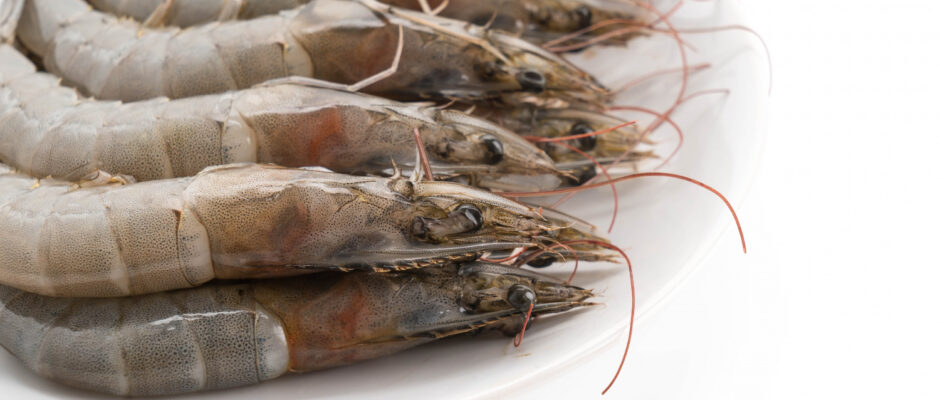
Global Shrimp Suppliers Face Uncertain Future in 2024 as Oversupply Persists

The global shrimp industry is expected to face a challenging year in 2024, with oversupply continuing to be a major concern. Rabobank analysts predict that global shrimp production will remain flat at around 3.9 million metric tons, while demand is expected to grow only marginally. This imbalance is likely to put further downward pressure on shrimp prices, which have already been declining for several years. The situation is particularly dire for shrimp producers in Asia, who account for the majority of global production. These producers have been hit hard by low prices and rising production costs, leading many to reduce their output or switch to other aquaculture species. The situation is expected to be particularly difficult in India, where shrimp production is forecast to decline by as much as 20% in 2024. Despite the challenges, there are some reasons for optimism. Demand for shrimp is expected to continue to grow in the long term, driven by increasing incomes and urbanization in major markets such as China and India. Additionally, there is growing interest in shrimp as a sustainable source of protein, as shrimp farming has a relatively low environmental impact compared to other forms of animal agriculture. However, the short-term outlook for the shrimp industry remains uncertain. Oversupply is likely to persist in 2024, and producers will need to find ways to reduce costs and improve efficiency in order to remain competitive. Rabobank analysts suggest that producers focus on improving feed efficiency, reducing disease losses, and developing new markets for their products. The global shrimp industry is at a crossroads. Oversupply and low prices are posing major challenges, but there is also potential for growth in the long term. Producers who can adapt to changing market conditions and improve their efficiency will be well-positioned to capitalize on this growth.

Read More

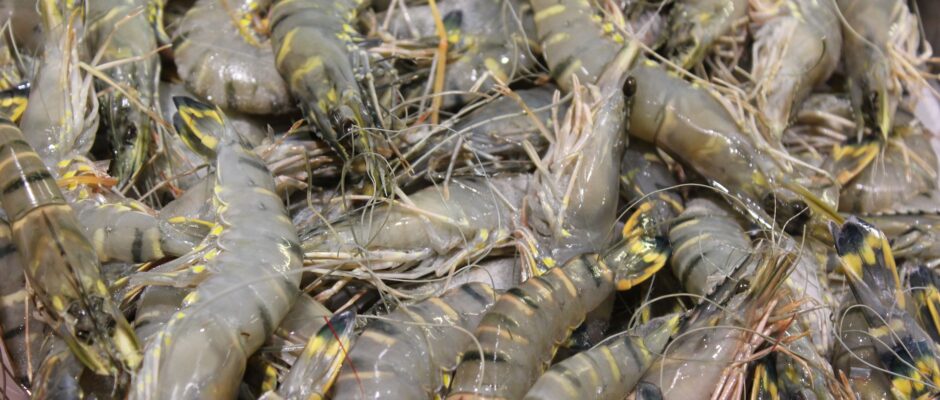
India’s Shrimp Industry Navigates Turbulent Waters Amidst Production Woes and Price Challenges

India’s shrimp industry, once a thriving sector contributing significantly to the country’s seafood exports, is currently grappling with a multitude of challenges that threaten its sustainability. The high costs of production, coupled with depressed shrimp prices, have left many shrimp farmers struggling to stay afloat. The escalating costs of feed, power, labor, probiotics, and chemicals have significantly impacted shrimp farming operations, squeezing profit margins and putting immense pressure on producers. These rising costs, coupled with the ongoing energy crisis, have forced many farmers to reduce or even cease their shrimp cultivation activities. Further exacerbating the situation is the prolonged slump in shrimp prices, which have been declining for the past 12 months. This price downturn, attributed to various factors such as increased supply, reduced demand, and economic uncertainties, has left farmers with meager returns, making it difficult to cover their production costs. In response to these challenges, many Indian shrimp producers are adopting alternative strategies to survive. Some are fallowing their farms temporarily, hoping for a rebound in prices and a more favorable cost structure. Others are diversifying their aquaculture operations, shifting their focus to freshwater shrimp and fish species that offer better profit potential. The Indian shrimp industry’s current predicament highlights the need for a multi-pronged approach to ensure its long-term viability. Addressing the issue of high production costs is crucial, potentially through measures such as optimizing feed formulations, reducing energy consumption, and exploring alternative sources of feed ingredients. Additionally, strengthening market linkages and enhancing market access for Indian shrimp products can help alleviate price pressures and ensure fair returns for farmers. This could involve exploring new export markets, expanding domestic consumption, and promoting value-added shrimp products. The future of India’s shrimp industry hinges on its ability to adapt to changing market dynamics, address production cost concerns, and seize emerging opportunities. By implementing effective strategies and fostering collaboration among stakeholders, the industry can navigate these turbulent waters and emerge stronger, contributing to the country’s economic growth and food security.

Read More

Puducherry Embarks on a Transformative Initiative: 14 Artificial Reefs to Boost Coastal Fish Breeding

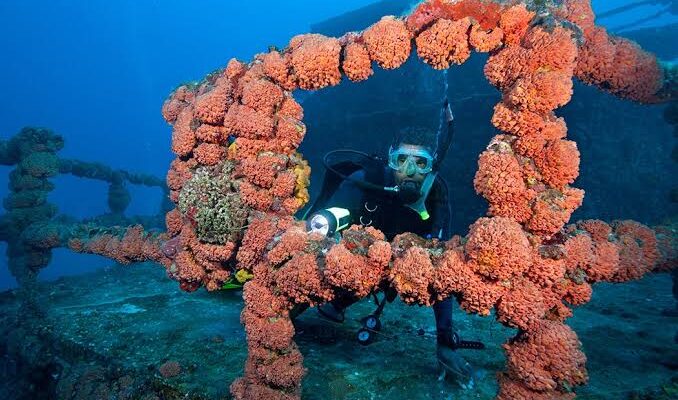
In a groundbreaking move, the Puducherry government, in collaboration with the Central Marine Fisheries Institute (CMFRI), Visakhapatnam, is set to implement a ₹4.34 crore project to install 14 artificial reefs along its coastline. This ambitious endeavor, funded entirely by the Centre under the Pradhan Mantri Matsya Sampada Yojana (PMMSY), aims not only to enhance fish breeding but also to uplift the livelihoods of traditional fishermen. Artificial reefs, structured human-built formations on the seabed, serve as substitutes for natural habitats. Scientifically designed, these reefs function as self-sustaining production systems, offering a sanctuary for marine life. Joe K. Kizhakudan, Principal Scientist and Head of CMFRI, emphasized the success of similar projects in Tamil Nadu, where more than 400 reefs have been planned this year alone. The plan entails erecting 14 reefs this year, with an additional 25 slated for the following year, adaptable based on the Union Territory’s requirements. The deployment locations, identified by the Puducherry government and CMFRI, will be strategically chosen to optimize the benefits of these artificial reefs. During a recent inspection of coastal hamlets, including Kalapet, Periya Kalapet, Chinna Kalapet, Ganapathychettikulam, and Pillaichavady, officials engaged with stakeholders, educating fishermen about the potential transformation these reefs could bring to the marine fishing landscape. The artificial reefs, submerged like coral formations, will be anchored to ensure stability. Over time, these structures will foster the growth of algae and marine flora, attracting a diverse range of fish species. CMFRI notes that over 300 species can coexist in settled artificial reef habitats, including commercially valuable varieties such as breams, groupers, snappers, perches, cobia, sea bass, rabbit fish, silver biddies, seer fish, barracuda, mackerel, trevallies, and queen fish. The positive outcomes observed in terms of enhanced fish availability to small-scale fishers at lower operational costs have prompted the Central government to expand this technology across the country. As the project unfolds, it holds the promise of not only rejuvenating marine ecosystems but also providing sustainable economic benefits to local communities. Puducherry’s initiative sets the stage for a model that could be replicated in various coastal regions, contributing to the overall well-being of both marine life and the communities dependent on it.

Read More

Fish: A Culinary Legacy Woven into Bengali Heritage

A Culinary Journey Through Bengal: Unveiling the Cultural Significance of Fish In the vibrant tapestry of Bengali culture, fish stands as an emblem of culinary heritage, deeply interwoven with the region’s history, traditions, and everyday life. Far from being a mere food source, fish embodies the essence of Bengali identity, a symbol of prosperity, abundance, and the harmonious coexistence with nature. Embark on a gastronomic adventure as we delve into the captivating world of fish in Bengali cuisine, exploring its culinary versatility, cultural significance, and the stories it weaves through the lives of Bengalis. A Culinary Tapestry: Fish in Bengali Cuisine Fish, the cornerstone of Bengali cuisine, has graced countless tables for centuries, its culinary versatility captivating taste buds and nourishing generations. From the humble ilish (hilsa), a delicacy revered for its rich flavor and delicate texture, to the ubiquitous tilapia, a staple in everyday meals, fish takes center stage in Bengali culinary repertoire. The preparation of fish in Bengali cuisine is an art form, passed down through generations, each dish infused with the unique flavors and aromas of the region. From the pan-fried simplicity of machher fry (fried fish) to the elaborate preparations of chingri machher malai curry (shrimp in coconut milk gravy), each dish showcases the culinary ingenuity of Bengali cuisine. A Cultural Tapestry: Fish Beyond the Plate The significance of fish in Bengali culture extends far beyond its culinary realm, deeply embedded in the region’s traditions, rituals, and beliefs. Fish plays a pivotal role in various religious ceremonies, symbolizing prosperity, abundance, and new beginnings. During the Durga Puja, the most celebrated festival in Bengal, fish offerings hold immense significance, representing the goddess Durga’s blessings. Fish also finds its way into Bengali folklore, literature, and art, woven into stories, poems, and paintings, reflecting its profound cultural impact. The iconic tale of ‘Machhli Jal ki Rani Hai’ (The Fish is the Queen of Water), a popular Bengali folk song, exemplifies the deep-rooted connection between Bengalis and fish. A Culinary Legacy: Fish and the Bengali Way of Life Fish, for Bengalis, is more than just a food source; it is a way of life, a symbol of their connection to their heritage, their land, and their communities. The act of sharing a fish meal with loved ones embodies the spirit of togetherness, fostering bonds and strengthening relationships. In rural Bengal, fishing is not just an occupation, but a way of life, a harmonious coexistence with nature. Fishermen, revered for their skills and knowledge of the waterways, play a vital role in sustaining communities. The rhythm of life in rural Bengal is often dictated by the ebb and flow of the tides, the abundance of fish mirroring the prosperity of the land. A Culinary Legacy: Preserving the Future of Fish in Bengali Cuisine As the world grapples with environmental challenges, the future of fish in Bengali cuisine faces unprecedented threats. Overfishing, pollution, and climate change pose significant risks to the sustainability of fish populations, jeopardizing a culinary legacy that has enriched Bengali culture for centuries. Sustainable fishing practices, conservation efforts, and community-based initiatives are crucial to safeguarding the future of fish in Bengali cuisine. By adopting sustainable practices, protecting aquatic ecosystems, and empowering local communities, we can ensure that the culinary heritage of fish continues to nourish and inspire generations to come. Conclusion Fish, the lifeblood of Bengali cuisine, is more than just a culinary delight; it is a cultural cornerstone, a symbol of identity, and a testament to the harmonious relationship between Bengalis and their environment. As we embark on a culinary journey through Bengal, we are reminded of the profound significance of fish in Bengali culture, a legacy that continues to shape the region’s identity and culinary landscape.

Read More

Himachal Pradesh’s Una District: A Beacon of Hope for Fish Rearing

Nestled amidst the picturesque hills of Himachal Pradesh, the Una district is emerging as a hub for fish rearing. Progressive farmers, armed with innovative techniques like Bio Flock Technology (BFT), are revolutionizing fish farming practices, leading to a surge in fish production and transforming the livelihoods of local communities. Bio Flock Technology: A Game-Changer for Fish Farming Bio Flock Technology (BFT) is a revolutionary aquaculture technique that utilizes microorganisms to create a nutrient-rich environment for fish. This method not only enhances fish growth and survival rates but also improves water quality and reduces the need for artificial feeds. In the Una district, BFT has been embraced by fish farmers with remarkable success. Reshma Devi, a fish farmer from the district, is a prime example of the transformative power of BFT. By adopting BFT, Reshma has been able to increase her fish production tenfold, leading to a tenfold increase in her income. A Model for Sustainable Aquaculture The Una district’s success story in fish rearing serves as a beacon of hope for sustainable aquaculture practices across India. The district’s farmers have demonstrated that with the right technology and dedication, fish farming can be a viable and profitable livelihood option. The widespread adoption of BFT in the Una district has not only benefited individual farmers but has also contributed to the overall growth of the district’s economy. Fish farming has emerged as a significant source of employment and income for the region, fostering economic development and improving the lives of local communities. A Call for Replication The success of fish rearing in the Una district provides valuable lessons for other regions in India. The district’s experience highlights the importance of adopting innovative technologies like BFT to enhance fish production and sustainability. Moreover, the district’s success story underscores the need for government support and extension services to empower fish farmers and promote sustainable aquaculture practices across the country. By replicating the Una district’s model, India can harness the immense potential of fish farming to boost food security, generate employment, and drive economic growth in rural areas.

Read More

India’s Seafood Export Target for FY24: Unlikely to Be Met

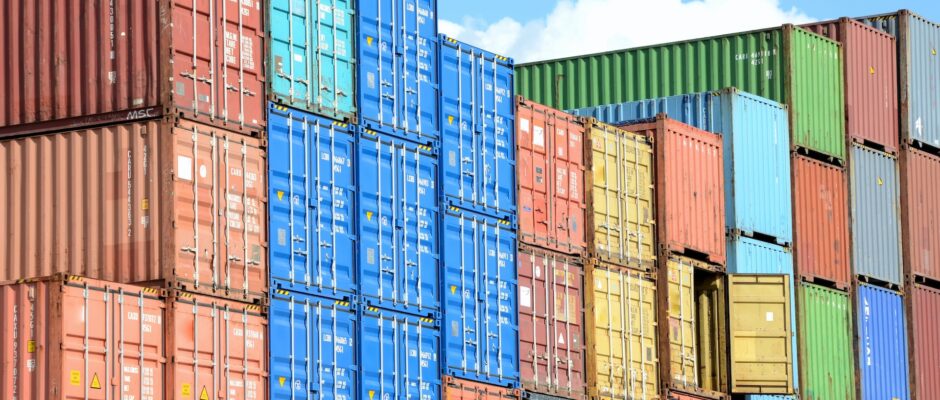
India’s seafood export target for FY24 is unlikely to be met due to several factors, including tepid buying from key markets such as the US, China, Japan, and Europe. Additionally, there is weak demand for peeled frozen products in the US retail market. Exporters do not see any substantial improvement in the US market until early 2024. These factors are likely to lead to a shortfall of around 5% in seafood exports in FY24. The Seafood Exporters Association of India (SEAI) has urged the government to take steps to boost exports, such as by providing financial assistance to exporters and addressing logistical challenges. The Indian government has set a target of $12 billion for seafood exports in FY24. However, the industry is facing several headwinds that are likely to make it difficult to achieve this target. Tepid Buying from Key Markets One of the main reasons for the slowdown in seafood exports is tepid buying from key markets such as the US, China, Japan, and Europe. These markets are facing their own economic challenges, which is leading to reduced demand for seafood. Weak Demand for Peeled Frozen Products There is also weak demand for peeled frozen products in the US retail market. This is due to a number of factors, including increased competition from other proteins and a shift towards fresh seafood. No Substantial Improvement in US Market Until Early 2024 Exporters do not see any substantial improvement in the US market until early 2024. This is due to the ongoing economic challenges in the US and the fact that the US retail market is still recovering from the COVID-19 pandemic. Impact on Seafood Exports These factors are likely to lead to a shortfall of around 5% in seafood exports in FY24. This would be a significant setback for the Indian seafood industry, which has been growing in recent years. SEAI’s Recommendations The Seafood Exporters Association of India (SEAI) has urged the government to take steps to boost exports, such as by providing financial assistance to exporters and addressing logistical challenges. The SEAI has also called for a review of the current export policy to make it more export-oriented. Conclusion The Indian seafood industry is facing a number of challenges that are likely to make it difficult to achieve the government’s export target for FY24. The government needs to take steps to address these challenges in order to support the industry and help it achieve its full potential.

Read More

How Marine Litter is Bringing Unwanted Guests to India’s Shores

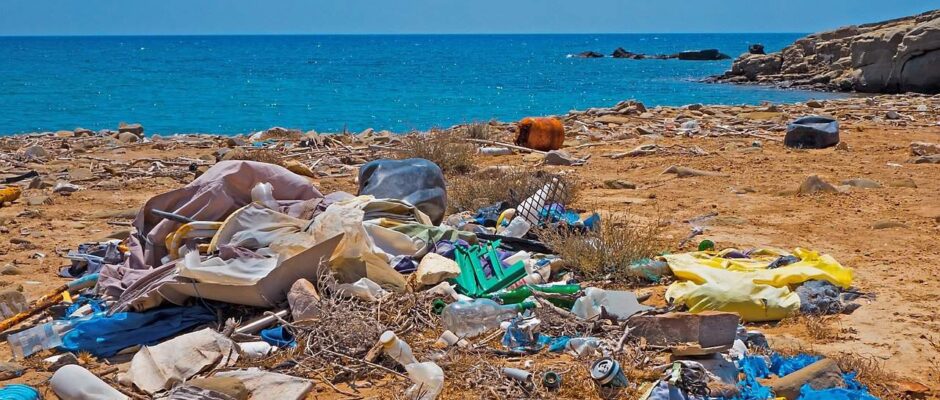
India’s coastline is home to a rich and diverse marine life, but it is also facing a growing threat from marine litter. A new study has revealed that marine litter, such as plastic bottles, rubber, and glass, is not only polluting the environment, but also transporting invasive species to the shores of southeastern India. These invasive species, such as the mussel Mytella strigata, can harm the local biodiversity and ecosystems by competing with native species, altering habitats, and spreading diseases. The study, published in the Marine Pollution Bulletin, surveyed eight beaches in Puducherry and Tamil Nadu, India. The researchers collected and analyzed 1,000 pieces of marine litter, and found that 3,130 specimens of marine organisms, belonging to seven phyla and 17 species, were attached to them. The most common species was the bryozoan Jellyella tuberculata, which was found on 32% of the litter. This species is native to the Atlantic Ocean, and has been introduced to the Indian Ocean through shipping and aquaculture activities. The study also found that the urban beaches had a higher percentage of fouled litter than the village beaches. This is likely due to the higher levels of human activity in urban areas, which generate more waste and litter. The researchers suggest that urban beaches are more vulnerable to the invasion of alien species, and that more attention should be paid to their management and conservation. Marine litter is a major global environmental problem that has gained more attention in the last decades from the scientific community due to its impact on biodiversity and human health. It is estimated that up to 12.7 million tonnes of litter enters marine habitats every year. Once debris enters the sea, it either floats or sinks, and can be transported to other areas by currents, washing up on the shoreline and beaches or drifting offshore. Among marine fouling organisms, invasive species may alter the structure of the endemic community, causing a serious threat to local biodiversity and, sometimes, the decline or extinction of native species, as well as economic loss. Marine litter can also increase the growth of microbes, harmful algae, and pathogens. To date, about 400 marine species of bryozoans, molluscs, barnacles, polychaetes, sponges, hydrozoans, and ascidians have been recorded rafting on marine litter. The researchers believe that marine litter is posing a growing threat to India’s coastal biodiversity. They are calling for more research into the problem and for measures to reduce marine litter pollution. They also recommend that the public should be made aware of the risks of marine litter and the importance of proper waste disposal. They hope that their study will contribute to the understanding and management of marine litter and invasive species in India and other regions.

Read More

Shrimp Farmers in India Turn to Mangroves for Sustainable Aquaculture

For generations, shrimp aquaculture has been the primary livelihood for families in the Sundarbans, a vast mangrove forest in India. However, the widespread use of unsustainable practices, driven by the demand for shrimp in Western markets, has had a devastating impact on the Sundarbans ecosystem. In recent years, efforts have been underway to transition to more sustainable aquaculture methods, and one promising approach is the integration of mangroves into shrimp farms. Dr. Sourabh Kumar Dubey, a researcher from West Bengal, has been investigating the potential of integrated mangrove aquaculture (IMA) to reduce the environmental impact of shrimp farming while maintaining productivity. IMA involves cultivating mangroves alongside shrimp ponds, leveraging the natural benefits of mangroves to enhance water quality, reduce disease outbreaks, and provide habitat for a variety of organisms. In the village of Haroa, located on the outskirts of the Sundarbans, farmers have begun adopting IMA practices with encouraging results. The ponds with mangroves are yielding comparable shrimp production to those without mangroves, while also offering significant environmental benefits. The mangroves act as biofilters, removing excess nutrients from the water and improving overall water quality. Additionally, they provide shelter for shrimp larvae, reducing the need for artificial stocking. Despite the promise of IMA, challenges remain in its wider adoption. One major concern is the lower initial shrimp yield compared to intensive aquaculture systems, which may deter farmers seeking quick returns. However, proponents of IMA emphasize the long-term benefits, such as reduced capital investment, increased livelihood diversity through polyculture, and enhanced climate resilience. Protecting the newly planted mangroves is another challenge. Livestock grazing and human interference pose a threat to the saplings, and raising awareness among local communities is crucial for their survival. Temporary fencing has been implemented in Haroa, but more sustainable solutions are needed. Dubey believes that IMA has the potential to be scaled up across the coastal regions of West Bengal, particularly in areas with underutilized brackish water ponds. By converting these ponds into mangrove-integrated shrimp farms, farmers can generate income while simultaneously restoring and preserving the vital Sundarbans ecosystem. As the world grapples with the environmental consequences of unsustainable aquaculture practices, IMA offers a promising path towards a more harmonious relationship between shrimp farming and the natural environment. By harnessing the benefits of mangroves, shrimp farmers in India can continue to provide a valuable food source while safeguarding the delicate balance of the Sundarbans ecosystem.

Read More

Revolutionizing Aquaculture Disease Surveillance: Drones Take Flight in India

The aquaculture sector in India is poised for a transformative leap forward with the integration of drone technology and remote sensing techniques. Kenton L Morgan, a former emeritus professor of epidemiology at the University of Liverpool, United Kingdom, shed light on this groundbreaking development during the AquaEpi III conference held at the ICAR-National Bureau of Fish Genetic Resources (NBFGR) in Lucknow.

Read More
editor

Emerging Challenges and Opportunities in Inland Aquaculture

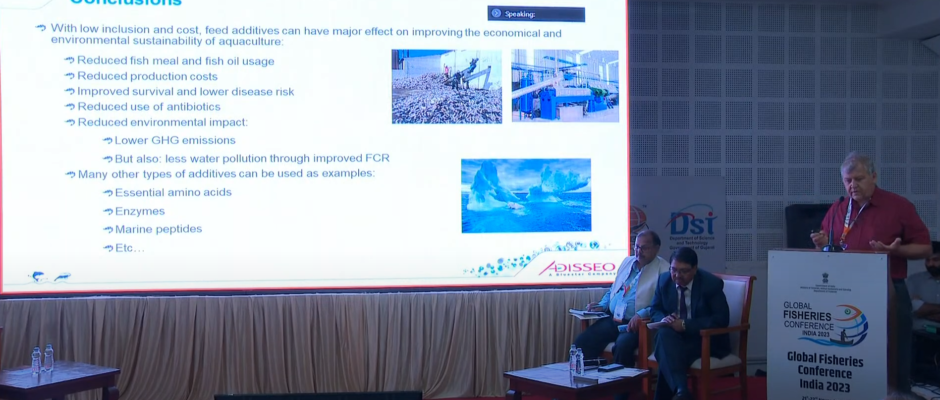
The video is about the challenges and opportunities in inland aquaculture. The speakers discuss the importance of aquaculture as a protein source and the challenges of providing enough fish meal and fish oil for aquaculture feed. They also discuss the use of additives to improve the performance of fish feed and reduce the reliance on fish meal and fish oil. The speakers also discuss the importance of preventing disease in aquaculture and the use of phytobiotics to improve shrimp health. Finally, the speakers discuss the importance of genetic improvement in aquaculture and the use of selective breeding to improve the growth and survival of fish.

Read More
editor

Navigating Fisheries Regulations in India

In this video, we look at National Fisheries regulations in India. While there have been coastal fishing and conventions relating to it, since times, immemorial, modern laws emerged around 1980. There are multiple fishing regulations, laws relating to biodiversity, coastal management. Then, we have multiple treaties and international laws and we have had issues with Sri Lanka, BanglaDesh and occasionally with Pakistan. In this short video, we navigate the Fisheries regulation in India.

Read More
editor

How a simple innovation in oyster farming has transformed the lives of these fisherwomen

This video is about how a simple innovation in oyster farming has transformed the lives of fisherwomen in Waratah, India. The women used to spend long hours fishing for oysters, but they would only return with a small catch. In 2013, the United Nations Development Program approached the women with a plan to simplify their lives by farming oysters in the creek behind their homes. The women were skeptical at first, but they eventually agreed to form a self-help group. With the help of the UNDP, the women set up 450 ropes with empty oyster shells on bamboo frames. Oyster spats attached themselves to the empty shells over time, and the women were able to harvest a bounty of oysters. The initial investment of about $85 has brought in significant returns, and the women are now able to save money for their families. They have also started making and selling luck dues and sweets to the community. The fisherwomen of Waratah are an inspiration to other women around the world. They have shown that it is possible to overcome poverty and discrimination and achieve success. The video is a great example of how a small innovation can have a big impact on people’s lives. It is also a reminder of the importance of women’s empowerment and the role that women can play in development.

Read More