Seafood Of India

Blog Post

Can Shrimp Ride the Avocado Wave? Exploring the Potential of a Targeted Marketing Campaign

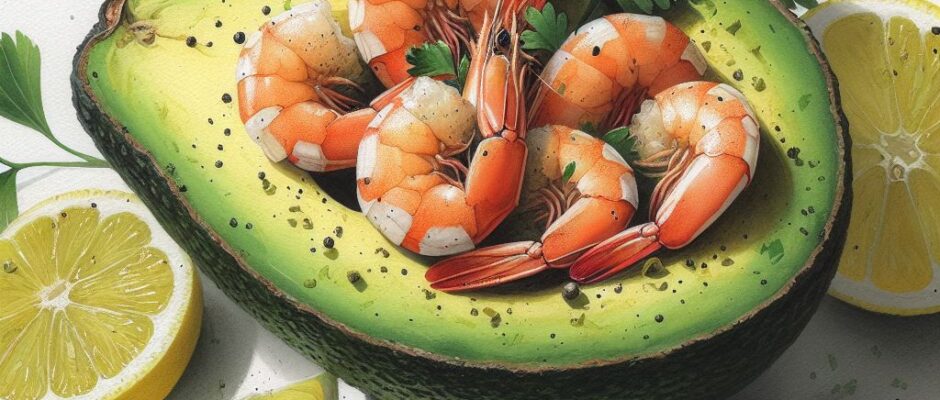
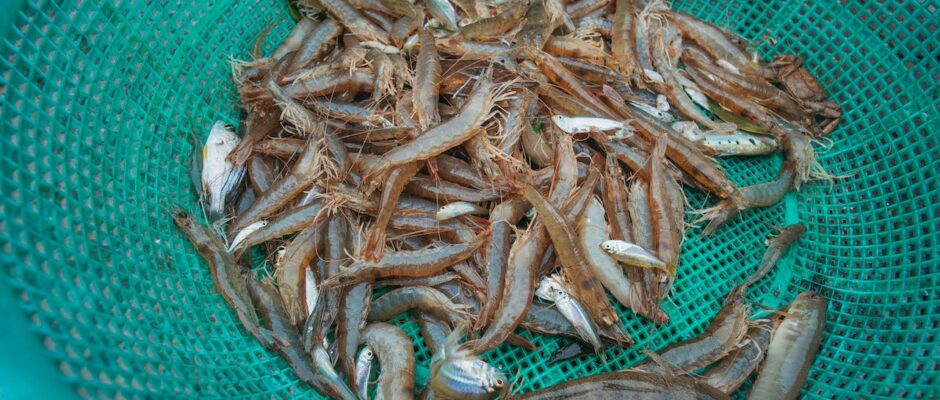
For decades, avocados have enjoyed a meteoric rise in popularity, transforming from a niche fruit to a ubiquitous symbol of healthy living and culinary delight. But can shrimp, a staple in many cultures and a valuable economic resource, replicate this success story? This question lies at the heart of a new report from the Global Shrimp Forum Foundation, which explores the potential of a targeted marketing campaign to boost shrimp consumption. Avocado’s Success: A Model for Shrimp? The avocado’s triumph is undeniable. Per capita consumption in the United States alone soared by over 278% between 2000 and 2021, fueled by a concerted industry-wide effort launched in the 1990s. This campaign effectively positioned avocados as a delicious, healthy, and versatile food, appealing to a broad consumer base. The success of the avocado campaign can be attributed to several key factors: Targeted messaging: The campaign focused on specific health benefits, such as heart-healthy fats and monounsaturated fatty acids, resonating with health-conscious consumers. Recipe development and promotion: Creating exciting and accessible recipes showcasing the diverse culinary applications of avocados broadened their appeal.Building brand awareness: Consistent marketing efforts across various platforms, including television commercials and social media campaigns, cemented avocados’ presence in popular culture. Can Shrimp Capitalize on Similar Strategies? The Global Shrimp Forum Foundation believes that the shrimp industry can learn valuable lessons from the avocado’s success story. The report highlights several areas where targeted marketing could unlock significant growth for the industry: Promoting health benefits: Shrimp is a natural source of protein, low in calories and fat, and rich in essential nutrients like omega-3 fatty acids and iodine. Highlighting these health benefits can appeal to consumers seeking healthier dietary options. Developing diverse recipe options: Many consumers associate shrimp with limited preparation methods. By showcasing a variety of exciting and easy-to-follow recipes, the industry can encourage more frequent consumption. Targeting specific demographics: Tailoring marketing campaigns to specific consumer groups, such as young families or health enthusiasts, can increase engagement and brand loyalty. Building trust and transparency: Consumers are increasingly concerned about the sustainability and ethical practices of the seafood industry. By promoting responsible aquaculture practices and ensuring transparency throughout the supply chain, the shrimp industry can attract environmentally conscious consumers. Challenges and Opportunities: While the potential rewards are significant, the path to replicating the avocado’s success is not without challenges. The shrimp industry is fragmented, with diverse stakeholders and varying levels of marketing expertise. Additionally, overcoming ingrained consumer perceptions and preferences requires sustained investment and strategic communication. Despite the challenges, the opportunities for shrimp are vast. Global demand is projected to continue growing, driven by rising incomes and population growth, particularly in emerging economies. By embracing a collaborative approach and learning from success stories like the avocado, the shrimp industry can unlock its full potential and ensure a sustainable and prosperous future. The Future of Shrimp: Riding the Wave of Innovation and Marketing The journey ahead for the shrimp industry is one of innovation and proactive marketing. By embracing new technologies, diversifying production methods, and implementing targeted marketing campaigns, the industry can not only ride the wave of increasing global demand but also elevate the image of shrimp as a healthy, delicious, and sustainable food choice for all.

Read More

Revolutionizing India’s Seafood Industry – Unlocking the Potential of Indigenous Shrimp Genome

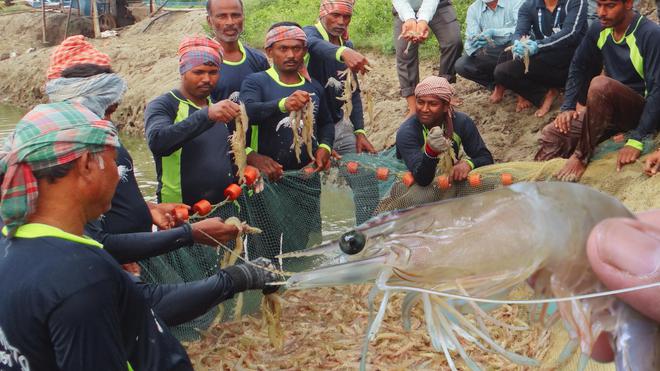
In a groundbreaking achievement, aquaculture scientists in India have successfully decoded the genome of the indigenous white shrimp variety, P. indicus. This scientific breakthrough not only propels India towards self-reliance but also promises to significantly boost the country’s export income. With seafood exports currently estimated at ₹42,000 crore, this development could reshape the landscape of India’s aquaculture sector. Traditionally, India has heavily relied on the exotic and genetically improved Pacific white shrimp, Vannamei, for its aquaculture practices. This imported variety dominates the global export market and contributes to a substantial 70% of India’s seafood exports. However, the newfound focus on decoding the genome of the native P. indicus aims to diversify the shrimp industry, reducing dependency on a single species and fostering growth for Indian shrimp farmers. Under the ambitious Pradhan Mantri Matsya Sampada Yojana, ₹25.04 crore has been allocated in the initial phase to identify and genetically improve an Indian shrimp variety. The total project fund stands at ₹100 crore, emphasizing the strategic importance of this venture in achieving self-sufficiency and boosting the Indian economy. Kuldeep Kumar Lal, the Director of the Indian Council of Agricultural Research-Central Institute for Brackishwater Aquaculture (ICAR-CIBA), Chennai, underscores the significance of this initiative as part of the Make in India flagship program. P. indicus is now recognized as a national priority species, marking a pivotal step towards promoting indigenous species over exotic ones. The successful decoding of the complete genome by CIBA, a first-of-its-kind achievement, opens doors to genetic selection and improvement of the native shrimp. According to Akshaya Panigrahi, the principal scientist at ICAR-CIBA, P. indicus has demonstrated its potential with a production rate of 3-7 tons per hectare per crop, even before domestication. The genetic improvement program aims for a substantial gain of 4-7% per generation, doubling productivity, enhancing feed conversion efficiency, and increasing profitability for farmers. Dr. Panigrahi envisions that this new species will position India as a pioneer, producing selectively bred Indian white shrimp for global supply. The potential of the genetically improved strain is expected to grow exponentially with the adoption of modern smart farming systems. In the wake of the COVID-19 pandemic, the need for self-reliance became even more apparent when fish farmers struggled to access mother shrimp for farming, impacting their livelihoods. The decoded genome of P. indicus not only addresses this vulnerability but also sets the stage for a transformative era in India’s aquaculture, highlighting the importance of scientific innovation in fostering resilience and sustainability in the face of global challenges.

Read More

Unveiling the Mystery: Shrimp vs. Prawn

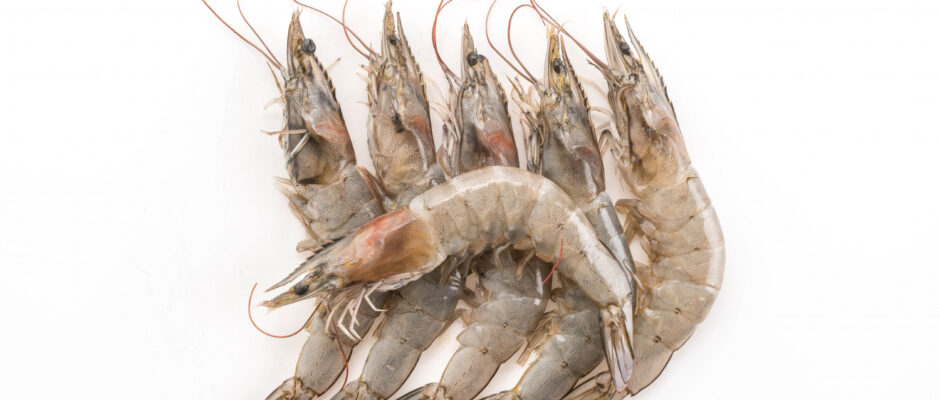
For many seafood enthusiasts, the distinction between shrimp and prawns remains shrouded in mystery. At first glance, these crustaceans appear strikingly similar, both boasting a vibrant red hue and a delicate, curved body. However, beneath this seemingly identical exterior lies a world of fascinating differences waiting to be unraveled. A Tale of Two Bodies: The observant eye will notice a subtle difference in their body shape. Shrimp, like ballerinas frozen in mid-pirouette, possess a gracefully curved body, while prawns adopt a straighter, more elongated stance. This distinction extends to their appendages, with shrimp sporting branching gills openly displayed on their sides, a stark contrast to the hidden gills of prawns, shielded beneath their carapace. Legacies Revealed: Both creatures boast ten versatile legs, but their weaponry differs. Shrimp, armed with claws on two pairs of legs, engage in delicate battles, while prawns, true warriors of the sea, brandish formidable claws on three pairs, the second pair holding the most power. Life’s Cycles: Shrimp carry their offspring close, cradling their eggs on their abdomen until hatching. Prawns, on the other hand, entrust their future to the currents, releasing their eggs directly into the vast ocean. A Matter of Taste and Price: Size matters in the world of seafood. Prawns, larger and often described as having a firmer, meatier texture, command a higher price tag, while shrimp, smaller and prized for their sweet, delicate flavor, are more budget-friendly. Culinary Adventures: Both shrimp and prawns are culinary chameleons, readily adapting to diverse culinary landscapes. Shrimp grace delicate salads and stir-fries, adding a delightful pop of color and flavor. Prawns, on the other hand, take center stage in hearty dishes like grilled platters and pastas, showcasing their bold presence and satisfying texture. Shrimp or Prawn? The Choice is Yours: As the curtain closes on this tale of two crustaceans, we are left with a deeper appreciation for their unique features and culinary applications. Whether you choose the graceful shrimp or the bold prawn, both offer a delicious journey into the depths of the ocean, one bite at a time. So, the next time you encounter these fascinating creatures, remember, a world of difference awaits under their seemingly identical shells.

Read More

Alert: Cyclone Michaung Brewing in Bay of Bengal, Odisha on High Alert

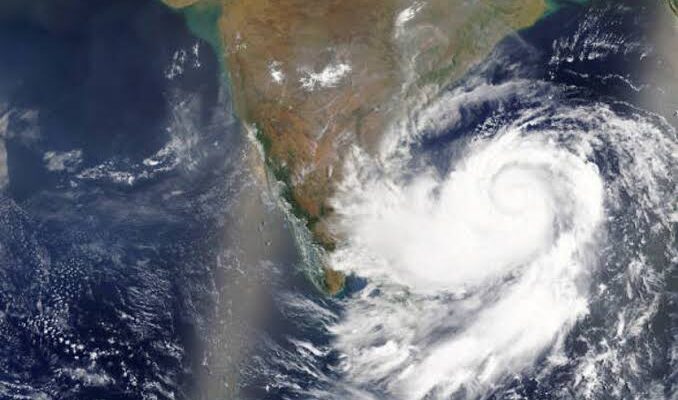
The Bay of Bengal is brewing a storm as Cyclone Michaung is forming and may cross the Andhra-Odisha coasts on December 5th. Authorities in Odisha have issued warnings and put seven coastal districts on high alert. Fishermen Warned: Advising caution, officials have urged fishermen to avoid venturing into the sea from December 1st morning. Any fishermen currently at sea are instructed to return by the same date. Cyclone’s Trajectory: The cyclonic storm is expected to follow a west-northwest direction, intensifying into a depression over the southeast Bay of Bengal by November 30th.Within the next 48 hours, it is predicted to gain further strength and transform into a full-fledged cyclone named ‘Michaung’ over the southwest and adjoining southeast Bay of Bengal. State-level Preparations: The Odisha government has taken proactive measures by placing seven coastal districts under alert: Balasore, Bhadrak, Kendrapara, Jagatsinghpur, Puri, Khurda, and Ganjam.* Special Relief Commissioner Satyabrata Sahoo has communicated warnings and alerts to relevant authorities, ensuring timely dissemination of information to fishermen and boats at sea. Expected Rainfall: Although the cyclone’s exact impact is still under observation, light to moderate rainfall with thundershowers is predicted for parts of Koraput, Rayagada, Gajapati, Ganjam, Puri, and Jagatsinghpur on December 3rd. Authorities Remain Vigilant: State officials and weather departments are closely monitoring the situation, providing regular updates and taking necessary precautions to ensure public safety. Stay Informed: Citizens are advised to stay updated on weather warnings and follow instructions issued by authorities.

Read More

Diminishing Returns on Labor: A Looming Threat to the Global Marine Food System

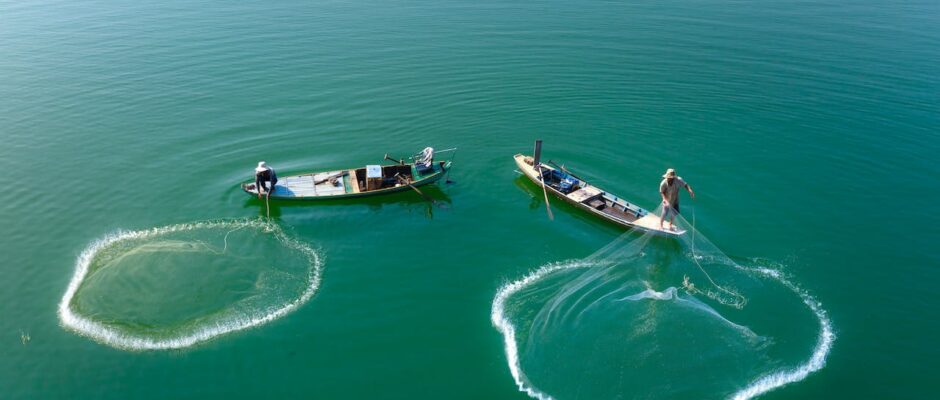
The world’s food production has witnessed a remarkable transformation over the past century. Technological advancements have revolutionized agriculture, dramatically reducing the need for human labor while simultaneously increasing yields. This trend, however, has not translated equally to the global marine food system. While technology has undoubtedly played a role in fisheries, its impact on labor and overall productivity paints a concerning picture. A recent study, published in Nature Sustainability, sheds light on this critical issue. Researchers reconstructed the global number of marine fishers from 1950 to 2015, revealing a startling trend: despite significant advancements in technology, the total number of fishers continued to grow. This increase, mainly driven by lower- and middle-income countries, outpaced the 60% decrease observed in higher-income nations. The consequences are starkly evident in declining catch per fisher. Since the 1990s, this crucial metric has steadily decreased despite major technological leaps. This stands in stark contrast to the 70% increase in production per farmer achieved in terrestrial agriculture during the same period. The study’s findings paint a worrying picture: global fisheries are experiencing diminishing, and even negative, returns on labor. This has profound implications for food production efficiency, marine ecosystems, and the livelihoods of fishing communities. Data & References: Additional Concerns: Potential Solutions: Conclusion: The diminishing returns on labor in global fisheries pose a significant threat to the future of the marine food system. Addressing this challenge requires a multi-pronged approach that includes sustainable fishing practices, technological innovation, diversification, and international cooperation. By taking action now, we can ensure the long-term sustainability of this vital resource and protect the livelihoods of millions who depend on it.

Read More

The Dark Underbelly of Delicacy: Sea Cucumber Crime Threatens Marine Ecosystems

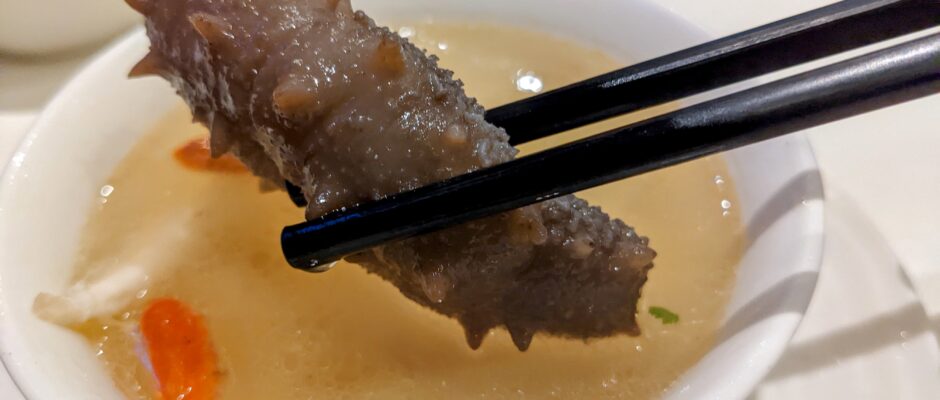
In the pristine waters between India and Sri Lanka, a silent war is being waged. Not one fought with weapons and soldiers, but with nets and greed. The prize? Sea cucumbers, a marine creature prized in China for its purported health benefits and exquisite taste. But behind this seemingly harmless desire lies a dark and disturbing reality: a thriving sea cucumber crime industry. Fueled by China’s insatiable appetite for this delicacy, seafood mafias have infiltrated these waters, operating like modern-day pirates. They exploit loopholes in regulations, employ destructive fishing practices, and engage in illegal trade, leaving a trail of devastation in their wake. Once abundant in these waters, sea cucumber populations are now dwindling at an alarming rate. Their slow reproductive cycle and unsustainable harvesting make them particularly vulnerable to overexploitation. This not only threatens their very existence but also disrupts the delicate balance of the marine ecosystem. Sea cucumbers play a vital role in maintaining coral reefs, cleaning the seabed, and providing food for other marine creatures. Their disappearance could have far-reaching consequences for the entire marine food chain. The illegal sea cucumber trade operates through a complex network, often involving local fishermen, middlemen, and international traders. They bribe officials, forge documents, and use sophisticated technology to evade detection. The profits are immense, with a single sea cucumber fetching hundreds of dollars in China. This lucrative trade fuels greed, corruption, and violence, creating a web of illegality that is difficult to dismantle. The fight against sea cucumber crime requires a multi-pronged approach. Stricter enforcement of existing regulations and improved monitoring of fishing activities are crucial. International cooperation is essential to track and disrupt the criminal networks operating across borders. Raising consumer awareness about the devastating impact of this trade is also critical. But perhaps the most important weapon in this fight is the power of knowledge. We need to educate people about the ecological importance of sea cucumbers and the harm caused by unsustainable harvesting. We need to encourage responsible consumption and promote alternative sources of income for communities reliant on the fishing industry. The struggle to protect sea cucumbers is not just about saving a marine creature; it is about protecting the delicate balance of our oceans. It is about fighting against corruption and greed. It is about ensuring a future where we can enjoy the bounty of the sea without jeopardizing its very existence. This is not a fight we can afford to lose. We must stand together and raise our voices against this injustice. Let us not be a generation that allows greed to plunder the treasures of our oceans and leave behind a barren wasteland. Let us be a generation that chooses sustainability over exploitation, and protects the marine wonders for generations to come. Only then can we truly appreciate the true value of a sea cucumber, not just as a delicacy, but as a vital piece of our interconnected world.

Read More

Transforming India’s Seafood Industry: A Blueprint for Innovation and Growth

India’s seafood industry is poised for a revolution, driven by a strategic shift towards public-private partnerships in research, development, and technology transfer.** This progressive move, spearheaded by the Indian Council of Agricultural Research (ICAR), aims to diversify aquaculture technologies and meet evolving market demands. With the ambitious goal of exceeding $15 billion in seafood export earnings by 2025, engaging business houses in technology development becomes crucial. Shrimp remains the cornerstone of Indian seafood exports, accounting for 11.84 lakh tonnes and ₹43,135 crore in value.** However, the dominance of the pacific white shrimp faces challenges, including susceptibility to diseases, highlighting the need for diversification. Recognizing this, Marine Products Exports Development Authority (MPEDA) has identified mud crabs, seabass, tilapia, pangasius, cobia, and pompano as potential export species. Despite their potential, production and cultivation of these new species have been inconsistent. Challenges include lengthy culture periods, cannibalistic behavior, and high feed demand for seabass, similar hurdles for cobia, and reliance on wild stocks for mud crab culture. The key barrier lies in the adoption of developed technologies due to the required capital investment and limited understanding of these new methods.** To address this, early involvement of major business houses in technology development is advocated. This collaborative approach will ensure a seamless transition from research to large-scale commercial production. India’s 2022-23 seafood exports reached 17,35,286 tonnes, valued at ₹63,969 crore, highlighting the need for increased volume, quality, and value-added products.** This article emphasizes the crucial role of big business houses in overcoming challenges and unlocking the full potential of new technologies. Investments in fisheries technology hold immense promise for rural livelihoods, employment, and income generation.** Inspired by successful initiatives in other sectors, the article urges business houses to consider investing significantly in fisheries technologies, even including opportunities in foreign waters. NITI Aayog recognizes the sector’s potential, noting an 8.97% growth rate in fisheries from 2011-12 to 2020-21.** To further incentivize investments, the article proposes extending the Production-Linked Incentive (PLI) scheme to business houses venturing into new fisheries and aquaculture technologies. Additionally, it suggests applying the newly announced Techno-Commercial Readiness and Market Maturity (TCRM) matrix framework to the primary sector. **In conclusion, by investing in science and commercializing technologies, India can achieve its vision of an Atmanirbhar (self-reliant) seafood industry.** This collaborative approach between government, research institutions, and business houses holds the key to unlocking the immense potential of India’s fisheries and aquaculture sector.

Read More

Shrimp Feed Market Report 2024 | Industry Size Worth US$ 10.7 Billion by 2032

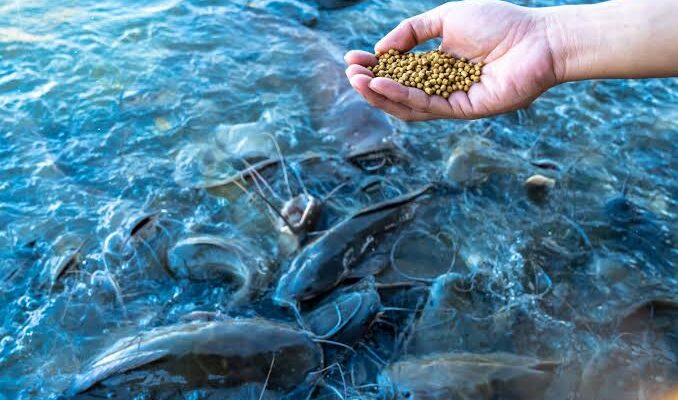
The global shrimp feed market is primarily driven by the increasing demand for seafood. IMARC Group’s report titled “𝐒𝐡𝐫𝐢𝐦𝐩 𝐅𝐞𝐞𝐝 𝐌𝐚𝐫𝐤𝐞𝐭 𝐑𝐞𝐩𝐨𝐫𝐭 𝐛𝐲 𝐓𝐲𝐩𝐞 (𝐆𝐫𝐨𝐰𝐞𝐫, 𝐅𝐢𝐧𝐢𝐬𝐡𝐞𝐫, 𝐒𝐭𝐚𝐫𝐭𝐞𝐫), 𝐈𝐧𝐠𝐫𝐞𝐝𝐢𝐞𝐧𝐭𝐬 (𝐒𝐨𝐲𝐛𝐞𝐚𝐧 𝐌𝐞𝐚𝐥, 𝐅𝐢𝐬𝐡 𝐌𝐞𝐚𝐥, 𝐖𝐡𝐞𝐚𝐭 𝐅𝐥𝐨𝐮𝐫, 𝐅𝐢𝐬𝐡 𝐎𝐢𝐥, 𝐚𝐧𝐝 𝐎𝐭𝐡𝐞𝐫𝐬), 𝐀𝐝𝐝𝐢𝐭𝐢𝐯𝐞𝐬 (𝐕𝐢𝐭𝐚𝐦𝐢𝐧𝐬 𝐚𝐧𝐝 𝐏𝐫𝐨𝐭𝐞𝐢𝐧𝐬, 𝐅𝐚𝐭𝐭𝐲 𝐀𝐜𝐢𝐝𝐬, 𝐀𝐧𝐭𝐢𝐨𝐱𝐢𝐝𝐚𝐧𝐭𝐬, 𝐅𝐞𝐞𝐝 𝐄𝐧𝐳𝐲𝐦𝐞𝐬, 𝐀𝐧𝐭𝐢𝐛𝐢𝐨𝐭𝐢𝐜𝐬, 𝐚𝐧𝐝 𝐎𝐭𝐡𝐞𝐫𝐬), 𝐚𝐧𝐝 𝐑𝐞𝐠𝐢𝐨𝐧 𝟐𝟎𝟐𝟒-𝟐𝟎𝟑𝟐”. The global shrimp feed market size reached US$ 6.9 Billion in 2023. Looking forward, IMARC Group expects the market to reach US$ 10.7 Billion by 2032, exhibiting a growth rate (CAGR) of 4.9% during 2024-2032. 𝐅𝐚𝐜𝐭𝐨𝐫𝐬 𝐀𝐟𝐟𝐞𝐜𝐭𝐢𝐧𝐠 𝐭𝐡𝐞 𝐆𝐫𝐨𝐰𝐭𝐡 𝐨𝐟 𝐭𝐡𝐞 𝐆𝐥𝐨𝐛𝐚𝐥 𝐒𝐡𝐫𝐢𝐦𝐩 𝐅𝐞𝐞𝐝 𝐈𝐧𝐝𝐮𝐬𝐭𝐫𝐲: 𝐆𝐫𝐨𝐰𝐢𝐧𝐠 𝐀𝐪𝐮𝐚𝐜𝐮𝐥𝐭𝐮𝐫𝐞 𝐒𝐞𝐜𝐭𝐨𝐫: The market is primarily driven by the increasing demand for seafood. As traditional capture fisheries face limitations due to overfishing and environmental concerns, aquaculture emerges as a sustainable alternative to meet the rising seafood demand. This shift toward aquaculture led to the development of more intensive shrimp farming practices, which require high-quality feed to ensure optimal growth and health of the shrimp. The quality of shrimp feed is essential in the aquaculture value chain, impacting the growth and survival rates of shrimp. Besides this, the growing need for specialized, high-quality shrimp feed that can cater to the specific nutritional requirements of shrimp at several stages of their lifecycle is accelerating the market growth. 𝐄𝐦𝐞𝐫𝐠𝐢𝐧𝐠 𝐓𝐞𝐜𝐡𝐧𝐨𝐥𝐨𝐠𝐢𝐜𝐚𝐥 𝐀𝐝𝐯𝐚𝐧𝐜𝐞𝐦𝐞𝐧𝐭𝐬: Technological advancements in shrimp feed formulation and feeding technology are significant contributors to the growth of the shrimp feed market. These innovations are centered around enhancing feed efficiency, improving nutritional value, and reducing the environmental footprint of aquaculture. Also, modern feed formulations are increasingly sophisticated, incorporating various ingredients to optimize the growth and health of shrimp. These include functional feeds that improve immunity, specialized larval feeds, and feeds designed to minimize waste. These systems ensure optimal feed distribution, reducing waste and improving feed conversion ratios. Additionally, the growing emphasis on developing environmentally sustainable feed ingredients, such as alternative protein sources reduces reliance on traditional fishmeal and fish oil driven by the need to create a more sustainable aquaculture ecosystem and address concerns about the overexploitation of marine resources. 𝐑𝐢𝐬𝐢𝐧𝐠 𝐒𝐞𝐚𝐟𝐨𝐨𝐝 𝐂𝐨𝐧𝐬𝐮𝐦𝐩𝐭𝐢𝐨𝐧: The global increase in seafood consumption, particularly shrimp, is influencing the market growth. In addition, the growing health awareness and rising income levels across various regions are contributing to the market growth. Also, shrimp is recognized for its nutritional benefits, being a rich source of protein, vitamins, and minerals, while low in calories and saturated fat which made it a popular choice among health-conscious consumers. Additionally, the growing middle-class families, especially in emerging economies, are escalating the demand for shrimp. Besides this, an increasing need for high-quality shrimp feed to ensure efficient and sustainable production is accelerating the market growth. 𝐅𝐨𝐫 𝐚𝐧 𝐢𝐧-𝐝𝐞𝐩𝐭𝐡 𝐚𝐧𝐚𝐥𝐲𝐬𝐢𝐬, 𝐲𝐨𝐮 𝐜𝐚𝐧 𝐫𝐞𝐟𝐞𝐫 𝐬𝐚𝐦𝐩𝐥𝐞 𝐜𝐨𝐩𝐲 𝐨𝐟 𝐭𝐡𝐞 𝐫𝐞𝐩𝐨𝐫𝐭: https://www.imarcgroup.com/shrimp-feed-market/requestsample 𝐋𝐞𝐚𝐝𝐢𝐧𝐠 𝐂𝐨𝐦𝐩𝐚𝐧𝐢𝐞𝐬 𝐎𝐩𝐞𝐫𝐚𝐭𝐢𝐧𝐠 𝐢𝐧 𝐭𝐡𝐞 𝐆𝐥𝐨𝐛𝐚𝐥 𝐒𝐡𝐫𝐢𝐦𝐩 𝐅𝐞𝐞𝐝 𝐈𝐧𝐝𝐮𝐬𝐭𝐫𝐲: • Charoen Pokphand Group Company, Ltd.• Cargill, Incorporated• Nutreco N.V.• BioMar Group A/S• Guangdong Yuehai Feeds Group Co., Ltd. 𝐆𝐥𝐨𝐛𝐚𝐥 𝐒𝐡𝐫𝐢𝐦𝐩 𝐅𝐞𝐞𝐝 𝐌𝐚𝐫𝐤𝐞𝐭 𝐑𝐞𝐩𝐨𝐫𝐭 𝐒𝐞𝐠𝐦𝐞𝐧𝐭𝐚𝐭𝐢𝐨𝐧: 𝐁𝐲 𝐓𝐲𝐩𝐞: • Grower• Finisher• Starter Growers represented the largest segment as they are essential for the critical growth phase of shrimp, where optimal nutrition is essential for achieving the desired size and health. 𝐁𝐲 𝐈𝐧𝐠𝐫𝐞𝐝𝐢𝐞𝐧𝐭𝐬: • Soybean Meal• Fish Meal• Wheat Flour• Fish Oil• Others Soybean meal accounted for the largest market due to its high protein content, affordability, and widespread availability, making it a staple in shrimp feed formulations. 𝐁𝐲 𝐀𝐝𝐝𝐢𝐭𝐢𝐯𝐞𝐬: • Vitamins and Proteins• Fatty Acids• Antioxidants• Feed Enzymes• Antibiotics• Others Vitamins and proteins are dominating the market growth due to the increasing product demand in enhancing shrimp health, immunity, and growth rates, which are essential for successful aquaculture. 𝐁𝐲 𝐑𝐞𝐠𝐢𝐨𝐧: • North America (United States, Canada)• Europe (Germany, France, United Kingdom, Italy, Spain, Others)• Asia Pacific (China, Japan, India, Australia, Indonesia, Korea, Others)• Latin America (Brazil, Mexico, Others)• Middle East and Africa (United Arab Emirates, Saudi Arabia, Qatar, Iraq, Other) Asia Pacific represents the largest market driven by extensive aquaculture activities, particularly in countries such as China and India, and the increasing consumption rate of seafood, including shrimp . 𝐀𝐬𝐤 𝐀𝐧𝐚𝐥𝐲𝐬𝐭 𝐟𝐨𝐫 𝐒𝐚𝐦𝐩𝐥𝐞 𝐑𝐞𝐩𝐨𝐫𝐭: https://www.imarcgroup.com/request?type=report&id=941&flag=C 𝐆𝐥𝐨𝐛𝐚𝐥 𝐒𝐡𝐫𝐢𝐦𝐩 𝐅𝐞𝐞𝐝 𝐌𝐚𝐫𝐤𝐞𝐭 𝐓𝐫𝐞𝐧𝐝𝐬: The market is currently experiencing significant trends that are shaping its future. In addition, the notable shift toward sustainable and environmentally friendly feed options is driven by increasing awareness of the ecological impacts of aquaculture including the use of alternative protein sources to reduce reliance on traditional fishmeal. Additionally, the market is benefiting from supportive government policies and investments in aquaculture research and development (R&D), particularly in emerging economies. These trends reflect a growing emphasis on sustainability, efficiency, and meeting the rising global demand for shrimp in a responsible manner. Top of FormThese governments are recognizing the economic and nutritional importance of aquaculture, including shrimp farming, and implemented several policies and subsidies to support its growth.


Read More

“Global Alarm: Urgent Measures Needed to Address Widespread Marine Mammal Bycatch Crisis”

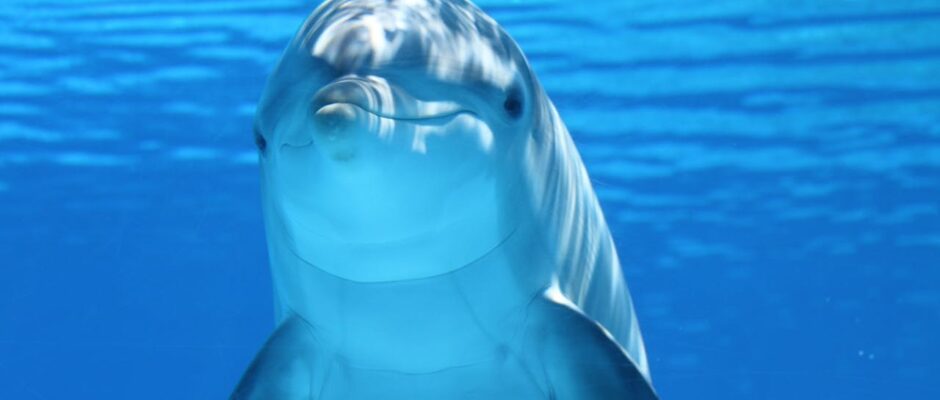
In a startling revelation, a recent report by prominent conservation groups has underscored the alarming failure of 11 nations to adhere to stringent U.S. standards aimed at preventing whale and dolphin bycatch in their fisheries. This grim reality sheds light on the devastating impact of entanglement in fishing gear, resulting in the tragic deaths of hundreds of thousands of marine mammals globally each year. Dianne DuBois, a distinguished staff scientist at the Center for Biological Diversity, emphasizes that some foreign fisheries are woefully lacking in monitoring or preventive measures against marine mammal bycatch. Despite the Marine Mammal Protection Act mandating the U.S. government to ban seafood from nations failing to meet these rigorous standards, the National Marine Fisheries Service has controversially postponed any decision on import bans until 2025. “Our findings reveal that several countries, including Canada, Ecuador, Fiji, France, India, Indonesia, Mexico, Norway, South Africa, South Korea, and the United Kingdom, exhibit deficiencies in monitoring, bycatch limits, and enforcement,” states DuBois. The report advocates for import bans under the Marine Mammal Protection Act, stressing the pivotal role of the vast U.S. seafood market in contributing to the global effort to save marine mammals. Zak Smith, a senior attorney and director of global biodiversity conservation at NRDC, condemns the consequences of allowing imports that fall short of U.S. standards. He warns that prioritizing business as usual over the survival of incredible marine species may deprive future generations of the opportunity to protect invaluable marine life. Critically, the report discloses that many countries lack essential data on marine mammals in their waters and fail to effectively monitor or enforce measures to prevent bycatch. In nations like Mexico and Norway, where imperiled species such as the vaquita and harbor porpoises are at risk, the failure to limit killings poses a severe threat to marine biodiversity. The United States, holding the unenviable title of the world’s largest seafood importer, brings in 70% to 85% of its consumed seafood from around the globe. This equates to over 6 billion pounds of fish, shellfish, and seafood products worth more than $21 billion annually, comprising over 15% of the global value of marine food products in trade. Kate O’Connell, senior policy consultant for the Animal Welfare Institute’s marine life program, highlights the long-standing consumer sentiment in the U.S. against purchasing seafood caught using methods that harm marine mammals. O’Connell stresses the responsibility of the National Marine Fisheries Service to ensure that all commercial fishing operations exporting seafood to the U.S. comply with federal standards. Sarah Dolman, senior ocean campaigner for Environmental Investigation Agency UK, underscores the urgency of addressing the unsustainable bycatch of dolphins, porpoises, and other marine mammals in fisheries worldwide. Dolman stresses that the U.S. law offers a unique opportunity to prevent thousands of these deaths and calls for immediate action, emphasizing that the world cannot afford to wait any longer. The Marine Mammal Protection Act, in effect since 1972, initially overlooked by the National Marine Fisheries Service, now faces a prolonged deadline extension, prompting concerns about the agency’s commitment to safeguarding ocean biodiversity. As the global community grapples with the pressing need for conservation, the role of the U.S. seafood market emerges as a linchpin in driving change and protecting marine life on a planetary scale.

Read More

Market Research: Seafood Export Projections from India to the UK (2024-2030)

Executive Summary: This report analyzes the potential for seafood exports from India to the UK over the period 2024-2030. It identifies key market trends, opportunities, and challenges, providing valuable insights for businesses and stakeholders in both countries. Market Overview: Market Drivers: Current Product Mix: The major types of seafood products exported from India to the UK include: Market Opportunities: Market Challenges: Market Projections: The overall value of Indian seafood exports to the UK is expected to grow at a CAGR of 5-7% during the period 2024-2030. This translates to: Emerging Trends: Key Success Factors: Conclusion: The Indian seafood export market to the UK presents significant growth potential due to rising demand, Brexit-related opportunities, and competitive pricing advantages. However, navigating non-tariff barriers, competition, and logistical challenges will be essential for Indian exporters to capitalize on this market potential. Through strategic planning, quality control, and focused marketing efforts, Indian seafood exporters can gain a strong foothold in the UK market and contribute to the growth of the Indian seafood industry. Methodology: This market research report is based on data collected from various sources, including: Disclaimer: This market research report is intended for informational purposes only and should not be construed as financial advice. The information presented in this report is based on the best available information at the time of publication and may be subject to change without notice.

Read More

Market Research on Value-Added Seafood Exports from India to the US (2020-2025)

Executive Summary: This report explores the current state and future prospects of India’s value-added seafood exports to the US market, covering the period 2020-2025. It analyzes key trends, challenges, and opportunities in this dynamic market, providing valuable insights for stakeholders across the seafood value chain. 1. Market Size and Trends: 2. Product Categories: 3. Competitive Landscape: 4. Future Prospects: 5. Challenges to Overcome: 6. Conclusion: The Indian value-added seafood export industry to the US presents significant opportunities for growth. By leveraging its competitive advantages, addressing challenges effectively, and adapting to market trends, India can establish itself as a leading supplier of high-quality and innovative value-added seafood products to the US market, contributing significantly to economic growth and rural development. 7. Methodology: This market research report is based on data collected from various sources, including: 8. Disclaimer: This market research report is intended for informational purposes only and should not be construed as financial advice. The information presented in this report is based on the best available information at the time of publication and may be subject to change without notice.

Read More

Market Research on Shrimp Exports from India to the US (2020-2025)

Executive Summary: The Indian shrimp export market to the US has witnessed steady growth over the past five years, driven by factors such as rising demand for seafood in the US, competitive pricing of Indian shrimp, and trade agreements between the two countries. This report examines the market trends, challenges, and future prospects for Indian shrimp exports to the US over the period 2020-2025. Market Size and Trends: Competitive Landscape: Challenges: Future Prospects: Methodology: This market research report is based on data collected from various sources, including: Disclaimer: This market research report is intended for informational purposes only and should not be construed as financial advice. The information presented in this report is based on the best available information at the time of publication and may be subject to change without notice.

Read More

Empowering Women in Aquaculture: A Mosaic of Resilience, Enterprise, and Hope

Along India’s vast coastline, where the rhythmic ebb and flow of the tides mirror the cycles of life, a silent revolution is taking place. Women, traditionally relegated to the margins of aquaculture, are now emerging as its backbone, their hands shaping the future of this vital sector. From the sun-drenched shores of Gujarat to the emerald backwaters of Kerala, women are demonstrating their prowess, their resilience, and their unwavering determination to break free from the shackles of gender stereotypes. In the coastal villages of Gujarat, women are reclaiming their rightful place in the aquaculture industry. They are actively involved in all stages of the production process, from seed selection to harvesting and post-harvest handling. Their expertise in traditional aquaculture practices, coupled with their willingness to embrace new technologies, is making them indispensable contributors to the sector’s growth. One such trailblazer is Jignaben Patel, a woman from the coastal village of Veraval. Despite facing initial resistance from her family and community, Jignaben persevered, establishing her own shrimp hatchery. Today, she is a respected figure in the aquaculture sector, providing employment to over 20 women and inspiring countless others to follow in her footsteps. In the bustling fish markets of Kerala, women are transforming the seafood industry. They are not just vendors; they are entrepreneurs, innovators, and custodians of culinary traditions. They are venturing into value addition, preserving and processing seafood to create delectable products that are captivating the taste buds of consumers both within India and abroad. A prime example is Anitha Kuriakose, a woman from the coastal town of Alleppey. Anitha has established a successful seafood processing unit, employing over 30 women from her community. Her innovative approach to value addition has not only enhanced the shelf life of seafood products but has also created new market opportunities for women entrepreneurs. Across India, women are leaving an indelible mark on the aquaculture landscape. They are forming self-help groups, advocating for their rights, and demanding access to resources and training. Their collective voices are echoing a powerful message: women are not just participants in aquaculture; they are its driving force. The impact of women’s empowerment in aquaculture is far-reaching. It is not just about increased productivity and economic gains; it is about social transformation, about challenging gender norms, and about creating a more equitable and inclusive society. Here’s a glimpse into the transformative power of women’s empowerment in aquaculture across India: Gujarat: Over 50% of the workforce in Gujarat’s aquaculture sector is comprised of women. Kerala: Women account for nearly 40% of the aquaculture labor force in Kerala. Odisha: Women’s participation in aquaculture in Odisha has increased by over 20% in the past decade. Andhra Pradesh: The government of Andhra Pradesh has launched several initiatives to promote women’s participation in aquaculture, including providing subsidies and training programs. Tamil Nadu: In Tamil Nadu, women are actively involved in the cultivation of pearl oysters, a lucrative segment of the aquaculture sector. These statistics are not just numbers; they represent the stories of countless women who are breaking barriers, defying expectations, and shaping the future of aquaculture in India. Their journey is a testament to their resilience, their entrepreneurial spirit, and their unwavering determination to create a better future for themselves, their families, and their communities. As India’s aquaculture sector continues to grow, the role of women will only become more prominent. Their contributions are essential for achieving sustainable and inclusive growth in this sector. By empowering women, India can unlock the full potential of aquaculture, ensuring food security, enhancing livelihoods, and fostering economic prosperity for all.

Read More

Odisha to Establish 100 Shrimp Hatcheries, Boosting Shrimp Production and Profitability

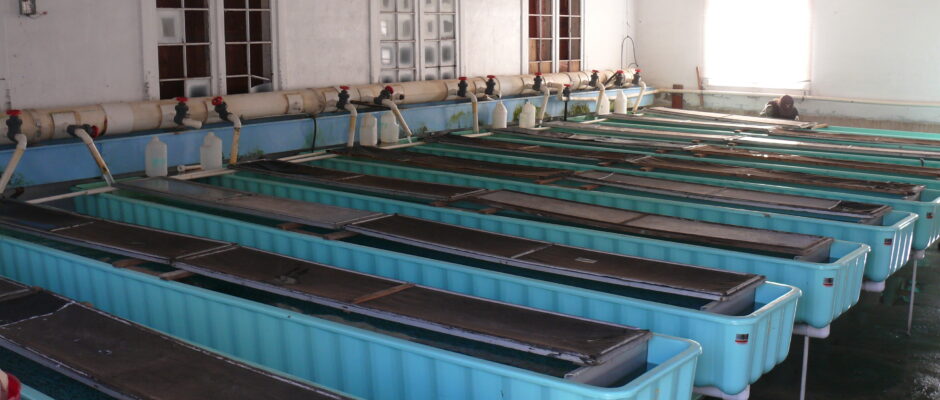
The Odisha government has announced a transformative initiative to establish 100 shrimp hatcheries across the coastal districts of the state. This ambitious plan aims to address the scarcity of shrimp seed, a critical factor in shrimp production, and pave the way for increased production and profitability for shrimp farmers. The decision to set up 100 shrimp hatcheries aligns with the Odisha government’s unwavering commitment to promoting aquaculture as a key driver of economic growth and rural development. Shrimp farming holds immense potential for Odisha, given its extensive coastline, favorable climatic conditions, and abundant water resources. Emphasizing the significance of this initiative, Odisha’s Fisheries and Animal Resources Development Minister, Pratap Jena, stated, “The establishment of 100 shrimp hatcheries will be a watershed moment for the shrimp aquaculture sector in Odisha. It will ensure a steady supply of quality shrimp seed, leading to increased production, better quality shrimp, and enhanced income for shrimp farmers.” The scarcity of shrimp seed has long been a persistent challenge for shrimp farmers in Odisha, often hindering productivity and reducing profits. By establishing hatcheries, the government aims to tackle this issue head-on and provide farmers with access to reliable and high-quality shrimp seed. In a strategic move, the hatcheries will be set up in public-private partnership (PPP) mode, fostering private sector participation and expertise in the aquaculture sector. This approach will leverage the strengths of both the government and the private sector to ensure the success of the initiative. Further demonstrating its commitment to empowering shrimp farmers, the Odisha government is providing various incentives to promote shrimp farming in the state. These incentives include subsidies for seed, feed, and infrastructure development. Additionally, the government is actively working on improving market linkages for shrimp farmers, connecting them to domestic and international markets. The establishment of 100 shrimp hatcheries represents a significant step towards realizing the full potential of the shrimp aquaculture sector in Odisha. With increased production, better quality shrimp, and enhanced income for shrimp farmers, this initiative is poised to transform the lives of coastal communities and contribute substantially to the overall economic growth of the state.

Read More

A Wave of Prosperity: Andhra Pradesh Invests Rs 1,000 Crore in Aquaculture Sector

In a significant move to boost the aquaculture sector and enhance the livelihoods of fisherfolk, the Andhra Pradesh government has announced an investment of Rs 1,000 crore. This substantial allocation aims to transform the state’s aquaculture landscape, leading to increased productivity, improved infrastructure, and enhanced market linkages. The aquaculture sector plays a pivotal role in Andhra Pradesh’s economy, contributing approximately 3% of the state’s Gross Domestic Product (GDP) and providing employment to over 1 million people. The state is renowned for its abundant freshwater and marine resources, making it an ideal destination for aquaculture development. The Rs 1,000 crore investment will be utilized to address various challenges faced by the aquaculture sector, including: 1. Infrastructure Development: The government will focus on establishing modern aquaculture infrastructure, including hatcheries, raceways, and biofloc systems. These advancements will enhance productivity and disease prevention. 2. **Technology Adoption:** The government will promote the adoption of advanced technologies, such as artificial intelligence (AI) and Internet of Things (IoT) sensors, to optimize feed management, monitor water quality, and improve disease detection. 3. Sustainable Practices: The government will emphasize sustainable aquaculture practices, such as integrated farming systems and eco-friendly feed alternatives, to minimize the environmental impact of aquaculture. 4. Market Linkages: The government will strengthen market linkages by establishing aquaculture parks, creating cold chain facilities, and providing access to domestic and international markets. 5. Skill Development and Empowerment: The government will focus on skill development and empowerment of fisherfolk, providing training in advanced aquaculture techniques, business management, and market access strategies. The government’s commitment to the aquaculture sector is evident in its proactive approach, which includes: Establishment of an Aquaculture Mission: The government has established a dedicated Aquaculture Mission to oversee the implementation of the investment plan and ensure its effectiveness. Collaboration with Research Institutions: The government is collaborating with research institutions to develop innovative aquaculture technologies and practices. Community Engagement: The government is actively engaging with fisherfolk communities to understand their needs and aspirations, ensuring that the investment plan aligns with their priorities. The Rs 1,000 crore investment in the aquaculture sector is expected to have a transformative impact on Andhra Pradesh, leading to: Increased Productivity: The adoption of modern aquaculture techniques and infrastructure is expected to significantly boost productivity, leading to higher yields and increased profitability for farmers. Enhanced Livelihoods: The growth of the aquaculture sector will create new employment opportunities and enhance the livelihoods of fisherfolk communities. Economic Growth:The increased productivity and profitability of the aquaculture sector will contribute to the overall economic growth of Andhra Pradesh. Sustainable Development: The emphasis on sustainable aquaculture practices will ensure environmental protection and resource conservation for future generations. The Andhra Pradesh government’s investment in the aquaculture sector is a commendable step towards realizing the immense potential of this sector. With a focus on innovation, technology, and sustainability, Andhra Pradesh is poised to become a leader in aquaculture development, not only in India but also across the globe.

Read More