Seafood Of India

Blog Post

Exploring Sustainable Fisheries and Agriculture: Jack Ma’s New Venture

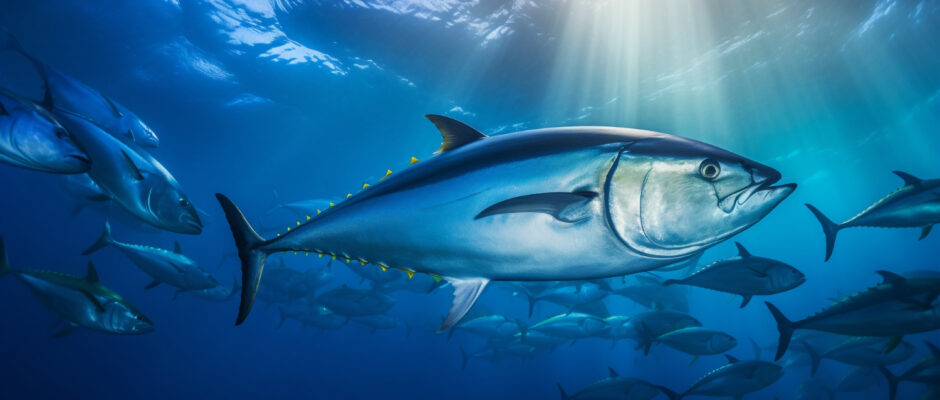
Alibaba founder Jack Ma is diving into the world of sustainable food production with a new investment in the fishery and agriculture sectors. His newly-established start-up, “1.8 Meters Marine Technology (Zhejiang) Co,” is based in Hangzhou, China, and has a registered capital of 110 million yuan (US$15 million). Ma’s venture into sustainable food production comes after a period of relative seclusion following his criticism of China’s regulatory system in 2020. Since then, he has embarked on several international trips to explore sustainable farming practices, including visits to Japan and Thailand to study fisheries and tuna farming. In July 2022, he visited a university in the Netherlands to learn about improving sustainable food production methods. Ma’s interest in sustainable food production is likely driven by the growing global concern about food security and the impact of traditional agriculture on the environment. His new venture could play a role in developing innovative and sustainable solutions to these challenges. Despite a significant drop in his net worth due to the setback caused by the disruption of the world’s largest initial public offering in 2020, Ma remains China’s fifth-richest person, with an estimated net worth of around $30 billion. His investment in sustainable food production signals his continued commitment to innovation and his belief in the potential of technology to address global challenges.

Read More

EU Adopts Revised Rules for a Sustainable Future for Fishery

The Council of the European Union has granted its final approval to revise the EU’s fisheries control regulations. Facing criticisms of the exploitation of small island states and distant waters, this overhaul, encompassing approximately 70% of the existing rules, aims to ensure that both EU and foreign vessels adhere to the Common Fisheries Policy (CFP). Environmental Concerns Based on data from the Food and Agriculture Organization, fish stocks are at risk of collapsing globally due to overexploitation. The EU, identified as the largest harvester of overfished tropical tuna, is facing mounting concerns for its environmentally unsustainable policy. Sustainable Practices When introducing the revision, Luis Planas Puchades, acting Spanish minister for agriculture, fisheries and food, said: “The regulation we adopted will ensure that our fisheries control system stays up to date with the latest developments in technology to ensure we can effectively prevent overfishing.” “This is to the benefit of the environment, and it will ultimately also benefit fishing communities and help ensure the social and economic sustainability of the sector.” Enhanced Regulations Under the new rules, vessel monitoring systems (VMS) and electronic recording of catches will be mandatory for all fishing vessels to ensure compliance with the CFP. Additionally, recreational fisheries targeting specific species will be required to record and report their catches electronically, with the scope of species covered potentially expanding based on scientific recommendations. Remote electronic monitoring tools will be used in the case of larger vessels to ensure that unwanted catches are not being discarded at sea. Sanctions and Traceability Another change is the sanctioning system, establishing a list of serious CFP infringements at the EU level. Member states are mandated to impose effective and proportionate administrative sanctions, with the option of criminal penalties. The new regulations also aim to improve the digital traceability of fresh fishery and aquaculture products, with a five-year transition period for processed products, pending a Commission study on feasible solutions. Improved Catch Estimates To further combat overfishing, the new rules also introduce stricter tolerance margins in catch estimates. The general margin remains at 10% per species, with a 20% allowance for species not exceeding 100 kg. Derogations are planned for small pelagic and industrial fisheries and tropical tuna purse seine fisheries, especially when catches are landed in “listed ports” with specific landing and weighing conditions. Digital Catch Certification System The EU introduced ‘CATCH,’ a digital system for the catch certification scheme targeting illegal, unreported, and unregulated fishing. Non-EU countries will also be able to validate catch certificates directly in the CATCH digital environment, with EU importers also required to submit certificates via this system. Conclusion The EU’s revised fisheries control regulations are a significant step towards ensuring that both EU and foreign vessels adhere to the CFP and that fish stocks are managed sustainably. The new rules will help to prevent overfishing, improve the traceability of fish products, and impose stronger sanctions on those who violate the CFP.

Read More

The Unsung Heroes of the Seas: Celebrating Indian Navy Day and Its Contributions

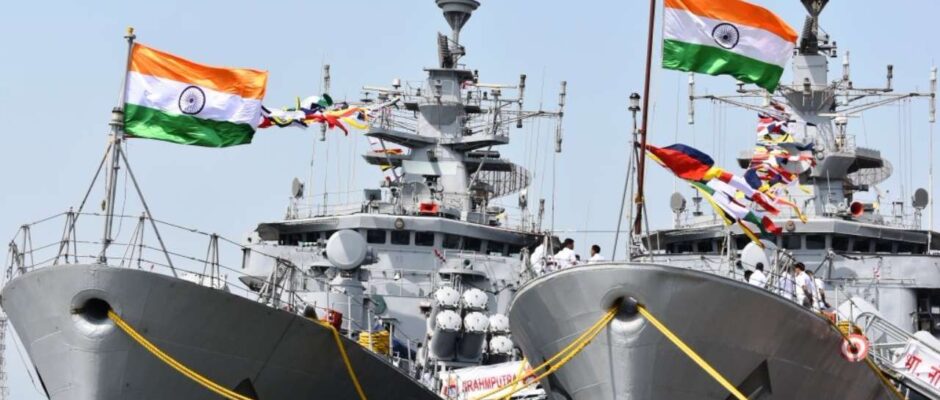
The vast expanse of the Indian Ocean, a lifeline of trade and commerce, is also a haven for marine resources that sustain millions of livelihoods. Amidst these waters, the Indian Navy stands as a guardian, safeguarding the nation’s maritime interests while fostering a thriving seafood industry. Today, on Indian Navy Day, we celebrate their unwavering commitment to our nation’s maritime security and economic prosperity. From its inception, the Indian Navy has played a pivotal role in protecting our coastline, ensuring the safe passage of vessels, and safeguarding our economic interests. Their unwavering vigilance has thwarted numerous threats, from piracy and smuggling to illegal fishing and maritime terrorism. The Navy’s swift and decisive actions during the 1971 Indo-Pakistan War, particularly during Operation Trident, stand as a testament to their courage and strategic prowess. Beyond safeguarding our borders, the Indian Navy has also emerged as a champion of the Indian seafood industry. Their tireless efforts to combat illegal, unreported, and unregulated (IUU) fishing have protected marine biodiversity and ensured sustainable fishing practices. The Navy’s initiatives, such as the establishment of Fisheries Coordination Centers and the deployment of Marine Fisheries Advisory Groups, have empowered fishermen and coastal communities, promoting sustainable fishing practices and enhancing their livelihoods. The Indian Navy’s contribution to the seafood industry extends beyond enforcement and regulation. They have actively engaged in scientific research, conducting oceanographic studies and collecting valuable data on marine resources. This knowledge has informed fisheries management policies, ensuring the long-term sustainability of the industry. As we commemorate Indian Navy Day, let us applaud their unwavering commitment to safeguarding our nation’s maritime interests and fostering a thriving seafood industry. The Indian Navy’s unwavering vigilance and unwavering support have not only protected our coastline but also nourished our nation, ensuring the livelihoods of millions and contributing to our economic prosperity. Their legacy of courage, innovation, and unwavering dedication serves as an inspiration to us all.

Read More

Anti-Dumping and Countervailing Duties: A Looming Threat to Indian Shrimp Exports to the United States

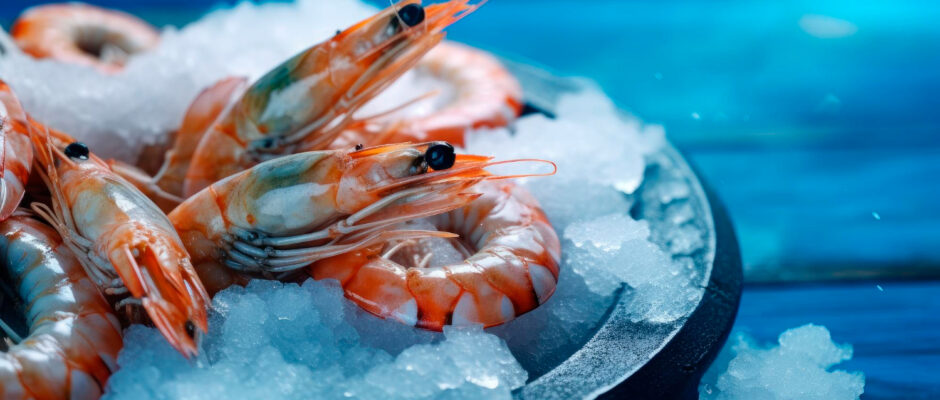
The Indian shrimp industry, a vital sector contributing to the country’s economy, faces a potential storm due to anti-dumping and countervailing duty (CVD) petitions filed against imports of frozen warmwater shrimp from Ecuador, India, Indonesia, and Vietnam. These petitions, filed with the United States Department of Commerce (DOC) and the U.S. International Trade Commission (ITC), allege that the shrimp imports are being sold at less than fair value (dumped) and are causing material injury to the U.S. domestic shrimp industry. The Petitions and Their Implications The American Shrimp Processors Association (ASPA), a trade group representing U.S. shrimp processors, filed the petitions. ASPA claims that the imports of frozen warmwater shrimp from the four countries are being dumped at margins of up to 37.36%. Additionally, ASPA alleges that these imports are causing material injury to the U.S. domestic shrimp industry by depressing prices, reducing sales, and harming profits. If the DOC and ITC find in favor of ASPA’s claims, anti-dumping and CVD duties would be imposed on shrimp imports from the four countries. These duties would significantly increase the cost of Indian shrimp exports to the U.S., making it difficult for Indian exporters to compete in the U.S. market. This could lead to job losses and reduced profits for Indian shrimp companies. Impact on Indian Shrimp Exports The Indian shrimp industry is understandably concerned about the potential impact of these petitions. The U.S. is a major export market for Indian shrimp, accounting for approximately 35% of India’s total shrimp exports. If anti-dumping and CVD duties are imposed, Indian shrimp exports to the U.S. could plummet, severely impacting the Indian shrimp industry. Industry’s Response and Government’s Role The Indian shrimp industry is taking proactive measures to mitigate the potential impact of these petitions. Industry representatives are actively engaging with the DOC and ITC, presenting evidence to counter ASPA’s claims. Additionally, the industry is exploring alternative export markets to reduce its reliance on the U.S. market. The Indian government is also playing a crucial role in supporting the shrimp industry. The government is providing assistance to shrimp exporters to help them comply with the U.S.’s complex trade regulations. Additionally, the government is actively engaging with the U.S. government to address the industry’s concerns. Conclusion The anti-dumping and CVD petitions filed against Indian shrimp exports to the U.S. pose a significant challenge to the Indian shrimp industry. The industry is taking steps to address these challenges, but the potential impact of anti-dumping and CVD duties remains a concern. The Indian government’s continued support will be crucial in helping the industry navigate this complex situation.

Read More

Shrimp: The Protein Powerhouse for Health and Fitness

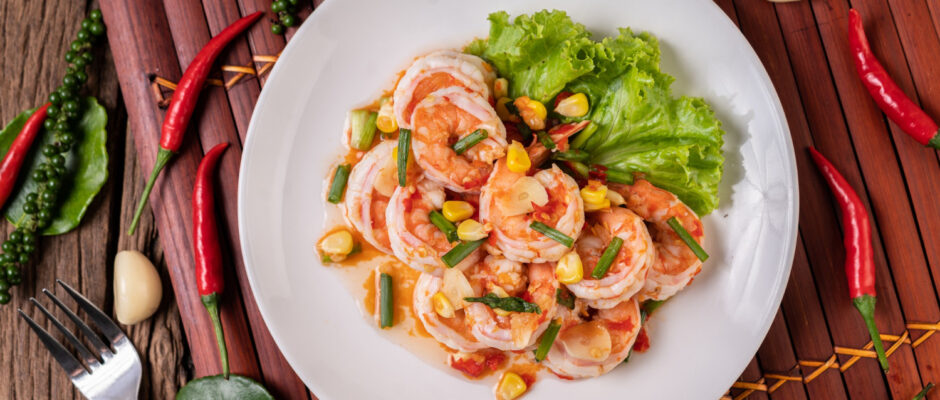
In a world increasingly focused on health and wellness, individuals are constantly seeking nutritious and sustainable food sources to support their overall well-being. Shrimp, a versatile and delectable seafood, emerges as a compelling choice, offering a wealth of nutritional benefits and a unique flavor profile that tantalizes taste buds. Protein-Packed Delicacy Shrimp stands out as a protein powerhouse, delivering a remarkable 24 grams of protein per 100-gram serving. This exceptional protein density makes shrimp an ideal choice for individuals seeking to enhance their protein intake without consuming excessive calories or unhealthy fats. Unlike other protein sources, shrimp offers a lean and clean protein punch, making it a perfect fit for those following low-carb or low-calorie diets. A Symphony of Nutrients Beyond its impressive protein content, shrimp boasts a symphony of essential nutrients that contribute to overall health and well-being. These nutrients include: Sustainability in the Face of Growing Protein Demand As the global population continues to expand, the demand for protein is projected to surge significantly. This demand, coupled with the environmental impact of overfishing, poses a pressing challenge to meet protein needs sustainably. Shrimp cultivation, through responsible aquaculture practices, offers a promising solution to this challenge. Aquaculture, the farming of aquatic organisms, including shrimp, has emerged as a sustainable alternative to overfishing. Shrimp farming, conducted in controlled environments, allows for efficient resource management and reduces the strain on wild marine ecosystems. Technological advancements in aquaculture further enhance its sustainability. These advancements include: India’s Position as a Global Shrimp Producer India stands as a leading producer of farmed shrimp, contributing significantly to the global supply of this nutritious seafood. With over 7 lac tons of shrimp exported annually, India plays a pivotal role in meeting the growing demand for protein worldwide. India’s potential to further enhance its shrimp production and export trajectory is immense. Technological innovations, such as those mentioned above, hold the key to unlocking this potential, enabling India to continue providing nutritious and sustainable shrimp to the world. Conclusion In an era where individuals seek nutritious, healthy, and sustainable food sources, shrimp emerges as an appealing choice. Its impressive protein content, a rich array of essential nutrients, and its cultivation through responsible aquaculture practices make shrimp a compelling addition to a balanced diet. As individuals seek to optimize their health and well-being while contributing to environmental sustainability, shrimp stands as a delicious and nutritious solution.

Read More

China and Japan’s Seafood War A Tale of Trade Bans, Disinformation, and Geopolitical Tensions

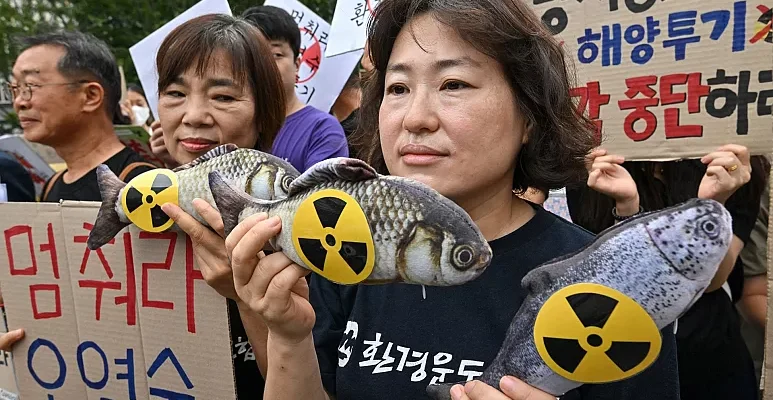
In recent months, China and Japan have been engaged in a heated trade dispute over Japan’s decision to release wastewater contaminated with radioactive tritium from the Fukushima Daiichi nuclear power plant into the Pacific Ocean. The dispute has escalated into a full-blown “seafood war,” with both countries imposing bans on seafood imports from the other. The Origins of the Dispute In March 2011, a massive earthquake and tsunami triggered a nuclear meltdown at the Fukushima Daiichi power plant in Japan. In the aftermath of the disaster, large quantities of radioactive water were released into the Pacific Ocean. The Japanese government has been working to decontaminate the water, but even after treatment, it still contains traces of tritium, a radioactive isotope of hydrogen. In April 2021, Japan announced that it would begin releasing the treated wastewater into the Pacific Ocean. The decision was met with immediate opposition from China, South Korea, and other countries in the region. These countries expressed concerns that the radioactive water could contaminate seafood and pose a risk to human health. China’s Trade Ban In August 2023, China banned all imports of Japanese seafood. The ban was imposed on the basis of the World Trade Organization’s phytosanitary measures rules, with China accusing Japan of treating the sea like its own “personal sewer.” However, many experts believe that the ban is motivated more by political considerations than by environmental concerns. Japan’s Response Japan has condemned China’s trade ban as “unjustified” and “discriminatory.” The Japanese government has also launched a public relations campaign to reassure consumers that Japanese seafood is safe. The Impact of the Dispute The seafood war has had a significant impact on both the Japanese and Chinese fishing industries. In Japan, seafood exports have plummeted by as much as 90%. In China, the ban on Japanese seafood has led to a shortage of seafood and higher prices. The Role of the United States The United States has expressed support for Japan in the seafood war. The US government has said that it believes Japan’s wastewater treatment process is safe and that China’s trade ban is unjustified. The US has also increased its imports of Japanese seafood in an effort to help offset the losses caused by China’s ban. The Future of the Dispute It is unclear how the seafood war will end. Both China and Japan are showing little willingness to back down. The dispute is likely to continue for some time, with both countries using trade sanctions as a tool of coercion. Conclusion The seafood war between China and Japan is a complex and multifaceted issue. It is a story of trade bans, disinformation, and geopolitical tensions. The war has had a significant impact on both countries, and it is likely to continue for some time.

Read More

Wolf Fish: A New Seafood Delicacy Emerging from the Depths

The world of marine aquaculture is poised to welcome a new addition to its ranks – the wolf fish, a species that scientists have identified as having immense potential for culinary consumption. Researchers from the University of Gothenburg in Sweden are diligently working on developing inland breeding and high-protein feeding techniques for wolf fish (Anarhichas lupus), paving the way for its introduction into the global seafood market. Expanding Seafood Culinary Diversity Dr. Ida Hedén, from the Department of Biological and Environmental Sciences at the University of Gothenburg, emphasizes the importance of diversifying the seafood market. She asserts that relying solely on a handful of fish species for consumption is not sustainable, both in terms of market diversity and food security. The wolf fish emerges as a promising candidate to address this challenge. A Culinary Delight The wolf fish is a native inhabitant of the seafloor, inhabiting confined spaces close to the seabed. This natural habitat preference makes it well-suited for aquaculture, as it readily adapts to enclosed environments. Hedén, who also has a culinary background, highlights the wolf fish’s culinary appeal. Its firm, white flesh is a versatile ingredient, lending itself well to grilling and pairing with traditional accompaniments like boiled potatoes and egg sauce. Sustainable Feed Sources from Waste Products Recognizing the wolf fish’s preference for a high-protein diet, Hedén is exploring innovative ways to reduce dependence on fish meal as its primary feed source. She is investigating the potential of extracting shrimp and herring protein from processed water from the fish processing industry. This approach not only promotes sustainability but also offers a circular solution, reintroducing high-protein feed extracts from waste products back into the food production cycle. Addressing Growth Rate Challenges One challenge faced with wolf fish farming is its slower growth rate compared to salmon, a commonly farmed fish species. Undeterred by this, Hedén is actively pursuing the development of faster-growing wolf fish strains. Land-based fish farms, with their controlled environments and tanks on land, present an ideal setting for nurturing these faster-growing strains. This approach also minimizes conflicts with other coastal interests. A Promising Future for Wolf Fish Aquaculture The wolf fish, with its firm flesh, adaptability to inland breeding, and potential for sustainable feed sources, holds immense promise for the future of marine aquaculture. As research and development continue to refine farming techniques and optimize growth rates, the wolf fish is poised to become a culinary delicacy, gracing plates and food counters worldwide. Its introduction will not only expand the diversity of seafood offerings but also contribute to a more sustainable and resilient food system.

Read More

Microalgae: The Next Frontier in Sustainable Aquaculture Feed

In a world grappling with the dual challenges of food security and environmental sustainability, the aquaculture sector faces a crucial crossroads. With the global demand for seafood projected to reach 273 million tonnes by 2030, the industry must find ways to meet this demand while minimizing its environmental footprint. Microalgae, a diverse group of microscopic photosynthetic organisms, have emerged as a promising solution, offering a sustainable and nutritious alternative to conventional fish feed ingredients. Nutritional Powerhouse for Fish Microalgae are nature’s nutritional powerhouses, packed with protein, essential amino acids, fatty acids, vitamins, and minerals. This rich composition makes them an ideal source of nutrition for fish, promoting their growth, health, and immune systems. Studies have consistently demonstrated the benefits of microalgae-based diets, with fish exhibiting faster growth rates, improved feed utilization, and enhanced disease resistance. Sustainable Production with Minimal Environmental Impact Unlike traditional fish feed ingredients, which often rely on overfished wild fish stocks or unsustainable agricultural practices, microalgae offer a truly sustainable solution. They can be cultivated in a variety of environments, including saltwater, freshwater, and even wastewater, requiring minimal land and water resources. Additionally, microalgae production does not contribute to deforestation or water pollution, making it an environmentally friendly feed source. Mitigating Climate Change Through Carbon Sequestration Microalgae play a vital role in mitigating climate change by acting as carbon sinks. They absorb carbon dioxide from the atmosphere through photosynthesis, converting it into valuable biomass. This carbon sequestration capability makes microalgae cultivation a valuable tool for combating climate change while simultaneously producing a sustainable feed ingredient. Addressing the Challenges: Cost, Scale-up, and Technology Despite the compelling advantages of microalgae, there are still challenges that need to be addressed for their widespread adoption in the aquaculture industry. One primary concern is the cost of production. Currently, microalgae production is more expensive than traditional fish feed ingredients. However, as research and development continue, production costs are expected to decline, making microalgae a more economically viable option. Another challenge lies in scaling up microalgae production to meet the global demand for fish feed. This will require significant investment in research and development to optimize cultivation techniques and develop efficient harvesting and processing technologies. Revolutionizing Aquaculture with Microalgae The potential benefits of microalgae as a fish feed ingredient are far-reaching. By embracing microalgae, the aquaculture industry can move towards a more sustainable and nutritious food system, capable of meeting the growing demand for seafood while minimizing its environmental impact. With continued research, investment, and innovation, microalgae have the potential to revolutionize aquaculture, ensuring a brighter future for both food security and environmental sustainability.

Read More

Global Wild-Caught Whitefish Supply to Remain Flat in 2024

The International Groundfish Forum has predicted that the global supply of wild-caught whitefish will remain flat in 2024, with some species seeing gains while others see big drops. The total supply of wild-caught whitefish is expected to be 7.042 million metric tons (MT), down just 1,000 MT from the 7.043 million MT available in 2023. This still represents a higher supply than 2022, when the industry had 6.938 million MT to work with. Alaska Pollock Supply to Increase Alaska pollock, the largest wild-caught whitefish species by volume, will see a big increase in available catch in 2024 compared to 2023. The supply is expected to sit at just under 3.8 million MT, up from the 3.7 million MT available in 2023. The main source of the increase is a bump in Russia’s available supply, from 1.95 million MT in 2023 to 2.05 million MT in 2024. The U.S. and Canada will also enjoy a slight increase in supply. Atlantic Cod Supply to Drop Significantly The third-largest species by volume, Atlantic cod, will bear the largest drop in available supply in 2024. Its available catch will decrease from 921,000 MT in 2023 to just 791,000 MT in 2024, a drop of 130,000 MT, or a 14 percent decrease. Drops in catch in Norway, Russia, and Iceland will result in lower global supply of cod compared to 2022. Other Species The supply of the various hake species will undergo a slight decrease in available volume. In 2023, the supply was 1.114 million MT. This year, the supply will be 1.105 million MT, a decrease of 9,000 MT. The supply of Pacific cod, like Atlantic cod, is also trending downward. The forum predicts there will be 329,000 MT available in 2024, down from 336,000 MT available in 2023. Catches of haddock, the next largest species by volume on the list, are also declining, with 267,000 MT available in 2024, down from 280,000 MT in 2023. Atlantic redfish, the next largest, will increase from 153,000 MT in 2023 to 172,000 MT available in 2024. Hoki, the second-smallest commercial whitefish species in volume terms, will go from 141,000 MT in available volume in 2023 to 157,000 MT in 2024. Southern blue whiting, caught in New Zealand, Argentina, and Chile, will be available in larger volumes year-over-year – from 39,000 MT in 2023 to 43,000 MT in 2024. By region, the North Atlantic region will suffer the biggest decrease in available wild-caught whitefish, dropping from 1.803 million MT in 2023 to 1.685 million MT in 2024. The North Pacific Region will see a bump from 4.301 million MT in 2023 to 4.399 million MT in 2024, with much of the increase coming from the increase in supply of Alaska pollock. Farmed Whitefish Supply The supply of farmed whitefish, meanwhile, is trending up by volume. The supply of pangasius and other catfish in 2024 will be 3.96 million MT, up from 3.87 million MT in 2023, the forum predicted. The increase mainly stems from increased production in Asia, where Vietnam, India, Bangladesh, Indonesia, and China are all predicted to increase their supplies.

Read More

Shaivaa Algaetech Among 10 Finalists in Future of Fish Feed Krill Replacement Challenge

Shaivaa Algaetech, an Indian company, has been selected as one of the 10 finalists in the Future of Fish Feed (F3) krill replacement challenge. The challenge, which aims to develop innovative and sustainable alternatives to krill in aquaculture feed, attracted applications from over 40 companies worldwide. The 10 finalists represent a diverse range of approaches to krill replacement, utilizing ingredients such as single-cell protein, fungus, black soldier flies, amino acid extracts, yeast extracts, and algae. Shaivaa Algaetech, with its focus on algae as a sustainable source of protein and omega-3 fatty acids, stands out among the finalists for its commitment to environmentally friendly aquaculture practices. The finalists will now compete in a 12-week feed trial using Atlantic salmon, a species known for its discerning palate. Their products will be evaluated based on various metrics, including growth, feed consumption, and survival. The winner of the challenge will receive a USD 100,000 prize. The F3 krill replacement challenge is significant for its potential to reduce the reliance on wild-caught krill in aquaculture feed, which has raised concerns about the sustainability of the fishery. By developing viable alternatives, the challenge aims to promote more sustainable aquaculture practices and reduce the environmental impact of the industry. Shaivaa Algaetech’s participation in the challenge reflects India’s growing presence in the aquaculture sector. The company’s success could not only contribute to the development of sustainable aquaculture feed but also position India as a leader in innovation within the industry. The other finalists in the challenge include: The F3 krill replacement challenge is expected to generate valuable insights into the development of sustainable aquaculture feed ingredients. Shaivaa Algaetech’s participation in the challenge is a testament to India’s commitment to sustainable aquaculture practices and its potential to play a leading role in innovation within the industry.

Read More

Kerala govt., ISRO to work closely in ocean studies, fisheries

The Indian Space Research Organisation (ISRO) has signed an agreement with the Kerala government to work closely in ocean studies and fisheries. The agreement will enable researchers to use ISRO’s expertise and methods to explore the depths of the ocean, measure ocean surface temperature, wave height, salinity and sea surges, and discover plankton growth, locate fish schools, and study the impact of El Nino. The agreement will also help to improve the safety of fishermen and the living conditions of the fishing community. ISRO Chairman S. Somanath said that the agreement is a “big challenge” for both organizations, but that he is confident that they can “put together a journey of discoveries.” He said that ISRO has been using satellites and sensors to study the ocean for many years, and that the organization is now “preparing for a groundbreaking journey to explore six-kilometre-deep ocean waters with the ‘Samudrayaan’ mission. This first manned deep ocean mission seeks to study and assess the biodiversity and health of the deep sea.” Fisheries Minister Saji Cherian said that the agreement is a “remarkable achievement” for the Kerala government. He said that the state is “home to a large fishing community” and that the agreement will “help to improve the safety of fishermen and the living conditions of the fishing community.” Governor Arif Mohammed Khan said that the agreement is a “proud moment” for India. He said that “science and technology have helped our nation conquer the skies and the moon, and to set its sight on the depths of the ocean.” He said that the agreement is a “testament to the power of science and technology to bring people together for the common good.” The agreement is a positive development for both ISRO and the Kerala government. It will enable researchers to make new discoveries about the ocean, and it will help to improve the lives of fishermen and their families. In addition to the agreement with the Kerala government, ISRO is also working with other organizations to study the ocean. For example, ISRO is working with the National Institute of Oceanography to develop a new type of satellite that will be able to measure ocean salinity with greater accuracy. ISRO is a leading global player in space research. The organization has a long history of making important discoveries about the Earth and the solar system. The agreement with the Kerala government is just one example of ISRO’s commitment to using its expertise to benefit humanity.

Read More

Fish Pond Management During Winter Months

Winter months (November – January) can be a challenging time for fish farmers. The water level declines, the temperature drops, and the fish become more susceptible to diseases. However, with proper management, fish farmers can maintain healthy fish populations and ensure a good harvest at the end of the season. Maintaining Water Quality It is essential to maintain water quality parameters such as dissolved oxygen, pH, temperature, alkalinity, and hardness within the optimum range. This can be achieved by checking the soil and water pH and applying lime accordingly, removing bottom debris, preventing aquatic plant growth, discouraging animal entry or bathing in the pond, avoiding washing utensils and clothes in the pond, maintaining the recommended stocking density, providing supplementary feed to the fish daily, and periodically checking the health status of the fish. Preventing Diseases Fish are more susceptible to diseases during winter months due to the reduced water temperature. To prevent diseases, it is important to maintain good water quality, avoid overstocking, and provide supplementary feed. If diseases do occur, isolate affected fish and treat them with potassium permanganate solution. Aeration and Partial Harvesting In winter months, the length of day and intensity of light decrease, which can lead to reduced oxygen levels in ponds due to decreased photosynthetic activity. To ensure adequate oxygen levels, farmers should aerate their ponds by adding fresh water or using aerators, especially during early hours of the day. Since the water level declines in winter months, it is advisable to partially harvest some of the fish (weighing 700 g and above) to reduce the density. This will allow the remaining fish to grow better. Monthly Management Measures In December, check the water quality, fish growth and health status, apply lime, apply manure and fertilizers if necessary, feed the fish daily, and observe their swimming behavior. If any signs of stress or disease are observed, stop feeding, liming, and manuring, and consult an expert. In January, harvest the entire fish population or partially harvest the bigger size fish to make room for smaller fish to grow. Continue with the management measures taken in December. By following these management practices, fish farmers can ensure the health and productivity of their fish ponds during winter months, leading to a successful harvest at the end of the season.

Read More

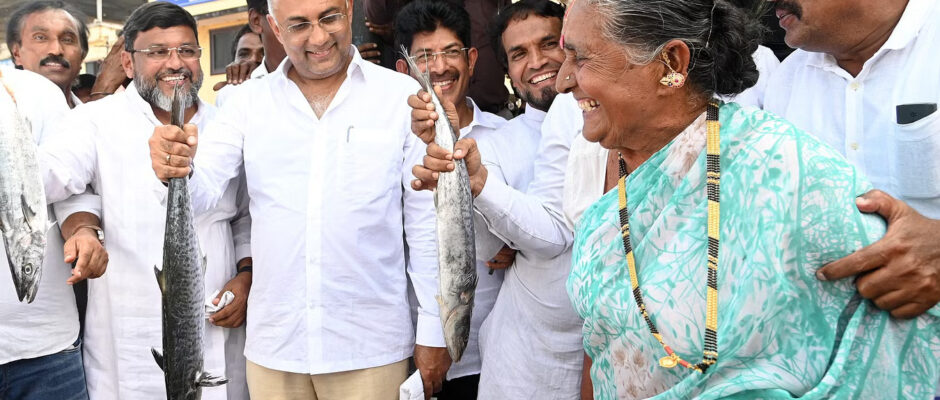
Fisheries Harbour in Mangaluru to Undergo Third Phase of Development

The fisheries harbour in Mangaluru is set to undergo a third phase of development, with tenders for the work expected to be floated by the end of December. The Karnataka state cabinet has approved Rs 49 crore for the project, which will include the construction of a new auction area, multilevel storage facilities, and sewage and effluent treatment plants. District-in-charge Minister Dinesh Gundu Rao emphasized the need for a master plan for the development of the fisheries port, to ensure that future development works are well-coordinated. He also directed the contractor responsible for the project to ensure that the harbour is kept clean. Dredging work at the harbour is currently underway at a cost of Rs 3.9 crore. An additional Rs 29 crore will be spent on dredging the estuary, which will increase the depth from four metres to seven metres. This will allow larger vessels to dock at the harbour. The first and second phases of the fisheries harbour development project were approved by the central government at a cost of Rs 37.5 crore. These phases included the reconstruction of the collapsed jetty and the development of a new auction area. Trawl boat Meenugarara Sangha President Chethan Bengre has called for the establishment of a fire station and a sea ambulance at the fisheries harbour. He also noted that the lack of cleanliness at the harbour is deterring exporters from buying fish, resulting in lower prices for fishermen. The development of the fisheries harbour is expected to boost the fishing industry in Mangaluru and provide better facilities for fishermen. The project will also create new employment opportunities in the region.

Read More

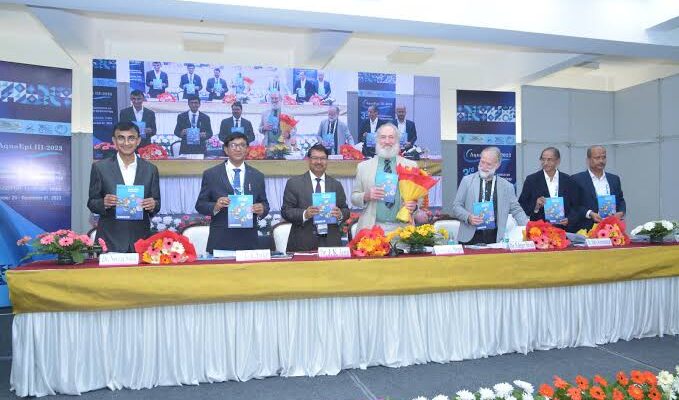
3rd International Conference on Aquatic Animal Epidemiology Concludes in Lucknow, India

The 3rd International Conference on Aquatic Animal Epidemiology (AquaEpi III), organized by the International Society of Aquatic Animal Epidemiology (ISAAE), concluded recently in Lucknow, India. This triennial event served as a vital platform for researchers, industry professionals, and stakeholders to exchange knowledge, network, and form productive collaborations in the field of aquatic animal epidemiology. Building upon the success of previous conferences held in Oslo, Norway (2016) and Hua Hin, Thailand (2019), AquaEpi III focused on critical issues affecting the sustainable development of the aquaculture sector. The event explored diverse themes, including: Epidemiology of finfish and shellfish diseases: Experts discussed the latest research on emerging and re-emerging diseases impacting fish and shellfish populations, contributing to improved disease management strategies. Molecular epidemiology and applications in source tracking: Participants explored cutting-edge molecular techniques utilized for disease surveillance, tracing outbreaks to their origin, and implementing targeted control measures. Surveillance and reporting: The conference highlighted advancements in surveillance systems and data collection methods, enabling the early detection and rapid response to disease outbreaks. AquaEpi III provided a valuable platform for knowledge sharing, fostering collaboration, and building a strong network of stakeholders dedicated to the advancement of aquatic animal health. The insights and connections established at the conference are expected to contribute significantly to the sustainable development of the aquaculture sector globally. Key Takeaways from AquaEpi III: Emergence of new diseases and antimicrobial resistance: The conference highlighted the growing threat of new and emerging diseases, coupled with the increasing challenge of antimicrobial resistance in aquatic animals. Importance of surveillance and data analysis: Robust surveillance systems and efficient data analysis were identified as crucial for early detection and effective control of disease outbreaks. Adoption of cutting-edge technologies: The need to embrace advanced technologies, such as molecular diagnostics and sensor technology, was emphasized for improving disease surveillance and monitoring. Collaboration and international cooperation: The conference stressed the importance of collaborative efforts and international cooperation in research, training, and capacity building to address global aquatic animal health challenges. AquaEpi III concluded with a renewed commitment to advancing aquatic animal health and promoting sustainable aquaculture practices. The conference outcomes are expected to guide research priorities, inform policy decisions, and ultimately contribute to the long-term prosperity of the sector.

Read More

GSF Report Empowers Shrimp Industry: Insights for Boosting Consumption

In April 2023, the Global Shrimp Forum (GSF) revealed its strategic decision to utilize surplus funds from its inaugural event for a purposeful initiative. These funds were dedicated to commissioning a comprehensive study aimed at researching and understanding effective strategies to promote increased consumption of shrimp. Arnd Jan Gulmans, an Independent Marketing and Brand Consultant, undertook the responsibility of crafting the report over the past six months. Leveraging his expertise, Gulmans conducted extensive interviews with industry experts and leaders, immersing himself in the intricacies of the shrimp sector. Presenting his findings at the 2023 Global Shrimp Forum, Gulmans also engaged with numerous GSF attendees, enriching the study with diverse perspectives from within the industry.The report’s overarching goal is to empower the shrimp industry, providing valuable insights to shape its narrative and highlighting the long-term benefits associated with effective shrimp promotion. Gulmans aims to shed light on the industry’s robust position and the strategic advantages it possesses. For those eager to delve into the research findings, the Global Shrimp Forum offers a free download of the report. This initiative aligns with GSF’s commitment to fostering knowledge and collaboration within the shrimp community. Stakeholders, industry professionals, and enthusiasts alike can access the report to gain a nuanced understanding of the opportunities and challenges in promoting increased shrimp consumption. To access this valuable resource, download the FREE report below:

Read More