Seafood Of India

Blog Post

Mangaluru Startup’s SalmoRid: A Bite-Sized Step Towards Sustainable Food

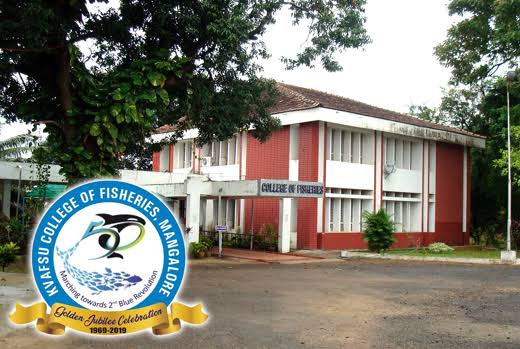
Combating Food Spoilage with Phages: Startup Launches SalmoRid, a Revolutionary Food Processing Aid In the constant battle against food spoilage, a Mangaluru-based startup has developed a revolutionary weapon: SalmoRid, a phage-based food processing aid. This innovative product harnesses the power of naturally occurring viruses, called phages, to selectively target and eliminate harmful bacteria, extending the shelf life of seafood and potentially other perishable goods. SalmoRid’s story began at the Advanced Biotech Innovation Centre for Aquamarine (ABIC-AM) of the College of Fisheries in Mangaluru. Driven by the need for effective and safe alternatives to chemical preservatives, researchers at ABIC-AM embarked on a journey to explore the potential of phages. Their efforts culminated in the development of SalmoRid, a product specifically designed to tackle bacteria that threaten the freshness and safety of seafood. The magic of SalmoRid lies in its targeted approach. Unlike broad-spectrum antibiotics, which indiscriminately kill both beneficial and harmful bacteria, phages are highly selective. They zero in on specific bacterial strains, leaving the good guys untouched. This targeted action not only ensures the effectiveness of SalmoRid in eliminating spoilage bacteria but also minimizes the risk of disrupting the natural microbial balance in food. For the seafood industry, SalmoRid presents a game-changer. By extending the shelf life of fish and other seafood products, it can reduce waste, optimize logistics, and ultimately enhance food security. The product’s potential extends beyond the realm of seafood, as its ability to target specific bacteria holds promise for applications in other food sectors as well. The launch of SalmoRid was met with great enthusiasm from the College of Fisheries community and industry experts alike. Applauding its innovation and potential impact, Dr. Anjaneyappa, Dean of the College of Fisheries, highlighted its significance as a testament to the institution’s commitment to fostering cutting-edge research and entrepreneurial spirit. SalmoRid’s arrival marks a significant step forward in the fight against food spoilage. Its phage-based technology offers a safe, sustainable, and effective alternative to traditional preservatives, paving the way for a future where food waste is minimized and the bounty of the sea reaches more plates.

Read More

A Net Cast for a Sustainable Future: Report Explores Energy Transition Challenges and Opportunities for Developing Countries’ Fishing Fleets

A new report published today sheds light on the complex challenges and promising opportunities associated with transitioning fishing vessels in developing countries towards renewable energy. Titled “Energy transition of fishing fleets: Opportunities and challenges for developing countries,” the study delves into the intersection of climate change, CO2 emissions, and fishing fleets, highlighting the sector’s significant contribution to greenhouse gas emissions while emphasizing its vital role in food security, jobs, and livelihoods. Conducting an in-depth analysis of emissions data and commitments outlined in Nationally Determined Contributions (NDCs) under the Paris Agreement, the report underlines the crucial link between climate change and fishing fleet operations. It further examines the evolving regulatory frameworks governing emissions, fuels utilized, and fisheries subsidies under the International Maritime Organization (IMO) and World Trade Organization (WTO), providing a roadmap of the current international landscape. Case studies within the report showcase how countries and regions are already taking steps towards energy efficiency and decarbonization within their fishing sectors. These initiatives offer valuable insights and potential models for replication in other developing nations. Additionally, the report explores a range of commercially available and R&D-stage technologies that can enable the transition, assessing their implications and adaptability for diverse fishing practices and environments. Recognizing the limitations of focusing solely on fishing vessels, the report acknowledges the need for a broader analysis encompassing the entire fisheries value chain, sustainable fisheries management, and ecosystem health. This lays the groundwork for future research endeavors aimed at achieving a more holistic understanding of the transition’s impact and potential. The report concludes with a set of key recommendations for fostering a just energy transition in developing countries’ fishing sectors. These recommendations emphasize economic support mechanisms, technological innovation, capacity building initiatives, policy alignment across relevant sectors, and a commitment to social justice to ensure equitable distribution of benefits. The full report, available for download, provides a comprehensive resource for policymakers, researchers, NGOs, and fishing communities seeking to navigate the complexities of this transition. By collaborating, fostering innovation, and prioritizing sustainable solutions, we can collectively pave the way for a healthier and more prosperous future for both the fisheries sector and the planet as a whole.

Read More

Pacific Tuna Fisheries Score Sustainable Wins at WCPFC Meeting, But WWF Calls for More Action

The Western and Central Pacific Fisheries Commission (WCPFC) wrapped up its 20th meeting with a glimmer of hope for the future of Pacific tuna. After marathon negotiations, members agreed on four key measures to improve sustainability: Target reference point for south Pacific albacore: This sets a clear benchmark for managing the species, ensuring it doesn’t face overfishing. Pan-Pacific harvest strategy for north Pacific albacore: This coordinated approach will help ensure the long-term health of this migratory species. Increased longline observer coverage: Finally, longline fisheries, known for their lack of transparency, will face greater scrutiny with increased observer presence. Strengthened skipjack tuna management: A new link between existing tropical tuna management and skipjack-specific measures will provide better oversight for this vital species. WWF, a long-time advocate for sustainable tuna fisheries, welcomes these steps but warns that the work is far from over. “While we applaud these measures, we must remember that the fight for sustainable Pacific tuna is far from over,” said a WWF spokesperson. The environmental organization emphasizes the need for further action, calling for: Enhanced monitoring and scientific observation: WWF urges the WCPFC to embrace electronic tools for better data collection and transparency, particularly in the under-monitored tropical and southern longline fisheries. Tackling urgent conservation challenges: WWF highlights the need for measures like fish aggregating device (FAD) tracking and retrieval, addressing seabird bycatch, and protecting endangered sharks. Finalizing labor standards: Ensuring fair and safe working conditions for fishers is crucial for ethical and sustainable fisheries practices. WWF acknowledges the complexity of managing these fisheries, but stresses the urgency of action. “Time is running out for the iconic biodiversity of the Pacific,” said the spokesperson. “The WCPFC must continue to make progress, and WWF will be there to push for further improvements.”

Read More

Bridging Oceans, Sharing Solutions: African-Asian Collaboration for Sustainable Fisheries

Across the coasts of Africa and Asia, a shared challenge unites nations: the need for sustainable fisheries and aquaculture practices. Recognizing this common thread, the African-Asian Rural Development Organisation (AARDO) has brought together officials and researchers from eight member countries for a crucial 10-day workshop-cum-training program at the ICAR-Central Marine Fisheries Research Institute (CMFRI) at Kochi, Kerala, India. The workshop’s focus is clear: to foster collaboration and equip nations with the tools and knowledge to navigate the complex challenges facing their fisheries sectors. From the trans-boundary nature of marine resources to the ever-present threat of climate change, these countries require a unified front to ensure the health of their oceans and the livelihoods of their fishermen. As Rami Mahmoud Abdel Halim Qtaishat, Assistant Secretary-General of AARDO, aptly stated, “Balancing exploitation and utilization of marine resources is critical for the health of the ocean and the sustainability of the food production system.” This workshop serves as a platform to share best practices, technological advancements, and innovative approaches to sustainable fisheries management. The program’s agenda is ambitious, delving into key areas like fisheries management, fish stock estimation, responsible fisheries practices, and climate change mitigation. Participants from Oman, Egypt, Ghana, Namibia, Nigeria, Zambia, Malaysia, and Bangladesh will gain hands-on training in areas like cage farming, seaweed farming, fish breeding, and value addition technologies. The significance of this collaboration extends beyond the immediate benefits of knowledge sharing. As Khushnood Ali, Head of the Research Division and Programme Coordinator of AARDO, pointed out, “Establishing a resilient and sustainable food system is necessary for eradicating hunger, addressing rural poverty, and for inclusive growth.” By bridging the technological divide and fostering cooperation, African-Asian nations can unlock the true potential of their fisheries sectors, ensuring food security and economic prosperity for generations to come. This workshop is not just about tackling technical challenges; it’s about building a community of nations united by a shared vision. By working together, African-Asian countries can chart a course towards a future where their oceans thrive, their fishermen prosper, and the bounty of the sea is enjoyed sustainably for years to come.

Read More

Dive into Sustainability: 5 Ways Restaurants Can Champion Ocean-Friendly Seafood

Seafood is a culinary cornerstone, beloved for its taste, versatility, and nutritional value. However, unsustainable fishing practices pose a growing threat to our oceans, jeopardizing marine ecosystems and the livelihoods of fishing communities. Restaurants, as influential actors in the food chain, have a unique opportunity to champion sustainable seafood and pave the way for a healthier future. Here are five key actions restaurants can take to make their seafood offerings ocean-friendly: 1. Embrace the Ocean’s Bounty: Diverse and Seasonal Seafood Move beyond the “usual suspects”: While popular choices like tuna, salmon, and shrimp drive the market, they often face overfishing pressures. Restaurants can explore a wider array of underutilized species like sardines, mackerel, and squid. These are often just as delicious, more affordable, and more abundant, helping to relieve pressure on overfished populations. Embrace the seasons: Opting for seafood that is in season guarantees optimal taste, freshness, and sustainability. Seasonal fishing allows populations to replenish naturally, contributing to long-term stability. Partnering with local fishermen and fishmongers can ensure access to seasonal seafood, showcasing the diverse flavors of the region. 2. Partner with Sustainable Champions: Choosing the Right Suppliers Seek certifications: Look for seafood bearing certifications like the Marine Stewardship Council (MSC) and Aquaculture Stewardship Council (ASC). These certifications guarantee that the seafood has been sourced through responsible and sustainable practices, ensuring that your choices support healthy oceans. Trace the source: Building relationships with local fishermen and fishmongers allows you to understand the origin and sustainability practices behind your seafood. This transparency fosters trust and accountability, ensuring you contribute to a truly sustainable seafood chain. 3. Educate and Empower Diners: Transparency and Innovation Label clearly and transparently: Providing detailed information about the seafood on the menu, including its species, origin, and fishing method, empowers diners to make informed choices. This transparency fosters trust and encourages diners to prioritize sustainable options. Highlight sustainability efforts: Restaurants can showcase their commitment to sustainable seafood through creative menu descriptions, educational materials, and even collaborating with local environmental organizations. By raising awareness and engaging with customers, restaurants can inspire informed choices and create a ripple effect that promotes sustainability throughout the industry. 4. Minimize Waste: Embrace Creativity and Responsible Practices Embrace the whole catch: Utilizing the entire fish, not just the prime cuts, minimizes waste and maximizes value. Restaurants can get creative by offering dishes that incorporate less commonly used parts of the fish, like heads, collars, and bones. Adopt innovative solutions: Consider technologies like flash freezing and vacuum sealing to prolong the shelf life of seafood, minimizing food waste. Additionally, composting food scraps can further reduce waste and contribute to sustainable practices. 5. Build a Sustainable Future: Engaging with the Community Support local fisheries and communities: By sourcing seafood directly from local fishermen, restaurants contribute to the economic well-being of their community and support sustainable fishing practices. Advocate for change: Restaurants can use their voice to advocate for stronger policies and regulations that support sustainable fishing practices and protect marine ecosystems. This includes participating in industry dialogues and supporting organizations working towards a sustainable seafood future. By taking these five steps, restaurants can become powerful allies in the fight for healthy oceans. Their choices can have a significant impact on the future of our marine ecosystems and the communities that depend on them. By embracing diversity, sourcing responsibly, minimizing waste, and engaging with the community, restaurants can champion sustainable seafood and ensure a delicious and healthy marine bounty for generations to come.

Read More

West Bengal Takes a Bite Out of Seafood Exports with New Fish Testing Lab

In a move to ensure the quality and safety of its seafood exports, the West Bengal government has inaugurated a new state-of-the-art fish testing laboratory at Junput in East Midnapore district. This facility, equipped with advanced equipment and expertise, will help mitigate the problem of export rejections due to pollution concerns. The new lab comes in response to a recent trend of exported prawn consignments from West Bengal being rejected by foreign countries due to suspected contamination. The facility will play a vital role in ensuring that exported seafood meets international standards, thereby protecting the state’s reputation as a reliable and trustworthy supplier. As per figures from the Marine Products Export Development Authority (MPEDA), West Bengal exported 105,080 tonnes of frozen shrimp worth Rs. 5827.61 crore in 2021-22. The total value of marine products exported during the same period amounted to Rs. 6183.09 crore, showcasing the significant contribution of the seafood industry to the state’s economy. The inauguration of the Junput laboratory signifies a crucial step by the West Bengal government to address quality concerns and support the growth of the seafood export sector. By facilitating timely and accurate testing, the lab will not only enhance the competitiveness of West Bengal’s seafood exports but also contribute to the overall development of the industry, benefiting both exporters and fishermen alike.

Read More

Battling the Silent Threat: Drowning Prevention in the Fishing Industry

A Shadow Over a Vital Profession: The commercial fishing industry, despite its vital role in feeding the world, casts a long shadow over safety. Every year, hundreds of fishers succumb to injuries, while over 80 tragically lose their lives. Among these fatalities, drowning reigns supreme, leaving families heartbroken and communities devastated. The impact is particularly stark within the small-scale fishing sector, where thousands of lives are lost annually, often due to preventable causes. Drowning: A Multifaceted Problem Falling overboard, capsized vessels, and entanglement in fishing gear stand as the grim reaper’s instruments, claiming the lives of countless fishers. This harsh reality compels the Food and Agriculture Organization (FAO) to take decisive action, leading the charge in promoting fishing safety through a comprehensive and multifaceted approach. Building a Culture of Safety: Empowering fishers to navigate dangers and operate safely is a cornerstone of FAO’s strategy. This is achieved through: 1. Capacity Development: Providing rigorous training programs and workshops equips fishers with the knowledge and skills necessary to make informed decisions and handle challenging situations at sea. 2. Standardized Practices: Establishing clear codes of conduct and regulations for safe fishing practices ensures consistent adherence to best practices, minimizing risks and creating a safer environment for everyone involved. 3. Safety Above All: Implementing and enforcing stringent regulations that prioritize safe vessel construction, mandatory equipment requirements, and robust operational protocols create a framework for safety, ensuring fishers have the tools and resources they need to stay safe. 4. Equipping for Survival: Promoting the widespread use of personal flotation devices (PFDs) and other essential safety equipment provides crucial protection in life-threatening situations, potentially turning the tide in the face of danger. 5. Building Safer Vessels: Designing and constructing vessels with enhanced stability, robust emergency response capabilities, and proper maintenance procedures minimizes risks and improves safety at sea, giving fishers a stronger footing against the unpredictable nature of their work. 6. Managing the Unexpected: Providing access to fisheries insurance solutions offers financial protection to fishers and their families in the event of accidents or fatalities, mitigating the economic impact of these unforeseen events. Tackling the Challenges: Small-scale fishers often face unique challenges that exacerbate their vulnerability to drowning. The lack of readily available safety equipment, including life jackets, and limited access to reliable communication and emergency messaging technology hinders their ability to respond effectively in emergency situations. To address these specific challenges, FAO collaborates with governments to develop and implement “train-the-trainer” courses on safety at sea, specifically tailored for the needs of small-scale fisheries. These programs, successfully implemented in the Caribbean, Pacific Islands, East Africa, and the Near East and Central Asia, are planned for expansion to Sri Lanka and the Philippines, ensuring a wider reach and greater impact. Global Collaboration: Recognizing the multifaceted nature of drowning and its devastating impact on the fishing industry, WHO and FAO have joined forces to raise awareness and implement effective prevention strategies. Dr. David Meddings, Technical Lead for Drowning Prevention at WHO, emphasizes, “Drowning transcends borders and sectors. Ensuring the safety of fishers is a crucial step in our global fight against this preventable tragedy.” Furthermore, partnerships with ILO, IMO, and other international and regional organizations strengthen the global movement towards safer fishing practices and decent work for all fishers, creating a formidable force for positive change. Moving Forward: Through its dedicated efforts and ongoing collaborations, FAO continues to lead the charge in promoting safety and improving working conditions within the fishing industry. By prioritizing safety education, implementing essential regulations, and fostering a culture of responsibility, we can strive towards a future where no fisher loses their life at sea. This requires collective action and unwavering commitment from all stakeholders, but together, we can turn the tide and ensure that the fishing industry thrives while protecting the invaluable lives of those who dedicate themselves to feeding the world. Let us make the future of fishing a future free from the silent threat of drowning.


Read More

Rs 310 Crore Boost for Goa’s Fisheries Sector: Centre Earmarks Funds for Modernization and Expansion

In a major boost to the fisheries sector in Goa, the Union Ministry of Fisheries, Animal Husbandry and Dairying has earmarked Rs 310 crore under the Pradhan Mantri Matsya Sampada Yojana (PMMSY). This significant investment, with a central contribution of Rs 120 crore, aims to modernize and expand the state’s fisheries infrastructure, enhance productivity, and improve the lives of fishermen. Responding to MP Sadanand Shet Tanavade’s queries in the Rajya Sabha, the Ministry outlined a comprehensive strategy for Goa’s fisheries development. This includes: Support for traditional fishermen: The initiative will provide vital assistance to traditional fishermen through access to communication/tracking devices, sea safety kits, insurance coverage, and alternative livelihood opportunities. Modernization and technology adoption: Funding will support the construction of new ponds, installation of fish cages, promotion of ornamental fisheries, and establishment of fish feed mills, all of which will utilize cutting-edge technology to increase productivity and income generation. Deep-sea fishing: The scheme aims to bolster deep-sea fishing capabilities by facilitating the acquisition of new vessels, enhancing the reach and catch of fishermen. Skills development and training: Comprehensive training programs will be implemented to equip fishermen with the knowledge and skills necessary to operate modern equipment, adopt sustainable fishing practices, and enhance their overall efficiency. Goa, with its existing fish productivity of 3-4 tonnes/hectare, has already witnessed significant progress under PMMSY. Over the past three years, the state has received approvals totaling Rs 107.9 crore for various developmental projects. This investment has supported diverse initiatives, ranging from pond construction to the promotion of high-income generating activities like ornamental fisheries. The additional Rs 310 crore injection is expected to further accelerate Goa’s fisheries growth, fostering a vibrant and sustainable sector that benefits both fishermen and consumers alike. The modernization efforts, coupled with skill development and technology adoption, will empower fishermen to improve their livelihoods and contribute significantly to the state’s economic development.

Read More

Oman-India Fisheries Collaboration Explored in Successful Forum

In a one-day event organized by the Oman Chapter of the Indo-Gulf Middle East Chamber of Commerce (INMECC) in collaboration with the Foreign Investment Committee (FIC) under the Oman Chamber of Commerce and Industry (OCCI), on Sunday ( 10th December 2023), experts from Oman and India gathered to discuss challenges and opportunities in the Oman Fisheries Sector. Keynote speakers, including Faisal al Rawas, Chairman of OCCI, Amit Narang, Ambassador of India to Oman, and Abdul Latheef, Chairman of OCCI Foreign Investment Committee, addressed the significance of enhancing cooperation in the fisheries sector. The event also featured presentations by industry leaders such as Mohammed Hanish, IAS, and Jeevan M D, providing insights into topics like ‘Muscat water metro – A tourist’s perspective’ and ‘Challenges and Opportunities in the Oman Fisheries.’ Invest Oman’s team delivered a comprehensive presentation, followed by a panel discussion on ‘Opportunities and challenges in the fisheries sector.’ Moderated by Dr V M A Hakim, the panel included Mohamed Ameen, Warith al Kharusi, Dr Sherimon, Mohamed al Lawati, Eng Redha Bait Faraj, and representatives from Fisheries and wealth experts from the Ministry of Agriculture, Fisheries, and Water Resources. The successful event marked a milestone in fostering collaboration, enriching the fisheries’ wealth, and strengthening bilateral relations between Oman and India.

Read More

Trans American Aquaculture Secures Preferred Supplier Status for Shrimp Broodstock in India

Trans American Aquaculture (TAA), a trailblazer in shrimp genetics, is thrilled to announce its official recognition as the preferred broodstock supplier for India’s burgeoning shrimp aquaculture industry. This esteemed accreditation is a testament to TAA’s steadfast commitment to innovation, quality, and sustainable practices in shrimp genetics. Renowned for its history of excellence and cutting-edge research, TAA stands at the forefront of the global shrimp genetics market. The approval as a preferred broodstock supplier for India signifies a significant achievement for the company, highlighting its dedication to bolstering the growth and progress of the aquaculture sector in the region. TAA operates a state-of-the-art broodstock center at its Texas facilities, exclusively focused on shrimp genetics, research, and development. Utilizing advanced technologies and a team of expert geneticists, the company consistently delivers superior broodstock, enhancing the overall health, productivity, and disease resistance of shrimp populations. “We are honored and thrilled to be recognized as a preferred broodstock supplier for the dynamic aquaculture industry in India,” said Adam Thomas, CEO of TAA. “This approval underscores our commitment to advancing the field of shrimp genetics and contributing to the sustainable growth of aquaculture in the region. We look forward to collaborating with our Indian partners to elevate shrimp farming practices and contribute to the overall success of the industry.” In this role as a preferred broodstock supplier, TAA is well-positioned to offer Indian aquaculture businesses access to superior genetics, optimizing production efficiency, increasing yield, and ensuring the long-term viability of shrimp farming operations. For further details about Trans American Aquaculture and its sustainable aquaculture practices, please visit [www.transamaqua.com](http://www.transamaqua.com). Stay updated on their progress and updates on Twitter [@TransAmAqua](https://twitter.com/TransAmAqua). About Trans American Aquaculture:Trans American Aquaculture (OTC PINK: GRPS) is a leading sustainable aquaculture company committed to meeting the increasing global demand for responsibly sourced seafood. With advanced technology, state-of-the-art facilities, and a dedication to environmental sustainability, the company is revolutionizing the shrimp farming industry. Trans American Aquaculture strives to provide high-quality, eco-friendly shrimp to consumers while maintaining the highest standards of transparency and ethical practices. SOURCE: Trans American Aquaculture

Read More

International Workshop on Fisheries Management and Aquaculture to Commence at CMFI, Kochi

In a bid to enhance fisheries management and aquaculture practices, an international workshop-cum-training session is set to kick off at the Central Marine Fisheries Research Institute (CMFRI) in Kochi. The event, organized for 10 officials hailing from eight-member countries of the African-Asian Rural Development Organisation (AARDO), is scheduled to begin on Monday, December 11, 2023. Rami Mahmoud Abdel Halim Qtaishat, the Assistant Secretary General of AARDO, will inaugurate the workshop at 10 am on Monday. The collaborative initiative is a result of the partnership between the Ministry of Rural Development and AARDO, headquartered in New Delhi. The workshop aims to foster international cooperation and knowledge exchange in the critical fields of fisheries management and aquaculture. With representatives from diverse countries participating, the event is expected to provide a platform for sharing insights, best practices, and innovative approaches to address challenges in the fisheries sector. The Central Marine Fisheries Research Institute, known for its expertise in marine sciences, is an ideal host for this collaborative endeavor. Participants can anticipate a comprehensive program encompassing theoretical knowledge, practical training, and discussions on the latest advancements in sustainable fisheries and aquaculture. As the workshop unfolds, it is anticipated that the shared experiences and expertise of participants will contribute to the development and implementation of effective strategies for the benefit of fisheries and aquaculture industries across the participating nations. The event underscores the commitment of the Ministry of Rural Development and AARDO to promoting international collaboration in sustainable rural development, particularly in the crucial domain of fisheries. The knowledge gained and networks formed during this workshop are expected to have a lasting impact on the development and management of fisheries resources in the African-Asian region.

Read More

Peruvian ceviche, an ancient seafood dish, joins UNESCO’s intangible heritage list

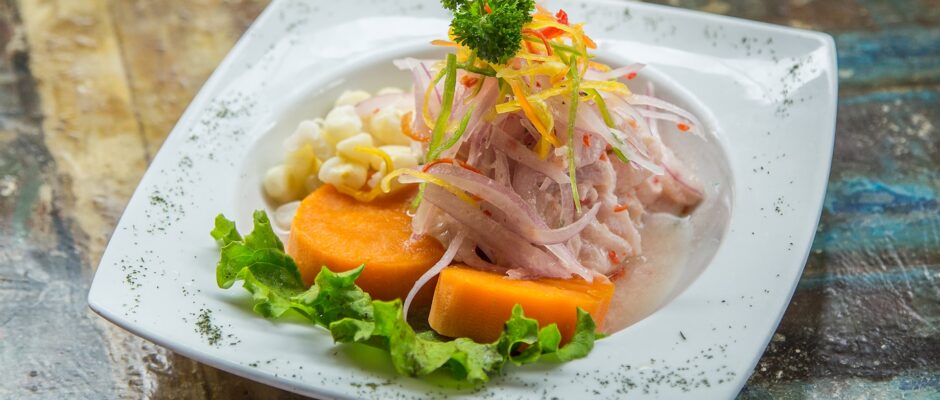
Peruvian ceviche, a traditional dish that consists of raw fish or seafood marinated in lime juice, onion, chili peppers, and cilantro, has been recognized by UNESCO as part of the intangible cultural heritage of humanity. The dish, which is served with corn, sweet potato, plantain chips, or corn nuts as sides, is a national symbol of Peru and a reflection of its cultural identity and diversity. It is also widely enjoyed in other Latin American countries and across the globe. Peruvian ceviche has a long history that dates back to pre-Columbian times, when the indigenous people of the coastal regions used to preserve fish with the juice of tumbo, a local fruit similar to passion fruit. The dish evolved over time with the introduction of lime juice by the Spanish colonizers and the incorporation of influences from African, Asian, and European cuisines, creating a unique fusion of flavors and techniques. In 2019, Peruvian ceviche was added to the Representative List of the Intangible Cultural Heritage of Humanity by UNESCO, acknowledging its value as a culinary expression that showcases the history, creativity, and diversity of Peru. The inscription also aims to support the preservation and transmission of the traditional knowledge and practices related to the preparation and consumption of ceviche. If you are interested in making Peruvian ceviche at home, here is a simple recipe that you can follow: Ingredients: – 1 ½ pounds of fresh and high quality white fish fillets (such as halibut, mahi mahi, or sea bass), cut into small cubes– 1 cup of freshly squeezed lime juice (from about 15-20 limes)– 1 red onion, thinly sliced– 1-2 habanero peppers, seeded and minced– ¼ cup of fresh cilantro, finely chopped– Salt and pepper to taste– Lettuce leaves, corn, sweet potato, plantain chips, and corn nuts for serving Instructions: – In a large glass bowl, toss the fish cubes with salt and cover with cold water. Refrigerate for 10 minutes.– In another bowl, rub the onion slices with salt and rinse with cold water. Drain well and set aside.– In a small bowl, whisk together the lime juice, habanero peppers, and cilantro. Season with salt and pepper to taste.– Drain the fish and discard the water. Return the fish to the bowl and pour the lime juice mixture over it. Stir well to coat the fish evenly. Refrigerate for another 10-15 minutes or until the fish turns opaque and firm.– To serve, divide the fish ceviche among four plates and top with onion slices. Serve with lettuce leaves, corn, sweet potato, plantain chips, and corn nuts on the side. Enjoy! Source: Conversation with Bing, 10/12/2023(1) Peruvian fish cebiche or ceviche – Laylita’s Recipes. https://www.laylita.com/recipes/peruvian-fish-cebiche-or-ceviche/.(2) Authentic Peruvian Ceviche Recipe by Eat Peru. https://www.eatperu.com/ceviche-recipe/.(3) Peruvian Fish Ceviche Recipe | Food Network. https://www.foodnetwork.com/recipes/peruvian-fish-ceviche-recipe-1946884.

Read More


DRDO halts missile tests to protect Olive Ridley turtles in Odisha

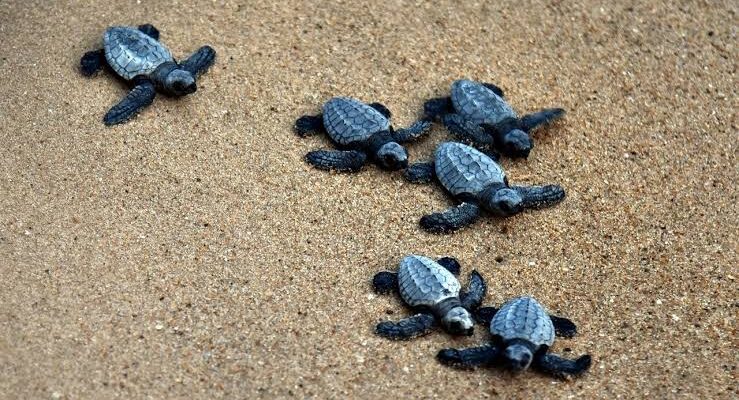
The Defence Research Development Organisation (DRDO) has decided to suspend its missile testing activities from the APJ Abdul Kalam Island off the Odisha coast for two months to safeguard the nesting of the endangered Olive Ridley sea turtles. The DRDO, which conducts various missile tests from the island throughout the year, has agreed to refrain from any launches between February and March, which is the peak season for the turtles to lay eggs on the beaches of Odisha. The DRDO has also assured to switch off the bright lights on the island, which can confuse the hatchlings and hamper their journey to the sea. The Olive Ridley sea turtles are one of the smallest and most abundant of all sea turtles found in the world. They are classified as vulnerable by the International Union for Conservation of Nature (IUCN) and face several threats such as habitat loss, poaching, fishing nets, and climate change. Odisha hosts the world’s largest nesting site for these turtles, where millions of them come ashore every year to lay eggs in a mass nesting event known as arribada, meaning arrival in Spanish. The DRDO’s gesture has been welcomed by environmentalists and wildlife activists, who have been campaigning for the protection of the sea turtles and their habitats. The DRDO has also been praised for its successful test launch of Prithvi-II, a short-range ballistic missile, from the Integrated Test Range at Chandipur off the Odisha coast on January 10, 2023.

Read More

Seaweed: Revolutionizing Shrimp Feed and Aquaculture

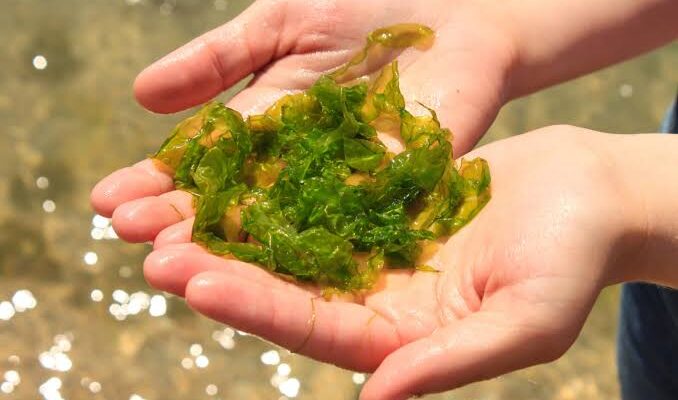
Shrimp farming is a major global food industry, but it faces significant challenges, including environmental concerns and the depletion of wild fish stocks used for feed. Seaweed, a readily available and sustainable resource, has emerged as a promising alternative ingredient in shrimp feed. Could seaweed be the key to a more sustainable and profitable future for shrimp farming? Seaweed: Nature’s Multivitamin for Shrimp Seaweed is a diverse group of marine algae rich in nutrients essential for shrimp growth and health. It boasts high levels of protein, carbohydrates, vitamins, minerals, and bioactive compounds. These include: * **Protein:** Seaweed provides a valuable source of protein, essential for building and repairing tissues in shrimp.* **Carbohydrates:** Seaweed is rich in various carbohydrates, including sugars and fibers, which provide energy for shrimp.* **Vitamins:** Seaweed is a natural source of vitamins A, C, E, and B vitamins, all crucial for shrimp health and immune function.* **Minerals:** Seaweed is packed with minerals like calcium, magnesium, potassium, and iodine, essential for proper growth and development in shrimp.* **Bioactive compounds:** Seaweed contains various bioactive compounds with potential health benefits, including antioxidants, prebiotics, and immunostimulants. Benefits Beyond the Shrimp Plate The benefits of using seaweed-based shrimp feed extend beyond improved shrimp health and growth. It also offers significant advantages for the environment and the shrimp farming industry as a whole: * **Reduced dependence on wild fish:** Traditional shrimp feed heavily relies on fishmeal derived from wild-caught fish populations. Seaweed offers a sustainable alternative, alleviating pressure on these already stressed ecosystems.* **Improved water quality:** Seaweed can help improve water quality by absorbing excess nutrients like nitrogen and phosphorus, reducing harmful algal blooms and creating a healthier environment for shrimp.* **Enhanced profitability:** Studies have shown that shrimp fed seaweed-based diets can experience faster growth rates and improved feed conversion ratios, leading to increased production and profitability for farmers.* **Promotes coastal communities:** Seaweed farming can empower coastal communities by providing livelihood opportunities and fostering economic development. The Future of Seaweed-Based Shrimp Feed While still in its early stages, the use of seaweed-based shrimp feed is rapidly gaining traction. Research and development efforts are ongoing to optimize the use of different seaweed species, improve feed formulation, and ensure its cost-effectiveness for widespread adoption. Several companies are already at the forefront of this revolution, producing and distributing seaweed-based shrimp feed commercially. Their success paves the way for a more sustainable future for shrimp farming, benefiting both the industry and the environment. Challenges and Considerations Despite its potential, some challenges need to be addressed for widespread adoption of seaweed-based shrimp feed: * **Cost:** Currently, the cost of producing seaweed-based feed is higher than traditional feed, although research and development are focusing on cost-reduction strategies.* **Availability:** Ensuring a consistent and reliable supply of high-quality seaweed will be crucial for large-scale production.* **Standardization:** Establishing standardized protocols for feed formulation and production across different regions and farms is essential.* **Knowledge Sharing:** Educating shrimp farmers about the benefits and proper use of seaweed-based feed is crucial for its successful adoption. Seaweed-based shrimp feed presents a promising solution for addressing the sustainability challenges faced by the shrimp farming industry. Its nutritional benefits for shrimp, coupled with its positive impact on the environment and economic advantages for farmers, make it a compelling alternative to traditional feed. By overcoming existing challenges and promoting research, collaboration, and knowledge sharing, seaweed-based shrimp feed can revolutionize the industry and pave the way for a more sustainable and prosperous future for both farmers and consumers.

Read More

US Investigates Indian Shrimp Exports, Threatening Tariffs and Hurting Exporters

The United States is currently investigating claims that Indian shrimp exports are being subsidized by the Indian government. This has raised concerns among Indian shrimp exporters and fishermen, who fear that the US will impose tariffs on Indian shrimp, making it more expensive in the US market and hurting their businesses. The US alleges that the Indian government is providing subsidies to shrimp farmers in the form of low-interest loans, grants, and other financial assistance. These subsidies, according to the US, give Indian shrimp farmers an unfair advantage over their American counterparts, who do not receive such assistance. If the US imposes tariffs on Indian shrimp, it could have a significant impact on the Indian shrimp industry. India is the world’s largest exporter of shrimp, and the US is one of its biggest markets. Tariffs would make Indian shrimp more expensive for American consumers, which could lead to a decrease in demand. This, in turn, could lead to job losses in the Indian shrimp industry. The Indian government is trying to convince the US that the subsidies it provides to shrimp farmers are legal and do not violate any international trade agreements. The government argues that the subsidies are necessary to help Indian shrimp farmers compete in the global market. The US investigation is ongoing, and it is unclear whether the US will ultimately impose tariffs on Indian shrimp. However, the threat of tariffs is already having a negative impact on the Indian shrimp industry. Shrimp farmers are worried about the future of their businesses, and some are even considering scaling back production. The Indian government is urging the US to reconsider its position on the issue. The government argues that tariffs would not only hurt Indian shrimp exporters but would also harm American consumers by raising the price of shrimp. The outcome of the US investigation could have a significant impact on the global shrimp market. If the US imposes tariffs on Indian shrimp, it could lead to a decrease in supply and an increase in prices. This could benefit shrimp farmers in other countries, such as Vietnam and Thailand. It is important to note that the US is not the only country that has concerns about Indian shrimp exports. The European Union has also raised concerns about the subsidies provided by the Indian government. The EU is considering imposing its own tariffs on Indian shrimp. The issue of Indian shrimp exports is complex and there is no easy solution. The US and India need to work together to find a solution that is fair to both countries.

Read More