Seafood Of India

Blog Post

Fins and Identification: Uttar Pradesh Unveils First-of-Its-Kind “Fish Aadhaar” Project

In a unique initiative aimed at sustainable fisheries and environmental protection, Uttar Pradesh is gearing up to launch “Fish Aadhaar,” a pioneering identification system for fish. Inspired by the human Aadhaar program, this project will equip fish with miniature chips containing information about their origin, specifically the river they come from. Spearheaded by Fisheries Minister Sanjay Nishad, the program plans to kick off with the release of one lakh (100,000) “Aadhaar-ed” fish babies into the Ganga River from Atal Ghat. This groundbreaking move is the first of its kind in India and holds immense potential for the fisheries sector and river conservation. Tracking Origins, Boosting Livelihoods: The embedded chips will store data like the fish species, date of birth, and most importantly, the river of origin. This detailed information will streamline tracking and provide much-needed clarity on the source of fish, potentially curbing illegal fishing practices. The project also aims to empower communities residing along riverbanks by creating employment opportunities in fish monitoring and data management. Restoring Balance, Protecting Ganga: Beyond economic benefits, “Fish Aadhaar” also carries significant environmental significance. With the Ganga River facing increasing pollution challenges, the release of tagged fish is viewed as a way to restore the natural balance of aquatic life. This initiative could shed light on pollution levels and aid in targeted conservation efforts. A Fin-tastic Future for Fisheries: Minister Nishad emphasizes the multifaceted benefits of the “Fish Aadhaar” project. From curbing illegal fishing and bolstering local livelihoods to promoting environmental conservation and river health, this innovative approach marks a significant step towards sustainable fisheries management in India. As the project rolls out, its impacts on the fisheries sector and the Ganga River ecosystem will be closely monitored, paving the way for a more responsible and balanced future for both.

Read More

Boosting India’s Fishing Industry: A ₹38,000 Crore Investment in Infrastructure

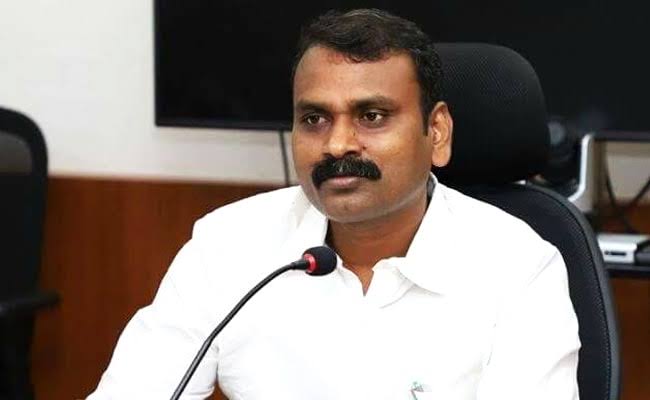
The Indian government has made a significant investment in the fisheries sector, allocating a whopping ₹38,000 crore for infrastructure development over the past decade. This commitment to the industry’s growth was announced by Dr. L Murugan, the Minister of State for Fisheries, Animal Husbandry, and Dairying, in a statement to the media outside the Parliament on Friday. Pradhan Mantri Matsya Sampada Yojana Spearheading Growth A major chunk of this investment, amounting to ₹20,000 crore, has been directed towards the implementation of the Pradhan Mantri Matsya Sampada Yojana (PMMSY). This flagship scheme aims to modernize and upgrade the fisheries infrastructure across the country, with a focus on areas like harbor construction, cold chain facilities, and processing units. Technology Meets Tradition: ISRO Supports Fishermen Recognizing the vital role of technology in enhancing efficiency and productivity, the government has also partnered with the Indian Space Research Organisation (ISRO). ISRO provides satellite communication and transponder communication services to fishermen venturing into deep-sea fishing. This cutting-edge technology equips fishermen with real-time data on optimal fishing zones, allowing them to target their catches more effectively and minimize wastage. By bridging the gap between traditional practices and advanced technology, the government is empowering fishermen and creating a more sustainable fishing industry. A Multifaceted Approach for a Flourishing Future Dr. Murugan emphasized the government’s multifaceted approach to revitalizing the fisheries sector. Combining financial support with technological advancements, the government aims to not only improve the livelihoods of fishermen but also contribute to the overall economic growth of the country. With a sustained focus on infrastructure development and technological integration, India’s fisheries sector is poised for a bright future. By harnessing the potential of both tradition and innovation, the government is paving the way for a thriving industry that benefits both fishermen and consumers alike. This is a welcome development for the Indian fisheries sector, which has the potential to be a major driver of economic growth and food security. The government’s commitment to providing financial support and technological assistance is sure to benefit fishermen and contribute to the overall development of the industry.

Read More

PDS Goes Beyond Rice and Wheat: States Now Free to Add Millets and Seafood

The central government has said that states are free to add nutrient-dense options like millets and seafood to the Public Distribution System (PDS) scheme from their own budgets. Union Minister Piyush Goyal said this in reply to a question in the Lok Sabha by YSRCP MP L S Devarayalu. Goyal said that the central government provides free wheat and rice to 81 crore poor people under the PDS scheme. However, he added that states are free to add any other items they want to the scheme from their own budgets. Devarayalu had asked the question in the context of a NITI Aayog paper that said the government is working on giving subsidies on protein-rich foods. He also mentioned the Pradhan Mantri Matsya Sampada Yojana, a government scheme that aims to boost the fisheries sector. The central government’s decision to allow states to add nutrient-dense options to the PDS scheme is a welcome one. Millets and seafood are both excellent sources of protein and other nutrients that are essential for good health. Adding these items to the PDS scheme would help to improve the nutritional status of the poor. However, it is important to note that states will need to have the financial resources to add these items to the PDS scheme. Some states may not be able to afford to do so. Overall, the central government’s decision is a positive step that could help to improve the nutritional status of the poor. However, it is important to ensure that all states have the resources to implement the scheme effectively.

Read More

Kerala Shrimp Farmers Dive into “Indicus Revolution” as Native Species Thrives in Trial

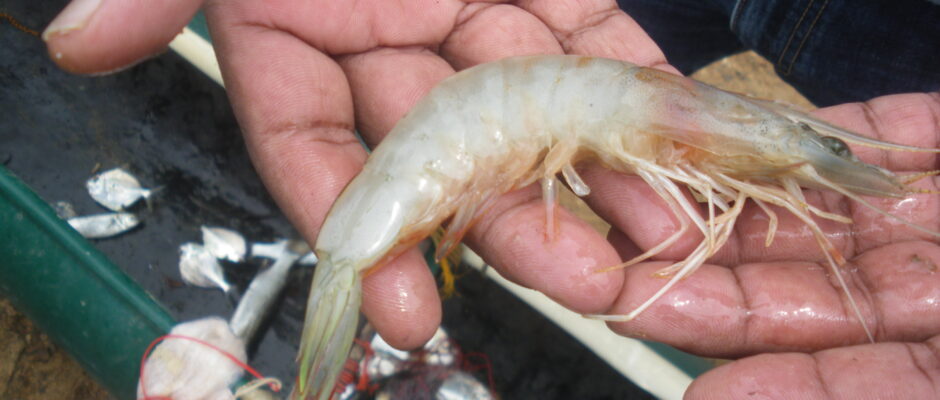
Indian White Shrimp Makes a Splash: Successful Trial Diversifies Aquaculture in Kerala The Indian white shrimp (Penaeus indicus) is making a comeback in Kerala’s aquaculture scene, thanks to a successful farming trial conducted by ICAR-Central Institute of Brackishwater Aquaculture (CIBA) under the Matsya Sampada Jagrukta Abhiyan scheme. This promising development could diversify species options for shrimp farmers and potentially combat a major disease threat. ICAR-CIBA developed a “cleaned stock” of indicus shrimp, meaning they were bred disease-free, and provided them to farmers for a trial in their ponds. The results were impressive: the shrimp grew as fast as the popular P. vannamei species, reaching a size of 18.5 grams in just 93 days. They also achieved a high survival rate (around 90%) with minimal external aeration support, indicating resilience and adaptability. One of the most exciting findings was the farmers’ observation that indicus shrimp seemed more resistant to white faecal disease, a devastating illness plaguing the industry. This potential advantage raises hopes for a more sustainable and disease-resistant shrimp farming future. The harvest event in Kandagali village, Payyanur, was a testament to the collaboration between ICAR-CIBA, local authorities, and the shrimp farming community. Representatives from the Payyanur Municipality, Kerala Aquafarmers Association, Department of Fisheries, and neighboring farmers witnessed the successful harvest, generating enthusiasm for wider adoption of indicus shrimp farming. Dr. Kuldeep K. Lal, Director of ICAR-CIBA, emphasizes the significance of this trial: “The successful demonstration of indicus shrimp farming opens up new avenues for species diversification in Kerala’s aquaculture sector. It has the potential to improve farmer incomes, enhance disease resilience, and contribute to a more sustainable shrimp farming industry.” With its promising growth rate, disease resistance, and adaptability, the Indian white shrimp has the potential to become a game-changer for Kerala’s aquaculture. The successful trial paves the way for further research and development, with the aim of promoting widespread adoption of this native species. This could not only benefit farmers but also contribute to a more diverse and healthy shrimp farming ecosystem in India.

Read More

Saudi Arabia and China Dive into Deeper Aquaculture Cooperation

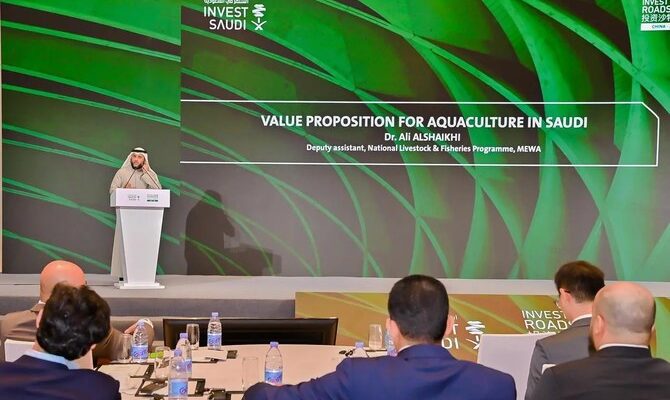
Saudi Arabia and China are poised to strengthen their ties in the aquaculture sector, with recent discussions at the Global Investment Promotion Conference in Shenzhen, China, paving the way for increased investment and collaboration. Representatives from Saudi Arabia’s Ministry of Environment, Water, and Agriculture met with over 60 specialized Chinese firms to explore and expand opportunities in the aquaculture industry. The forum served as a platform to showcase Saudi Arabia’s aquaculture investment potential, foster knowledge exchange, and encourage private sector participation in driving growth. The National Fisheries Development Program (NFDP), represented by the ministry’s delegation, played a central role in these discussions. Saudi Arabia’s Aquaculture Ambitions Established in 2015, the NFDP aims to attract $5 billion in private sector investment by 2030. The National Aquaculture Group (Naqua), the largest aquaculture company in the Middle East, is a key player in this initiative. The program focuses on expanding aquaculture to create new jobs, with half allocated for Saudi nationals. This expansion is expected to significantly increase seafood export volumes, contributing to economic growth and job creation. “Aquaculture is one of the fastest-growing areas in the food sector,” said Ali Al-Shaikhi, CEO of the NFDP, in a 2022 interview with Arab News. “Worldwide, it’s growing 6 percent per year. This contributes to food security, job creation and rural development — and it’s sustainable in terms of the environment and climate change.” Al-Shaikhi emphasized that aquaculture is crucial for improving the quality of life in Saudi Arabia and other countries. He added that the program’s focus is on job creation, protecting local markets, and promoting the seafood industry. China’s Role in Saudi Arabia’s Aquaculture Growth Saudi Arabia’s Vision 2030 master plan aims to diversify the economy and includes a target of producing 600,000 tons of fish annually, creating around 200,000 direct and indirect jobs in the fisheries sector. The collaboration with China signifies a strategic move to boost the aquaculture sector and enhance economic cooperation between the two nations. China has a well-developed aquaculture industry and can provide valuable expertise and technology to Saudi Arabia. The two countries can also collaborate on research and development to improve aquaculture practices and sustainability. This strengthened cooperation between Saudi Arabia and China is expected to benefit both countries. Saudi Arabia will gain access to investment, technology, and expertise, while China will gain access to a growing market for its aquaculture products and services. The future of aquaculture in Saudi Arabia is bright, and China’s involvement will play a significant role in its success. This collaboration is a win-win for both countries and could pave the way for a more sustainable and prosperous future for the global aquaculture industry.

Read More

Troubled Waters: Aquaculture Workers Face Health Risks and Safety Concerns in a Booming Industry

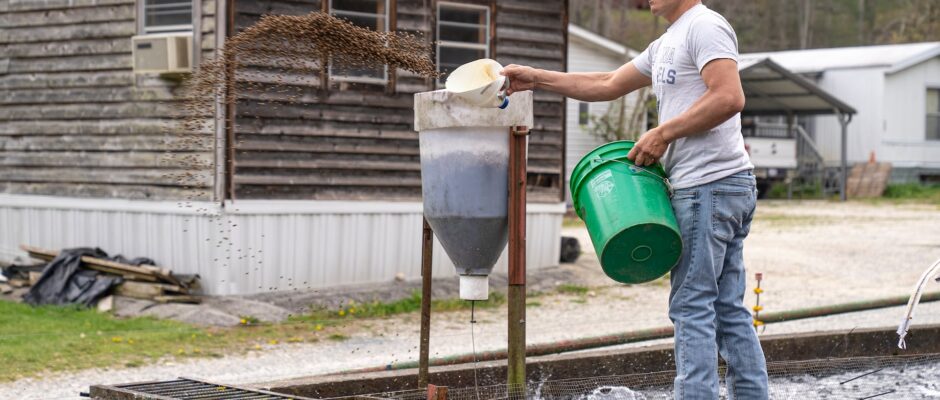
The aquaculture industry, a rapidly growing sector employing thousands and churning out seafood for the world, hides a dark undercurrent of health risks and safety concerns for its workers. A recent survey by the Norwegian University of Science and Technology (NTNU) paints a stark picture of a workforce grappling with strain injuries, near misses, and a lack of collaboration that puts their well-being at risk. The survey, conducted among 1,283 workers, reveals a chilling statistic: 62% have experienced “near misses” in the last two years. This alarming number underlines the constant threat of accidents lurking in the everyday tasks of aquaculture. But the most worrisome concern isn’t just the potential for immediate injury; it’s the long-term impact on worker health. Strain injuries top the list of health worries, with 47% of respondents citing them as a major concern. Lifting, bending, twisting, and repetitive tasks – all staples of traditional aquaculture operations – contribute to this ergonomic nightmare. The introduction of new technologies, while promising efficiency, also raises questions about their impact on worker safety. As Senior Research Scientist Trine Thorvaldsen points out, “The working environment experienced by aquaculture workers seldom serves as a driver for change or innovation. This in spite of the fact that the technology itself may hold the key to reducing risk.” The survey also delves into the complex relationship between independent shipowners and aquaculture companies. A staggering 66% of workers employed by external service providers feel that a lack of collaboration with the companies they serve poses a safety threat. This lack of communication and coordination can lead to pressure to prioritize efficiency over safety, a worrying trend that echoes in other industries like construction and oil and gas. The consequences of these challenges are stark. Half of the respondents were absent from work due to illness or injury in the past year, with 17% attributing it to work-related causes and 42% experiencing absences of six weeks or more. These statistics paint a grim picture of a workforce struggling with the physical and mental toll of their jobs. Despite the challenges, a glimmer of hope emerges in the form of high job satisfaction. As many as 88% of respondents report enjoying their work, often citing good colleagues and a passion for aquaculture as key factors. However, even this positive aspect is tinged with concerns about safety during major operations like delousing, where stress and risky situations are prevalent. Ultimately, the survey serves as a wake-up call for the aquaculture industry. Stakeholders must actively address the issues of collaboration, safety prioritization, and worker well-being. By implementing the report’s findings, the industry can transform itself into a safer and more sustainable environment for the thousands who keep the seafood flowing. This is not just a matter of statistics; it’s about human lives. The men and women who tend to fish farms deserve to work in an environment that prioritizes their safety and well-being, just as much as it prioritizes efficiency and profit. By ensuring a healthy and collaborative work environment, the aquaculture industry can not only protect its workers but also secure a brighter future for itself. Let’s not allow the troubled waters of safety concerns to drown the potential of this booming industry. It’s time to act, and it’s time to do it now.

Read More

Turtle Excluder Devices (TEDs): A Tool for Sea Turtle Conservation and its Implementation in Indian Fisheries

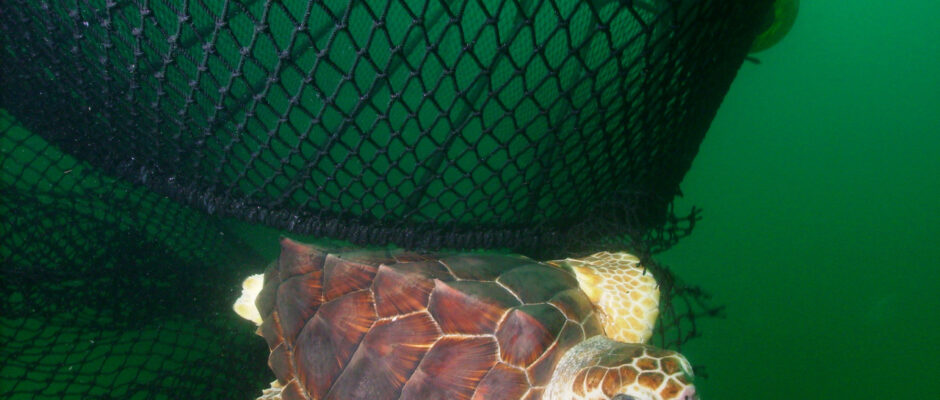
Introduction Turtle Excluder Devices, commonly known as TEDs, are specialized devices that allow a captured sea turtle to escape when caught in a fisherman’s net. These devices are made of metal bars and mesh that fit inside the neck of a trawl net. While shrimp pass between the bars to the back of the net, turtles and other larger animals bump against the metal grid and escape through a flap in the mesh. Design and Operation In particular, sea turtles can be caught when bottom trawling is used by the commercial shrimp fishing industry. In order to catch shrimp, a fine meshed trawl net is needed. This results in large amounts of other marine organisms being also caught as bycatch. When a turtle gets caught or entangled in a trawl net, it becomes trapped and is unable to return to the surface. Since sea turtles are air-breathing animals with lungs, they cannot survive long underwater without surfacing and will eventually drown. The use of the devices ideally allows all bycatch larger than ten centimeters to escape the nets unharmed. This selectivity is achieved by metal grids integrated into the trawl net structure. The grids act as a barrier for keeping large creatures such as turtles from passing through the bars into the back of the net. A small opening in the net is then available either above or below the grid so that the creatures that are stopped by the TEDs are allowed to escape the net, relatively unharmed. History and Implementation The first TED was based on a device called the jellyball shooter, that is used to remove cannonball jellyfish from shrimp trawl. TEDs were later developed in the 1970s by Wil Seidel, who worked for NOAA. In 1987, the United States required all shrimp trawlers to equip their nets with turtle excluder devices. Two years later the shrimp-turtle law was implemented. This required all countries that export shrimp to the US to certify that the shrimp they shipped were harvested by boats equipped with TEDs. Implementation in India In 1996, the government of India proposed legislation for the requirement of modified “indigenous” TEDs, which they called TSDs (turtle saving devices), to be used by local fishermen. This was a response to the declining olive ridley population that were nesting in beaches such as in Odisha. The Marine Products Export Development Authority (MPEDA) is pushing for necessary reforms in marine products act with state governments that will facilitate lifting of the ban by United States imposed two years earlier to make India more responsible toward turtle prevention. The change in design is being worked out jointly by the Central Institute of Fisheries Technology (CIFT) and Marine Products Export Development Authority (MPEDA) as the US has decided to continue with its ban on wild caught shrimps following reports on non-use of TEDs in fishing nets. ICAR-CIFT has modified the existing TED design that was used earlier. The new design by CIFT, MPEDA and National Oceanic and Atmospheric Administration (NOAA) was developed as per the recommendations of NOAA and MPEDA, as well as taking into account the needs of the Indian trawling sector. Conclusion Turtle Excluder Devices (TEDs) have proven to be an effective tool in promoting sea turtle conservation. While there have been challenges in their implementation, particularly in the commercial shrimp fishing industry, efforts are being made to improve their design and encourage their use. In India, organizations like MPEDA are working towards implementing TEDs in the fisheries sector, demonstrating a commitment to sustainable fishing practices and the preservation of marine life.

Read More

Global Shrimp Council Sets Sail for US Shores: Nine Countries, 20 Companies Aim to Hook American Hearts (and Plates)

A new force has risen in the world of shrimp: the Global Shrimp Council (GSC), a powerful alliance of nine countries and 20 companies with their sights firmly set on conquering the American market. This ambitious initiative, spearheaded by America’s National Fisheries Institute (NFI), is more than just a marketing campaign – it’s a tidal wave of education, sustainability, and culinary inspiration poised to wash over American dinner tables. Hooking American Consumers: The GSC’s mission is twofold: firstly, to remind Americans of the sheer deliciousness of shrimp. Through targeted marketing and in-store promotions, they’ll showcase the versatility and health benefits of this ocean treasure, from classic shrimp cocktail to fire-kissed skewers and fragrant curries. Shining a Light on Sustainability: But the GSC isn’t just about shrimp’s culinary appeal. They’re also passionate about responsible sourcing and sustainability. By educating consumers about the differences between wild and farmed shrimp, and highlighting the environmental impact of each, they aim to empower Americans to make conscious choices that benefit both their health and the planet. A Global Collaboration: The GSC’s strength lies in its diversity. With members from India to Ecuador, Mexico to Indonesia, the council represents a vast pool of expertise and experience in all things shrimp. This collaboration fosters knowledge-sharing, ensures a comprehensive understanding of industry challenges, and allows the GSC to speak with a unified voice on issues like anti-dumping regulations. Industry Leaders Applaud the Initiative: Prominent figures like Rajagopal Choudary Chitturi, chairman of a leading Indian shrimp exporter, and Miguel Barcenas, the GSC’s strategy consultant, have voiced their enthusiastic support. They recognize the council’s potential to not only boost shrimp consumption but also address industry-wide challenges, paving the way for a brighter future for this delectable seafood. NFI Lends its Weight: The NFI’s backing is a powerful vote of confidence. Their support provides the GSC with access to resources, expertise, and a vast network within the American seafood industry, giving them a strong platform to launch their campaign and reach millions of consumers. A Wave of Flavor and Awareness: With its focus on education, inspiration, and sustainability, the GSC promises to be more than just another marketing campaign. It’s a movement, a wave of flavor and awareness washing over American shores. From shrimp ceviche to coconut curry, the council aims to reignite America’s love for this versatile protein, all while ensuring a sustainable future for the oceans and the communities that rely on them. So, prepare for a shrimp revolution! The Global Shrimp Council is here, and they’re ready to hook American hearts (and plates) with this delicious, nutritious, and sustainable seafood.

Read More

A World Tour in Every Bite: 5 Seafood Omelets to Expand Your Culinary Horizons

Omelets, those fluffy egg masterpieces, are a global canvas for culinary creativity. And while we often think of them as landlubber’s fare, the world of seafood offers a treasure trove of flavors just waiting to be whisked into these eggy delights. So, buckle up, adventurous foodies, as we embark on a culinary journey through five of the most delectable seafood omelets from around the globe: 1. Tortilla de Camarones (Spain): This Spanish classic celebrates the humble shrimp in all its glory. Finely chopped shrimp are sautéed with garlic and onion, then folded into a fluffy, golden tortilla. A squeeze of lemon and a sprinkle of paprika add the finishing touch to this simple yet satisfying dish. Recipe: 2. Takoyaki (Japan): These bite-sized wonders from Osaka burst with flavor and texture. A batter filled with octopus, green onions, and ginger is cooked in a special pan, creating spherical omelets with a crispy exterior and a savory, gooey center. Top them with mayonnaise, takoyaki sauce, and bonito flakes for an explosion of taste. Recipe: 3. Oeufs Meurette (France): This decadent dish from Burgundy features poached eggs nestled in a creamy wine sauce loaded with bacon, mushrooms, and shallots. The rich sauce coats the delicate eggs, creating a luxurious and comforting experience. Recipe: 4. Gai Yang Omelet (Thailand): This spicy Thai omelet features minced chicken marinated in lemongrass, galangal, and turmeric. The fragrant mixture is folded into fluffy eggs, creating a dish that’s both light and flavorful. Serve with sticky rice and a sweet chili dipping sauce for a complete meal. Recipe: 5. Tortilla de Chapulines (Mexico): This adventurous omelet from Oaxaca showcases the unique flavor of grasshoppers (chapulines). These crunchy insects are sautéed with onions, tomatoes, and chiles, then folded into a warm tortilla. The result is a surprisingly delicious and protein-packed dish. Recipe: These are just a few examples of the countless seafood omelet variations waiting to be discovered. So, grab your whisk, channel your inner culinary explorer, and embark on a delicious journey around the world, one omelet at a time! Bon appétit

Read More

Dive into Delicious Brainpower: Why Shrimp Should Be Your New Superfood

Forget bland protein shakes and boring broccoli. The secret to boosting your brainpower could be hiding in your seafood aisle: shrimp. These juicy crustaceans aren’t just culinary champions, they’re nutritional powerhouses ready to fuel your cognitive fire. Think of your brain like a high-performance engine. It needs the right fuel to run smoothly, and shrimp is packed with the premium octane it craves. Omega-3 fatty acids, particularly DHA, are the brain’s building blocks. Shrimp is nature’s generous provider of this crucial nutrient, helping your brain fire on all cylinders and tackle any mental challenge, from conquering that crossword puzzle to nailing your next presentation. But shrimp’s brilliance goes beyond just one brainy ingredient. It’s a multivitamin for your mind, offering a symphony of nutrients that keep your cognitive gears turning. Phospholipids, the messengers of the brain, find a happy home in shrimp. These tiny workhorses ensure smooth communication between your neurons, keeping your thoughts flowing and your memory sharp. Vitamin B12 joins the party, acting as a conductor for your neurotransmitters, making sure your brain’s messages get delivered loud and clear. And let’s not forget the stress shield. In our fast-paced world, free radicals can wreak havoc on our brains. But shrimp comes to the rescue with its antioxidant army. These tiny warriors fight off the bad guys, keeping your brain cells safe and sound, ready to tackle anything life throws your way. The beauty of shrimp is its versatility. It’s not just for fancy restaurants; it’s a culinary chameleon, ready to transform into brain-boosting delights. Toss it into a salad for a light and refreshing lunch, packed with brain-loving greens and citrus. Or stir-fry it with quinoa and veggies for a wholesome dinner that’s as good for your mind as it is for your taste buds. Bell peppers, spinach, and sesame seeds become your brain-boosting allies in this culinary adventure. And for a taste of the tropics, try shrimp kebabs with a zesty mango salsa. The vibrant colors and sweet-spicy flavors aren’t just a feast for the senses; they’re a celebration of brain-healthy ingredients like mango, cilantro, and bell peppers. Each bite is a burst of flavor and a promise of sharper focus and clearer thinking. So, ditch the dull and embrace the delicious. Make shrimp your new superfood, your brain’s best friend. With every juicy bite, you’re not just indulging in a culinary treat, you’re investing in your mental agility, your memory, and your overall cognitive well-being. So, dive into the world of shrimp and let your brainpower take flight! Remember, shrimp isn’t just food, it’s a delicious path to a sharper, happier you. Every plate is a puzzle waiting to be solved, and every bite is a step towards unlocking your brain’s full potential. So, grab your fork, embrace the shrimp revolution, and get ready to think like never before!

Read More

Kerala on the Hook: Union Pushes for Safety Upgrades at Notorious Muthalapozhi Fishing Harbour

Muthalapozhi fishing harbour, notorious for its string of tragic accidents, is finally facing a push for safety upgrades. The Union government has urged Kerala to submit a comprehensive proposal by year’s end, merging its existing ₹50 crore modernization plan with recommendations from a crucial study. For decades, Muthalapozhi has been a chilling backdrop to countless fishing boat mishaps, claiming over 60 lives. The government, under pressure, commissioned a study by the Central Water and Power Research Station (CWPRS) to tackle the navigational woes plaguing the harbour. Its findings are expected by December, holding the key to unlocking a safer future for fishermen. But action is already underway. The Adani Group, contracted in 2018 to maintain the harbour’s depth, is under scrutiny. Their dredging commitment to keep the entrance and channel clear is crucial for safe navigation. Meanwhile, the state’s proposed ₹50 crore modernization plan, encompassing infrastructure upgrades like electrification, surveillance, and cold storage, is being reviewed. The Union government’s push for a comprehensive proposal goes beyond mere infrastructure. In response to a recent tragedy, they dispatched a technical team to assess the situation. Their recommendations, covering both immediate and long-term solutions, will be incorporated into the final plan. This renewed focus on safety marks a turning point for Muthalapozhi. The combined efforts of the Union government, the CWPRS study, and the state’s modernization plan offer hope for a future where fishermen can navigate these waters with confidence, leaving behind the dark legacy of accidents and returning home safely to their families.

Read More

Cyclone Michaung’s Silver Lining: Bumper Fish Catch Floods Chennai Harbor, Boosting Exports and Consumers

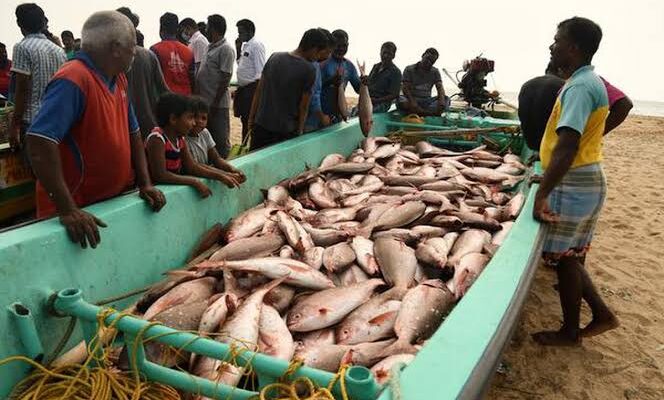
While Chennai recovers from Cyclone Michaung’s wrath, an unexpected bounty has washed ashore at the Kasimedu fishing harbor. Over 1,000 tonnes of export-quality fish, from groupers and red snappers to prawns and rockfish, have flooded the market, impacting prices and igniting hope for the city’s fishermen. “It’s a post-cyclone surprise,” declares V Balaji, a Kasimedu boat owner. His eyes light up as he describes the booming demand for groupers, particularly from international markets. This newfound abundance, attributed to cyclone-induced movement and fishermen venturing out after the storm, has sent prices plummeting. The prized vanjiram, normally fetching ₹1,000 per kg, now sells at a mere ₹600, while the red snapper has lost its premium price tag altogether. Balaraman, a Kasimedu trader, explains the prawn bonanza with a grin. “The rains stirred things up, sending these beauties our way,” he says, gesturing towards overflowing baskets of crustaceans. The sudden influx has brought smiles to consumers’ faces and concerns to fishermen’s hearts. “We were unsure what to expect after the cyclone,” admits Muthukumaran, the secretary of the Deepsea Fishing Boat Owners’ Association. But the discovery of groupers, a high-value export species, paints a brighter picture for the future. This, he believes, indicates the potential for sustained catches of export-quality fish in the days to come. Cyclone Michaung may have left its mark on Chennai, but the Kasimedu fishing harbor is now awash in a different kind of storm – a storm of silver scales and bustling trade. While challenges remain, this unexpected bounty offers a chance for Chennai’s fishermen to weather the storm and find new opportunities in the turbulent waters.

Read More

A Splash of Innovation: Gumla’s Fisheries College Makes Waves in the Ornamental Fish Trade

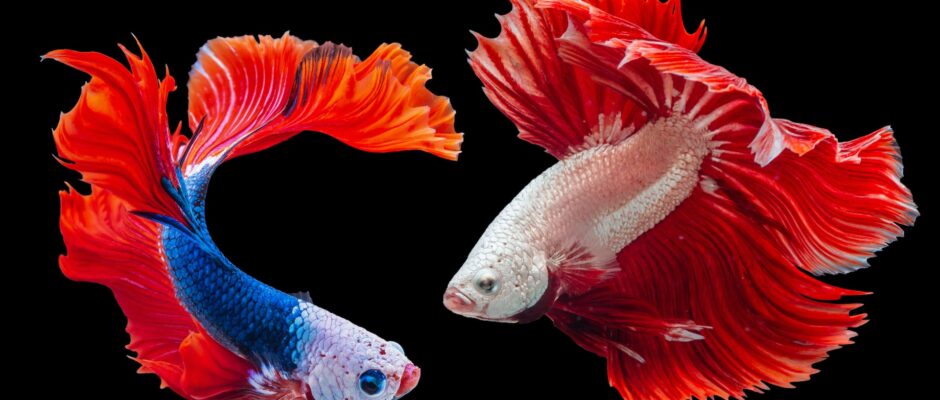
In Gumla, Jharkhand, nestled amidst rolling hills and verdant valleys, a quiet revolution is taking place. The Fisheries Science College, long known for its expertise in traditional fish farming, has embarked on a new adventure: delving into the vibrant world of ornamental fish. This isn’t just about adding a splash of color to aquariums; it’s about empowering fish farmers, boosting local businesses, and potentially shaping the future of ornamental fish trade in the region. Gone are the days when the college’s tanks held only the familiar carp and catfish. Today, they shimmer with a dazzling array of exotic species – the iridescent scales of Molly fish, the graceful fins of Widow Tetras, the predatory elegance of Red Tail Sharks, the majestic presence of Oscars, and the iconic beauty of Koi Carp. These vibrant beauties are more than just eye candy; they represent a new source of income for local fish farmers. The college’s initiative isn’t just about aesthetics. It’s driven by a deep understanding of market demands and a commitment to sustainable aquaculture. Recognizing the growing popularity of ornamental fish in homes and businesses, the college saw an opportunity to bridge the gap between demand and supply. By providing high-quality, locally bred ornamental fish, they aim to empower fish farmers, reduce dependence on imports, and promote responsible breeding practices. The impact is already being felt. Akash Thakur, a local aquarium shop owner, recently purchased 100 Molly fish from the college. “These fish are healthy, vibrant, and perfectly suited for our customers,” he says, his face beaming with enthusiasm. “It’s great to have a reliable source of such high-quality fish right here in Gumla.” But the college’s vision goes beyond individual success stories. They are actively working with the local community, organizing workshops and training programs to equip fish farmers with the skills and knowledge necessary to breed and raise ornamental fish effectively. This collaborative approach fosters a sense of ownership and ensures the long-term sustainability of the initiative. The journey hasn’t been without its challenges. Ensuring consistent breeding, maintaining water quality, and navigating the complexities of ornamental fish health require constant learning and adaptation. However, the college’s dedication to research and innovation is proving to be a formidable asset. They are actively collaborating with other research institutions and experts, seeking new and sustainable ways to improve breeding practices and address any hurdles that arise. The success of the Fisheries Science College’s ornamental fish venture extends beyond economic benefits. It’s a story of resilience, adaptability, and a deep commitment to community development. It’s about empowering individuals, fostering entrepreneurship, and creating a ripple effect of positive change within the region. As the college continues to navigate this uncharted territory, one thing is certain: their colorful journey into the ornamental fish trade has the potential to leave a lasting mark on Gumla and beyond.

Read More

Hilsa: The Queen of Bengal Cuisine and Beyond

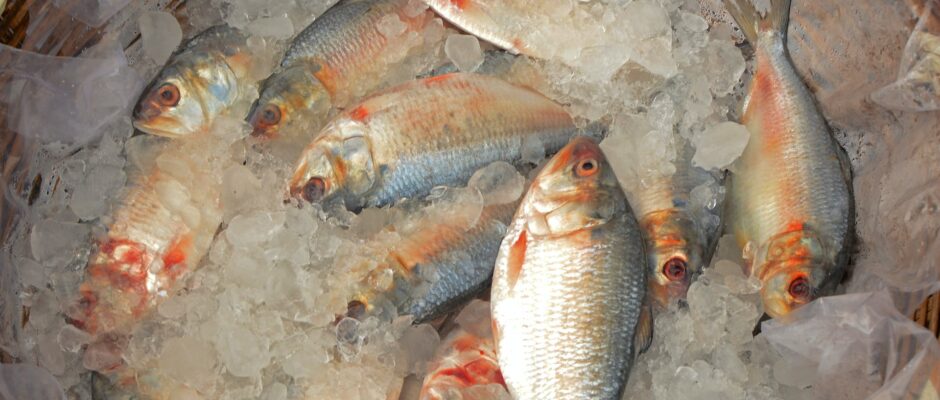
Hilsa, also known as ilish, is a silver-scaled, migratory fish native to the Indo-Pacific region. But in Bengal, it transcends mere food to become a cultural icon, a symbol of festivity and a cornerstone of the culinary landscape. Let’s dive deep into the world of hilsa and explore its multifaceted significance: Importance in Bengal Cuisine: Taste and texture: Hilsa’s delicate flesh, rich flavor, and unique fatty profile make it a prized delicacy. Bengalis prepare it in countless ways – steamed, fried, curried, pickled – each unlocking its nuanced flavors. Festive symbol: Hilsa is an integral part of Bengali celebrations, particularly Durga Puja and Poila Baisakh. Its presence signifies prosperity, abundance, and a joyous occasion. Culinary heritage: Recipes for hilsa have been passed down through generations, each family boasting their own secret spice blend and cooking method. It’s a legacy woven into the fabric of Bengali culinary identity. Market Potential: Domestic: Hilsa commands a premium price in the Indian market, with demand exceeding supply. Its seasonal availability (monsoon months) further fuels its desirability. International: Hilsa enjoys high demand in Bangladesh, Southeast Asia, and the Middle East, where Bengali diasporas readily splurge on this treasured fish. Value addition: Processing and value-addition options like frozen hilsa, smoked hilsa, and hilsa roe (ilish roe) can expand market reach and increase profitability. Farming and Capture: Challenges: Hilsa breeding in captivity remains elusive, making it a wild-caught fish entirely dependent on sustainable fishing practices. Overfishing and habitat degradation pose major threats to its population. Conservation efforts: Responsible fishing methods like mesh size regulations and protected spawning grounds are crucial for hilsa conservation and long-term industry sustainability. Community-based initiatives: Collaborations between fishers, scientists, and government agencies can promote sustainable hilsa management and ensure its future for generations to come. The Future of Hilsa: Hilsa’s cultural and economic significance demands a multifaceted approach to ensure its thriving future. Balancing consumption with conservation, promoting responsible fishing practices, and exploring sustainable aquaculture options are crucial steps. By recognizing hilsa not just as a delicious fish, but as a cultural treasure and ecological keystone species, we can ensure its continued presence on Bengali tables and in the hearts of its people.

Read More

Goa’s Waters Get a New Treasure: Mussel Farming Gains Momentum with Promising Profits and Government Support

The coastal state of Goa is witnessing a rising tide of entrepreneurial spirit in its waters, thanks to a burgeoning interest in mussel farming. The Fisheries Department, determined to empower local communities and tap into the potential of this lucrative venture, recently conducted an awareness program and demonstration at St Estevam. Nearly 100 farmers gathered to witness the release of 35 ropes carrying mussel seeds, a symbolic gesture that ignited their curiosity and aspirations. Fisheries experts patiently unveiled the intricacies of mussel rearing and harvesting, outlining a process that takes just five months to yield a delicious and profitable reward. “We are seeing an encouraging response towards mussel culture,” said Shamila Monteiro, Fisheries Director. Her optimism stems from the promising numbers: a single rope of seeds can yield up to 1.5 kg of fully grown mussels, currently fetching a market price of Rs 400 per kg in Goa. This translates to a significant opportunity for unemployed youth and farmers residing near river areas. Recognizing the potential, the Pradhan Mantri Matsya Sampada Yojana (PMMSY) scheme offers financial assistance to make mussel farming an accessible reality. General category beneficiaries can receive up to 40% of the unit cost, while ST/SC/women beneficiaries can tap into a 60% grant, both capped at Rs 20,000. However, the suitability of Goa’s waters plays a crucial role. To ensure success, rivers need a salinity level above 27 parts per thousand (ppt). The Fisheries Department is actively identifying areas with ideal conditions and encouraging fish farmers in these regions to embrace mussel farming. “This is not just about expanding our seafood industry,” Monteiro emphasized. “It’s about empowering individuals, creating jobs, and boosting the local economy.” With its low investment requirement, high returns, and government support, mussel farming presents a compelling opportunity for Goan communities to dive into a new wave of prosperity.

Read More