Seafood Of India

Blog Post

India Aims to Double Seafood Exports in Two Years, Debunking Safety Concerns

A senior Indian government official has outlined ambitious plans to significantly boost the country’s seafood export industry. The goal is to reach Rs 1 lakh crore (approximately $12.5 billion) within the next two years. This strategy hinges on increasing processing capacity and transitioning to higher value-added seafood products. The official, who declined to be named due to pre-election restrictions, emphasized the robust regulatory and safety regime governing Indian shrimp exports. This system ensures the quality of marine products shipped to developed regions like the US and Europe. 548 seafood processing units in India undergo regular inspections and monitoring by various government agencies. Debunking Safety Concerns The official strongly refuted recent reports alleging poor working conditions and safety standards within the Indian shrimp industry. These claims were deemed “wrong and baseless.” They further clarified that all processing units are registered with relevant authorities like MPEDA (Marine Products Export Development Authority), FSSAI (Food Safety and Standards Authority of India), and EIC (Export Inspection Council). Additionally, these units are subject to audits by international agencies like the US FDA and the European Commission, guaranteeing adherence to global standards. Strict Regulations and Monitoring India prioritizes food safety throughout the production and processing chain. The official highlighted the implementation of a HACCP (Hazard Analysis and Critical Control Point) based system in pre-processing and processing units, aligning with US regulations. Furthermore, the use of pharmacologically active substances in aquaculture has been banned since 2002. A comprehensive national framework safeguards against food safety hazards. This includes the National Residue Control Plan, ELISA screening labs, in-house labs, and pre-export checks. These measures ensure that antibiotic residues and other potential risks are eliminated from the product value chain, protecting consumer health. Building on a Strong Foundation India recently achieved record-breaking seafood exports in 2022-23, with a volume of 17.35 lakh tonnes valued at Rs 63,969.14 crore (USD 8.09 billion). Frozen shrimp remains the dominant export item, with the US and China being the primary importers. While exports dipped slightly in the initial months of the current fiscal year, the US continues to be the biggest market for Indian shrimp, accounting for 40% of the market share. Capturing Higher Value A significant portion of Indian shrimp destined for the US is currently processed in Latin American nations. The government aims to capture this value addition by establishing stronger domestic processing capabilities. This shift will not only generate higher export revenue but also create new opportunities within India. The Road Ahead With a focus on robust regulations, value-added products, and increased processing capacity, India’s plan to double its seafood exports in two years holds significant promise. This strategy could not only strengthen the economy but also empower local communities, particularly those heavily reliant on shrimp farming.
Read More

Shrimp Concerns Shift From Thailand to India: Ethical and Sustainable Sourcing in Focus

The global appetite for shrimp has created a complex issue – balancing affordability with ethical and sustainable practices. While Thailand was once the poster child for these concerns, a new report by the Corporate Accountability Lab (CAL) shines a light on the rise of India’s shrimp industry and the potential issues it presents. India’s Rise and Mirrored Problems: India’s shrimp industry is a recent phenomenon, fueled by the introduction of whiteleg shrimp in 2009. This surge has come at a cost, mirroring the problems that plagued Thailand. CAL’s report, “Hidden Harvest,” reveals potential labor abuses, environmental damage, and the limitations of current certification programs. Labor Abuses a Recurring Theme: The report highlights concerning labor practices in India’s shrimp sector. Long hours, low wages, and unsafe working conditions are common. The system of outsourcing processing to small, unregistered facilities raises red flags for forced labor and exploitation, particularly of vulnerable populations. Environmental Impact a Growing Concern: Modern aquaculture can have significant environmental consequences. India’s shrimp industry is no exception. The construction of shrimp ponds has led to widespread mangrove destruction, impacting biodiversity and coastal protection. Additionally, runoff from these farms contaminates water sources and contributes to antibiotic resistance. Third-Party Certifications Under Scrutiny: The report questions the effectiveness of current third-party certification programs like Best Aquaculture Practices (BAP) and the Aquaculture Stewardship Council (ASC). CAL suggests these certifications might not be adequately detecting or preventing abuses. A Call for Change: The report proposes a multi-pronged approach to address these issues. Major seafood buyers, including retailers and restaurants, need to re-evaluate their sourcing practices. Direct employment of workers with proper documentation and fair wages is crucial. Collaboration with worker-led organizations and enforceable agreements guaranteeing fair treatment are vital steps. Government Action Needed: Governments also have a role to play. India needs to enforce existing labor laws and strengthen regulations to effectively monitor the industry. The U.S. government can play a part by initiating trade investigations and strengthening traceability programs. Additionally, including Indian shrimp on the Department of Labor’s list of goods produced with forced labor would put pressure on the industry to clean up its act. The Future of Sustainable Shrimp: The race to the bottom for cheap shrimp is unsustainable. Consumers and industry players alike need to prioritize ethical and sustainable sourcing practices. Transparency, accountability, and collaboration throughout the supply chain are essential to ensure that the shrimp we enjoy comes at a fair price, not a human or environmental cost.

Read More

Global Seafood Alliance Responds to Media Reports of BAP Standard Violations in India’s Shrimp Industry

March 26, 2024: Letter from GSA CEO Wally Stevens on India Shrimp Situation Speaking for everyone at the Global Seafood Alliance who dedicates their passion and experience to bring about positive change in the seafood industry, the recent reports of worker abuses in India’s shrimp supply chain are upsetting. A vision that we share – one of an industry acting responsibly with regards to its environmental impacts, food safety practices and social accountability – is why many of us chose to work for GSA. It’s also why it hurts so badly for many of us when the results of our efforts are called into question. My message to the seafood industry today is the same as it is to our employees: Be proud of the work that’s been done and be ready for the work that’s to come. Third-party certification is not an “unmitigated failure, hard stop,” as some claimed last week. There is no question that the global seafood industry is in a better place because of the influence of certification schemes like Best Aquaculture Practices. To call for an end to such an important mechanism is a shortsighted response. While third-party certification is a meaningful tool for supply chain managers to have greater insights into the types of operations that they source product from, it does have its limitations. Certification, however, was never going to be a miracle cure or a “golden shield” for all that ails us. It remains an effective device for buyers to vet their supply chains and a powerful incentive for aspirational producers everywhere. When GSA speaks about the need for continual improvement, we don’t only mean the work of seafood producers vying for certification – we hold ourselves to that standard as well. GSA is investigating internal processes, and we are committed to enhancing our standards, wherever and however necessary, and strengthening enforcement efforts wherever possible. When you disengage from a problem you cede your position to help solve it. GSA will not abandon its vision or its responsibilities in any area of the world where this kind of work is sorely needed simply because the challenge is too great. Sincerely, Wally Stevens, CEO March 21, 2024: GSA Issues Initial Response to Reports of BAP Standard Violations in India The Global Seafood Alliance is aware of and actively investigating recent allegations being made against shrimp producers in India, including those holding Best Aquaculture Practices (BAP) certificates. “We are committed to our mission of promoting responsible practices in the seafood supply chain and take these matters seriously,” said Wally Stevens, the CEO of GSA. “BAP requires all certified seafood production facilities – aquaculture farms, hatcheries, feed mills and processing plants – to strictly adhere to robust social accountability, food safety, environmental responsibility, and animal welfare aspects of our global certification standards. Facilities found to have violated BAP standards will have their certifications suspended and potentially revoked.” Credible evidence of a BAP standard violation initiates an investigation, and the procedure is managed by the GSA Program Integrity department with the involvement of specialized and impartial third-party investigators. This process is currently under way to explore the validity of alleged violations that were reported this week by the Associated Press, The Outlaw Ocean Project, and the Corporate Accountability Lab, and to strengthen procedures to help prevent future violations. The organization stands behind the integrity of its standards and feels that these requirements have meaningful positive impacts, and is constantly evaluating the depth and breadth of its certification portfolio. GSA welcomes collaboration with other organizations to not only review the allegations in India, but to also develop and implement improvements for certification processes. BAP standards are maintained under a rigorous internationally recognized process that includes an expert technical committee for standard development, a 60-day public comment period where all comments are reviewed and addressed, and approval by a 12- to 15-member Standards Oversight Committee consisting of one-third academia, one-third industry, and one-third NGO experts. Additional detailed information about the BAP standards can be found here. Assessments are conducted by accredited third-party certification bodies at least once per year. Facilities must meet all standard criteria and correct all non-conformities before certification is granted. GSA monitors FDA import alerts and news reports and investigates all complaints and allegations to safeguard that auditors, certification bodies, and facilities adhere to program requirements. Severe non-conformities and those that are not resolved within a specified timeframe result in suspension from the BAP program. GSA and its standards have developed over time to address a variety of issues and areas for improvement. The organization is committed to its mission to advance responsible seafood practices through education, advocacy, and third-party assurances that the world’s leading retailers, foodservice operators, and all seafood consumers deserve.

Read More

New Course by ICAR-CIBA and ICAR-CIFE, Equips Professionals for Risk Management in India’s Shrimp Industry

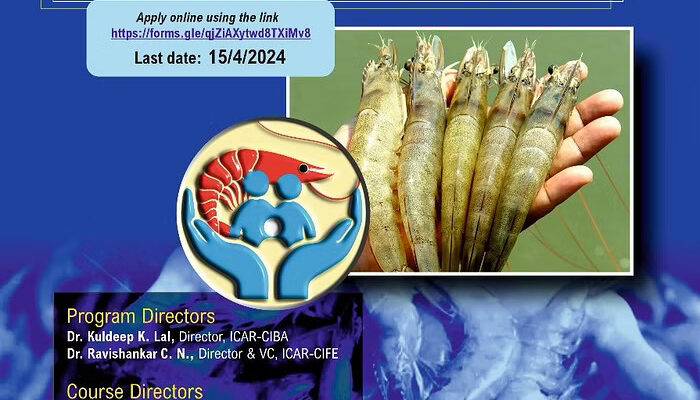
The Indian Council of Agricultural Research (ICAR) is taking a step forward in risk management for the country’s growing shrimp farming industry. Through its institutions, the Central Institute of Brackishwater Aquaculture (CIBA) and the Central Institute of Fisheries Education (CIFE), ICAR has launched a new “Certificate Course on Shrimp Crop Insurance & Loss Assessment.” India’s Rise in Shrimp Farming: With a vast coastline and a focus on export markets, India has seen a significant rise in shrimp farming since the 1970s. However, this lucrative venture also carries inherent risks. The new course aims to equip professionals with the knowledge and skills necessary to mitigate those risks. Course Objectives: The program offers participants a comprehensive understanding of: By delving into risk assessment, documentation, and claims management, the course empowers participants to navigate the complexities of insuring shrimp crops effectively. Who Should Attend? This comprehensive program is designed for a diverse audience, including: Focus on Collaboration and Knowledge Sharing: The course prioritizes industry collaboration and knowledge dissemination. While open to all on a first-come, first-served basis, priority will be given to candidates nominated and sponsored by industry and government entities. Limited Enrollment and Application Process: With a maximum of 30 participants, interested individuals are encouraged to apply early. The application process involves completing a form and submitting payment details. This new course from ICAR-CIBA and ICAR-CIFE provides a valuable opportunity for professionals to gain the expertise needed to manage risks and ensure the continued growth of India’s shrimp farming industry.

Read More

MPEDA Chairman Rejects Criticism, Calls Shrimp Industry “Guilt-Free”

Dodda Venkata Swamy, chairman of India’s Marine Products Export Development Authority (MPEDA), is pushing back against recent media reports and NGO allegations regarding labor abuses, unsanitary conditions, and food safety violations in the Indian shrimp industry. Swamy maintains that India produces “guilt-free seafood” and boasts a “robust regulatory framework” with “stringent checks and controls” ensuring compliance with international standards. He emphasizes regular monitoring and inspections conducted by Indian authorities. However, the claims are in stark contrast to recent reports. The Need for Transparency: While Swamy’s defense highlights India’s efforts toward regulation, the weight of recent reports necessitates further investigation. Addressing the concerns and ensuring transparent practices will be crucial to maintaining consumer trust in Indian seafood exports. Potential Impact: These controversies could impact the reputation of Indian shrimp in the global market. Major importers like the US, already scrutinizing labor practices, might take stricter measures if concerns are not adequately addressed. Looking Ahead: Independent investigations and collaboration between industry leaders, regulatory bodies, and NGOs are essential for ensuring ethical and sustainable practices in the Indian shrimp industry. Only then can India truly claim its seafood is “guilt-free.”

Read More

Sustainable Seafood Certifier ASC Exits China, Raising Concerns About Industry Practices

The Aquaculture Stewardship Council (ASC), a leading organization promoting responsible fish farming practices, is pulling out of China. This move comes amidst growing scrutiny of seafood certification bodies and concerns about ethical and sustainable practices in the industry, particularly in Asia. Strategic Retreat or Deeper Issues? The ASC announced their decision after an 18-month review, stating they will “phase out program operations and cease investment” in China. While the organization emphasizes a desire to focus resources on areas with greater impact, the lack of detailed explanation has sparked speculation. Limited Transparency and Remaining Concerns ASC currently certifies only 30 farms in China, primarily bivalve and tilapia producers. This stands in stark contrast to their competitor, the Global Seafood Alliance (GSA), which has a larger presence in the country. The GSA, in a recent newsletter, reiterated their commitment to all regions, suggesting a difference in approach to tackling challenges in the Chinese market. Industry-Wide Scrutiny: This news coincides with recent media investigations highlighting lapses in seafood supply chain oversight. Both ASC and GSA are currently investigating allegations of worker mistreatment and food safety violations in India’s shrimp processing industry. The Future of Sustainable Aquaculture: The ASC’s exit from China raises questions about the effectiveness of certification programs in ensuring ethical and sustainable aquaculture practices. Increased transparency, stricter enforcement measures, and collaboration within the industry are likely to be crucial in rebuilding consumer trust and ensuring the responsible growth of the aquaculture sector.

Read More

US Imposes Potential Countervailing Duties on Shrimp Imports from Ecuador, India, and Vietnam

The US shrimp industry has received a boost as the Department of Commerce (DOC) announced preliminary countervailing duties on shrimp imports from Ecuador, India, and Vietnam. These duties are meant to offset any unfair advantage these countries might have gained from government subsidies. The Findings: The DOC determined that shrimp producers and exporters in these countries benefitted from subsidies between January 1st and December 31st, 2022. As a result, shrimp exports will face countervailing duties once the determinations are finalized. The final decision is expected in September 2024. Impact on Each Country: Indonesia Avoided Duties: Indonesia, the fourth country investigated, was found to have minimal subsidies and avoided countervailing duties. The Process and Potential Impact: These are preliminary determinations, and the final decision rests with both the DOC (due August 5th) and the International Trade Commission (ITC, due September 19th). If both entities find evidence of subsidies and injury to the US industry, an order imposing duties will be issued by September 26th. Financial Implications: The potential duties could significantly impact these countries’ shrimp exports. Ecuador, for instance, exported over $1.4 billion worth of shrimp to the US in 2022. Even at the base 7.55% duty, this translates to over $100 million in additional costs, and that’s not including the higher rate for Santa Priscila. Looking Ahead: The coming months will be crucial for the shrimp industries in Ecuador, India, and Vietnam as they await the final decisions and potentially adjust their export strategies. This move by the US could also impact global shrimp prices and potentially benefit domestic shrimp producers.

Read More

A Heartfelt Dive into India’s Shrimp Saga: Crafting a Future Where Everyone Wins

Let’s chat about something that’s been bubbling up in the world of seafood – the Indian shrimp industry. You might’ve heard some buzz, with folks taking sides and a bit of drama unfolding. Elias Sait from the Seafood Exporters Association of India wasn’t too thrilled, calling out what he sees as “manipulation.” But hey, let’s take a step back and look at this with kinder eyes, shall we? India’s Shrimp Scene: A Story of Flavor and Heart Imagine biting into a succulent black tiger shrimp or savoring the tender goodness of a mrigal. That’s the magic India brings to our tables, folks! And they’re not just about making it affordable; they’re about doing it with heart. Eco-Friendly Vibes for Our Blue Planet Indian aquaculture is on a green streak, folks. Think sparkling water management, tight biosecurity, and the kind of waste disposal that Mother Nature would nod at. And with shiny badges like the Best Aquaculture Practices (BAP), they’re making sure every step from pond to plate is as responsible as it gets. The Trust Trail: From Ocean to Fork Pradeep Chandra, a shrimp farmer with his roots deep in Andhra Pradesh’s waters, puts it beautifully, “Knowing you folks care about how we do things? That’s the wind in our sails.” And with tech that lets you trace your shrimp’s journey, it’s like a trust handshake with every bite. Raising the Bar on Doing Right Now, it’s not all smooth sailing. The Indian government’s cracking the whip on fair play and worker safety, but there’s room to grow. Enter heroes like “Mangrove Matters” in Kerala, stepping up the game with fair wages, safe gigs, and health benefits. Anjali, a proud worker there, shares, “This job? It’s my ticket to standing tall and proud.” Boosting Coastal Cheers: A Win-Win for All Diving into a dish of Indian shrimp isn’t just a treat for your taste buds; it’s a high-five to the coastal communities thriving on this industry. Organizations like the “Sustainable Aquaculture Society” are all about keeping the balance – nurturing both the earth and the folks calling it home. Joining Hands for a Greener Tomorrow Bigwig exporters and international pals are syncing up to make sure every step in the shrimp journey is on the up and up. It’s about more than just good business; it’s about good karma, ensuring everyone from the workers to our blue planet gets a fair deal. You, the Game-Changer: Casting Votes with Your Fork Every shrimp you pick is a chance to stand up for what’s right. Opting for brands wearing their ethical hearts on their sleeves? That’s how you make waves of change, one delicious choice at a time. Beyond the Buzz: A Toast to Tomorrow Sure, the Indian shrimp industry’s got hurdles, but they’re on a mission for better days. It’s all about rolling up sleeves, facing the challenges, and crafting a future where quality, care, and conscience walk hand in hand. And remember, it’s about weaving connections, not pointing fingers. So, next time you’re enjoying that delectable shrimp, remember the story it carries – a tale of hope, hard work, and a shared dream of a brighter, kinder tomorrow. Here’s to the journey, the lessons, and the delicious destinations ahead!

Read More

US Senator Calls for Action on Potentially Unethical Shrimp Imports from India

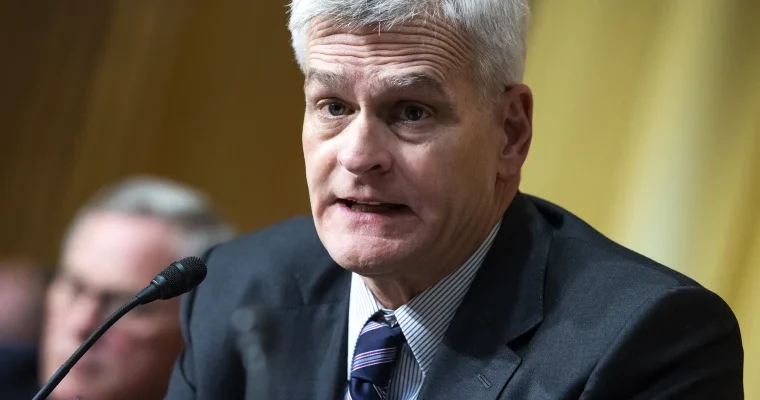
Louisiana Senator Bill Cassidy is urging the United States Trade Representative (USTR) to investigate potential labor abuses and antibiotic use in India’s shrimp industry. The Senator’s request comes in response to a recent whistleblower report raising concerns about the safety and ethics of shrimp imported from India. Senator Cassidy expressed significant worry, stating that “Indian shrimp relies on forced labor and is pumped full of illegal antibiotics.” He emphasized the importance of the USTR taking action “to ensure American consumers are not put in harm’s way.” This allegation follows the release of a report by the Outlaw Ocean Project, which included details from an American whistleblower who formerly worked in the Indian shrimp industry. The report’s contents have not been disclosed in detail, but it has clearly sparked concern from Senator Cassidy. The Louisiana shrimp industry is a significant economic driver for the state, and Senator Cassidy likely fears unfair competition from potentially unethical practices. His request for an investigation could lead to trade actions against India if the allegations are substantiated. This situation highlights the complex challenges surrounding global food supply chains. Balancing affordability with ethical and sustainable practices remains a constant struggle. The outcome of the USTR investigation and any potential trade measures will be closely watched by consumers, industry representatives, and policymakers alike.

Read More

Norway Cracks Open Indian Seafood Market with New Free Trade Deal

Good news for Norwegian seafood producers! A recently signed free trade agreement between Norway (through trade organization EFTA) and India opens doors to a massive new market. While India isn’t traditionally known for salmon consumption, growing affluence among some Indians creates an opportunity for Western-style food products. Barriers Lowered, Opportunities Opened: Previously, high tariffs on most seafood products from Norway stifled market development and exports. This new deal, however, paves the way for a gradual reduction in tariffs over a few years, essentially creating a free trade zone for Norwegian seafood in India. Beyond Salmon: A Feast for the Future: While salmon may be the initial focus, the industry is excited about the broader potential. Seafood Norway CEO Geir Ove Ystmark highlights the agreement’s benefits for “pelagic seafood such as herring and mackerel.” This indicates a long-term vision of diversifying seafood exports to India. Not All Products Included – Room for Improvement: Seafood Norway acknowledges that some companies might be disappointed as certain seafood products are not covered by the deal. This suggests there may be ongoing negotiations to further expand the agreement. Praise for Government, Hope for More: The industry commends the Norwegian government’s efforts in securing this deal. CEO Ystmark emphasizes the importance of similar initiatives, stating, “This gives the industry hopes for strengthened work and good progress in other markets as well.” This suggests a desire for the government to pursue improved market access in key areas like the EU and Japan. Overall, this free trade agreement marks a significant step for the Norwegian seafood industry, offering exciting possibilities for expansion into the vast Indian market.

Read More

Shrimp Sinking: What’s Causing the Industry Downturn?

The shrimp industry holds a significant position in India’s total seafood basket. In FY23, the country’s seafood exports amounted to $8 billion, with frozen shrimps commanding a whopping 70 per cent share of this total. However, the industry has weathered rough times of late. From losing its crown as the world’s top shrimp exporter in 2020 to a COVID-led price crash and rising feed costs, it has faced several headwinds. Before delving into the reasons why this once-thriving industry went for a nosedive, let’s look at its history. A background During the early 1980s, there was a global surge in the demand for shrimps, particularly in China and the US. With the strategic advantage of a tropical climate, expansive coastlines and an abundant workforce, India was perfectly positioned to dive into the burgeoning shrimp farming industry. The Indian shrimp industry further got a boost when it started cultivating the Vannamei shrimp, in response to the White Spot Syndrome (WSS) that decimated the popular black shrimp populations worldwide. As traditional powerhouses like Vietnam and Thailand saw declines, India’s shrimp market flourished, capturing 90 per cent of its production in the resilient Vannamei variety and fetching lucrative export prices. Among these, Avanti Feeds stood out, its value soaring twentyfold in just four years during the early 2010s! Shrimp industry performance: FY13-18 Robust demand and change in shrimp breed has led to phenomenal growth Company Revenue growth (% pa) Profit after tax growth (% pa) Median ROCE (%) Avanti Feeds 39.2 72.8 63.5 Apex Frozen Foods 31.4 53 27.3 Coastal Corporation 31.1 35.6 27.3 Zeal Aqua 19.7 24.1 16.5 Waterbase 16.9 37.8 17.6 Note: ROCE is return on capital employed However, the glory days did not last long, as most of the leading shrimp producers, including Avanti Feeds, faced a sharp decline in their profit after tax (PAT). Companies such as Waterbase reported zero revenue growth and a PAT growth of -178.5 per cent between 2019-24. Shrimp industry performance: FY19-23 Weak demand and other factors brought misery Company Market cap (Rs cr) Revenue growth (% pa) Profit after tax growth (% pa) Median ROCE (%) 4Y share price return (% pa) Avanti Feeds 6984 9.9 0.5 32.4 -5.05 Apex Frozen Foods 682 5.2 -12.4 13.3 -13.35 Coastal Corporation 392 -12.5 -35.1 10.7 -13.1 Waterbase 344 0 -178.5 4.95 -23.21 Zeal Aqua 151 -1.5 0 11.11 -11.08 Note: Market cap as of February 16, 2024 Let’s look at the factors behind the decline of these companies and the Indian shrimp industry. COVID crash As per Fishsite, India’s shrimp sector suffered a massive blow of $1.5 billion due to the pandemic. An unforeseen glut, fueled by supply chain snarls, left shrimp producers drowning in surplus stock during 2020-21. For instance, Avanti Feeds’ inventory days ballooned from 52 in FY20 to 80 by FY23. Initially spiked by pandemic pressures, the company began hoarding shrimp feed ingredients in FY21, betting on a surge in future prices. However, this gamble turned sour as costs soared and anticipated demand fizzled out in FY23. The industry’s woes were further compounded by shrinking appetites for shrimp, thanks to lockdowns and dining restrictions. Consequently, shrimp prices were pushed down to the floor. For instance, the farm gate prices of Vannamei shrimp plunged to $2.88/kg (Rs 236/kg) in FY23, from $3.54/kg (Rs 267/kg) in March 2020, as per the Food and Agriculture Organisation and Global Seafood Alliance. Although shrimp prices started looking up in FY24, they still remain below pre-pandemic levels. The export tussle Traditionally, the US, a leading shrimp importer, has favoured the Indian shrimp. As of FY23, it accounted for 33 per cent of the total shrimp exports by India. Yet, this reliance on the US market has unexpectedly backfired. Owing to the pandemic, there was a drastic increase in freight costs for shipping, causing a dip in exports. At the same time, Ecuador capitalised on its geographical proximity to Western markets, presenting a logistical edge over its Asian peers. As the US began forging trade agreements and slashing tariffs with Ecuador, it signalled a shift towards diversifying its shrimp sources, reducing its dependency on India. Further, Ecuador’s competitive pricing matched India’s, creating a mutually beneficial scenario for both the US and Ecuador. The scenario worsened when the US imposed a 3.8 per cent anti-dumping duty on several Indian shrimp exporters in 2023, further challenging India’s competitiveness in the market. Between September 2021 and September 2022, India witnessed a 12 per cent reduction in shrimp export volumes to the US, whereas Ecuador enjoyed an 11 per cent increase in its export volumes during the same period, as reported by SIAM Canadian. This shift underscores the fluid nature of international trade and the continuous search for more advantageous economic partnerships. Burgeoning feed costs Shrimp feed boasts a specialised diet, crafted to ensure the vitality and growth of shrimp. It is concocted from a trio of essential ingredients: soybean meal, fishmeal and wheat flour. However, the journey to sustaining shrimp health with these nutrients has been fraught with economic setbacks. Over the past three years, the feed industry has been riding a rollercoaster of price volatility, particularly due to a staggering 40 per cent increase in fishmeal prices due to its global scarcity. This uptick has tightened the purse strings of many farmers, squeezing their profit margins. What does the future hold for it? India’s shrimp industry is at a crossroads, caught between opportunity and challenge. As a significant portion of India’s shrimp heads overseas for additional processing, the nation is missing out on a lucrative slice of the revenue pie. Recognising this gap, companies like Avanti Feeds are pivoting towards producing value-added shrimp products. These premium offerings promise higher profit margins than their standard counterparts, signalling a potentially prosperous shift away from mere commodity trading. In a strategic move to bolster the aquaculture sector, the Indian government is stepping up, slashing customs duties on shrimp feed from a steep 15 per cent down to a more manageable 5 per cent. Further, by setting a daring

Read More

Indian Seafood Exports See Dip, But Hopeful Signs Emerge for Recovery

India’s once-booming seafood export industry is currently weathering a storm. While the initial target for FY24 was a robust $9.25 billion, current estimates project a more modest figure of around $7.5 billion, falling short of the previous year’s $8.09 billion. This decline can be largely attributed to the sharp drop in global shrimp prices, particularly for vannamei shrimp, the kingpin of India’s seafood export basket. A Perfect Storm for Shrimp Exporters: The plummeting shrimp prices have had a ripple effect throughout the industry. Exporters faced significant financial constraints, struggling to maintain profitability as export values dipped. This, in turn, impacted aquaculture farmers who saw the bottom line of their operations shrink. The industry’s optimism for the year quickly faded, with hopes of reaching the ambitious target dashed by the second half of FY24. Signs of a Turnaround: A Beacon on the Horizon? However, amidst the current challenges, there are glimmers of hope suggesting a potential turnaround in the coming months. Here’s a deeper dive into the positive indicators: Beyond Price: A Strategic Advantage in Value-Added Products: India holds a strategic advantage over some competitors like Ecuador when it comes to product offerings. While Ecuador primarily exports head-on, raw shrimp, India boasts a wider range of processed and value-added seafood products. This diversification offers greater resilience and the potential for higher profits in the global market. Uncertain Currents: Challenges in Key Markets Despite the positive indicators in the US market, the outlook for other major buyers like China and Europe remains somewhat murky. Economic slowdowns in these regions have led to reduced consumer spending, which could potentially dampen demand for imported seafood products. Navigating Regulatory Headwinds: Beyond market uncertainties, the industry faces additional challenges arising from recent government regulations. A new mandate requiring payments to domestic suppliers within 45 days could disrupt established payment cycles, particularly for exports to Europe, where payment cycles typically stretch over 90 days. Exporters are concerned about potential cash flow issues due to this regulation. Shrimp Production: A Mixed Bag While a slight increase in shrimp production is anticipated for the next harvest due to higher broodstock imports, overall production for 2023 is likely to fall short of 2022 figures. This highlights the need for continued efforts to optimize production efficiency and minimize the impact of external factors. A Silver Lining: The Rise of Black Tiger Shrimp Production of black tiger shrimp, a premium variety fetching higher prices, is expected to rise significantly. This positive development could potentially offset some of the decline in vannamei production and contribute to a more balanced export portfolio. The Road Ahead: A Collaborative Effort for Sustainable Growth The Indian seafood industry is undoubtedly navigating a challenging period. However, the presence of positive indicators, such as stabilizing shrimp prices, increased farm stocking, and a focus on value-added products, suggests a potential rebound in the coming months. To ensure sustainable growth in the long term, collaborative efforts are crucial. Government initiatives to streamline regulations, continued investment in farm technology, and a focus on market diversification will all be essential in helping the industry weather current storms and set sail for smoother sailing ahead.

Read More

Indian seafood exporters benefit from rupee settlement with Russia

India’s seafood exports to Russia have seen a significant boost in the last nine months, thanks to the new mechanism of trade settlement in rupees that was introduced by the Reserve Bank of India (RBI) in July 2022. According to the data from the Marine Products Export Development Authority (MPEDA), India exported seafood worth $ 5.69 million to Russia in 2022, up from $ 4.03 million in 2021¹. The rupee settlement system allows Indian exporters and importers to use a special vostro account linked to the correspondent bank of the partner country for receipts and payments denominated in rupees². This reduces the dependence on the US dollar and other foreign currencies, and also helps avoid the impact of sanctions and currency fluctuations. The seafood industry, which mainly exports frozen shrimp and surimi to Russia, has welcomed the move as it opens up new opportunities and reduces transaction costs. “The rupee settlement has given us a competitive edge in the Russian market, as we can offer better prices and quality to our buyers. We also save on the exchange rate and commission charges that we used to incur earlier,” said Anwar Hashim, president of the Seafood Exporters Association of India (SEAI)³. The SEAI has also requested the RBI and the MPEDA to extend the rupee settlement facility to other countries, especially in the Middle East and Southeast Asia, where India has a large trade surplus in seafood. “We believe that the rupee settlement can help us increase our market share and diversify our export destinations. It will also boost the confidence of the Indian seafood industry, which has been facing challenges due to the COVID-19 pandemic and the global shrimp price slump,” Hashim added³. India is the world’s second-largest producer and exporter of seafood, with a total export value of $ 8.6 billion in 2022⁴. Russia is one of the emerging markets for Indian seafood, with a potential demand of 50,000 tonnes per year⁵. The rupee settlement mechanism is expected to further enhance the bilateral trade relations between the two countries and contribute to the growth of the Indian seafood sector. — Source:(2) Seafood exporters see bright spots in Russia as rupee … – Moneycontrol. https://www.moneycontrol.com/news/business/economy/seafood-exporters-see-bright-spots-in-russia-as-rupee-settlement-is-allowed-8855391.html.(3) 39 Indian firms get Russian nod for seafood export – Business Standard. https://www.business-standard.com/article/markets/39-indian-firms-get-russian-nod-for-seafood-export-109101500014_1.html.(4) India Exports of meat, fish and seafood preparations to Russia – 2024 …. https://tradingeconomics.com/india/exports/russia/meat-fish-seafood-preparations.(5) Explainer: How Feasible Is RBI’s Push to Settle International Trade in …. https://thewire.in/economy/explainer-rbi-rupee-settlement-international-trade.(6) Explained: Why RBI has allowed rupee settlement system for …. https://timesofindia.indiatimes.com/business/india-business/explained-why-rbi-has-allowed-rupee-settlement-system-for-international-trade/articleshow/92818342.cms.(7) India, Russia Suspend Negotiations to Settle Trade in Rupees: Sources. https://www.tasnimnews.com/en/news/2023/05/06/2890472/india-russia-suspend-negotiations-to-settle-trade-in-rupees-sources.(8) India, Russia said to suspend talks to settle trade in rupees. https://www.thehindu.com/business/india-russia-said-to-suspend-talks-to-settle-trade-in-rupees/article66812838.ece.(9) India, Russia suspend negotiations to settle trade in rupees. https://economictimes.indiatimes.com/news/economy/foreign-trade/india-russia-suspend-negotiations-to-settle-trade-in-rupees-sources/articleshow/99982683.cms.

Read More

Reviving India’s Coastal Forests: The Role of Sacred Groves

Deep in the heart of India, where ancient traditions meet modern conservation efforts, lies a remarkable story of ecological revival. Scattered along the coast, sacred groves – patches of forest protected by religious communities – offer a sanctuary for a nearly extinct ecosystem: the tropical dry evergreen forest. This article delves into the fascinating journey of how these sacred havens, once threatened by urbanization, are now becoming beacons of hope for biodiversity. From Pilgrimages to Preservation: The article starts with Sathyamurthy N., a villager from Tamil Nadu, reminiscing about his childhood pilgrimages to the Keezhputhupattu sacred grove. While the days of long walks have faded, the grove itself holds immense significance. It’s a testament to the deep connection between local communities and these ecological treasures. A Forest on the Brink: However, the story takes a somber turn as we learn about the devastating decline of the tropical dry evergreen forest. Once sprawling across the coast, it’s now reduced to mere remnants due to development and exploitation. Enter the Auroville Forest Group: A glimmer of hope emerges with the arrival of the Auroville Forest Group. Led by Paul Blanchflower and Glenn Baldwin, this team embarks on a mission to revive the lost ecosystem. Recognizing the importance of sacred groves, they meticulously map and document the remaining patches, becoming crucial allies in the fight for conservation. Learning from the Past, Planting for the Future: The team’s efforts don’t stop at documentation. They actively learn from the native biodiversity of the sacred groves, using it as a blueprint for reforestation in Auroville. Community-run nurseries sprout, producing thousands of native saplings each year. Slowly, meticulously, the Auroville forest starts to transform, replacing foreign species with its rightful inhabitants. Sathyamurthy’s Mission: Sathyamurthy, now working at the Auroville Botanical Gardens, plays a vital role in educating the next generation. He guides students through the sacred groves, fostering a deep appreciation for their ecological and cultural significance. He equips them with seeds, saplings, and knowledge, hoping they will become stewards of these irreplaceable ecosystems in their own communities. The Fight Continues: Despite the progress, challenges remain. Unsustainable extraction and urbanization continue to threaten the sacred groves. The article concludes with a call to action, urging for continued awareness, education, and conservation efforts to ensure these sanctuaries thrive for generations to come. This is not just a story about saving a forest; it’s a testament to the power of tradition, collaboration, and scientific knowledge working hand-in-hand to protect a vital piece of our planet’s heritage.

Read More

High Hopes for High Seas: Can Infrastructure Investment and Seafood Boost India’s Exports

India’s export scene faces a tough challenge with a recent 5.7% dip in merchandise exports. However, amidst the decline, a glimmer of hope emerges from two key areas: high capital expenditure (capex) and a focus on boosting seafood exports. Let’s dive into the details and see if these strategies can truly propel India’s export ship forward. Infrastructure Boost: Building Bridges, Building Trade The Indian government’s proposed high capex allocation has exporters cheering. This increased investment aims to improve crucial infrastructure, including three major economic railway corridors. These corridors promise smoother and faster movement of goods across the country, potentially reducing logistics costs and delays, two major hurdles for exporters. Improved connectivity could connect manufacturing hubs to ports more efficiently, making exports more competitive in the global market. From Land to Sea: Cultivating Exports in the Blue Frontier Another exciting proposal targets India’s vast coastline – a renewed focus on seafood exports. The government plans to double the current target, aiming to reach a whopping ₹1 lakh crore ($12.5 billion). This ambitious goal will be supported by several initiatives, including enhancing aquaculture productivity and establishing five integrated aqua parks. By improving efficiency and promoting sustainable practices, India can tap into the growing global demand for high-quality seafood, creating new export opportunities and diversifying its export basket. Challenges and Navigating the Course While these initiatives hold promise, navigating the export waters won’t be without challenges. Effective implementation of the high capex projects is crucial to ensure timely completion and avoid cost overruns. Additionally, boosting seafood exports requires addressing concerns about sustainability and hygiene standards to meet stringent international requirements. Regulatory hurdles and access to financing must also be addressed to provide a smooth path for potential exporters. Looking Forward: Charting a Course for Export Success Despite the challenges, the focus on infrastructure and seafood presents a unique opportunity for India to revitalize its export sector. By effectively implementing these plans, addressing concerns, and fostering a supportive environment for exporters, India can chart a course towards a more vibrant and diversified export landscape, riding the waves of high infrastructure investments and tapping into the potential of its blue frontier.

Read More