
 editor
Troubled Waters: Navigating the India-Sri Lanka Fisheries Feud in the Palk Bay
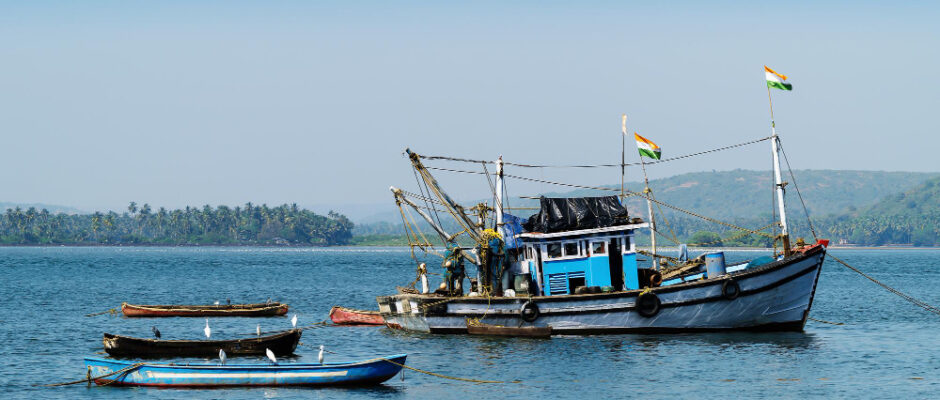
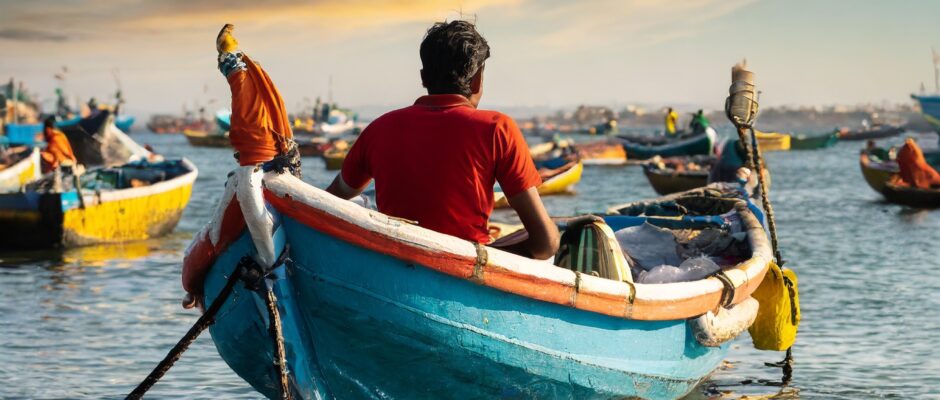
The India-Sri Lanka fisheries dispute, simmering for decades in the narrow Palk Bay, continues to ripple through diplomatic ties between these maritime neighbors. Recently, Sri Lankan Leader of the House, Bimal Rathnayake, urged India to crack down on illegal fishing in Sri Lankan waters, spotlighting the plight of Tamil-speaking fishermen in Sri Lanka’s Northern Province. While praising India’s historical support, he underscored the pressing need to protect local livelihoods battered by this persistent conflict. The Heart of the Dispute At its core, the disagreement hinges on several thorny issues. Indian fishermen, often aboard trawlers, drift into Sri Lankan waters due to engine trouble or erratic weather, only to face arrests, vessel destruction, and hefty fines from Sri Lankan authorities. Boat confiscations linger even after fishermen are released, deepening the frustration. The International Maritime Boundary Line (IMBL), splitting the Palk Bay evenly under the UN Convention on the Law of the Sea (UNCLOS), is a flashpoint. Indian fishermen assert historical fishing rights beyond this line, rooted in tradition, but Sri Lanka brands these incursions as poaching. Overfishing on India’s side has depleted stocks, pushing fishermen into richer Sri Lankan waters, while the use of bottom trawling—dragging weighted nets across the seabed—wreaks ecological havoc, demolishing coral reefs and sponges. Sri Lanka also harbors security fears, suspecting coordinated trawler intrusions could mask a resurgence of Tamil militant groups. Adding fuel to the fire is the Katchatheevu Island dispute. Ceded to Sri Lanka in 1974, the island’s agreement remains contentious, with India arguing it never fully surrendered fishing rights, while Sri Lanka restricts access for even basic activities like resting or shrine visits. Bonds Beyond the Conflict Despite this maritime standoff, India and Sri Lanka share robust cooperation elsewhere. India’s development aid shines through projects like the Indian Housing Project, aiming to build 50,000 homes for war-torn communities, alongside power and port upgrades in northern Sri Lanka. Economically, the India-Sri Lanka Free Trade Agreement (ISFTA) thrives, with India as Sri Lanka’s third-largest export market, and talks of an Economic and Technology Cooperation Agreement (ETCA) signal deeper ties. Cultural exchanges flourish under a 1977 agreement, bolstered by the Indian Cultural Centre in Colombo, while defense ties strengthen through joint exercises like Mitra Shakti and SLINEX, plus shared platforms like BIMSTEC and SAARC. The High Stakes of the Stalemate The fallout from this dispute is profound. Arrests by the Sri Lanka Navy leave Indian fishing families in distress, with sea clashes claiming lives and livelihoods. Patrolling the IMBL strains both nations’ resources, while the blurry line between fishermen and smugglers heightens security risks. Politically, the tension has swayed India’s stance on UN resolutions concerning Sri Lanka’s human rights. Environmentally, bottom trawling scars the seabed, threatening fish stocks for generations, and economically, Sri Lanka estimates a staggering $730 million annual loss from Indian overfishing. Global Rules of the Game International law offers some guardrails. The 1995 UN Fish Stocks Agreement (UNFSA) urges states to join Regional Fisheries Management Organizations (RFMOs) or adopt their conservation rules to fish responsibly. UNCLOS Article 87 curbs high-seas fishing freedoms, demanding respect for other nations’ rights—principles both countries must weigh in this dispute. Charting a Path Forward A resolution demands bold steps. A joint marine resource authority could regulate Palk Bay fishing, building on the stalled India-Sri Lanka Joint Working Group (JWG) on Fisheries from 2016. India’s push toward deep-sea fishing, backed by the Palk Bay scheme under the Pradhan Mantri Matsya Sampada Yojana (PMMSY), aims to ease border pressure with ventures like seaweed farming. Phasing out bottom trawling requires enforcing India’s 1983 Tamil Nadu Marine Fishing Regulation Act with incentives for sustainable gear, while Sri Lanka could designate joint fishing zones. Technology and cooperation offer promise—think Australia-Indonesia-style joint patrols with real-time monitoring. Humanitarian measures, like swift repatriation of detained fishermen and a UNCLOS-inspired arbitration framework, could soothe tensions. Together, these steps could transform the Palk Bay from a battleground into a shared resource. A Bigger Picture The India-Sri Lanka fisheries feud isn’t just about fish—it’s a test of diplomacy in the Indo-Pacific. By harnessing their maritime kinship, both nations can turn troubled waters into a tide of stability, cooperation, and prosperity, proving that even the choppiest seas can be navigated with goodwill and grit.