Seafood Of India

Blog Post

Beyond Catch: Reimagining India’s Fisheries for Sustainable Growth

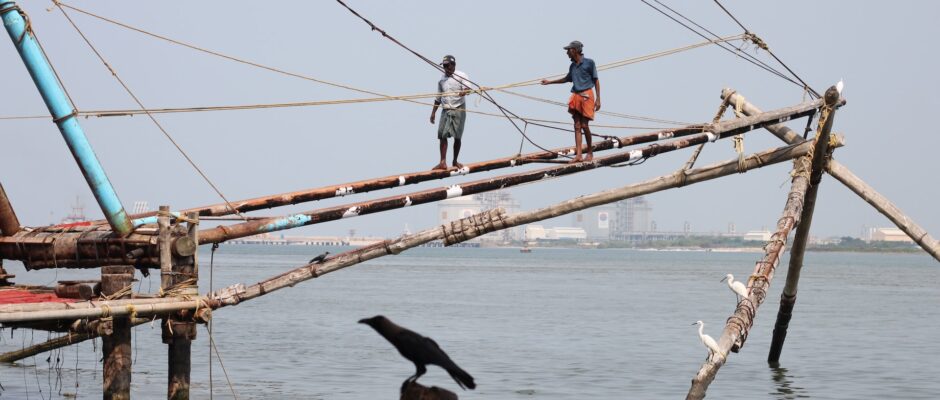
India’s fisheries hold immense potential, boasting generations of expertise and diverse resources. Inland fisheries, brackish water farms, and marine harvests paint a picture of sustainable practices and socioeconomic upliftment for countless communities. Yet, despite this promise, India’s fisheries growth remains stagnant, falling short of its vast international potential. This stagnation stems from three interconnected challenges: **1. Siloed Efforts:** Each player in the sector, from universities to corporations and government agencies, operates within isolated “walled gardens,” hindering collaboration and shared progress. **2. Dysfunctional Cooperatives:** Despite numerous fisheries cooperatives, their effectiveness is hampered by internal factions, lack of transparency, and inadequate capital. The absence of a unified, Amul-like cooperative deprives fishermen of ownership and shared success. **3. Fragile Ecology and External Demands:** Overfishing threatens the delicate ecosystem, while the WTO’s push for ending fisheries subsidies and the need for circular practices add further complexity. Moving forward, India’s fisheries need a paradigm shift. We must move beyond techno-managerial solutions and embrace social engineering and social justice. This means: **1. Bridging the Knowledge Gap:** Universities and offices must actively engage with fishermen and fisherwomen, understanding their reality and incorporating their experiences into research and development. **2. Building True Ownership:** Fisheries cooperatives need to be reformed, fostering transparency, adequate capital, and a sense of shared ownership and responsibility. **3. Balancing Tradition and Modernity:** Solutions must support both large-scale ventures and traditional, marginal fishermen, ensuring a fair and sustainable future for all. **4. Protecting the Ecosystem:** Overfishing must be addressed through stricter regulations and innovative practices, while embracing circularity through initiatives like recycled fishing nets. **5. Strategic Interventions:** Region-specific interventions are crucial to address the diverse needs of India’s vast fisheries landscape. By addressing these challenges and implementing these solutions, India can unlock the true potential of its fisheries, exceeding the ambitious targets set by the Pradhan Mantri Matsya Sampada Yojana (PMMSY) and paving the way for a sustainable and prosperous future for generations to come. This is not just about catching more fish, but about creating a thriving, equitable, and environmentally conscious fisheries sector that empowers communities and nourishes the nation.

Read More

Navigating a Changing Seascape: China’s Growing Influence in the Indian Ocean Region

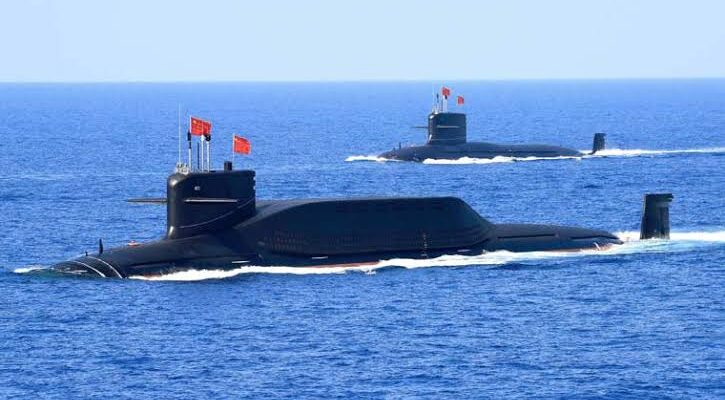
The Indian Ocean Region (IOR) pulsates with economic and strategic significance, linking Asia, Africa, Europe, and Australia. It serves as a crucial waterway for global trade, energy security, and maritime safety. This vast region, encompassing 3.5 million square kilometers and housing approximately 2 billion people, boasts over 1,500 islands, many disputed or subject to overlapping claims. In recent years, the IOR has witnessed a rising tide of Chinese influence, prompting both opportunities and challenges for India and the region as a whole. Through initiatives such as the Belt and Road Initiative (BRI), the Asian Infrastructure Investment Bank (AIIB), and the Shanghai Cooperation Organization (SCO), China has asserted its economic, political, military, and cultural presence. Naval exercises, port visits, scientific research activities, fishing expeditions, and infrastructure projects undertaken by China across various IOR nations further exemplify its growing reach. India, wary of China’s expanding influence, perceives it as a potential threat to its national security and interests. Consequently, India has undertaken several measures to strengthen its own presence in the IOR, including: * **Enhancing its naval fleet:** India has embarked on a modernization and expansion program, aiming to bolster its maritime capabilities.* **Conducting joint exercises:** Collaborative exercises with friendly nations like Sri Lanka, Maldives, Indonesia, Australia, Japan, France, and the UK foster closer ties and enhance regional cooperation.* **Participating in multilateral forums:** Platforms such as the Indian Ocean Rim Association (IORA), the Indian Ocean Naval Symposium (IONS), and the IONS+ provide avenues for dialogue and understanding.* **Promoting connectivity initiatives:** India’s own connectivity projects, like the International North-South Transport Corridor under the Sagarmala project, aim to facilitate trade and infrastructure development.* **Developing maritime domain awareness:** Initiatives like the INSAT-3D platform enhance India’s ability to monitor and secure its maritime interests.* **Expanding trade and investment ties:** Fostering stronger economic partnerships with regional players like the UAE strengthens India’s regional footprint. China’s presence in the IOR carries both promise and peril. On the one hand, it presents opportunities for collaboration on critical issues like maritime security, climate change, fisheries management, and infrastructure development. Collaboration can foster mutual understanding, trust, and regional stability, ultimately contributing to shared prosperity. However, China’s growing influence also poses significant challenges for India and the region. Competition over resources, territories, and strategic interests could escalate tensions and friction. Furthermore, China’s actions may be perceived as aggressive or intrusive by other nations, leading to potential conflicts. Therefore, navigating the changing landscape of the IOR requires a balanced and pragmatic approach. India and the region should engage with China on areas of mutual benefit while remaining vigilant in safeguarding their own rights and interests. Cooperation on issues of common concern, such as piracy, terrorism, and nuclear proliferation, remains crucial. Additionally, upholding a rules-based order in the IOR that respects international law, freedom of navigation, and the sovereignty of states is essential to ensuring regional stability and prosperity. By adopting a proactive and collaborative approach, India and the region can navigate the complex and evolving dynamics of the Indian Ocean, harnessing opportunities for cooperation while mitigating potential risks and ensuring a peaceful and prosperous future for all.

Read More

The Modernized Marine Museum at the Fish Survey of India in Visakhapatnam: Unveiling the Wonders of the Deep

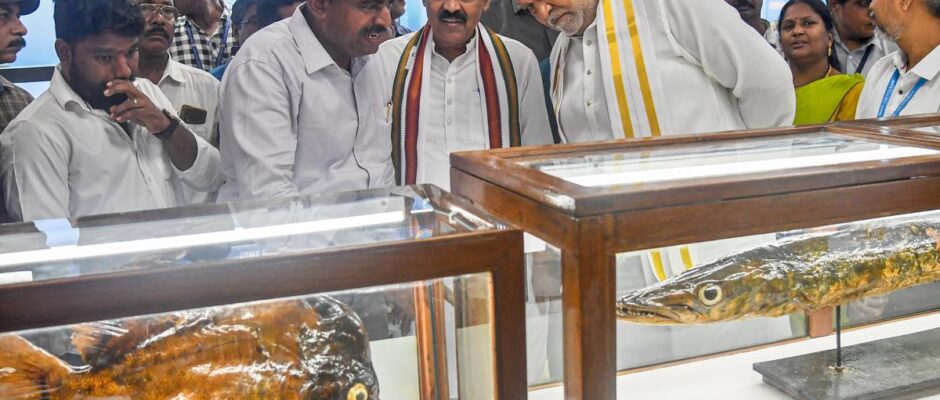
Nestled in the vibrant city of Visakhapatnam, Andhra Pradesh, lies a treasure trove of marine knowledge and wonder – the modernized Marine Museum at the Fish Survey of India (FSI). Inaugurated in December 2022, this museum has undergone a remarkable transformation, offering visitors a captivating glimpse into the fascinating world beneath the waves. **A Journey Through the Ocean’s Realm** [Image of the Modernized Marine Museum at the Fish Survey of India in Visakhapatnam] The museum boasts an impressive collection of over 200 preserved marine species, showcasing the incredible biodiversity of the Bay of Bengal. From majestic sharks and colorful reef fish to delicate invertebrates and prehistoric fossils, each specimen tells a unique story about the intricate web of life in the ocean. **Interactive Exhibits for All Ages** Gone are the days of static displays and dusty cabinets. The modernized museum embraces interactive technology to engage visitors of all ages. Touchscreens offer detailed information about each species, while multimedia presentations bring the ocean’s depths to life. A dedicated children’s area sparks curiosity and inspires young minds to explore the wonders of the underwater world. **Conservation and Research at the Forefront** The museum isn’t just about exhibits; it also serves as an important center for marine conservation and research. The FSI, a premier organization dedicated to the sustainable management of India’s fisheries, utilizes the museum as a platform to educate the public about the threats to our marine ecosystems. Visitors learn about the importance of responsible fishing practices and the crucial role they can play in protecting the ocean for future generations. **Beyond the Museum Walls** The museum’s impact extends beyond its physical walls. Educational programs and outreach initiatives reach schools, communities, and stakeholders throughout the region, fostering a deeper understanding and appreciation for the ocean’s immense value. **A Must-Visit for Marine Enthusiasts** Whether you’re a seasoned oceanographer or simply fascinated by the mysteries of the deep, the modernized Marine Museum at the FSI in Visakhapatnam offers an unforgettable experience. Immerse yourself in the captivating world of marine life, learn about the vital role of the ocean in our planet’s health, and discover how you can contribute to its conservation. **Additional Information:** * **Location:** Fish Survey of India, Visakhapatnam Base, Andhra Pradesh* **Opening Hours:** Tuesday to Sunday, 10:00 AM to 5:00 PM (Closed on Mondays)* **Entry Fee:** Rs. 10 for adults, Rs. 5 for children* **Contact Information:** FSI Visakhapatnam Base – 0891-2761311* **Website:** [https://fsi.gov.in/](https://fsi.gov.in/) Conclusion The modernized Marine Museum at the FSI in Visakhapatnam stands as a testament to India’s commitment to marine conservation and research. Through its innovative exhibits, educational programs, and dedication to the ocean, the museum inspires visitors to become stewards of our precious marine resources. As we move towards a more sustainable future, this museum plays a crucial role in shaping a deeper connection between people and the ocean, ensuring its continued health and prosperity for generations to come.

Read More

Marine-Based Ingredients for Cosmetics: A Growing Market with Potential

The cosmetic industry is constantly looking for new and innovative ingredients that can offer effective solutions for various skin concerns. Among the many sources of natural ingredients, marine-based ones have gained increasing attention in recent years due to their unique characteristics and benefits. Marine-based ingredients are derived from aquatic organisms, such as algae, seaweed, fish, and crustaceans, that live in the sea. These ingredients contain a rich diversity of bioactive compounds, such as polysaccharides, amino acids, vitamins, minerals, antioxidants, and enzymes, that can modulate the skin’s microbiome, reduce inflammation, improve elasticity, and prevent signs of aging¹. According to a report by Future Market Insights (FMI), the global marine active ingredient market size was valued at USD 575.64 billion in 2021 and is expected to grow at a compound annual growth rate (CAGR) of 6.6% from 2023 to 2030². The report attributes this growth to several factors, such as: – The increasing consumer demand for clean and green skincare products that are free from harmful chemicals and synthetic additives.– The growing awareness about the benefits of marine-based ingredients for skin health and beauty.– The rising popularity of natural and organic skincare products among millennials and Gen Z consumers.– The innovation and development of new formulations that combine marine-based ingredients with other natural or synthetic ingredients to enhance their efficacy and performance.– The emergence of new applications and markets for marine-based ingredients in cosmetics, such as anti-aging products, anti-pollution products, anti-inflammatory products, etc. The report also segments the market by application (face care, body care, hair care), by ingredient type (algae based, seaweed based), by region (North America, Europe, Asia Pacific), by key players (L’Oréal S.A., Unilever PLC., Estée Lauder Companies Inc., Shiseido Company Limited., Amorepacific Corporation), etc. Some of the key players operating in the market are L’Oréal S.A., Unilever PLC., Estée Lauder Companies Inc., Shiseido Company Limited., Amorepacific Corporation². However, despite the promising prospects of the market for marine-based ingredients in cosmetics, there are also some challenges and opportunities that need to be addressed. Some of these are: – The sustainability and ethical issues related to the sourcing and harvesting of aquatic organisms. Some marine-based ingredients may be overexploited or endangered due to high demand or illegal fishing practices. Therefore, there is a need for responsible sourcing of ingredients that ensure environmental protection and social welfare¹.– The quality control and standardization issues related to the extraction and purification of bioactive compounds from aquatic organisms. Some marine-based ingredients may have low bioavailability or stability due to complex matrices or degradation processes. Therefore, there is a need for efficient extraction methods that preserve the potency and functionality of these compounds¹.– The regulatory compliance issues related to the safety evaluation and approval of marine-based ingredients in cosmetics. Some marine-based ingredients may have potential adverse effects or interactions with other ingredients or consumers due to unknown mechanisms or interactions. Therefore, there is a need for rigorous testing methods that ensure compliance with relevant laws and regulations¹. Despite these challenges and opportunities,the market for marine-based ingredients in cosmetics offers a great potential for innovationand differentiation in terms of product development,formulation,and marketing strategies.Marine-based ingredients can offer unique benefitsthat cannot be replicated by other sourcesof natural or synthetic ingredients.They can also create novel experiencesfor consumersthat enhance their satisfactionand loyalty.Therefore,the market for marine-based ingredients in cosmeticsis expected to grow significantlyin the coming yearsand contribute positivelyto the overall performanceand competitivenessof the cosmetic industry. References: ¹: [Marine Natural Products as Innovative Cosmetic Ingredients](^2^)²: [Marine Active Ingredients Market Trends & Forecast 2033 | FMI](^3^) Source: Conversation with Bing, 09/12/2023(1) Global Marine Based Skincare Ingredients Market Size, Share, Growth …. https://www.skyquestt.com/report/marine-based-skincare-ingredients-market.(2) Marine Natural Products as Innovative Cosmetic Ingredients. https://www.mdpi.com/1660-3397/21/3/170.(3) Marine Natural Products as Innovative Cosmetic Ingredients. https://www.mdpi.com/1660-3397/21/3/170.(4) Marine Active Ingredients Market Trends & Forecast 2033 | FMI. https://www.futuremarketinsights.com/reports/marine-active-ingredients-market.(5) Marine Drugs | Free Full-Text | Potential Cosmetic Active Ingredients …. https://www.mdpi.com/1660-3397/20/12/734.(6) undefined. https://doi.org/10.3390/md21030170.

Read More

Unlocking Global Palates: Vietnamese Seafood Expert Inspires Andhra Pradesh’s Marine Industry

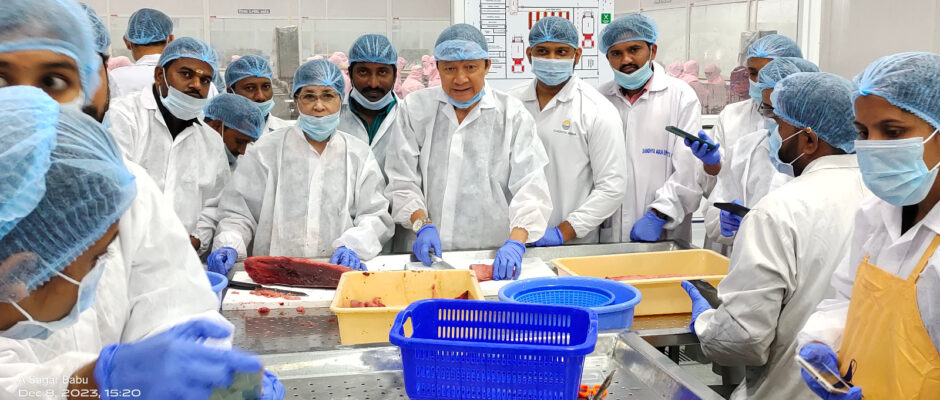
Renowned Vietnamese seafood processing expert, Tran Quoc Son, has identified a burgeoning market for Indian seafood products, particularly those from Andhra Pradesh, in Vietnam. During a three-day training session held at Sandhya Aqua Products Private Limited in Krishna district, Mr. Quoc Son urged aqua processing unit leaders to prioritize the export of ready-to-eat seafood items. Emphasizing the growing international demand for value-added marine products, he commended the management of Sandhya Aqua for maintaining high standards of quality and cleanliness in processing. “Vietnamese consumers have a penchant for Indian shrimp and seafood, and the current trend is towards the heightened appeal of value-added products in the global market,” Mr. Quoc Son shared during an interview with The Hindu. He lauded Sandhya Aqua’s commitment to quality throughout the peeling, grading, cooking, and packing processes, highlighting the adherence to standard methods by the staff, especially the women involved in preparing and packing the value-added products. Mr. Quoc Son conducted a comprehensive assessment of the entire seafood production cycle, including stock procurement from farmers, transportation, cleaning, processing, and exports. He expressed appreciation for Sandhya Aqua’s dedication to exporting high-quality value-added seafood. Drawing parallels with Vietnamese dining habits, he revealed, “In Vietnam, shrimp is a daily staple, and value-added seafood items are highly sought after in our restaurants.” As the Marine Products Export Development Authority (MPEDA) orchestrates a State-wide hands-on training initiative, Andhra Pradesh’s aqua industry looks poised to capitalize on the expertise shared by Tran Quoc Son, potentially elevating the state’s marine products onto even more international plates.

Read More

Millets and Fish Food Festival in Kochi Promotes Healthy Eating Habits

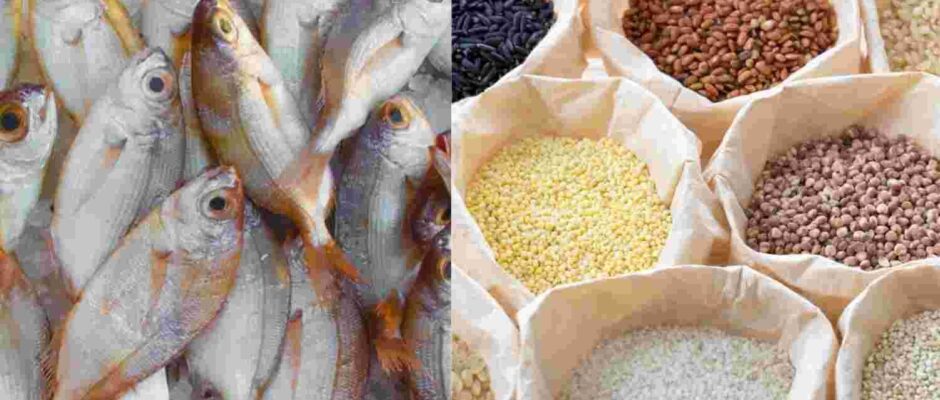
A three-day millets and fish food festival is being organized in Kochi, India, from December 28 to 30, 2023. The event is being organized by the Ernakulam Krishi Vigyan Kendra, under the supervision of the Central Marine Fisheries Research Institute (CMFRI). The festival aims to promote healthy eating habits by showcasing the nutritional and health benefits of millets and their fusion with fish. The festival will feature a variety of activities, including: * A buyer-seller meet for millet farmers and traders* A millet and fish food festival featuring a variety of dishes* A live fish sale* A sale of millets and millet-based products* A millet cookery show* A millet recipe contest* A technology exhibition* Product launches* Nutrition and health talks and seminars The festival will also feature a stall from Lakshadweep showcasing indigenous farm produce and food products from the islands. “The main objective of the festival is to promote healthy eating habits and create a market value chain for millets in Kerala,” said Dr. A. Gopalakrishnan, director of CMFRI. “Introducing millets into Kerala cuisine will be beneficial to this sector. We also aim to help millet farmers find markets, promote startups and entrepreneurship related to millets.” The festival will be attended by millet farmers, farmer producer companies, fish processing industry representatives, and entrepreneurs from various parts of the country. National Bank for Agriculture and Rural Development (NABARD), Indian Institute of Millet Research in Hyderabad, National Fisheries Development Board, Kerala Food Safety Authority, Central Institute of Fisheries Technology (CIFT), NIFATT, Society for Assistance to Fisherwomen (SAFE), Food Crafts Institute Kalamassery, Kerala Hotel and Restaurant Association, and Kerala Bakers Association are among the partners of the event. The festival is open to the public and admission is free.

Read More

Arctic Warming’s Chilling Forecast: More Cyclones in the Arabian Sea

As the Arctic ice caps continue to melt at an alarming rate, a chilling consequence awaits the Arabian Sea: a potential increase in the frequency and intensity of cyclones. This stark warning comes from scientists at the National Institute of Oceanography (NIO), Goa, who have analyzed data spanning decades to uncover a disturbing link between Arctic warming and cyclone activity in the region. Their research reveals a significant correlation between the decline in Arctic sea ice and an increase in the formation of cyclones in the Arabian Sea during the post-monsoon season, particularly from 1998 to 2021. Scientists attribute this phenomenon to the complex interplay of atmospheric and oceanic factors triggered by Arctic warming. The melting ice caps alter the global atmospheric circulation patterns, weakening the vertical wind shear – a critical factor that governs the development and intensity of cyclones. This weakening, coupled with the warming of the Arabian Sea, creates a favorable environment for the formation and intensification of cyclones. This research paints a worrying picture for the future of the Arabian Sea region, which historically experiences devastating cyclones. Increased frequency and intensity of these storms can have catastrophic consequences, including coastal erosion, flooding, infrastructure damage, and loss of life. The findings of the NIO scientists urge a global call to action. Addressing the issue of climate change, particularly the rapid warming of the Arctic, is crucial to mitigating the threat of more frequent and intense cyclones in the Arabian Sea. This necessitates collaborative efforts on a national and international level to reduce greenhouse gas emissions and adopt sustainable practices that protect our planet. The fate of the Arabian Sea and the communities it sustains depends on our collective commitment to tackling climate change. The chilling forecast from the NIO scientists serves as a stark reminder of the urgency of action and the potential consequences of inaction.

Read More

Kerala based Startup Launches Digital Platform for Decentralized Finance in Seafood Exports

Breaking Barriers for Seafood Exporters: A New Wave of Decentralized Finance A revolutionary digital platform, Renai.IO, is poised to disrupt the seafood export industry by offering a decentralized finance (DeFi) solution for exporters seeking cheaper and easier access to funding. This Kerala-based startup, led by entrepreneur Avira Tharakan, promises to streamline the financing process and unlock a new era of financial inclusion for seafood businesses. Gone are the days of navigating the cumbersome and time-consuming world of traditional bank loans. Renai.IO empowers seafood exporters to connect directly with investors across the globe through its user-friendly platform. This eliminates the need for intermediaries, reducing administrative hurdles and accelerating the financing process. By leveraging the power of crypto technology and integrating it with export finance, Renai.IO offers a unique proposition: tokenization of real-world assets like seafood containers. This innovative approach allows for fractional ownership, opening doors to a wider range of investment opportunities for individuals and businesses around the world. Seafood exporters can now reap the benefits of: • **Effortless access to finance:** Breaking free from the limitations of traditional loans, exporters can secure funding with ease through the decentralized platform.• **Cost-effective solutions:** DeFi offers significantly lower interest rates compared to conventional loans, leading to substantial cost savings for exporters.• **Speed and efficiency:** The digital platform facilitates lightning-fast transaction processing, eliminating delays and streamlining the financial process.• **Global reach:** Renai.IO opens doors to a global network of investors, expanding the pool of potential funding sources for exporters.• **Enhanced transparency:** The platform’s blockchain technology ensures complete transparency and traceability throughout the financing process, boosting trust and accountability. Renai.IO’s groundbreaking approach holds immense potential to revolutionize the seafood export industry. By providing exporters with accessible and cost-effective financing solutions, the platform paves the way for increased market participation and global collaboration. This, in turn, fosters a more sustainable and inclusive seafood sector, empowering businesses and communities alike. This is just the beginning of a new era for seafood export finance. Renai.IO is leading the charge towards a future where decentralized technology empowers businesses and democratizes access to financial resources. As the platform continues to evolve and expand, it holds the promise of transforming the financial landscape of the global seafood industry for the better.

Read More

Goan Waters Under Siege: Ramponkars Face Livelihood Threat as Illegal Fishing Explodes

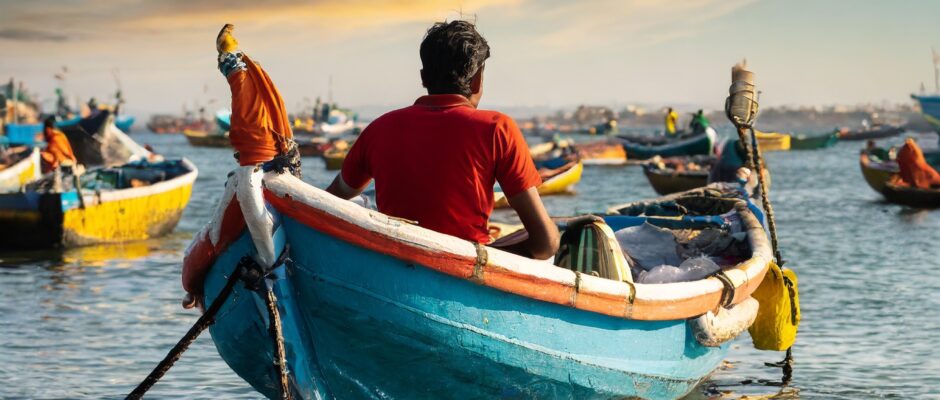
The idyllic waters of Goa are no longer a haven for the traditional fishermen known as ramponkars. Their livelihood is under severe threat due to the rampant and alarming increase in illegal fishing by trawlers from neighboring states. These incursions, facilitated by the alleged inaction of coastal vigilance and policing authorities, are causing irreparable damage to the delicate marine ecosystem and depriving the local fishing community of their rightful catch. The traditional fishing methods of the ramponkars, employing small boats and passive fishing gear, stand in stark contrast to the large, mechanized trawlers operating illegally within Goan waters. These trawlers, often flying false colors and employing destructive techniques like bottom trawling, are wiping out fish populations at an unsustainable rate. This plunder not only threatens the future of Goa’s fishing industry but also jeopardizes the food security of local communities. The rampant illegal fishing has left the ramponkars struggling to make ends meet. Their daily catch has dwindled significantly, leading to financial hardship and food insecurity. This crisis is further exacerbated by the lack of adequate support from the authorities. Despite pleas for intervention, the coastal vigilance and policing units seem either unable or unwilling to effectively tackle the issue. The situation in Goan waters demands immediate and decisive action. The authorities must prioritize the protection of its territorial waters and the traditional fishing community. This requires a multi-pronged approach that includes: Increased patrolling: Regular and rigorous patrols by coastal vigilance authorities are crucial for deterring illegal fishing activities. Strict enforcement: Implementing stricter penalties and enforcing existing laws against illegal fishing is essential to deterring further violations. Support for ramponkars: Providing financial assistance, equipment upgrades, and training programs can help the ramponkars adapt to changing circumstances and become more competitive. Sustainable fishing practices: Encouraging and promoting sustainable fishing practices among all fishing communities is critical for ensuring the long-term health of the marine ecosystem. The rich fishing heritage of Goa and the livelihoods of the ramponkars are at stake. The time for action is now. By taking decisive steps to address illegal fishing and support the traditional fishing community, we can ensure a sustainable and prosperous future for Goa’s fisheries.

Read More

A Call for Accountability: India Demands Advanced Fishing Nations Take Responsibility for Tuna Damage

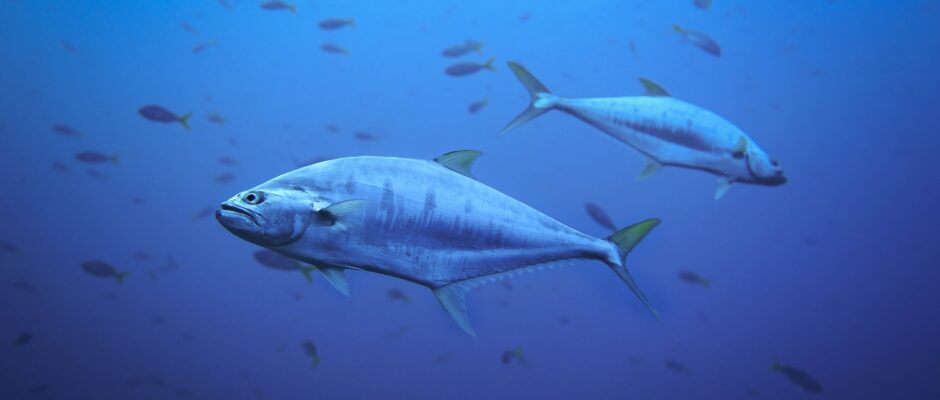
In a powerful statement on the world stage, India has called for advanced fishing nations to take responsibility for the devastating impact their industrial fleets have had on global tuna stocks, particularly in the Indian Ocean. Addressing the United Nations Convention on Biological Diversity, India’s Minister for Animal Husbandry and Fisheries, Shri Parshottam Rupala, emphasized the urgent need for these nations to acknowledge their contribution and act accordingly. Highlighting the undeniable impact of industrial fishing on tuna populations, Minister Rupala presented compelling research that reveals the unsustainable practices employed by these nations. He pointed out that government subsidies, coupled with the sheer scale of these industrial fleets, have resulted in over-exploitation of tuna stocks, threatening the very future of these vital marine resources. While many nations allowed their fishing fleets to deplete the Indian Ocean’s tuna wealth, India maintained a responsible approach. Its smaller, locally-operated fishing fleets, utilizing passive gear, have minimized their impact on the marine environment. This stark contrast in practices underscores the need for advanced nations to adopt more sustainable and responsible fishing practices. India’s stance is not only driven by environmental concerns but also by the economic realities that many coastal communities face. A healthy tuna population sustains the livelihoods of countless fishermen and their families. The depletion of these stocks poses a significant threat to their economic well-being and cultural heritage. Minister Rupala’s call to action serves as a stark reminder of the interconnectedness of our global ecosystem. Unbalanced and unsustainable fishing practices in one region have far-reaching consequences, impacting not only the environment but also the lives and livelihoods of people across the globe. It is imperative that advanced fishing nations recognize their responsibility and take immediate action to ensure the long-term sustainability of tuna populations. The future of our oceans and the communities that depend on them hinges on our collective commitment to responsible fishing practices. It is time for advanced nations to join India in its efforts to ensure a thriving marine environment for generations to come.

Read More

Assam’s Rajaqul Islam Receives “Millionaire Fisheries Farmer of India 2023” Award

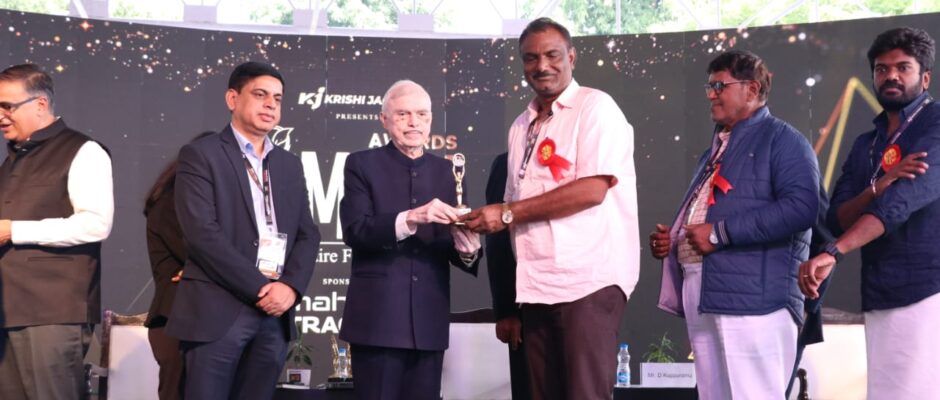
In a resounding recognition of his exceptional contribution to the Indian fisheries sector, Rajaqul Islam of Assam has been bestowed with the prestigious “Millionaire Fisheries Farmer of India 2023” award. This momentous honor was conferred upon him during the ongoing “Millionaire Farmer of India Award 2023” event, a three-day celebration of leading farmers across diverse agricultural fields, taking place at the ICAR Pusa Ground in Delhi. Rajaqul Islam’s remarkable journey in fisheries is a testament to his unwavering dedication and innovative spirit. He has consistently embraced cutting-edge technologies and sustainable practices, including the implementation of biofloc technology and cage culture, into his operations. Recognizing the benefits of diversification, he expanded his fish production beyond the conventional focus on shrimp and prawns, venturing into the rearing of a wider spectrum of aquatic species. This diversification strategy has not only enhanced his overall yield but also contributed to a more sustainable and resilient aquaculture ecosystem. Furthermore, Rajaqul Islam has placed immense emphasis on biosecurity measures, implementing strict hygiene protocols and disease prevention strategies to ensure the health and quality of his fish. His commitment to efficient resource management exemplifies his astute vision, as he has successfully minimized waste and maximized output through optimized utilization of available resources. Rajaqul Islam’s story of success serves as an inspiring example for aspiring and established fish farmers throughout India. He has not only achieved individual triumph but also empowered others by demonstrating the immense potential that lies within the Indian fisheries sector. His recognition at the “Millionaire Fisheries Farmer of India 2023” awards further solidifies his position as a trailblazer in the field, paving the way for a brighter and more sustainable future for fisheries in India.

Read More

Dr. N. Felix Takes the Helm as Vice-Chancellor of Tamil Nadu Fisheries University

Dr. N. Felix has officially ascended the position of Vice-Chancellor of Tamil Nadu Dr. J. Jayalalithaa Fisheries University, Nagapattinam. Governor-Chancellor R.N. Ravi bestowed the prestigious appointment upon Dr. Felix on Thursday, marking a new chapter for the esteemed university. Dr. Felix brings a wealth of knowledge and experience to his new role, boasting over 32 years of academic expertise. He possesses a distinguished academic background, having served as a professor for more than 15 years. His administrative prowess is equally impressive, as evidenced by his previous roles as Director of Incubation and Vocational Training in Aquaculture (Muttukadu) and Chief Executive Officer of Fisheries Institute of Technology and Training (Chennai). A prolific author and researcher, Dr. Felix has authored numerous books and published extensive research papers. His contributions to the field have been duly recognized, with the Society of Fisheries and Life Sciences (Karnataka) bestowing upon him the prestigious Best Scientist Award in 2023. Furthermore, he was awarded the ICAR-NAIP International Training Fellowship in 2010, highlighting his commitment to international collaboration and knowledge exchange. With Dr. Felix at the helm, the Tamil Nadu Dr. J. Jayalalithaa Fisheries University is poised for continued excellence and innovation. His dedication to academic advancement, administrative efficiency, and research excellence promises to further propel the university to new heights.

Read More

Charting a Course for Indian Aquaculture: A Deep Dive into the Coastal Aquaculture Authority (Amendment) Bill, 2023

March 29, 2023, marked a pivotal moment for India’s coastal aquaculture sector with the introduction of the Coastal Aquaculture Authority (Amendment) Bill, 2023. This significant piece of legislation aims to reshape the industry’s landscape, promising a wave of positive changes that will impact everything from farmer empowerment to environmental responsibility and, ultimately, the seafood on our plates. Casting a Wider Net: Expanding the Definition of Coastal Aquaculture One of the fundamental changes proposed by the Bill lies in its broadened definition of coastal aquaculture. Moving beyond its traditional focus on shrimp and prawn farming, the amendment now encompasses the cultivation of a wider range of aquatic life under controlled conditions. This includes fish, crustaceans, molluscs, finfish, seaweed, and others, opening doors for the development of diverse and potentially more sustainable aquaculture practices. Promoting Environmentally Friendly Solutions: A Focus on Biosecurity and Innovative Techniques Recognizing the importance of environmental responsibility, the Bill places a strong emphasis on fostering sustainable practices within the industry. This is achieved through several key measures, including: Promoting newer forms of environmentally friendly aquaculture: Cage culture, seaweed culture, bi-valve culture, marine ornamental fish culture, and pearl oyster culture are highlighted as promising areas with the potential to create employment opportunities and minimize environmental impact.Establishing facilities for improved broodstock and seed production: Access to clean seawater will be crucial for facilities producing genetically improved and disease-free broodstocks and seeds, ultimately leading to healthier and more resilient aquaculture units.Enhancing biosecurity: New provisions focus on preventing the spread of harmful organisms and diseases within aquaculture units. This includes the establishment of specialized centers that adhere to strict biosecurity protocols, ensuring the long-term health and sustainability of the sector. Shifting Gears: Decriminalization and a New Regulatory Landscape Marking a significant shift in approach, the Bill proposes to decriminalize certain offences related to coastal aquaculture activities. Instead of relying on penal measures, a system of fines and penalties will be implemented, accompanied by the authorization of specific officers to enforce these regulations. This move aims to streamline the regulatory framework, encourage compliance, and create a more business-friendly environment. Empowering the Authority: Increased Responsibilities and Enhanced Capacity The Coastal Aquaculture Authority will play a more prominent role under the proposed amendments. New responsibilities will include: Setting standards for inputs and discharges: This will ensure that aquaculture activities do not negatively impact the surrounding environment.Monitoring and regulating activities: The Authority will have increased oversight over the industry, ensuring compliance with regulations and best practices.Prohibiting the use of harmful substances: The use of antibiotics and other potentially harmful substances will be prohibited to protect human health and the environment.* **Appointing officers**: The Authority will be able to appoint officers with specific powers and functions, strengthening its administrative capacity and effectiveness. Building on the Past: A Legacy of Regulatory Evolution The Coastal Aquaculture Authority (Amendment) Bill, 2023, isn’t the first attempt to modify the existing regulatory framework. In 2022, a similar bill was proposed, paving the way for the current amendments. While the 2023 Bill builds upon its predecessor’s foundation, it introduces new elements and modifications, reflecting the evolving needs and challenges of the aquaculture sector. Navigating the Future: A Sustainable Course for Indian Aquaculture The Coastal Aquaculture Authority (Amendment) Bill, 2023, holds immense potential for the future of Indian aquaculture. By promoting ease of doing business, encouraging sustainable practices, and empowering the Coastal Aquaculture Authority, the proposed amendments can contribute to a vibrant and responsible industry that thrives in harmony with the environment. However, success hinges on effective implementation and ongoing collaboration between stakeholders. Farmers, scientists, government officials, environmental groups, and industry professionals must work together to ensure that the Bill’s potential is fully realized. By prioritizing both economic development and environmental protection, the Indian aquaculture sector can navigate the challenges and opportunities that lie ahead, charting a course towards a sustainable and prosperous future. This legislation marks a turning point for the Indian aquaculture industry. As we move forward, it is crucial to remain vigilant and committed to sustainable practices, ensuring that the future of Indian aquaculture is as bright as the waves that nourish it.

Read More

Indian Expat’s Innovative Research Paves the Way for Greener Seafood Exports

From Sea to Sustainability: Ajith PJ’s Research Paves the Way for Greener Seafood Exports A transformative wave is cresting in the maritime industry, driven by the innovative research of Indian expat Ajith PJ. His doctoral research, focused on measuring energy efficiency and reducing carbon emissions in offshore support vessels, has the potential to revolutionize the seafood export sector by promoting a more sustainable and environmentally conscious approach. For decades, the seafood industry has relied heavily on fossil fuels to power its vessels, contributing significantly to global carbon emissions. This dependence on traditional energy sources poses a major threat to the environment and the future of our oceans. Ajith’s research, however, offers a beacon of hope for a cleaner and more sustainable future. By developing an operational framework and performance index to monitor energy efficiency and carbon emissions, Ajith has provided the maritime industry with a powerful tool for reducing its environmental footprint. This technology enables operators to identify areas of inefficiency and implement corrective measures to optimize fuel consumption and minimize carbon emissions. This technological advancement has several crucial implications for the seafood export sector: Reduced Carbon Footprint: By minimizing fuel consumption and emissions, Ajith’s technology helps seafood exporters reduce their carbon footprint and contribute to the global fight against climate change. This green approach not only benefits the environment but also aligns with the growing demand for sustainable seafood products from consumers worldwide. Enhanced Brand Image: As sustainability concerns continue to rise, seafood companies incorporating Ajith’s technology can demonstrably showcase their commitment to environmental responsibility. This commitment translates to a positive brand image, attracting environmentally conscious consumers and boosting market competitiveness. Increased Efficiency: By optimizing energy usage, seafood exporters can achieve significant cost savings on fuel expenses. This improved efficiency translates to higher profitability and allows exporters to invest in further sustainability initiatives and technological advancements. Improved Market Access: Many markets, particularly in Europe and North America, are increasingly implementing stricter environmental regulations and consumer preferences are shifting towards sustainable seafood options. Ajith’s technology positions seafood exporters to meet these evolving demands and gain access to lucrative markets. Global Collaboration: Ajith’s research has garnered international recognition and has the potential to foster global collaboration within the seafood industry. By sharing knowledge and best practices, seafood exporters worldwide can collectively embrace sustainable practices and accelerate the transition to a greener future. Ajith’s research is not merely a theoretical concept; it is a practical solution with real-world applications. Pilot projects are already underway, demonstrating the feasibility and effectiveness of his technology. As more seafood exporters adopt this innovative approach, we can expect to witness a significant shift towards a more sustainable and environmentally responsible seafood industry. Ajith’s research represents a significant milestone in the quest for a cleaner and greener future for the seafood sector. By utilizing his groundbreaking technology, seafood exporters can not only reduce their environmental impact but also enhance their competitiveness and contribute to a more sustainable global food system. As the waves of innovation continue to crest, it is clear that the future of seafood exports lies in embracing sustainable practices and charting a course towards a healthier planet and a more prosperous future.

Read More

From Bytes to Blooms: A Technological Revolution Flourishes in Aquacultural Waters

In the ever-evolving landscape of technological innovation, the lines between seemingly disparate realms are blurring, igniting unexpected solutions to complex challenges. One such intersection lies at the confluence of the digital and the natural, where the seemingly unrelated worlds of computing and aquaculture are merging to create a revolutionary force in food production. This transformative movement is fueled by a simple yet profound concept: harnessing the waste heat generated by computer operations to warm water in aquaculture facilities, fostering optimal fish growth and production while upholding sustainability principles. Traditionally, the aquaculture industry has relied heavily on fossil fuels to maintain the optimal water temperatures necessary for efficient fish growth. This dependence on conventional energy sources poses a significant threat to our environment, contributing to an ever-increasing carbon footprint and accelerating climate change. However, a novel solution has emerged, offering a beacon of hope for a sustainable future. By capturing the waste heat generated by computer systems – a readily available resource that was once considered a mere byproduct – aquaculture facilities can significantly reduce their dependence on fossil fuels. This previously discarded heat is now being repurposed to create a warm and thriving environment for aquatic life, transforming what was once a detriment into a powerful tool for progress. But the benefits of this groundbreaking technology extend far beyond environmental sustainability. Optimizing water temperature through the use of waste heat has a direct and positive impact on fish growth and development. Studies have shown that fish raised in warmer water temperatures exhibit accelerated growth and development, leading to increased size and production, ultimately translating to greater profitability and a more efficient food production system. Moreover, adopting this technology translates to substantial cost savings for aquaculture businesses. Replacing traditional heating systems with this innovative approach eliminates the need for costly fossil fuels, resulting in lower operating expenses and improved financial sustainability. This allows aquaculture businesses to operate with greater efficiency, ultimately leading to lower consumer costs and increased accessibility to fresh seafood. The environmental benefits of this technology are undeniable. By reclaiming waste heat from computers, the overall energy consumption and carbon footprint of both the computing and aquaculture industries are demonstrably reduced. This contributes to a cleaner environment and a more sustainable future for both sectors, fostering a harmonious balance between technological advancement and environmental responsibility. This groundbreaking technology is not merely a hypothetical concept; it is a burgeoning reality. Pilot projects around the world are demonstrating the viability and effectiveness of utilizing waste heat in aquaculture. In Iceland, a data center has successfully partnered with an aquaculture facility, utilizing waste heat to create a thriving environment for fish farms. Similar projects are underway in various countries, showcasing the global reach and transformative potential of this innovative approach. Driven by the collaborative efforts of engineers, scientists, and aquaculture experts, research and development in this field are rapidly advancing. New technologies are constantly being developed to optimize heat transfer and improve the efficiency of the system. With continued research and innovation, this technology holds immense promise for revolutionizing the aquaculture industry and driving a more sustainable and efficient future for food production. The future of aquaculture lies in embracing innovative solutions that not only enhance production but also align with environmental sustainability goals. By harnessing the power of waste heat generated by computing, the aquaculture industry can pave the way for a more sustainable and efficient food production system, ensuring a secure and nutritious food supply for generations to come. This technological leap signifies a significant step towards a cleaner and greener future, where technology and nature collaborate to create a more harmonious and sustainable world, where bytes bloom into a bountiful harvest.

Read More