
Seafood Of India

Blog Post

A Market in Flux: US Shrimp Imports Defy Tariffs and Tumult to Achieve Near-Record Volumes in 2025

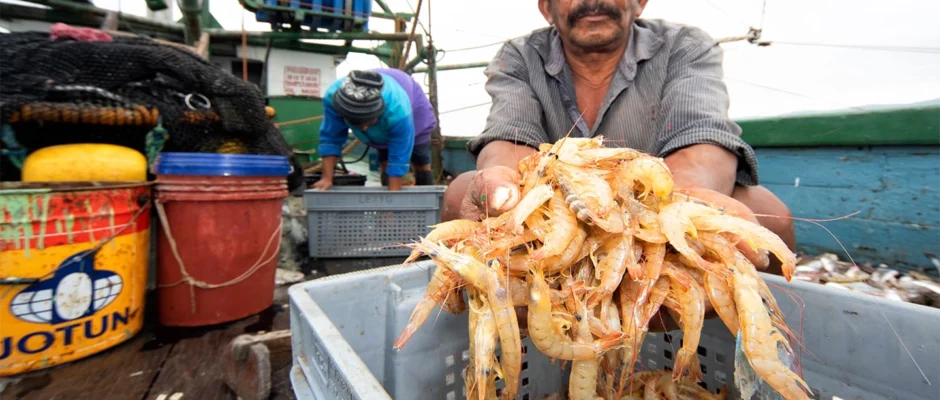
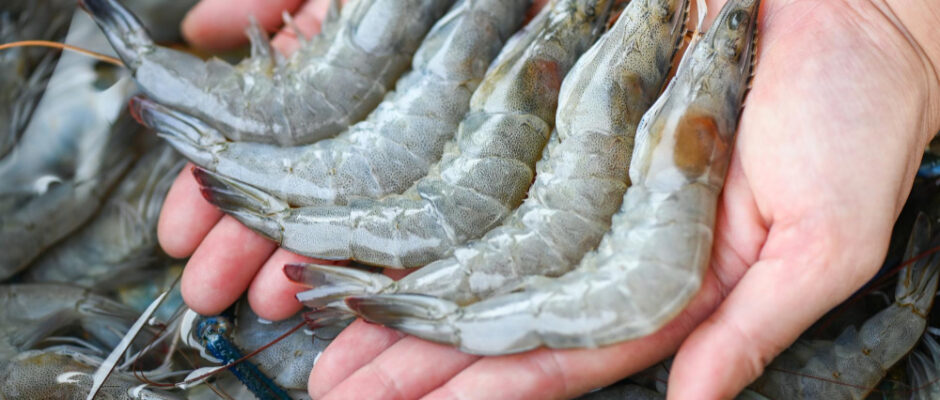
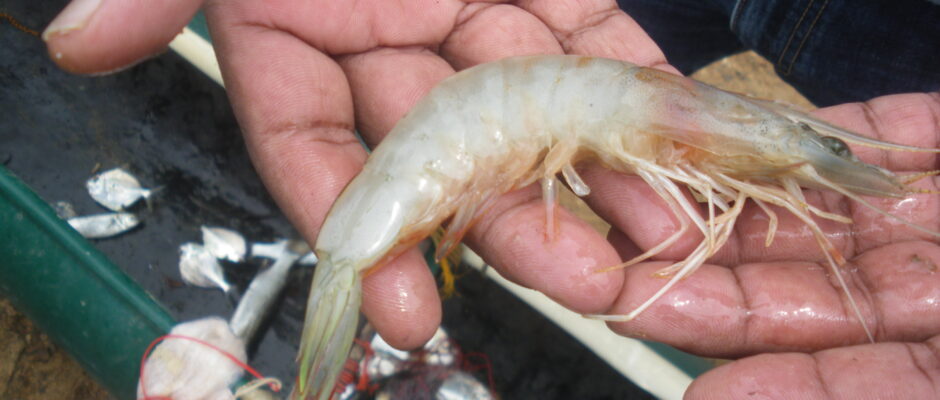
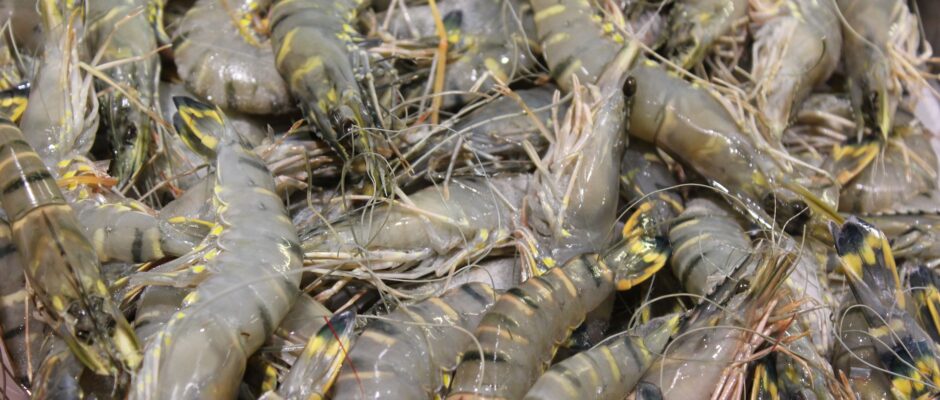
The United States shrimp market proved remarkably resilient in 2025. Despite a barrage of steep reciprocal tariffs, countervailing duties (CVD), and alarming food safety recalls, US importers closed the year with their fourth-largest volume in history. Reaching a total of 795,641 metric tons (MT)—a 2% increase over 2024—the data reveals a complex year defined by aggressive front-loading, geopolitical maneuvering, and dramatic shifts in the global supply chain. Total import value also climbed by 9% year-over-year to $7.03 billion. The 2025 Timeline: A Tale of Two Halves The modest full-year growth masks immense volatility, splitting 2025 into two distinct phases driven primarily by impending trade policies: How the Top Suppliers Fared The shifting trade dynamics forced a major realignment among the “Big Three” suppliers to the US market. 1. India: Retaining the Crown, but Feeling the Squeeze India remained the largest single supplier to the US, shipping 300,051 MT (up 1% YoY). However, this annual stability is deceptive. Following the imposition of a 25% reciprocal tariff—compounded by penalties related to Russian oil purchases and existing anti-dumping duties—the effective tariff rate for Indian shrimp skyrocketed to an estimated 58.26%. While existing orders buffered the impact early in the year, Indian shipments to the US collapsed by 57% in October. This stark reality underscores the urgent need for a pivot in business strategy and exports, accelerating the industry’s push to diversify toward emerging markets like Europe, China, and Vietnam. 2. Ecuador: The Clear Structural Winner Ecuador capitalized heavily on the tariff disparities in Asia. Subject to much lower US tariff rates (around 10–15%), Ecuador surged ahead to reach 231,804 MT in 2025, marking an impressive 18% year-over-year growth. By scaling their headless, shell-on shrimp exports and maintaining cost competitiveness, Ecuadorian producers effectively absorbed the market share left vulnerable by Asian suppliers. 3. Indonesia: Radiation Scares and Trade Hurdles Indonesia finished the year down 11% at 119,331 MT. While initially poised to benefit from India’s high tariffs, Indonesia’s momentum was derailed in the fourth quarter. Severe food safety concerns—specifically the Cesium-137 radiation issue affecting Indonesian shipments—triggered widespread import bans. By December, Indonesian shrimp imports to the US had plummeted by a staggering 72%. Value Outpaces Volume A standout trend from the 2025 data is that the total value of imports (+9%) grew significantly faster than the volume (+2%). This was driven by two key factors:
Read More

The Strategic Reorientation of India’s Marine Economy: Advanced Research Analysis of Union Budget 2026-27

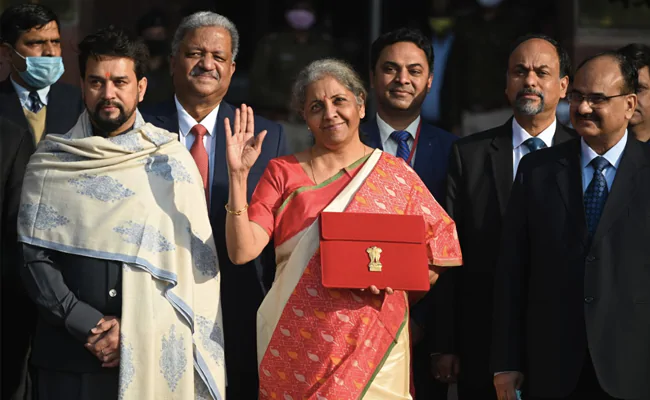
The Union Budget 2026-2027, delivered by Finance Minister Nirmala Sitharaman, represents a structural pivot in the management of India’s marine and blue economy resources. Presented against a backdrop of macroeconomic stability and a projected real GDP growth of $7.4\%$ for the 2025-26 fiscal year, the budget serves as a blueprint for transitioning the fisheries and marine sectors from traditional livelihood activities into professionalized, technology-driven industrial engines. This fiscal framework is grounded in the “3 Kartavya” or duties: the acceleration of sustained economic growth, the fulfillment of citizen aspirations through capacity building, and the realization of inclusive development under the vision of $Sabka$ $Sath,$ $Sabka$ $Vikas$. For the marine industry, this translates into a record-breaking budgetary allocation and a series of aggressive regulatory reforms designed to reclaim India’s economic sovereignty over its Exclusive Economic Zone (EEZ) and the high seas. I. Macro-Fiscal Framework and Sectoral Allocations The 2026-27 budget operates within a disciplined fiscal environment, targeting a deficit of $4.3\%$ of GDP, a reduction from the $4.4\%$ revised estimate of the previous year. This fiscal consolidation is intended to reduce the debt-to-GDP ratio from $56.1\%$ to $55.6\%,$ eventually aiming for $50\%$ by 2030. Within this envelope of fiscal prudence, the government has prioritized “allied sectors” of agriculture, recognizing that the $4.6\%$ growth in the primary sector during FY 2025-26 was largely driven by livestock and fisheries rather than traditional crops. The Ministry of Fisheries, Animal Husbandry and Dairying has received a total allocation of ₹8,915.26 crore, marking a substantial $26.7\%$ increase over the previous year. The Department of Fisheries, specifically, has been granted a total annual budgetary support of ₹2,761.80 crore, the highest ever recorded for the sector. While the departmental hike appears modest at $2\%,$ the internal restructuring of funds—particularly the $66.7\%$ jump in the Pradhan Mantri Matsya Sampada Yojana (PMMSY)—indicates a shift from administrative overhead to direct scheme-based intervention. Department / Major Scheme FY 2025-26 RE (₹ Crore) FY 2026-27 BE (₹ Crore) Growth / Shift Ministry Total Allocation 7,035.00 8,915.26 +26.7% Department of Fisheries (Total) 2,703.67 2,761.80 +2.1% PM Matsya Sampada Yojana (PMMSY) 1,500.00 2,500.00 +66.7% Scheme-based Interventions (Total) 2,420.00 2,530.00 +4.5% Dept. of Animal Husbandry & Dairying 4,840.40 6,153.46 +27.1% Livestock Health & Disease Control 1,980.00 2,010.00 +1.5% This fiscal strategy acknowledges that the marine industry supports over 50 lakh members of the fishing community across 13 maritime States and Union Territories. By allocating ₹2,530 crore for direct scheme-based interventions, the budget ensures that the majority of resources flow toward primary producers, fish farmers, and coastal infrastructure, rather than being absorbed by institutional bureaucracies. II. Regulatory Paradigm Shift: Sovereignty in the High Seas One of the most profound developments in Budget 2026-27 is the legal and regulatory redefinition of India’s maritime economic activity. For decades, Indian fishing vessels operating beyond territorial waters—within the 200 nautical mile Exclusive Economic Zone (EEZ) or on the high seas—faced a paradoxical situation where their catch was frequently treated as an “import” upon returning to Indian shores. This classification attracted customs duties and Integrated Goods and Services Tax (IGST), increasing operational costs and discouraging deep-sea exploration. Legislative Amendments to the Customs Act To resolve this long-standing friction, the Finance Minister proposed landmark amendments to the Customs Act, 1962. A new Section 56A is being inserted to provide special provisions for fishing and related activities conducted by Indian-flagged vessels beyond territorial waters. This legislative change is complemented by a new clause in Section 2 of the Act, which provides a formal definition of an “Indian-flagged fishing vessel”. The implications of these changes are multifaceted: These reforms fundamentally reshape the economic feasibility of deep-sea fishing. By recognizing the EEZ as a domestic economic space, the government is incentivizing the deployment of larger, better-equipped vessels capable of harvesting high-value species such as tuna, marlin, and sailfish. This aligns with the “Blue Economy” vision of fully harnessing the country’s 24 lakh square kilometers of maritime territory. III. Aquaculture and the Seafood Export Ecosystem India has emerged as one of the world’s leading aquaculture producers, with shrimp production nearly quadrupling over the past decade. However, the sector has recently faced intense pressure from rising input costs and global trade headwinds, including a slowdown in demand and an effective $50\%$ tariff on Indian shrimp in the United States—a market where India supplies $40\%$ of domestic consumption. Rationalization of Basic Customs Duty (BCD) The 2026-27 budget provides immediate relief to aquaculturists by slashing the Basic Customs Duty on critical inputs that are essential for maintaining high yields and meeting international quality standards. The reduction in BCD on fish hydrolysate—a primary protein component in shrimp feed—from $15\%$ to $5\%$ is expected to significantly lower the operational expenses of shrimp farmers. Item / Input Category Previous BCD Rate New BCD Rate Strategic Rationale Fish Hydrolysate (Feed component) 15% 5% Lower feed costs for shrimp farmers. Imported Shrimp Broodstock 30% 5% Access to high-quality genetic material. Frozen Fish Paste (Surimi) 30% 5% Boost value-added processing. Seafood Processing Duty-Free Limit 1% of FOB 3% of FOB Enhance global price competitiveness. The tripling of the duty-free import limit for specified inputs used in seafood processing (from $1\%$ to $3\%$ of the preceding year’s export turnover) is a vital lever for the industry. This measure allows processing units to source high-end ingredients—such as specialized marinades and breading—without the burden of import duties, directly enhancing the competitiveness of Indian “value-added” seafood products in premium markets like the European Union, Japan, and the UK. The Role of MPEDA and 2030 Targets The Marine Products Export Development Authority (MPEDA) has launched a strategic roadmap to double the share of seafood exports by 2030. Currently, value-added seafood accounts for only $10\%$ of India’s total seafood exports ($US\$860$ million), and India controls a mere $2.5\%$ of the global value-added seafood trade. The 2026-27 budget’s duty cuts are designed to facilitate a target of $20\%$ value-added exports by 2030. To support this, MPEDA is conducting nationwide training programs to develop a skilled workforce capable of meeting stringent global food safety

Read More

Shrimp on the Brink: How Andhra Pradesh’s Aquaculture Heartland Reached a Breaking Point

For over a decade, Andhra Pradesh has proudly carried the mantle of being India’s undisputed leader in shrimp aquaculture. Its coastal belts—stretching across West Godavari, Krishna, East Godavari, and Nellore—have produced nearly 70% of the country’s shrimp output, powering India’s meteoric rise as the world’s second-largest shrimp exporter. Yet today, the “Shrimp Capital of India” stands on the edge of an unprecedented crisis. A dangerous mismatch between soaring production costs and collapsed farm-gate prices has crippled financial viability. Shrimp farmers who once expanded ponds enthusiastically are now contemplating a complete shutdown. The haunting phrase circulating across Andhra’s aquaculture hubs is “Crop Holiday.” This long-form analysis unpacks the root causes of Andhra’s shrimp crisis, the global economic forces shaping the downturn, and what the future holds for India’s $8 billion seafood export industry. The Economic Meltdown: Anatomy of a Shrimp Crisis The Perfect Storm of Costs and Prices Shrimp farming has always carried risks—but never before has the margin turned negative at such scale. Farmers are losing money even in well-managed ponds, upending the economic logic that has powered Andhra’s aquaculture boom for years. The Farm-Gate Price Crash Demand Weakening in Major Export Markets The sudden and steep fall in shrimp prices in Andhra Pradesh is rooted in global market dynamics: Price Levels Below Breakeven Farm-gate prices for common sizes like 100-count and 80-count shrimp have dropped drastically, often falling below the breakeven point of many farms.Farmers commonly report: The result is simple yet devastating: shrimp is being sold below the cost of production. The Escalating Cost of Production (CoP) While revenues fall, costs continue to rise sharply—pushing thousands of small and medium farmers into distress. Shrimp Feed Price Inflation Feed is the single largest expense in shrimp farming, accounting for 55–60% of total costs. Key ingredients—soybean meal, wheat flour, fish oil, krill meal—have all jumped in price due to global commodity volatility.Every major feed brand has increased prices multiple times in the past two years. Mineral, Probiotic, and Water Treatment Costs Intensive Vannamei farming requires heavy usage of: These input costs have risen by 12–18%, adding more weight to the farmer’s burden. Energy and Aeration Expenses To maintain dissolved oxygen (DO) and ensure proper growth, ponds require 24/7 aeration.But today: Seed Quality and FCR Issues Despite farmer complaints, seed quality remains inconsistent in many hatcheries. Poor-quality broodstock leads to: A high FCR means more feed is required to produce the same amount of shrimp—directly increasing the CoP. Global Forces at Play: The Ecuador Disruption Ecuador’s Competitive Edge India is not competing in a vacuum. Ecuador, now the world’s largest shrimp exporter, has dramatically changed global market dynamics. Why Ecuador is Dominating While Indian farmers struggle with rising input costs, Ecuador is able to farm shrimp cheaper and ship it faster to major markets like the US and China. Impact on India’s Prices When Ecuador sells shrimp at lower rates, Indian exporters must: Ultimately, the farmer bears the brunt of this global price war. The Crop Holiday Crisis: When Farmers Stop Stocking Why Farmers Are Abandoning Ponds The concept of a “Crop Holiday”—a deliberate pause in farming—has been gaining momentum across Andhra Pradesh. Farmers Speak with Their Ponds In districts like Bhimavaram, Amalapuram, and Gudivada, it is estimated that 30–40% of ponds have remained idle this season. The logic is devastatingly simple: “If I stock, I lose ₹3 lakhs.If I leave the pond empty, I only lose the lease value.” For many, the math no longer supports farming. Ripple Effects Across the Supply Chain A widespread crop holiday disrupts the entire aquaculture ecosystem: The crisis is no longer just about farmers—it’s about an entire industry in slowdown. Navigating Turbulence: What Can Save the Sector? Emerging Strategies for Recovery Government bodies, exporters, and industry experts are pushing for structural changes to revive profitability. 1. Shift Toward Value-Added Exports India exports mostly raw frozen shrimp. To improve margins: products need to be prioritized. Value addition brings 40–60% higher margins and reduces reliance on commodity pricing. 2. Revival of Black Tiger (Penaeus monodon) Black Tiger shrimp, once India’s pride, is making a comeback.With advances in SPF Black Tiger broodstock, farmers now have a disease-resistant species that yields: This diversification is crucial to reduce dependence on Vannamei. 3. Input Cost Regulation and Subsidy Support Industry bodies are urging policymakers to: A direct reduction in the Cost of Production could ease immediate pressure. 4. Domestic Market Development India consumes very little of its own shrimp.Building a robust domestic shrimp market—through retail chains, processed foods, and institutional buyers—can reduce reliance on volatile export markets. Conclusion: A Turning Point for Indian Aquaculture The shrimp farming crisis in Andhra Pradesh is not merely a “bad season.”It is a structural warning that: have left the industry vulnerable. Yet, Indian aquaculture has a proven history of resilience. The crisis may trigger reforms long overdue—bringing better hatchery management, stronger traceability, diversified species, and smarter technology adoption. For now, the industry waits anxiously.Will global prices recover?Will Ecuador slow down?Will Andhra farmers return to stocking? The coming months will determine whether India’s shrimp ponds revive—or whether the “Crop Holiday” becomes a long, painful new normal.

Read More

India’s Smart Aquaculture Revolution: How AI Feeding Systems and Aquatech Startups Are Redefining Modern Fish & Shrimp Farming

Introduction India is rapidly emerging as a global leader in aquaculture, and a major part of this growth is driven by technology. A new generation of smart aquaculture startups is transforming the traditional farming landscape with IoT-based water quality monitoring devices, AI-powered automatic feeders, and data-driven farm management platforms. These innovations are helping farmers move away from guesswork and adopt scientific precision in fish and shrimp farming. This blog takes a deep dive into the rise of Indian aquatech startups, the role of real-time pond monitoring, and how AI feeding systems are reshaping pond productivity, profitability, and sustainability. The Rise of Smart Aquaculture in India A Sector Ready for Technological Transformation India’s aquaculture industry has long struggled with inconsistent water quality, unpredictable weather conditions, manual feeding errors, and slow disease detection. The need for reliable, real-time insights created the perfect environment for aquatech innovation. Why Smart Aquaculture Is Growing Fast These factors have paved the way for startups to design scalable solutions tailored to Indian pond conditions. IoT Devices for Real-Time Water Quality Monitoring Understanding the Importance of Continuous Monitoring Water quality is the foundation of successful aquaculture. Even minor fluctuations in Dissolved Oxygen (DO), pH, temperature, or ammonia can trigger mass mortality events. Traditional manual testing is slow, inconsistent, and often unreliable. This is where IoT-based water quality monitoring devices play a game-changing role. What Modern IoT Sensors Measure H3: Key Pond Parameters Tracked These sensor nodes are installed in ponds and continuously transmit data to a mobile app or cloud dashboard. Benefits of Real-Time Monitoring H3: How IoT Devices Help Farmers Instead of reacting to disasters, farmers can now act proactively based on real-time pond intelligence. AI-Powered Automatic Feeding Systems Feeding: The Costliest Component of Aquaculture Feed accounts for more than 50–60% of total production cost. Any inefficiency here directly affects profit margins. Manual feeding often leads to: AI feeding systems solve all of these issues with remarkable accuracy. How AI-Based Feeding Systems Work Modern AI-powered feeders use a combination of: H3: Core Technologies These systems observe shrimp/fish behavior, feeding intensity, and leftover feed in real time. The AI engine decides when to start, continue, or stop feeding. Advantages of AI-Powered Feeding H3: Tangible Benefits for Farmers AI feeders enable precision aquaculture, ensuring each feed pellet is utilized efficiently. Integrated Farm Management Platforms Digital Platforms for Smarter Decision-Making Aquatech startups are bundling IoT monitoring, AI feeding, and farm records into unified mobile apps. These platforms create a digital ecosystem for farmers. H3: Common Features of Aquaculture Apps They allow farmers to run their farms with the same efficiency as modern factories. Impact of Smart Aquaculture on India’s Seafood Sector A New Level of Productivity and Profitability The adoption of IoT sensors and AI feeders is delivering measurable improvements across the farming cycle. H3: Key Positive Outcomes Smart aquaculture is lifting farmers out of uncertainty and giving them confidence in every crop cycle. The Future of Indian Smart Aquaculture What the Next Decade Will Look Like With rapid advancements in AI, IoT, and machine learning, India is entering a new era of precision aquaculture. The future will include: These technologies will make India a global example of sustainable, tech-driven aquaculture. Conclusion Smart aquaculture is no longer a luxury—it’s becoming essential for farmers who want stable yields, healthier ponds, and better profits. With the rise of Indian aquatech startups, innovative real-time water quality monitoring devices, and AI-based automatic feeding systems, the industry is moving toward predictability and precision. As adoption grows across coastal and inland farming regions, India is poised to lead the global shift toward intelligent, data-driven aquaculture.

Read More

Naturally Raised, Sustainably Sourced: How Dam Fisheries Are Transforming Local Economies.

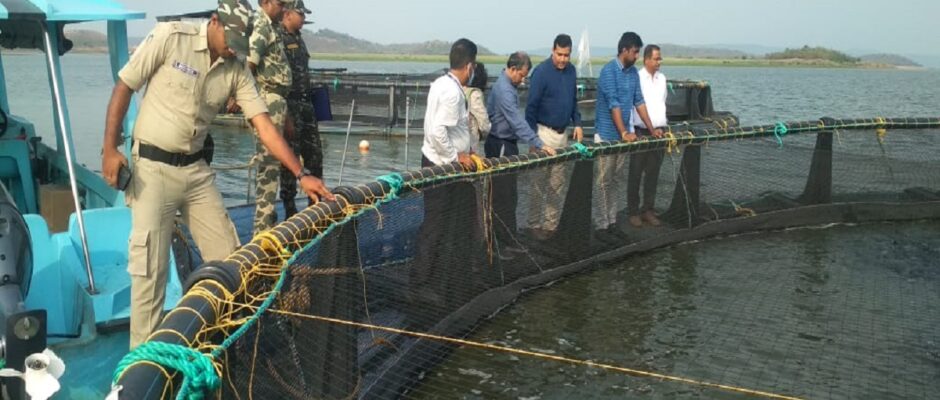
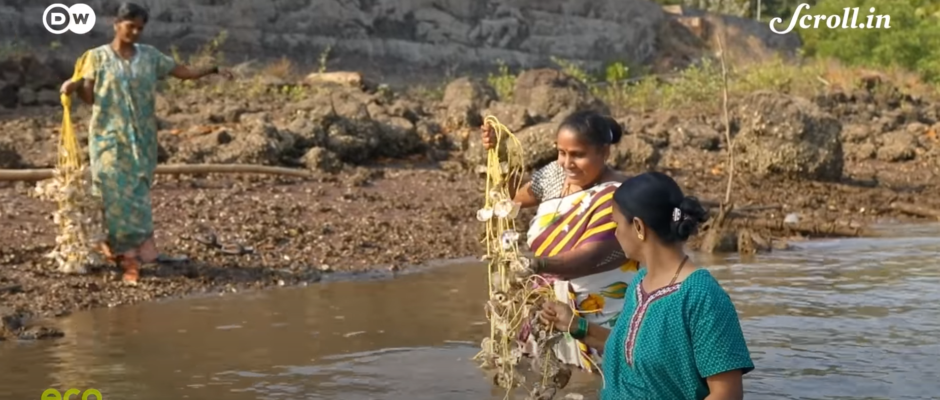
By Shailesh Patel, Co. founder, Dam Good Fish There is growing global interest in sustainable seafood, especially in aquaculture of fish that is grown in reservoir or dam systems, due to increasing concerns about overfishing. The Food and Agriculture Organization (FAO) indicates that 34.2% of global fish stocks are over-exploited, and another 60% are fully exploited and have little room for growth. Without sustainable practices, marine biodiversity and food security long-term will be threatened. The emergence of sustainable aquaculture presents ecological, nutritional, and economic advantages. It is transforming the relationship between coastal and inland communities and seafood, by generating livelihoods for local people, easing the pressure on ecosystems, and providing a healthy source of protein. India has great potential in this area. By not developing its over 3.5 million hectares of reservoirs and dams, the country’s largest and least developed inland fisheries resource, India has the opportunity to sustainably develop dam-based aquaculture. As India’s fish production ranks the third largest in global production, responsible for approximately 8% of total world fish production, building the aquaculture sector on this resource has the potential to improve India’s capacity to be ecologically resilient, and improve access to nutrition, while helping to achieve the economic and social development goals in parallel. The Rise of Sustainable SeafoodThis sector of sustainable seafood is rapidly changing, with new evidence demonstrating its considerable economic and ecological footprint, especially in India. More than one-third of world fish stocks are now overfished, thereby creating an urgent and immediate need for sustainable aquaculture measures that protect aquatic biodiversity and food security. Increasing Yields through Scientific Management The scientific stocking of reservoirs in India has been reported to increase fish yields significantly; 150–200 kg/ha/year as opposed to traditional stocking of 20–30 kg/ha/year, findings provided by ICAR-CIFRI. The scaling of this method has allowed aquaculture to provide increased sustainable intensification capabilities while maintaining ecological and environmental integrity. Economic Contributions and Livelihoods India’s fisheries sector, which contributes 1.24% to national GDP and nearly 7% to agricultural GDP, sustains the livelihoods of over 28 million people. One of the greatest impacts of dam aquaculture is in rural communities. For example, 120 fishermen at Jayakwadi Dam in Maharashtra implemented scientific stocking, which resulted in a 40% increase in harvest in three years. Household incomes rose from ₹7,500 to ₹12,000, and families used their increased earning capacity to invest more in education and health care. Increasing Women’s Empowerment Sustainable dam aquaculture is also leading to increases in women’s empowerment. For instance, Ukai Dam in Gujarat has women’s groups processing and packaging value-enhanced products, such as marinated fillets, generating annual revenues of ₹18-20 lakh. Women comprise just under 25% of India’s fisheries workforce (mostly in post-harvest roles), but this most recent sustainable initiative increased women’s earnings by 50-70% creating more opportunities for women’s economic empowerment. Health Benefits of Naturally-Raised FishConsumers are becoming increasingly conscious of the nutritional value of their food. Naturally-raised fish from dams offer several health benefits compared to fish from industrial farms. These fish often eat a natural diet which means they usually have larger amounts of omega-3 fatty acids, necessary vitamins and minerals. Omega-3 fatty acids contribute to heart health by burning up inflammation, lowering blood pressure, and improving heart function. Naturally-raised fish are also less likely to have traces of the dangerous antibiotics, pesticides and other chemical waste often found in seafood from intensive farming processes.Health-conscious consumers who are also considering ecological health are likely to use sustainably-sourced fish, and as the demand for clean, traceable food sources grows, so as choice of naturally-raised fish from dams will be a good choice as well. Naturally-raised fish delivers both nutrition and sustainability. Omega-3 Fatty Acid Content: Research conducted by the Central Institute of Freshwater Aquaculture (CIFA) indicates that rohu and catla reared in freshwater dams have 15–20% more omega-3 fatty acids than fish raised in intensive aquaculture experience.Less Contaminated: Because fish raised in freshwater dams are less likely to contain antibiotic residues or pesticides, contaminant risks are minimized compared to fish raised by more chemical-intensive aquaculture. Environmental Sustainability and Biodiversity ConservationCultivating fish populations in freshwater reservoirs reduces the stress fisheries put on wild fish populations, as well as contributes marine biodiversity and scientific integrity. With regards to sustainability, practices that promote conservation of water quality while improving habitat restoration include organic feed, using minimal chemicals, and planting native species. Many of the activities being reviewed could involve some type of reforestation or watershed improvement, while also support for the goals of the National Fisheries Policy of 2020 and the livelihoods of local community members. Challenges and Future Prospects Even if dam aquaculture systems offer measurable social, economic, nutritional and sustainability benefits to all of humanity, remain some constraints to this opportunity including water quality, disease management and regulatory system challenges. Some innovations, which are currently being trialed, aim to address some of these challenge; these innovations include AI feed optimization, IoT based water quality sensors, and blockchain traceability schemes. Food exports for India’s average seafood consumption are likely to grow at a CAGR of 7% to 2030 (OECD-FAO), and with sustainable management of reservoir fisheries, India is well positioned to capitalize, sustainably. More certification methodologies would also be useful in building trust among consumers. If we can continue to invest in, and work together, as community-led reservoir aquaculture will always have a significant share of India’s USD 14 billion fisheries economy, while contributing sustainable livelihoods, healthier diets, and balancing ecological sustainability. ConclusionThe sustainable seafood revolution, encompassing the naturally-raised fish acquired from dams, presents an interesting case study in how to achieve a healthy balance of economic, environmental and health factors, is important. Such a solution: sustainable fish farming positions new economic capacity for local communities, enhances healthy diets, and contributes to conserving aquatic ecosystems. This began to gain traction as global awareness and demand for sustainable mechanisms for food production was developing. Dam fish farming offers such an approach, valuable, replicable and scalable, at the perfect time. In developing this argument, I invite

Read More

New Horizons: India’s Diplomatic Triumph Unlocks EU and Russian Seafood Markets

In a significant triumph for its “multi-alignment” foreign policy, India is poised to dramatically expand its seafood exports to the European Union and Russia, providing a crucial buffer against trade headwinds from the United States. This strategic pivot, the result of persistent diplomatic efforts, signals a new era of opportunity for India’s domestic fisheries and underscores the nation’s growing agility in navigating the complexities of global trade. For years, access to the lucrative European market was hampered by stringent quality control regulations. However, after nearly a decade of negotiations, India has successfully resolved these “legacy issues,” securing approval for 102 of its fisheries to export to the EU. This breakthrough is particularly welcome news for India’s shrimp cultivators, as the EU has expressed a strong demand for Indian shrimp. Simultaneously, India is on the verge of a major expansion into the Russian market. Russia is in the final stages of approving 25 Indian fisheries for seafood exports, a move that will further diversify India’s export destinations. This development is a testament to the strengthening economic ties between the two nations and reflects Russia’s emergence as a key market for Indian seafood. This successful market diversification is a direct result of the Indian government’s proactive approach to international trade. Under the guidance of Union Commerce and Industry Minister Piyush Goyal, the government has worked diligently to dismantle outdated regulations and resolve trade disputes. In close collaboration with the Seafood Exporters Association of India, the ministry is continuously seeking to identify and overcome obstacles to entering new markets. The economic implications of these developments are substantial. As of the 2024-25 fiscal year, India’s seafood exports were valued at USD 7.45 billion, with frozen shrimp leading the charge. While the United States has traditionally been a primary market, the recent imposition of tariffs has highlighted the critical need for market diversification. The expansion into the EU and Russia is expected to not only compensate for any potential downturn in US trade but also to provide long-term stability and growth for India’s vital seafood industry. This strategic maneuvering ensures the economic security of countless cultivators and traders who form the backbone of this sector. India’s ability to forge strong trade partnerships with nations across the geopolitical spectrum is a clear demonstration of its diplomatic prowess. By skillfully navigating the turbulent waters of international trade, India has not only secured new markets for its high-quality seafood but has also solidified its position as a resilient and adaptable global trading partner.

Read More

Beyond the Cocktail: Global Shrimp Market Swims Toward a $105 Billion Future – Market Research

1. Introduction The global shrimp market is in a state of transformation and significant expansion. What was once largely a restaurant luxury or party‐appetiser has now become a mainstream dietary staple across many regions. The shift is being driven by changing consumer preferences, aquaculture advancements, convenience trends, and growing export trade. According to one widely-cited report by IMARC Group, the market size was valued at USD 71.87 billion in 2024 and is projected to reach USD 105.35 billion by 2033, representing a compound annual growth rate (CAGR) of ~3.9% over the 2025-2033 period. IMARC GroupHowever, it is important to note that estimates vary considerably by source, with other reports projecting higher growth and larger market sizes (see later sections for comparison). In this article we will analyse: market drivers & restraints; segmentation (by species, source, form, region, distribution channel); major regional dynamics; competitive landscape & consolidation; trade flows & policy issues; sustainability and technological fronts; and finally future outlook & strategic implications. 2. Key Growth Drivers Several interlocking trends underpin the growth trajectory of the shrimp market: 2.1 Health & Wellness Consumers globally are increasingly shifting away from red meat toward seafood and other lean/alternative protein sources. Shrimp enjoys favourable nutritional positioning: high in protein, low in saturated fat, and recognised for containing omega-3 fatty acids, vitamins and minerals. The health-focused consumer is thus a major driver of demand. For instance, the IMARC report points to “rising demand for protein-rich, low-fat seafood” as a key growth factor. IMARC Group 2.2 Aquaculture and Supply Chain Improvements The backbone of global shrimp supply today is aquaculture rather than wild capture. Farmed shrimp offer year-round availability, more controllable size/quality, and less vulnerability to wild-stock fluctuations. Many market studies report aquaculture accounting for around 60 % or more of global supply. For example, the Grand View Research report states that the aquaculture (or farming) segment held ~61.2% share in 2024. Grand View ResearchTechnological advances — selective breeding, more resilient species (see section 3), improved feed formulations, better disease control, recirculating aquaculture systems (RAS) — all contribute to higher yields, better consistency and cost improvements. 2.3 Convenience, Value-Added Products & Culinary Innovation Shrimp has long been a “premium” menu item at restaurants, but the convenience trend is converting it into a home-meal staple. Frozen shrimp, ready‐to‐cook shrimp, marinated or breaded shrimp products, value-added preparations are growing rapidly in retail. Consumers with less time and more interest in quick, healthy meals are driving this. One report states that the frozen segment dominates because of its storage convenience and the ability to supply at scale. Straits Research+1 2.4 Global Trade & Export Growth Shrimp is one of the most globally-traded seafood commodities. Countries with strong aquaculture or wild catch capabilities export to consume-markets in North America, Europe, East Asia, etc. Trade flows enable producers in one region to meet demand in far-flung markets. For instance, the Food and Agriculture Organization (FAO) reports that global shrimp imports declined somewhat in 2024, but the magnitude and reach of global trade remains vast. FAOHome 2.5 Premiumisation & Dining Trends In foodservice (restaurants, hotels, catering) shrimp remains a premium item — large size (“jumbo” or “giant tiger”), exotic/wild varieties and “gourmet” preparations command higher margins. As incomes rise in emerging markets and dining-out culture expands, this premiumisation supports growth. 3. Market Segmentation Understanding the market means looking at different dimensions: species, source (farmed vs wild), form (frozen, fresh, canned), size/count, distribution channel, region. 3.1 By Species One of the dominant species in the global farmed shrimp market is Penaeus vannamei (whiteleg shrimp). It is favoured because of its adaptability, fast growth, disease resistance, and suitability for intensive aquaculture. According to IMARC, P. vannamei held the majority share of species market globally in 2024. IMARC GroupOther species include Penaeus monodon (black tiger shrimp), various cold-water species, regional varieties, etc. Some reports project P. vannamei’s dominance continuing. For example, Grand View Research cites that segment as ~44.6% of species share in 2024. Grand View Research 3.2 By Source: Farmed vs Wild As noted earlier, farmed (aquaculture) shrimp dominate. According to some reports: Wild-catch still matters, especially for certain premium / cold-water species, but growth potential is more limited, given sustainability and stock-pressure constraints. 3.3 By Form & Processing Forms include fresh/raw shrimp, frozen shrimp, processed/shucked, breaded/marinated, canned, peeled/unpeeled. The frozen segment tends to dominate because of logistics and shelf-life advantages. For example, Straits Research lists the frozen segment (and cold-water) as strong growth segments. Straits Research 3.4 By Size / Count Shrimp size (pieces per pound or per kg) matters in both retail and foodservice. Typical “sweet-spot” sizes such as 41-50 count per pound (for US market) strike a balance of affordability and premium appeal. (The original article referenced this size band as leading segment with ~21.8% market share.) While I did not find a readily cited figure verifying exactly 21.8% globally, such sizing segmentation is common in industry reports. 3.5 By Distribution Channel / End-Use Key channels: Retail/home consumption (supermarkets, frozen retail, e-commerce); Foodservice (restaurants, hotels, catering); Institutional (e.g., schools, hospitals). Many studies show foodservice remains a major channel because shrimp remains a menu favourite. For example the earlier article referenced foodservice at ~32.3% though I could not locate that precise number in the report sources I found—nevertheless the foodservice channel is prominent. 3.6 By Region Regions include Asia-Pacific, North America, Europe, Latin America, Middle East & Africa. 4. Regional & Country Dynamics 4.1 Asia-Pacific The Asia-Pacific region dominates both production and consumption. Countries such as China, India, Vietnam, Thailand, Indonesia play major roles in aquaculture and exports. According to IMARC: China accounted for ~32.7% of the global shrimp market in 2024. IMARC GroupIn India, production rose significantly: from ~0.322 million metric tons in 2014 to ~1.184 million metric tons in 2022-23 (a 267% increase) and export value doubled in the same period. Aquaculture MagazineThese huge growths reflect investments, improved farming, export push, favourable climatic conditions and low labour costs. 4.2 North America & Europe North America is a major consumption/

Read More

Sound Waves to Save Whales: India Adopts Advanced Acoustic Tech for Marine Mammal Tracking

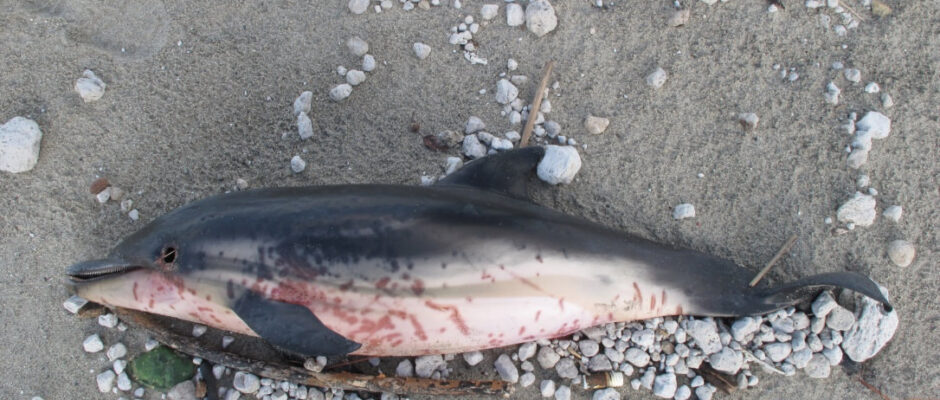
India is poised for a significant breakthrough in marine conservation by deploying advanced underwater acoustic technology to monitor the movements and behaviors of whales, dolphins, and other marine mammals from several kilometers away. The initiative, which uses a cutting-edge technique called Passive Acoustic Monitoring (PAM), was a central topic at a special session during the fourth International Symposium on Marine Ecosystems (MECOS-4) at the ICAR-Central Marine Fisheries Research Institute (CMFRI). Experts at the session explained that because sound travels much faster and farther than light underwater, acoustic monitoring is a revolutionary tool for studying marine life, even in deep or murky ocean conditions where visual surveys are impossible. Unlike traditional methods that rely on clear weather and daylight, PAM provides continuous, 24/7 monitoring across vast stretches of the ocean. “The technology uses various systems such as bottom-mounted moorings, surface buoys, drifting buoys, towed arrays, and even acoustic tags attached to individual animals,” explained Dr. Divya Panicker of Ashoka University. These sophisticated devices capture the distinct underwater sounds produced by marine mammals, allowing researchers to determine their presence, abundance, and distribution. “By analyzing these sound signals, scientists can even trace migration routes and behavioral patterns of species,” she noted, adding that the integration of Artificial Intelligence (AI) and Machine Learning (ML) will further enhance the accuracy of identifying and classifying different species from their calls. This technological leap comes amid growing concerns over the threats facing marine mammals along India’s extensive coastline. Citing these challenges, experts at the symposium called for the urgent formulation of a National Plan of Action for Marine Mammal Conservation. Dr. A. Bijukumar, Vice-Chancellor of the Kerala University of Fisheries and Ocean Studies (KUFOS), chaired the session and stressed the need for “a national multi-institutional marine mammal network to coordinate research, monitoring, and conservation activities across the country.” The call for a unified strategy was reinforced by the recent success of CMFRI’s research, which was instrumental in helping India clear a major obstacle related to seafood exports to the United States. This demonstrates the direct link between robust marine science and the nation’s economic interests. “India urgently needs a coordinated and well-funded conservation plan with defined roles for research institutions, enforcement agencies, and coastal communities,” said CMFRI Director Dr. Grinson George. He also highlighted the critical need for qualified marine scientists to be permitted to handle stranded marine mammals and conduct autopsies to determine their causes of death, gathering vital data that is often lost.

Read More

India Launches Landmark Rules to Revolutionize Fishing in Exclusive Economic Zone, Bolster Exports

In a historic and sweeping reform, the Government of India has notified the “Sustainable Harnessing of Fisheries in the Exclusive Economic Zone Rules, 2025,” a comprehensive legal framework aimed at ensuring the long-term health of marine ecosystems while strengthening the nation’s multi-billion-dollar seafood export industry. The new regulations, published in the Gazette of India on November 4, 2025, introduce a science-based, regulated approach to the exploration, exploitation, conservation, and management of all marine resources within India’s Exclusive Economic Zone (EEZ), an area extending 200 nautical miles from the coastline. A key provision of the new rules is the mandate for an “access pass” for all mechanized fishing vessels and any motorized vessels 24 meters or longer operating in the EEZ. This pass, valid for three years, will be issued subject to strict compliance with new fisheries management plans, designed to prevent overfishing and protect marine biodiversity. The rules also explicitly prohibit destructive fishing practices, such as the use of dynamite or explosives, and place restrictions on juvenile fishing and fishing in designated “no-fishing zones.” This move is designed to address growing international pressure for sustainability and traceability in the global seafood supply chain. By promoting eco-friendly and responsible fishing, the government aims to enhance the competitiveness of Indian marine products, particularly in high-value markets like the European Union and the United States, where adherence to stringent environmental and quality standards is paramount. The rules lay out clear guidelines for monitoring, control, and surveillance of fishing vessels, including mandatory display of the access pass and reporting of any vessel seizures by other countries. They also formalize procedures for mid-sea transhipment and introduce requirements for catch and health certificates to ensure traceability from net to plate. Underscoring a commitment to the welfare of fishing communities, the rules also include provisions for training and capacity building for traditional and small-scale fishers. The government plans to promote skill development in deep-sea fishing and value-chain efficiencies, enabling fishers to improve their livelihoods while adhering to the new sustainable practices. This landmark policy shift is being hailed as a critical step towards ensuring that India’s marine wealth is preserved for future generations, while securing the country’s position as a leading, responsible player in the global seafood market. To read the full gazette notification and detailed rules, click the link below: https://dof.gov.in/sites/default/files/2025-11/Published_Gazette_Sustainable_Harnessing_of_Fisheries_UNES.pdf

Read More

Tiger Prawns and New Alliances: Inside Indian Shrimp’s Bold Strategy Shift

India’s formidable shrimp export industry is navigating a high-stakes pivot, as crippling US tariffs and intense global competition force a strategic realignment away from traditional markets and products. In this new landscape, the prized black tiger prawn is making a remarkable comeback, and burgeoning demand from China and the European Union is reshaping the future of the sector. The primary challenge stems from a sharp 43% year-on-year drop in exports to the United States in August 2025, historically India’s most lucrative market. This decline is a direct consequence of new tariff barriers that have blunted India’s competitive edge. Compounding this, Ecuador has risen as the world’s most efficient shrimp producer, putting further pressure on India’s primary export, the Vannamei shrimp, whose shipments fell 15% in the same month. However, where one door has closed, others have opened. The industry is demonstrating remarkable resilience by diversifying its customer base. Exports to China surged by 33% in August, while shipments to the European Union skyrocketed by an impressive 58%. On a year-to-date basis, the EU market is now tracking 31% ahead of the previous year, signaling a sustained and strategic market shift. At the heart of this transformation is the resurgence of the Penaeus monodon, or black tiger shrimp. Once a mainstay of Indian aquaculture, this premium species is roaring back to prominence. In August, exports of black tiger shrimp soared by an incredible 76% year-on-year. This revival is almost single-handedly fueled by Chinese buyers, who snapped up 60% of India’s monodon exports, prizing the species for its size and quality. The demand is so strong that Chinese importers are reportedly outbidding European buyers for prime stock. As a result, the black tiger prawn now constitutes nearly 12% of India’s monthly shrimp exports, doubling its share from previous years. Simultaneously, Indian processors are doubling down on a long-term strategy to move up the value chain. While exports of value-added products like cooked, marinated, and ready-to-eat shrimp saw a temporary dip in August, year-to-date figures remain a robust 27% higher than last year. This focus is crucial for insulating the industry from the price volatility of the bulk commodity market and building stronger, more profitable relationships with global retailers. This period marks a pivotal moment for Indian seafood. The path forward is clear: success no longer depends on volume alone, but on a smarter, more diversified strategy. This includes boosting domestic production of the in-demand black tiger shrimp, accelerating the shift into value-added processing, and investing heavily in the traceability and certification systems required to secure and expand access to discerning markets like the EU. India’s shrimp industry is not just weathering a storm; it is actively charting a new, more competitive course for the future.

Read More

Indian Seafood Industry Navigates US Tariff Storm by Tapping New Markets and Value-Added Products

In response to a significant tariff increase by the United States, India’s seafood sector is strategically pivoting towards new Asian markets and focusing on product innovation to counter the financial blow. Industry leaders and policymakers are advocating for a multi-pronged approach to maintain export growth amidst growing economic pressures.The challenge was a central theme at the recent Industry Meet during the fourth International Symposium on Marine Ecosystems (MECOS 4), hosted by the ICAR-Central Marine Fisheries Research Institute (CMFRI).The new US tariff structure has created a major hurdle for Indian exporters. Dr. Ram Mohan, Director of the Marine Products Export Development Authority (MPEDA), revealed that with the addition of anti-dumping and countervailing duties, the effective tariff has surged to a staggering 58.26%. This has directly impacted trade, with India’s seafood exports to the US—its largest traditional market—declining by nearly 6% between April and September 2025. This sharp rise in costs has significantly diminished the competitiveness of Indian seafood in a key market.However, the industry is already adapting to this new reality. Data shows that shipments to Asian countries, including China, Vietnam, and Thailand, have demonstrated robust growth. This indicates a strategic and gradual shift in focus from West to East, opening up new revenue streams to offset the losses from the US market.To further bolster the industry’s resilience, experts are calling for a greater emphasis on innovation and value-added products. Dr. George Ninan, Director of the ICAR-Central Institute of Fisheries Technology (CIFT), stressed the need for a technology-focused startup ecosystem. Such a system would bring together researchers, technologists, and industry players to drive innovation and enhance product value.The consensus from the meet was a move away from raw exports towards high-value processed items. Products like breaded squid rings, surimi, and ready-to-eat fillets were recommended as key areas for growth. Currently, India’s value-added seafood exports are valued at $742 million, lagging behind competitors such as China, Thailand, Vietnam, Ecuador, and Indonesia. Closing this gap is now a top priority.“The new tariff regime, combined with existing concerns around sustainability and traceability, has disrupted trade flows and hurt our export earnings,” noted A.J. Tharakan of the Seafood Exporters Association of India, highlighting the complex challenges facing the sector.To regain a competitive edge on the global stage, industry delegates also pushed for critical policy reforms, including the establishment of exclusive aquaculture zones and the acceleration of Free Trade Agreements (FTAs).CMFRI Director Dr. Grinson George assured that all concerns and strategic recommendations from stakeholders—from exporters and fish farmers to feed manufacturers—would be consolidated into a comprehensive policy roadmap following the MECOS deliberations. This collaborative effort aims to chart a sustainable and profitable course for India’s vital seafood industry.

Read More

India Digitizes the Deep: Landmark National Census to Revolutionize Fisheries Management

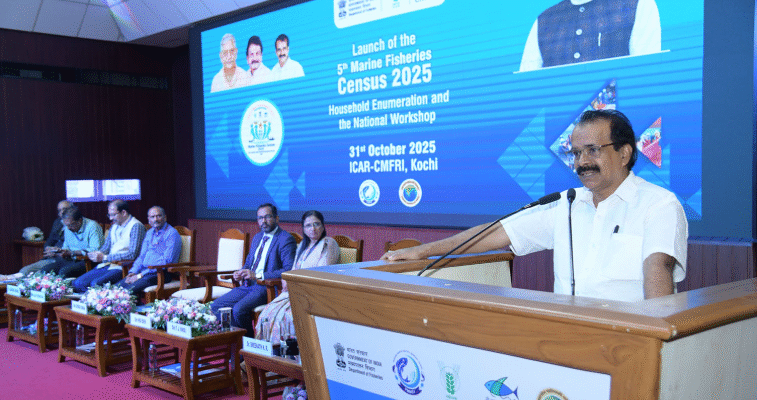
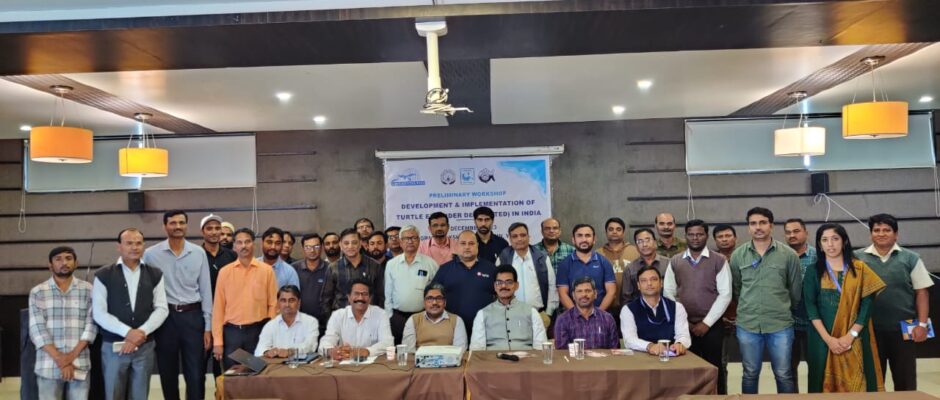
In a foundational shift for one of its most vital traditional sectors, India has launched its first-ever fully-digitized National Marine Fisheries Census (MFC), a move set to create the most comprehensive and granular database of the nation’s coastal communities in history. The initiative, driven by the Ministry of Fisheries, Animal Husbandry, and Dairying, replaces decades of paper-based data collection with a modern, app-based approach, heralding a new era of evidence-based policymaking and targeted support for millions of fishers. This monumental undertaking, which kicked off on November 3rd and will run for 45 days, aims to survey an estimated 1.2 million fisher households across 4,000 coastal villages. The data, collected by the Central Marine Fisheries Research Institute (CMFRI), will capture a wealth of information, from the socio-economic status of families to detailed inventories of fishing vessels, gear types, and the infrastructure at harbors and processing facilities. Launching the census on October 31st, Union Minister of State for Fisheries, Shri George Kurian, hailed the project as a “paradigm shift.” He emphasized, “This edition marks a major technological shift as the first fully digitised data collection in the history of Indian fisheries.” A crucial component of this digital transformation is its direct link to government welfare programs. Minister Kurian announced that registration on the new National Fisheries Digital Platform, a key part of the census process, will be a mandatory requirement for fishers and fish farmers to access financial benefits under the Pradhan Mantri Matsya Kisan Samridhi Sah-Yojana (PM-MKSSY). “Only fishermen and fish farmers who are registered on the portal will be eligible to receive financial assistance from the Central government,” he stated, making the census not just a headcount, but a critical gateway to economic support. The new geo-referenced database is expected to provide an unprecedented level of detail, allowing for more precise and impactful government interventions. According to the ministry, this robust foundation of data will inform everything from infrastructure development to the targeted distribution of essential equipment. As part of this data-driven approach, the government plans to actively install vital scientific equipment, such as transponders for safety and two-way communication at sea, and Turtle Excluder Devices (TEDs) to promote sustainable fishing practices, all free of charge to fishermen. J. Jayasankar, a principal scientist at CMFRI, noted that while a digital process is inherently faster, the census period has been extended from the traditional 30 days to 45 days, concluding on December 18th. This extension, he explained to The New Indian Express, is a direct result of the vastly expanded scope of the survey, which now delves deeper into the socio-economic fabric of coastal populations to ensure future policies are accurately tailored to their needs. After extensive preparations, including pre-census workshops and coordination meetings with enumerators and state officials, this fifth edition of the Marine Fisheries Census is set to be the most ambitious yet. By leveraging technology to map its marine resources and the communities that depend on them, India is charting a course toward a more sustainable, prosperous, and secure future for its entire fisheries sector.

Read More

Seafood Surge: India Poised for a Golden Year as European Appetites and Global Trade Winds Turn Favourable

As the Hindu lunar year Samvat 2082 dawns, one of India’s leading integrated aquaculture and seafood enterprises, Kings Infra Ventures Limited, is painting a vibrant and optimistic picture for the nation’s seafood industry. A confluence of burgeoning European demand, promising resolutions to international trade disputes, and strong domestic expansion signals a period of significant growth and global recognition for Indian seafood. The European Wave: A Vote of Confidence The most significant tailwind propelling this optimism is a remarkable surge in demand from the European continent. Kings Infra reports a substantial and growing order book from a host of European nations, including Spain, Italy, Portugal, France, Greece, the Netherlands, and Belgium. This isn’t merely a transactional increase; it represents a profound acceptance of Indian seafood on the world stage, validating its quality, consistency, and adherence to rigorous international sustainability standards. Shaji Baby John, the Chairman and Managing Director of Kings Infra Ventures Ltd., articulated this sentiment perfectly, stating, “The wider acceptance of Indian seafood across Europe is a strong vote of confidence in the quality and consistency of our products.” This growing appetite is cementing India’s reputation not just as a supplier of raw materials, but as a producer of high-caliber, value-added seafood products that can compete in the world’s most discerning markets. Navigating Global Tides: From Washington to London The positive outlook extends to the complex world of international trade. There is mounting optimism regarding a potential resolution to the persistent tariff issues with the United States. A landmark development fuelling this hope is the approval of India’s proprietary Turtle Excluder Device (TED) design by the US Food and Drug Administration (USFDA). This technical approval is a crucial step towards addressing the core environmental concerns that have previously led to trade barriers, paving the way for smoother access to the lucrative American market. Simultaneously, new trade avenues are opening up. Impending trade agreements with the United Kingdom are expected to create preferential terms for Indian exporters, while demand from the Middle East continues its upward trajectory. Furthermore, improving trade relations with China are adding another layer of opportunity, creating a diversified and more resilient export market for Indian companies. Strengthening the Homefront: Domestic Expansion and Innovation While its global ambitions are soaring, Kings Infra is reinforcing its foundations at home. The company is executing a multi-pronged strategy to enhance its domestic capabilities. A key element is the expansion of its farming capacity, which has already grown by over 50% through an innovative farm leasing program. To support this increased production, Kings Infra is aggressively building out its infrastructure. Through its subsidiary, Kings Frigo, the company is developing a state-of-the-art cold chain and retail distribution network to deliver premium seafood across the country. Meanwhile, another venture, Bento, is catering to the modern urban consumer by introducing a range of convenient, value-added seafood meals. Looking ahead, the company is set to deepen its presence in the heart of India’s aquaculture region with a planned acquisition of a processing facility in Visakhapatnam, Andhra Pradesh. This strategic move will enhance its sourcing and processing capabilities, positioning it for even greater growth. The Government’s Anchor Support This private sector dynamism is being powerfully supported by a slew of proactive government initiatives. Kings Infra acknowledges the transformative impact of programs like the Pradhan Mantri Matsya Sampada Yojana (PMMSY) and the Fishery and Aquaculture Infrastructure Development Fund (FIDF). These schemes, along with subsidies from the Marine Products Export Development Authority (MPEDA), grants from the Ministry of Food Processing Industries, and assistance under various MSME schemes, are creating a fertile ecosystem for growth. They are promoting modern aquaculture practices, funding critical infrastructure development, and empowering producers to meet and exceed global quality standards. As Samvat 2082 unfolds, Kings Infra Ventures Ltd. stands at the forefront of an industry on the cusp of a major leap. Fuelled by innovation, international recognition, and robust domestic strategy, the company is ready to steer India’s seafood sector toward a sustainable, prosperous, and globally celebrated future.

Read More

Riding the Wave: How Indian Seafood Conquered Global Markets Amidst US Sanctions

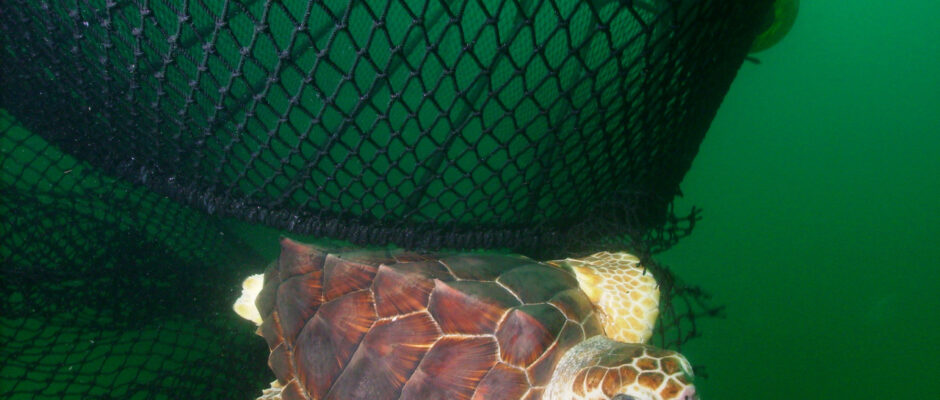
In a stunning display of economic resilience and strategic market diversification, India’s seafood export industry has navigated the turbulent waters of international trade sanctions, emerging stronger and more profitable. Despite a prohibitive 50% penalty tax imposed by the United States, the sector has charted a remarkable 6% growth, a testament to its dynamism and the successful cultivation of new global partnerships. Union Minister of State for Fisheries, George Kurian, announced the impressive figures, noting that the overall fisheries sector in India has achieved a growth rate of 9%, a figure surpassed only by the nation’s booming IT industry. This success story is not one of chance, but of a deliberate and well-executed pivot away from over-reliance on a single market. The American Headwind The primary challenge came from the United States, traditionally a major market for Indian seafood. The combination of a steep penalty tax and a ban on wild-caught shrimp, due to concerns over the incidental capture of sea turtles, led to a predictable 4.65% decline in exports to the US. This setback, however, became the catalyst for an industry-wide transformation, forcing exporters to look for new opportunities and build new relationships across the globe. Global Diversification: The Engine of Growth The industry’s response was swift and effective. By shifting focus, Indian seafood exporters unlocked unprecedented growth in alternative markets. The most spectacular success was seen in Vietnam, where exports skyrocketed by an astonishing 105%. This highlights a successful strategy of tapping into Southeast Asia’s burgeoning economies. The success was not limited to a single country. Exports to Thailand saw a robust increase of 35.32%, while shipments to the lucrative European Union market grew by 32.59%, demonstrating an ability to meet the bloc’s stringent quality and sustainability standards. Trade with neighboring China also saw a significant uptick of 14%. These efforts have translated into substantial financial gains. According to the Marine Products Export Development Authority (MPEDA), seafood exports in the first six months of the financial year (April to September) reached a value of 3,814.99 million USD. This marks a significant increase from the 3,409.24 million USD recorded during the same period in the previous year, underscoring the success of the diversification strategy. Government Support: Anchoring the Industry The Indian government has played a crucial role in backstopping the industry through targeted support and strategic initiatives. To address the US ban on wild-caught shrimp, a major program will be rolled out to equip 33,000 fishing vessels with Turtle Excluder Devices (TEDs). These devices are designed to prevent the accidental capture of sea turtles and are a key requirement for exporting wild-caught shrimp to the US. The government will facilitate this transition by bearing a significant portion of the Rs 23,000 cost per device, with the expense being shared between the Centre and the states. Furthermore, a forward-looking project has been launched to modernize India’s fishing fleet. In a joint effort by the Union fisheries and cooperation ministries, financial assistance is being offered to fishermen cooperatives for the purchase of modern, large factory vessels suited for deep-sea fishing. This initiative, already underway in Maharashtra, aims to enhance efficiency, increase catch value, and improve safety. To make this modernization accessible, the government is providing loans of up to Rs 30 lakh at a highly subsidized interest rate of just 2%. In addition to fleet modernization, the government is bolstering safety and data management. One lakh transponders with two-way communication capabilities are set to be distributed to fishermen, enhancing their safety at sea. Concurrently, the 2025 digital Marine Fisheries Census has been launched to gather comprehensive data that will enable better resource management and policymaking for a sustainable future. Through a combination of private sector agility and robust public support, India’s seafood industry has not only weathered a significant trade storm but has used it as an opportunity to build a more resilient, diversified, and sustainable foundation for future growth.

Read More

Centre Backs Kerala’s Coastal Future with ₹18 Crore Fisheries Modernization Plan

The Central Government has launched a significant Rs 18 crore initiative to modernize and uplift nine coastal villages in Kerala, aiming to boost local economies and build a climate-resilient fishing industry. The investment falls under the National Fisheries Development Programme (NFDP), a nationwide effort to support fishing communities.Union Minister of State for Fisheries, Animal Husbandry and Dairying, George Kurian, announced the plan during a Fisheries Outreach Programme in Thrissur. Under this initiative, each of the nine selected villages will receive Rs 2 crore in central funding. This capital will be used to develop crucial infrastructure, including modern fish processing units, local kiosks for sales, and upgraded community facilities. The Kerala state government is responsible for identifying the beneficiary villages.“Our goal is to bring every stakeholder into the formal network, ensuring financial protection and inclusive development for all,” Kurian stated. He strongly urged fishers and fish farmers across the country to register under the NFDP. This unified digital platform is designed to streamline access to vital central welfare schemes, insurance coverage, and other benefits.Highlighting the success of national efforts, Kurian noted, “India now ranks second globally in fish production and processing — a testament to the hard work and innovation of our fishing communities.” He praised the collaborative efforts with the Kerala government in redeveloping fishing harbours and providing low-interest credit to strengthen fisheries infrastructure.The Minister emphasized the government’s commitment to empowering fish farmers’ cooperatives, ensuring they are direct beneficiaries of development programs. As part of the event, he distributed Kisan Credit Cards (KCCs) to provide easier access to credit, along with NFDP registration certificates and vessel transponders to improve safety and tracking at sea.This initiative is a key component of the Prime Minister’s “Viksit Bharat by 2047” vision. Kurian concluded that the future growth of India’s fisheries sector will be driven by a collective commitment to technology adoption, coastal resilience, and community welfare.

Read More

New Dawn for Indian Seafood: Landmark UK Trade Deal to Unlock a Wave of Exports

A groundbreaking trade agreement between India and the United Kingdom is set to chart a new, prosperous course for India’s seafood industry, creating significant opportunities for exporters. The India–UK Comprehensive Economic and Trade Agreement (CETA), signed in July of this year, promises to eliminate tariffs on 99% of trade lines, making Indian seafood vastly more competitive and sought-after in the British market. During a recent two-day summit with exporters, D V Swamy, Chairman of the Marine Products Export Development Authority (MPEDA), called upon the industry to seize this pivotal moment. He urged a strategic shift towards enhancing value-added products and upskilling the workforce to fully capitalize on the unprecedented access granted by the CETA. The agreement effectively removes import duties on a wide range of popular Indian seafood products. Key categories poised for a major boost include Vannamei shrimp, frozen squid, lobsters, frozen pomfret, and the prized black tiger shrimp, all of which will now enter the UK market duty-free. The potential for growth is immense. In the 2024–25 fiscal year, India’s marine exports to the UK stood at 16,082 metric tons, valued at $104.43 million. Frozen shrimp was the dominant force, making up 77% of these shipments, with frozen fish following at 8%. Industry experts are confident that the new duty-free access could realistically double these export figures in the near term, unlocking millions in new revenue. The high-level meeting brought together key industry stakeholders, including officials from the Department of Commerce, the Export Inspection Agency (EIA), and the Seafood Exporters Association of India (SEAI). Over 90 exporters from the coastal powerhouses of Tamil Nadu, Andhra Pradesh, and Odisha participated, sharing insights and formulating strategies to conquer this renewed market. The discussions also highlighted forward-looking projects, such as the potential for developing a Marine Aquapark Special Economic Zone (SEZ) in Tamil Nadu to further bolster infrastructure and export capabilities. Mr. Swamy emphasized that this opportunity demands a concerted effort. He stressed that success hinges on a three-pronged strategy: enhancing product quality to meet discerning UK standards, scaling up processing capabilities to handle increased demand, and investing in training a skilled labor force. Beyond just boosting trade figures, the India-UK CETA is seen as a catalyst for broader economic benefits. It is expected to drive employment generation, encourage innovation in processing and packaging, and promote sustainable practices across the entire seafood value chain. With proactive adaptation and strategic investment, the MPEDA chairman noted, Indian seafood exporters are in a prime position to not only capture a significantly larger share of the UK market but also to leverage this success to strengthen India’s reputation as a competitive, high-value supplier in the global seafood trade.

Read More

Navigating the Tariff Storm: Why Indian Shrimp’s Survival Strategy Runs Through Ecuador

A crippling tariff imposed by the United States has plunged India’s vibrant shrimp export sector into an unprecedented crisis, threatening a multi-billion-dollar industry and the livelihoods of millions. With the American market, the largest buyer of Indian seafood, now virtually inaccessible, a radical new strategy is no longer a choice but a necessity: strategic offshore investment. For beleaguered Indian seafood companies, the most viable and potent solution may lie thousands of miles away, in the aquaculture powerhouse of Ecuador. The Perfect Storm: A Market Paralyzed On August 6, the Trump administration’s decision to levy an additional 25% tariff on a range of Indian imports, including seafood, was a devastating blow. This came on top of existing duties, raising the total tariff barrier to a commercially unsustainable level of nearly 50%. The impact was immediate and profound. The US market, which accounted for approximately $2.5 billion in Indian seafood exports in FY2024—with shrimp comprising an overwhelming 92% of that value—was effectively priced out overnight. This sudden market closure creates a painful ripple effect that extends far beyond the corporate balance sheets of large exporters. It jeopardizes the entire value chain: the small-scale farmers who cultivate the shrimp, the hatchery operators who supply the seed, the feed manufacturers, the processing plant workers, and the logistics networks that support them. Furthermore, it deals a significant setback to the ambitious targets set by the Marine Products Exports Development Authority (MPEDA), which aims to achieve a seafood export turnover of $18 billion by 2030—a goal now in serious jeopardy. The domestic market, despite its size, cannot absorb the surplus. Indian consumers do not have the appetite or the purchasing power for the vast quantities of high-value, export-quality shrimp previously destined for American restaurants and retailers. While the government fully opened the sector to foreign direct investment (FDI) in 2016, a substantial influx of capital from abroad has failed to materialize, leaving the industry with limited options for domestic expansion. This reality forces a pivot from seeking investment at home to deploying it abroad. The Ecuadorian Advantage: A Strategic Lifeline Investing in Ecuador is not about abandoning Indian operations, but about executing a brilliant strategic bypass. It allows Indian companies to transform a geopolitical threat into a global business opportunity. Here’s why Ecuador represents such a compelling case: The Way Forward: From Exporter to Global Player The move into Ecuador is more than just a defensive reaction to a trade dispute. It represents a paradigm shift for India’s seafood industry—an evolution from being a national exporter to becoming a truly global multinational player. By diversifying their production base, Indian companies can de-risk their operations from the volatility of geopolitics and protectionist trade policies. Such an investment will undoubtedly come with challenges, including navigating a new regulatory landscape, managing cross-cultural operations, and competing with entrenched local players. However, the potential rewards are immense. Indian firms can gain invaluable insights into Ecuador’s cutting-edge farming techniques and bring that knowledge back to improve domestic operations. They can build a resilient, globally integrated supply chain that can pivot between markets as conditions change. The tariff crisis, while painful, may be the catalyst the industry needed. It has exposed the vulnerability of being heavily reliant on a single market. The bold, forward-thinking Indian companies that invest in offshore production in hubs like Ecuador will not only survive the current storm but will emerge stronger, more diversified, and better positioned to lead the global seafood industry for decades to come. The future of Indian shrimp will be defined not just by what is “Made in India,” but by what is “Managed and Owned by India” across the world.

Read More

Andhra Pradesh CM Urges Centre to Tackle Crippling US Tariffs on Seafood Exports

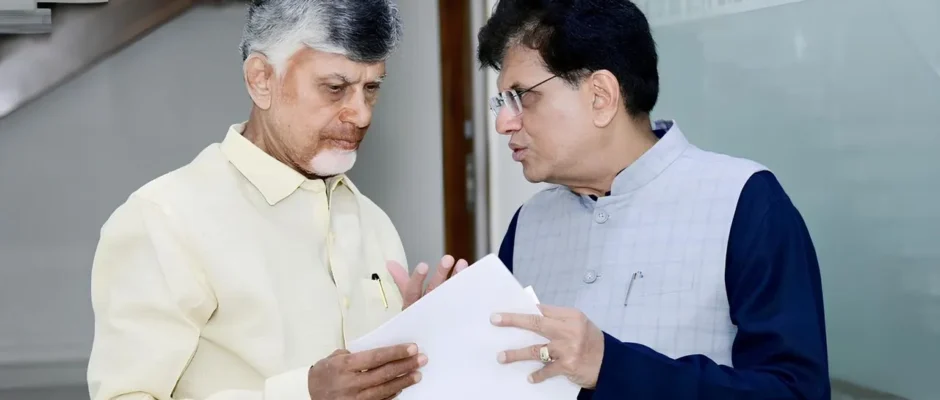
Andhra Pradesh Chief Minister N. Chandrababu Naidu has called for urgent intervention from the Union government to address the severe impact of high US tariffs on the state’s vital seafood industry. In a meeting with Union Commerce and Industry Minister Piyush Goyal, Naidu highlighted that a 27 percent tariff imposed by the United States on Indian seafood is threatening the livelihoods of lakhs of aquaculture farmers in the state. Aquaculture is a cornerstone of Andhra Pradesh’s economy, providing employment to approximately eight lakh farmers and playing a significant role in India’s total seafood exports. Naidu stressed that the steep US tariffs are critically undermining the sector’s profitability and competitiveness in the global market. The Chief Minister urged Goyal to initiate a high-level dialogue with US authorities to negotiate a reduction in these tariffs. He emphasized that such diplomatic efforts are crucial to safeguarding Andhra Pradesh’s prominent position in the international seafood market and providing essential relief to the state’s farming community. While the discussion also covered other agricultural challenges like falling tobacco prices and duties on palm oil, the plea to address the seafood export crisis underscores the sector’s immense importance to the state’s economic stability.

Read More

Dam Good Fish Hooks Modern Consumers with Fresh Brand Identity

Seafood brand Dam Good Fish has unveiled a strategic rebranding to strengthen its appeal to health-conscious Indian consumers. The updated identity, featuring a new logo and refined narrative, reinforces the company’s core mission: providing wild-caught, chemical-free seafood that is “good for you, good for the planet.” The rebranding is a significant step for the company, which aims to set a new standard for premium, clean, and responsibly sourced seafood in the Indian market. Central to its promise is a commitment to sustainable practices, which means no antibiotics, growth hormones, or artificial feeds, all supported by a verified cold-chain supply system to ensure freshness. More than just a cosmetic update, the new logo is a visual storytelling of the brand’s values: “This rebranding is more than just a new look — it’s an evolution of our purpose,” stated Shailesh Patel, Co-Founder of Dam Good Fish. “We’re making conscious seafood consumption a mainstream choice by making it easy, exciting, and accessible.” Founded by Shobhit Gaur and Shailesh Patel, Dam Good Fish is redefining the seafood experience for Indian households. By integrating traditional wild-caught fishing wisdom with modern transparency and innovation, the brand delivers clean, dam-sourced freshwater fish directly to consumers, championing a sustainable and impactful approach.

Read More

Illegal Shrimp Farms Pose Dual Threat to Surat: Airport Safety and Flood Risks Mount

A persistent network of illegal shrimp farms surrounding Surat International Airport is creating a dual threat of aviation hazards and urban flooding, prompting the city’s mayor to demand urgent action from district authorities. The farms, concentrated in areas like Bhimpore, Abhva, and Khajod, attract large numbers of birds, leading to repeated and dangerous bird-strike incidents for aircraft. Beyond the flight path, these operations are exacerbating flood risks by obstructing natural rivulets on the Mindhola river estuary’s floodplain, which are essential for draining rainwater from the city. The issue is caught in an administrative deadlock. City Mayor Daxesh Mavani has formally urged the district collector to intervene, as the Surat Municipal Corporation (SMC) cannot act unilaterally on what is primarily government land. “The ponds must be removed to prevent urban flooding and reduce the bird hit threat,” said Mayor Mavani, confirming the SMC’s readiness to provide logistical support, including heavy machinery, once officially requested by the collector’s office. Officials from the district collectorate acknowledge the problem, stating that they conduct periodic raids on farms operating illegally and violating Coastal Regulation Zone (CRZ) norms. However, these enforcement actions have proven to be temporary solutions. “Our teams regularly monitor shrimp farms… and take periodic action,” an official stated, noting that operators often resume their activities within days of a raid. The construction of these ponds has severely disrupted the region’s natural hydrology. Rainwater that once spread freely across the open floodplains now backs up due to the blockages, inundating low-lying urban areas during the monsoon season. Despite past efforts to seize equipment and drain the illegal ponds, the continued operation of these farms leaves both air passengers and city residents at unresolved risk.

Read More

India’s Biokraft Foods Unveils Cultivated Trout, Targeting 2026 Commercial Rollout

Indian food-tech startup Biokraft Foods is pioneering a new frontier in sustainable protein, unveiling the country’s first cultivated trout fillets. Developed in a landmark partnership with the Indian Council of Agricultural Research’s Central Institute of Coldwater Fisheries Research (ICAR-CICFR), the company is targeting a full commercial launch for its cultivated seafood and meat products by 2026. This development marks a significant breakthrough for India’s alternative protein sector. Following the debut of its 3D-printed cultivated chicken in late 2024, Biokraft is now applying its proprietary 3D bioprinting technology to the aquatic space. By developing native trout cell lines, the company can produce whole-cut fillets that it says are structurally and nutritionally identical to their conventionally-sourced counterparts. “Our cultivated trout… has the added benefit of year-round production that is not reliant on animal farming, wild catch, or delicate ecosystems,” said Kamalnayan Tibrewal, Founder and CEO of Biokraft Foods. He emphasized that this method eliminates concerns about antibiotic contamination and microplastic pollution. A key part of Biokraft’s strategy is market accessibility. The company has set an ambitious goal to price its cultivated trout below conventional options, a move aimed at disrupting the premium seafood market. Trout was strategically chosen due to its high market value and seasonal availability in India, which is often limited by geography and climate. The collaboration with a premier government research body like ICAR-CICFR lends significant credibility to the venture. Dr. Amit Pande, a principal scientist at the institute, called the partnership an example of how academia and industry can jointly advance alternative protein sources. “This initiative not only aligns with our vision of conserving aquatic biodiversity but also opens up new avenues for cell-based aquaculture research in India,” said Dr. Pande. While public tastings for the trout are still in the validation stage, the company is moving forward with regulatory approvals for its cultivated chicken, expecting a positive outcome in the coming months. Tibrewal is optimistic about consumer acceptance, citing an internal survey in India’s Tier 1 cities where 60% of respondents were open to trying cultivated meat. However, he acknowledged the need for greater consumer education to build trust and awareness. Looking ahead, Biokraft plans to open a dedicated R&D and pilot facility by the end of 2025. The company also has its sights set on international expansion, particularly in the Asia-Pacific region, and intends to explore cultivated versions of other high-value or endangered fish species in the future.

Read More

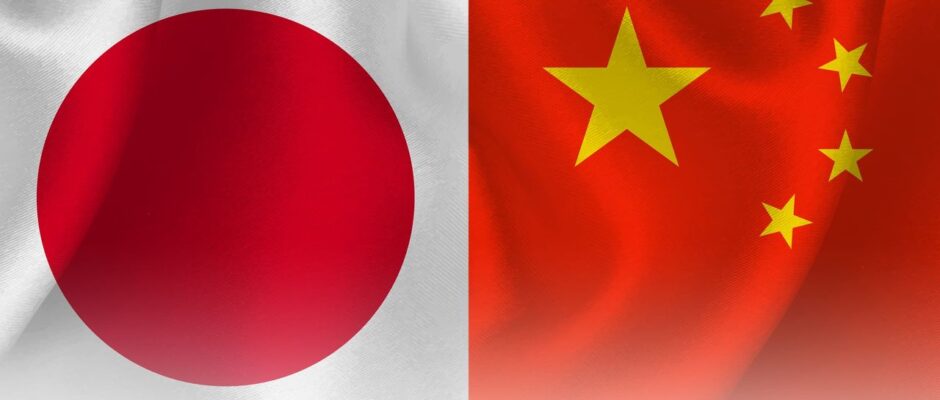
China to Lift Ban on Japanese Seafood, Ending Two-Year Impasse

 China has agreed to resume importing seafood from Japan, lifting a ban that has been in place for nearly two years following the release of treated wastewater from the Fukushima Daiichi nuclear power plant. The breakthrough was announced by Japanese officials after diplomatic discussions were held in Beijing. The agreement hinges on a set of stringent conditions designed to ensure the safety of the products. A key component of the deal is China’s participation in the International Atomic Energy Agency’s (IAEA) water sampling missions at the site. Furthermore, Japan must register all its fishery processing facilities with Chinese authorities. Before export, all seafood products will be required to undergo rigorous inspection and certification to confirm they are free from radioactive substances like caesium-137. China, Japan’s largest seafood market, imposed the sweeping ban in August 2023 when Japan began the controlled release of treated water from the Fukushima plant, which was damaged in the 2011 earthquake and tsunami. Beijing cited risks to food safety and public health, despite Japan’s insistence that the discharge process was safe and met international standards, a position supported by IAEA monitoring. While a specific timeline for the resumption of trade has not been detailed, Japanese Agriculture Minister Shinjiro Koizumi stated that exports will begin once Beijing completes the “necessary procedures.” It is expected that China will soon make an official announcement, likely starting with the resumption of imports from regions outside of Fukushima.

Read More

MPEDA Launches Skill Olympiad to Elevate India’s Value-Added Seafood Exports

 In a strategic move to bolster India’s position in the global seafood market, the Marine Products Export Development Authority (MPEDA) has launched an interstate Skill Olympiad focused on value-added seafood products. The initiative aims to motivate, recognize, and upgrade the skills of professionals in the seafood processing sector, ultimately boosting the country’s export earnings. While India’s seafood exports reached an impressive $7.38 billion in the 2024-25 fiscal year, value-added products accounted for only 12% of this total. This figure lags significantly behind major competitors like Thailand, China, and Vietnam, where value-added items constitute a much larger share of exports. MPEDA is actively working to close this gap through targeted training programs and infrastructure development schemes. The Skill Olympiad serves as a platform to showcase and celebrate talent in this crucial sub-sector. Preliminary rounds are being held in Kochi for the West Coast Zone and Visakhapatnam for the East Coast Zone. Twenty participants in each round will compete by preparing ten popular value-added seafood items—such as Nobashi shrimp, breaded squid rings, and fish fingers—within a three-hour time limit. They will be judged on product quality, hygiene, innovation, and execution. Winners from the preliminary rounds will advance to the finals, which are scheduled to take place during the Seafood Expo Bharat 2025 in Chennai from July 1-3. The competition will culminate in cash prizes for the top three winners and a tasting session where stakeholders, including exporters and government officials, can sample the expertly prepared products. This Olympiad aligns with the Indian government’s broader vision to develop a highly skilled workforce, create a network of certified trainers, and increase employment opportunities, particularly for women in coastal communities. By fostering talent and promoting innovation, MPEDA is taking a significant step toward transforming India into a global hub for value-added seafood exports.

Read More

Indian Seafood Exports Surge Nearly 18% in April, Eyes $18 Billion Target by 2030

 India’s seafood industry has started the new fiscal year with remarkable strength, recording a sharp 17.81% increase in exports in April 2025, reaching a value of $0.58 billion. This robust performance builds on a record-breaking previous year and signals sustained momentum despite global trade uncertainties. According to data from the Ministry of Commerce and Industry, India solidified its position as the fourth-largest global producer of marine products in the financial year 2024-25. The country exported 1.685 million metric tonnes of seafood, valued at $7.2 billion. This represents a significant 60% increase in volume compared to the fiscal year 2014-15. The impressive growth trajectory continues even as the industry navigates concerns over potential tariff hikes in the United States, which remains India’s largest market. However, optimism is being buoyed by progress in a bilateral trade agreement between India and the US, which is aimed at strengthening trade flows. Frozen shrimp continues to be the star performer, accounting for over 40% of the total export quantity and a dominant 66.12% of the total export value. India’s seafood now reaches 130 countries, a significant expansion from 105 destinations a decade ago, with the US and China as the primary importers. This export boom is being significantly powered by government initiatives, particularly the Pradhan Mantri Matsya Sampada Yojana (PMMSY). This central scheme, with an investment of ₹20,050 crore over five years, has been instrumental in enhancing the entire fisheries value chain. A senior official noted that the scheme supports everything from improved fish quality and disease management to the infusion of modern technology and traceability. Furthermore, substantial investments in post-harvest infrastructure, including cold chains, fishing harbours, and landing centres, have been critical in boosting India’s production and export capabilities. Looking ahead, the Marine Products Export Development Authority (MPEDA) has set an ambitious target in its “Vision Document – 2030,” aiming for an export turnover of $18 billion (₹1.57 lakh crore). With strong government backing and a resilient industry, India is charting a course to become an even more formidable player in the global seafood market.

Read More

Indian Shrimp Exporters Seek Government Support as US Duty Review Nears, Competition Bites

 India’s shrimp exporters are anxiously awaiting a crucial review of US anti-dumping and countervailing duties scheduled to begin next month, urging the Indian government to intervene diplomatically to secure relief amidst fierce global competition. Industry experts highlight that existing US duty calculation methods are detrimental to Indian exporters, who are already battling significant market pressure from competitors like Ecuador and Vietnam in the lucrative American market. Exporters are calling for bilateral discussions between the Indian and US governments to address these concerns. A key point of contention is the US classification of India’s Remission of Duties and Taxes on Exported Products (RoDTEP) and Duty Drawback schemes. “The US authorities consider India’s RoDTEP and duty drawback schemes as incentive schemes, which is not the case. Both are WTO-compliant duty refund schemes only,” explained Yogesh Gupta, a Kolkata-based seafood exporter and Managing Director of Megaa Moda. Furthermore, exporters criticize the US ‘zeroing’ methodology used for calculating anti-dumping duties, arguing it unfairly distorts the dumping margin by not making a fair comparison between export price and normal value. “This needs to be re-looked,” Gupta added, emphasizing the concern within the industry. To bolster their competitiveness, exporters are also requesting the re-introduction of the Transport and Marketing Assistance (TMA) scheme by the Indian government. Beyond the specific anti-dumping (currently 1.8%) and countervailing duties (5.77%), Indian shrimp exports face a baseline tariff of 10% imposed by the US on April 2nd. While exporters received significant relief when the US suspended a potential additional 26% duty, the cumulative effective duty remains substantial at approximately 17.7%. K N Raghavan, Secretary General of the Seafood Exporters Association of India (SEAI), recently urged the government to prioritize securing a “level-playing field” for Indian seafood exports in upcoming trade negotiations before any tariff pauses expire. Competitive pressure is a major factor. Ecuador, facing lower duties and benefiting from geographical proximity to the US, poses a significant challenge. Odisha-based exporter Rajen Padhi, Commercial Director at B One Business House Pvt Ltd, noted that the anti-dumping duty has persisted for two decades and advocated for a uniform rate for India. He also stressed that the RoDTEP scheme’s nature as a tax refund, not a subsidy, can be clearly demonstrated. “As per an international agreement, no taxes should be exported. So now we can convince the US that the RoDTEP scheme is not an incentive scheme,” Padhi stated. The United States remains the most critical market for India’s shrimp industry, absorbing roughly 40% of the country’s total shrimp exports. India exported 7,16,004 tonnes of frozen shrimp globally in 2023-24, with the US importing 2,97,571 tonnes. Other key markets include China, the European Union, and Japan. The sector supports around 100,000 shrimp farms, predominantly located in Andhra Pradesh. As the US review approaches, the Indian shrimp export sector is looking to the government for robust support and diplomatic action to safeguard its position in this vital market. thumb_upthumb_down

Read More

Kerala Trawler Operators Seek Government Lifeline Amid Mounting Debts and Market Shocks

Kerala’s fishing boat operators are urgently appealing to the State government for support as they grapple with a severe financial crisis threatening the viability of the State’s approximately 3,600 trawling vessels. The operators cite a combination of escalating operational costs, crippling debt, and destabilizing international market pressures as key reasons for their plea. Joseph Xavier Kalapurackal, representing the All Kerala Fishing Boat Operators’ Association, highlighted the dire situation, noting that many boat owners are burdened with debts ranging from ₹20 lakh to ₹25 lakh. These debts stem from the high costs of building and maintaining vessels, coupled with daily operational expenses that operators are increasingly unable to recoup. The situation has been significantly worsened by recent U.S. tariffs imposed on Indian seafood. This trade measure has spooked exporters, who have responded by cutting the prices they pay for catches, directly impacting the already strained finances of the boat operators. Furthermore, operators point to persistently high fuel prices, exacerbated by the government’s refusal to reduce the cess on diesel, as a major operational hurdle. While acknowledging climate change as a significant underlying factor impacting fish stocks and operational success, the operators feel immediate government action on controllable costs is necessary. A key point of contention for the boat operators is the perceived disparity in government support. They argue that while seafood exporters benefit from incentives like excise duty reductions and investment subsidies, the primary producers – the boat operators themselves – receive no comparable assistance. They also allege that instead of facilitating their operations, authorities sometimes impede their efforts to catch fish destined for export markets. Adding to their concerns is the government’s policy regarding older vessels. The association is urging officials to reconsider the planned refusal to renew registration and licenses for wooden boats over 12 years old and steel boats over 15 years old. They propose that vessel seaworthiness and efficiency should be determined through individual checks rather than an age-based blanket ban. Facing pressure from multiple fronts, the fishing boat operators are looking to the Kerala government for immediate intervention and a comprehensive support package to navigate the current storm and ensure the sector’s survival.

Read More

India’s Cultivated Meat Breakthrough: Biokraft Foods Unveils Lab-Grown Trout & Chicken, Eyes 2026 Market Launch

In a landmark step toward sustainable food innovation, Mumbai-based Biokraft Foods has unveiled India’s first cultivated seafood prototypes—structured trout fillets grown from cells—and announced plans to seek regulatory approval for lab-grown chicken, marking a pivotal moment in the nation’s alternative protein journey. From Himalayan Waters to Lab Plates: Cultivated Trout Takes Center Stage In collaboration with the ICAR-Central Institute of Coldwater Fisheries Research (ICAR-CICFR), a government-backed body under India’s agricultural ministry, Biokraft has pioneered the cultivation of snow and rainbow trout, prized Himalayan species often threatened by overfishing and ecological strain. Using 3D bioprinting and bioink technology, the startup transforms trout cells into whole-cut fillets, blending them with plant-based and algal ingredients to replicate texture and nutrition. “Conventional trout farming is resource-heavy and environmentally damaging. Our method eliminates reliance on wild catch, antibiotics, and microplastics,” says CEO Kamalnayan Tibrewal. While fetal bovine serum (FBS) is currently used in small quantities, Tibrewal emphasizes the goal is “serum-free production as we scale.” Cultivated Chicken: Regulatory Milestones Ahead By summer 2025, Biokraft aims to file India’s first regulatory application for cultivated chicken with the Food Safety and Standards Authority of India (FSSAI). The hybrid chicken product, which mixes lab-grown cells with plant proteins, mirrors conventional meat in taste and texture. This follows India’s inaugural public tasting of cultivated meat in 2024, where attendees sampled a hybrid chicken breast. “A series of tastings begin next month to build consumer familiarity,” Tibrewal adds. Funding, Facilities, and the Road to 2026 Fresh off an undisclosed pre-seed funding round, Biokraft plans to open an R&D and pilot facility by late 2025 to accelerate innovation. The startup targets a 2026 commercial launch for both seafood and chicken, with prices projected to undercut conventional trout as production scales. Government Backing & Industry Momentum The ICAR-CICFR partnership underscores India’s strategic push for sustainable protein. “This collaboration bridges academia and industry to conserve biodiversity while advancing cell-based aquaculture,” says ICAR principal scientist Amit Pande. Biokraft isn’t alone—New Delhi’s Neat Meatt and Singapore’s Umami Bioworks are also forging cultivated seafood partnerships with Indian institutes, signaling a sector-wide shift. A Hungry Market: 60% of Indians Open to Cultivated Meat A 2024 survey reveals over 60% of Indians are willing to try lab-grown meat, with 59% viewing it as a nutritionally secure alternative. Government enthusiasm aligns with consumer curiosity, positioning India as a key player in the global $1.6B cultivated protein market. The Future of Food? As Biokraft navigates regulatory hurdles and public tastings, its mission transcends innovation—it’s a race to reshape India’s food systems. “We’re not just creating meat; we’re crafting a sustainable blueprint for future generations,” says Tibrewal. With Himalayan trout and hybrid chicken leading the charge, India’s cultivated meat revolution is officially underway. Images courtesy of Biokraft Foods | #CultivatedMeatIndia #SustainableProtein #FoodTechInnovation

Read More

India’s Blue Revolution Takes Center Stage: MPEDA Unveils Seafood Expo Bharat (SEB) & Vibrant New Logo

India’s Marine Products Export Development Authority (MPEDA) is set to launch the inaugural Seafood Expo Bharat (SEB) from July 1 to 3, 2025, at the Chennai Trade Centre. This landmark event aims to bring together 150 exhibition stalls and over 2,500 delegates under one roof, marking a significant step in the government’s efforts to promote India’s seafood industry globally. A Premier Platform for India’s Seafood Sector SEB is envisioned as an annual flagship event by MPEDA, India’s nodal agency for seafood exports. It will serve as a dynamic platform uniting hatchery operators, aqua farmers, processing machinery manufacturers, exporters, and international importers. The Expo will facilitate business matchmaking and technical exchanges, reinforcing MPEDA’s commitment to expanding India’s footprint in the global seafood trade. Showcasing India’s Marine Wealth India’s seafood exports reached a remarkable US$7.76 billion last financial year, spanning 123 countries. The country is a leading global supplier of crustaceans, finfish, and value-added seafood products. With rising demand for premium seafood, SEB offers exporters a timely opportunity to engage with buyers and explore new international markets. Symbolizing the Blue Revolution MPEDA has unveiled a vibrant new logo for SEB featuring an orange shrimp, a red fish, and teal-blue waves. This emblem reflects India’s crustacean export strength, nutritional diversity, and commitment to eco-friendly aquaculture. The design aligns with the Blue Revolution initiative, a comprehensive program focused on sustainable development and management of inland and marine fisheries, symbolizing innovation, sustainability, and commerce in India’s seafood sector. Driving Sustainable Growth: Blue Revolution & PMMSY Launched in 2019 with an investment of ₹20,050 crore, the Pradhan Mantri Matsya Sampada Yojana (PMMSY) underpins the Blue Revolution. The scheme aims to boost fish production to 22 million metric tons by 2024–25 and double fishers’ incomes through enhanced productivity and socio-economic welfare. PMMSY focuses on responsible fisheries development, infrastructure augmentation, and modernization of the seafood value chain. Highlights of SEB 2025 The Expo will feature a range of activities designed to promote trade, technology, and culinary excellence, including: Chennai: The Ideal Host for SEB Chennai’s rich coastal heritage, world-class port infrastructure, and status as a leading producer of shrimp and fish make it the perfect venue for SEB. The event highlights Tamil Nadu’s crucial role in India’s Blue Economy vision, which aims to harness ocean resources for sustainable socio-economic growth. Seafood Expo Bharat 2025 promises to be a milestone event, spotlighting India’s marine wealth, advancing sustainable aquaculture, and strengthening the country’s position as a global seafood powerhouse.

Read More

Our Nets Are Empty, Our Voices Ignored: A Karnataka Fisherman’s Plea for Justice on the Vanishing Coast

My name is Raju, and for generations, my family has cast nets into the Arabian Sea from Honnavar, a quiet coastal town in Karnataka. The sea has always been our mother—she fed us, shaped our traditions, and sheltered our homes. But today, as I stand on the shore where my ancestors once taught me to read the tides, I see only despair. Bulldozers roar where children once played, and police batons strike down those who dare to protest. Our cries for justice are drowned by the noise of “progress.” “We Are Told We Don’t Exist” Last February, our world shattered. Hundreds of us gathered to protest a port project that would swallow our fishing grounds and erase our village from the map. The police arrived not to listen, but to silence. Videos of that day show women dragged by their sarees, men beaten bloody, and our homes—marked for demolition—declared “illegal” overnight. “Your land doesn’t exist on any map,” they sneered. How can that be? My grandfather built our hut here. Our gods are carved into these rocks. Advocate B.T. Venkatesh, fighting our case, says the government erased our homes from survey records. “They want us gone,” my neighbor Lakshmi whispers, clutching her newborn. “But where do we go? The sea is all we know.” A Coastline Under Siege From Vadhavan in Maharashtra to Beyt Dwarka in Gujarat, the story repeats. Ports, missile sites, and factories rise like monsters, devouring reefs, mangroves, and fish nurseries. In Kerala’s Vizhinjam, the Adani port turned our brothers’ harbors into death traps. In West Bengal’s Junput, missile tests scatter dried eels—once a lifeline—into the dust. Even Tamil Nadu’s Ennore fishers, choking on oil spills and ammonia leaks, share our fate. Climate change gnaws at our nets too. The fish grow scarce, storms fiercer. But when we beg for aid, the state offers empty hands. “Your sacrifices are for development,” they say. Yet, our children go hungry while trawlers from big companies loot what little remains. Small Hands Feed the World, But Who Feeds Us? My wife, Shanti, works 14 hours drying fish under the sun. Like millions of women, she fuels a hidden economy. The U.N. says small fishers like us catch half the world’s fish in developing nations, feeding billions. But when industrial projects poison the waters, no one counts our losses. “They call us ‘encroachers,’” scoffs Sebastian Rodrigues of the National Federation of Small-Scale Fishworkers. “But without legal rights, we’re ghosts in our own land.” We Demand a Lifeboat: Legal Rights For years, we’ve begged for laws to protect our homes, nets, and futures. Coastal Regulation Zone rules once shielded our beaches, but now they’re bent for hotels and ports. The Forest Rights Act grants tribal communities land titles—why not us? “Our rights must be written into the Constitution,” argues researcher Sisir Pradhan. “Without them, we’re just obstacles to profit.” A human rights-based law could force the state to compensate us when projects destroy our livelihoods. It could let us co-manage fisheries, as we’ve done for centuries. A Storm on the Horizon Last monsoon, my boat capsized in a sudden squall. I survived by clinging to splintered wood. Today, our entire community feels adrift. The port’s surveyors return daily, flanked by police. My sons ask, “Appa, will we fish tomorrow?” I have no answer. Yet, we resist. Women block bulldozers with their bodies. Elders recite old fishing songs to keep hope alive. The FAO says securing our rights is key to ending poverty and saving oceans. But will India listen? A Final Cast Tonight, as waves lick the scars on our coast, I think of my grandfather’s words: “The sea gives, but she also takes. Respect her, and she’ll always provide.” We’ve respected her. Now, we demand respect from those who see us as expendable. Our nets may be empty, but our resolve isn’t. Recognize our rights. Protect our homes. Let us fish—not just for today, but for generations unborn. The tide of “development” must not wash away the people who sustain it.

Read More

Tamil Nadu’s 61-Day Fishing Ban: A Delicate Dance Between Livelihoods and Ocean Conservation

Every year, as summer transitions into monsoon, Tamil Nadu’s bustling coastal regions fall silent. The state’s annual 61-day fishing ban, enforced from April to June, has begun, leaving ports deserted and fishing communities grappling with its economic ripple effects. While the ban aims to safeguard marine ecosystems during critical breeding seasons, it also underscores the fragile balance between environmental stewardship and the survival of thousands of fishing families. The Ban: Timing and ScopeThe prohibition, spanning the Bay of Bengal, Palk Bay, and the Gulf of Mannar, aligns with the peak breeding period for fish and crustaceans. These ecologically sensitive zones, home to endangered species like sea turtles and dugongs, as well as vibrant coral reefs, serve as nurseries for marine life. The 61-day window allows fish stocks to replenish, ensuring sustainable catches post-ban. Mechanized trawlers and motorized vessels are barred from operating, though traditional non-motorized boats are exempt, offering marginal relief to small-scale fishers. Economic Ripples: Ports Fall SilentFor over 1,000 fishing villages along Tamil Nadu’s 1,076-km coastline, the ban spells hardship. Over 10 lakh families, reliant on daily catches, face lost income. Ports like Nagapattinam, Rameswaram, and Thoothukudi, usually teeming with activity, now lie eerily quiet. “Two months without work means no food, no school fees, and mounting debts,” laments K. Rajan*, a fisher from Chennai. Many turn to daily wage labor or migrate temporarily, but opportunities are scarce. Government Aid and Gaps in ReliefTo mitigate the crisis, the state provides Rs 8,000 per family as relief—a sum fishermen argue is woefully inadequate. “This covers just 15 days of expenses. We need at least Rs 15,000 to survive,” says N. Geetha, a fisherwoman leader. Critics highlight that the compensation hasn’t been revised in years, despite rising inflation. While neighboring states like Kerala offer higher aid (up to Rs 9,000), Tamil Nadu’s fishers demand equity and expanded welfare schemes, including subsidized fuel and healthcare. Conservation Gains: A Long-Term VisionMarine biologists and environmentalists champion the ban as a lifeline for India’s overexploited waters. Studies show a 20–30% increase in post-ban catches, vital for a sector contributing 1% of India’s GDP. The Gulf of Mannar, a UNESCO Biosphere Reserve, has seen gradual recovery in seagrass beds and fish diversity. “This breather allows ecosystems to regenerate, benefiting fishers in the long run,” explains Dr. R. Ramesh, a marine ecologist. Striking a Balance: The Path AheadThe ban’s success hinges on inclusive policies. Fisher unions advocate for skill development programs, such as aquaculture or handicraft training, to provide alternate income. Enhanced monitoring via satellite tracking and patrols ensures compliance, deterring illegal fishing. Meanwhile, experts urge long-term strategies like climate-resilient fishing practices and expanding marine protected areas. ConclusionTamil Nadu’s fishing ban embodies a painful yet necessary trade-off. While it strains livelihoods today, its role in securing tomorrow’s seas cannot be ignored. Bridging this divide demands empathy, innovation, and collaboration—a reminder that protecting the ocean ultimately means protecting the people who depend on it.

Read More

India Prepares to Ship 35,000-40,000 Tonnes of Shrimp to US Amid Tariff Relief

India’s seafood exporters are gearing up to send 35,000 to 40,000 tonnes of shrimp to the United States after US President Donald Trump’s decision to pause a planned 26% reciprocal tariff, reducing it to 10%. This move has brought significant relief to the industry, which had been bracing for substantial financial losses. “There is a lot of relief now as we are at par with other exporters to the US. Now the shipments that were held back will be processed,” said K.N. Raghavan, Secretary General of the Seafood Exporters Association of India (SEAI). Approximately 2,000 containers of shrimp, which had been delayed due to tariff uncertainty, are now being prepared for export. Background on the Tariff Situation The US is India’s largest shrimp market by both volume and value, with shrimp exports to the US valued at $2.7 billion in the 2023-24 fiscal year. The planned tariff increase had caused significant uncertainty and concern within the Indian seafood industry. Exporters were particularly worried about the potential impact on their ability to fulfill existing contracts and maintain market share. Current Tariff Structure and Its Implications Despite the pause, Indian shrimp exports to the US still face an effective customs duty of 17.7%, including 5.7% in countervailing duties and 1.8% in anti-dumping duties. This higher effective rate means that Indian exporters continue to bear significant costs under delivery duty-paid arrangements. The 90-day pause provides exporters with a crucial window to fulfill existing contracts without incurring additional costs. Industry’s Concerns and Future Outlook While the temporary reprieve offers some relief, industry leaders emphasize the need for long-term solutions. Raghavan urged the Indian government to focus on securing a “level-playing field” for the country’s seafood exports during upcoming trade talks before the tariff pause expires. “The 90-day pause provides exporters the opportunity to fulfill these orders without the extra cost,” an industry representative said. “However, we need to ensure that we can maintain our competitive edge in the long term.” Conclusion The US tariff pause on Indian shrimp exports provides a much-needed breather for India’s seafood industry. However, the long-term sustainability of shrimp exports to the US will depend on ongoing negotiations and the ability to address underlying trade challenges. As India prepares to ship 35,000-40,000 tonnes of shrimp to the US, the industry remains hopeful for a more favorable trade environment in the future.

Read More

U.S. Tariff Pause Brings Temporary Relief to Indian Shrimp Exporters

In a significant development for India’s seafood industry, President Donald Trump’s decision to pause a planned 26% tariff on Indian shrimp exports, reducing it to 10% until July 2025, has brought temporary relief to Indian exporters. This move allows India to resume shipments of 35,000–40,000 tonnes of shrimp (2,000 containers) to the U.S., avoiding immediate financial losses. Background on the Tariff Situation The U.S. is India’s largest shrimp market by both volume and value, with shrimp exports to the U.S. valued at $2.7 billion in the 2023-24 fiscal year. The planned tariff increase had caused significant uncertainty and concern within the Indian seafood industry. Exporters were particularly worried about the potential impact on their ability to fulfill existing contracts and maintain market share. Immediate Impact of the Tariff Pause The pause in the tariff increase has been welcomed by industry stakeholders. K.N. Raghavan, Secretary General of the Seafood Exporters Association of India, expressed relief, stating that the decision allows India to be on par with other exporters to the U.S. Approximately 2,000 containers of shrimp that were previously delayed due to tariff uncertainty are now being prepared for export. Current Tariff Structure and Its Implications Despite the pause, Indian shrimp exports to the U.S. still face an effective customs duty of 17.7%, which includes 5.7% in countervailing duties and 1.8% in anti-dumping duties. This higher effective rate means that Indian exporters continue to bear significant costs under delivery duty-paid arrangements. The 90-day pause provides a crucial window for exporters to fulfill existing orders without incurring additional costs. Industry’s Concerns and Future Outlook While the temporary reprieve offers some relief, industry leaders emphasize the need for long-term solutions. Raghavan urged the Indian government to focus on securing a “level-playing field” for the country’s seafood exports during upcoming trade talks before the tariff pause expires. The industry is also concerned about the potential impact on other major markets, such as China and the European Union, where Ecuador, a major competitor, faces relatively lower tariffs. Conclusion The U.S. tariff pause on Indian shrimp exports provides a much-needed breather for India’s seafood industry. However, the long-term sustainability of shrimp exports to the U.S. will depend on ongoing negotiations and the ability to address underlying trade challenges. As India prepares to ship 35,000-40,000 tonnes of shrimp to the U.S., the industry remains hopeful for a more favorable trade environment in the future.

Read More

Indian Shrimp Exporters Face ₹600 Crore Loss as US Imposes Additional Tariffs

The recent imposition of a 26% tariff on Indian shrimp exports to the United States has sent shockwaves through India’s seafood industry. With the financial impact of these tariffs estimated at a staggering ₹600 crore, Indian shrimp exporters are grappling with the looming consequences of the US’s decision. This move, part of a broader set of reciprocal tariffs, threatens to severely disrupt the thriving shrimp export sector, with ramifications for producers, consumers, and the broader Indian economy. The Financial Blow: ₹600 Crore and CountingIndia’s shrimp export industry, which has flourished over the years due to the high demand for Indian farmed shrimp in international markets, is now staring at significant financial losses. The 26% tariff imposed by the US government means that Indian exporters will now have to bear higher costs, which could lead to reduced profit margins and, in some cases, loss of market share. The financial impact of this tariff is estimated at ₹600 crore, a substantial figure that highlights the vulnerability of Indian shrimp exporters in the face of global trade disputes. This blow comes at a time when the global seafood market is already under strain due to factors such as climate change, overfishing, and rising operational costs. The US has long been one of India’s largest and most lucrative markets for shrimp, and the tariff hike threatens to upend years of growth and stability in the sector. Shrimp Exports: A Key Industry for IndiaShrimp is one of India’s most valuable seafood exports, contributing significantly to the country’s economy. The shrimp industry employs millions of people, including farmers, workers, and processors, particularly in coastal regions of Andhra Pradesh, Tamil Nadu, and West Bengal. India has long been the largest exporter of shrimp to the US, and this relationship has been a cornerstone of the country’s seafood export sector. However, the introduction of the 26% tariff on Indian shrimp represents a serious challenge to this economic pillar. With tariffs now significantly increasing the cost of Indian shrimp, American importers may look to alternative suppliers, such as Ecuador or Thailand, both of which are able to offer lower prices due to more favorable tariff conditions. As a result, Indian exporters risk losing market share in the US, leading to potential long-term financial consequences. The Broader Impact on ExportersThe ₹600 crore loss is just the tip of the iceberg when it comes to the wider ramifications of the tariff on Indian exporters. Small and medium-sized exporters, who account for a significant portion of the industry, are particularly vulnerable. These businesses often operate on slim profit margins and rely heavily on consistent orders from the US market. The added cost of tariffs could force many of these smaller exporters to either increase prices or reduce exports, both of which could lead to a loss of customers. Additionally, as prices rise due to the tariffs, Indian shrimp may become less competitive compared to shrimp from other countries that are not subject to such high tariffs. The US, being one of the world’s largest consumers of shrimp, offers a highly competitive market, and any increase in the cost of Indian shrimp could easily push American buyers toward cheaper alternatives. In some extreme cases, Indian exporters may be forced to absorb the added costs themselves, further squeezing their profit margins. This scenario could ultimately lead to a reduction in the volume of shrimp exported to the US, causing significant losses in revenue for the industry. Potential Response: Seeking New MarketsFaced with the threat of losing its foothold in the US, India’s seafood industry is exploring alternative markets where its shrimp may not be subject to the same level of tariff scrutiny. Countries in Europe, Southeast Asia, and the Middle East represent potential opportunities for Indian exporters to diversify their business and mitigate the financial fallout from the US tariff hike. India’s government is also expected to engage in diplomatic efforts to address the tariff issue and seek relief through international trade bodies, such as the World Trade Organization (WTO). Negotiations could lead to a reduction or removal of the tariffs, but such a process is likely to take time and may not provide immediate relief for exporters. For now, the focus is on finding new trade routes and opportunities while dealing with the immediate challenges posed by the tariff. Indian shrimp producers will need to adapt to the changing market conditions, and the industry is likely to see shifts in its supply chain and export strategies as it navigates this difficult situation. The Ripple Effect: Job Losses and Economic FalloutThe impact of the US tariff on Indian shrimp exports extends beyond the businesses themselves. The shrimp industry in India provides direct and indirect employment to millions of people. From farmers to processors, workers in the shrimp supply chain are already feeling the pinch as production slows, and export volumes decrease. If the situation continues to deteriorate, job losses could mount, particularly in the coastal regions where shrimp farming is a primary source of income. The economic consequences of these job losses could also affect local economies, with many coastal communities heavily dependent on shrimp exports for their livelihoods. In a country like India, where the informal economy plays a significant role, the loss of income could have far-reaching consequences, not just for workers, but also for local businesses that rely on the shrimp industry. The Future of India’s Shrimp ExportsWhile the immediate impact of the US tariffs is clear, the long-term consequences for India’s shrimp export industry are still unfolding. The ₹600 crore loss is just the beginning, and exporters will need to find innovative ways to adapt to the changing market landscape. To mitigate the effects of these tariffs, Indian exporters will need to diversify their offerings and explore new markets, as well as invest in improving the quality and sustainability of their shrimp farming practices. This shift will require a concerted effort from both the private sector and the Indian government to ensure that the industry remains competitive and resilient

Read More

Ecuador Set to Replace India as Largest Shrimp Supplier to the US Amid Tariff Disputes

In a dramatic shift in the global seafood supply chain, Ecuador is poised to become the largest shrimp supplier to the United States, surpassing India. This change comes on the heels of new US tariffs imposed on Indian seafood, including a significant 26% levy on shrimp, which has created a major ripple effect across the global seafood market. Ecuador, with its lower tariffs and robust shrimp production industry, stands to benefit from the shifting dynamics of international trade, positioning itself as the new leader in US shrimp imports. The Shrimp Wars: How Ecuador Takes the LeadFor years, India has been the dominant player in the US shrimp market, with its farmed shrimp making up a significant portion of American seafood imports. However, the recent imposition of reciprocal tariffs on Indian shrimp has sparked a chain reaction that is reshaping the global seafood supply landscape. As the US places a 26% tariff on Indian shrimp, Ecuador’s seafood industry finds itself with a golden opportunity to step in and fill the gap left by India. Unlike India, Ecuador’s shrimp industry benefits from lower tariffs, making its shrimp more competitively priced in the US market. Ecuador has long been a key player in the global shrimp trade, but the new tariff situation could push it to the top of the list for US shrimp imports. With Ecuador’s shrimp production at an all-time high, and the market conditions more favorable than ever, the country is set to take advantage of the changing tides in international trade. Ecuador’s Strategic AdvantageEcuador’s shrimp industry has been growing steadily over the past few decades, with the country becoming one of the largest producers of shrimp globally. Its warm coastal waters, ideal for shrimp farming, combined with advanced aquaculture technology and sustainable farming practices, have made Ecuador’s shrimp both high-quality and cost-effective. The country’s shrimp industry is largely export-oriented, with the US being one of the largest markets. The government of Ecuador has also been proactive in securing trade agreements and establishing strong relationships with major seafood importers, making it easier for Ecuadorian shrimp to enter the US market without facing the same level of regulatory hurdles that Indian shrimp now faces. Moreover, Ecuador’s shrimp farming practices have been a key selling point for American buyers. The country is known for its responsible and environmentally sustainable shrimp farming methods, which resonate well with the growing demand for sustainably sourced seafood in the US. This has allowed Ecuador to gain an edge in the competitive US market, where consumers are increasingly leaning toward ethically sourced products. The Impact of the US Tariff on Indian ShrimpThe imposition of a 26% tariff on Indian shrimp, part of a larger set of reciprocal tariffs, has thrown the Indian shrimp export industry into turmoil. India has long been a major supplier to the US, with its shrimp accounting for a large portion of the market share. However, the higher tariffs will inevitably drive up the cost of Indian shrimp, making it less competitive compared to other suppliers, particularly Ecuador. For Indian shrimp exporters, the new tariffs mean increased costs, which could lead to reduced profit margins and, potentially, a loss of market share in the US. As Indian producers scramble to find new markets or absorb the increased costs, Ecuador stands ready to step in, offering a more affordable and tariff-friendly alternative to American consumers. The shift in trade dynamics is a significant blow to India, as it risks losing its position as the top shrimp exporter to the US. As a result, Indian seafood exporters are looking to diversify their markets, turning to regions like Europe and the Middle East. However, these markets are not as large or profitable as the US, meaning the loss of American business could have lasting financial consequences for Indian producers. A Changing Landscape for US Shrimp ConsumersThe US is the world’s largest importer of shrimp, and any change in the source of supply can have a major impact on consumers. As Ecuador takes over the largest share of the US shrimp market, American buyers may see an influx of Ecuadorian shrimp at more competitive prices. While the rise in tariffs on Indian shrimp may lead to higher prices in the short term, the increased supply from Ecuador could stabilize prices and provide more options for consumers. US-based seafood distributors and retailers are also likely to benefit from this shift, as they can now source shrimp from Ecuador without the added cost burden of the new tariffs on Indian shrimp. In turn, this could lead to more competitive pricing at grocery stores and restaurants, benefiting consumers in the long run. However, this shift may also lead to a greater emphasis on quality control and sustainability in the shrimp market. As Ecuador ramps up production to meet increased demand, it will need to maintain its high standards of shrimp farming to ensure it retains its competitive edge in the US market. Ecuador’s Economic Boom: Shrimp Industry as a Growth DriverFor Ecuador, this surge in demand for shrimp in the US represents a tremendous opportunity for economic growth. The shrimp industry is already a significant contributor to Ecuador’s GDP, providing jobs to thousands of people in coastal communities and generating billions of dollars in export revenue. As the US continues to seek alternative suppliers to replace India, Ecuador stands to see a major boost in its shrimp export sector. This increased demand will lead to greater investment in shrimp farming infrastructure, research, and technology, further solidifying Ecuador’s position as a global leader in seafood production. The ripple effect will also be felt in related industries, such as shipping, logistics, and processing, as the country ramps up production to meet the growing demand. In addition, the Ecuadorian government may see an increase in tax revenue from the shrimp sector, which could be reinvested in social programs and infrastructure projects. The boost to the economy could also benefit local communities in coastal areas, where shrimp farming provides essential livelihoods. Potential Challenges

Read More

Indian Seafood Exports Reel Under US Tariffs: Shrimp Industry Faces Crisis

In a move that has sent shockwaves through the seafood industry, the United States has announced reciprocal tariffs on seafood imports from India, specifically targeting shrimp and a range of other marine products. This bold decision, which follows months of trade tensions, has raised questions about the future of global trade relations and its potential impact on both consumers and producers. A Deep Dive into the Tariffs The new tariffs will impose a hefty 26% levy on Indian shrimp, along with other seafood products, as part of a broader strategy aimed at balancing trade imbalances and addressing concerns over market access. The timing of these tariffs couldn’t be more critical, as both countries have been engaged in a series of economic exchanges and disagreements, particularly over issues like intellectual property rights, agricultural exports, and market access. For years, India has been one of the largest exporters of seafood to the United States, especially shrimp. Indian shrimp has made its way into the American market as a popular choice due to its quality, cost-effectiveness, and consistent availability. However, with this new set of tariffs, the cost of Indian shrimp will likely rise, leading to a potential shift in consumer behavior and market dynamics. The US and India: A Complex Trade Relationship The relationship between the US and India has always been one of mutual benefit, but not without friction. The seafood tariff comes at a time when both countries have been discussing various trade deals, but also embroiled in disputes over issues like tariff structures on steel and aluminum, agricultural products, and digital trade. The US has expressed concerns over India’s trade practices, claiming that India has been offering its own subsidies to its seafood exporters, which, according to the US, distorts fair competition. India, on the other hand, has long been vocal about the tariffs it faces on various products, arguing that they are disproportionately high and unfair. The country has called for greater market access and has frequently pressed for the removal of tariffs on certain goods to make trade more equitable. However, the US decision to impose these new tariffs appears to be a retaliatory action in response to India’s own trade policies, creating a ripple effect across the global seafood market. Impact on Indian Seafood Exporters Indian seafood exporters are bracing themselves for a major blow, as the new tariffs are expected to make their products significantly more expensive. Shrimp, a $5 billion industry in India, makes up a substantial portion of the country’s total seafood exports. This could have devastating consequences for small and medium-sized enterprises (SMEs) in India, which rely heavily on exports to the US. India’s Ministry of Commerce and Industry has expressed disappointment over the tariffs, calling it an “unfair trade practice” that would harm local producers and disrupt a vital source of income for thousands of people employed in the seafood sector. The Indian government is expected to take diplomatic action, possibly engaging in negotiations to resolve the issue and prevent further escalation of the trade dispute. As Indian exporters face the prospect of shrinking profits and a loss of market share in the US, many are seeking alternative markets in Europe, the Middle East, and Southeast Asia. While these markets are growing, they may not offer the same volume or revenue potential that the US market does. US Consumers: Will the Price of Shrimp Rise? One of the immediate concerns for American consumers is the potential rise in the price of shrimp. The United States is the largest importer of shrimp globally, and Indian shrimp accounts for a significant portion of the market. As the tariffs take effect, it’s expected that prices will climb, leading to increased costs for seafood suppliers and, eventually, consumers. This could also lead to a potential decrease in demand, as consumers might seek cheaper alternatives or reduce their overall seafood consumption. US-based seafood suppliers are expected to pass on the additional costs to consumers, though some may try to absorb the costs in the short term in an effort to maintain market share. Larger seafood companies, which can source shrimp from multiple countries, may weather the storm better than smaller, local producers who rely heavily on imports from India. The Ripple Effect on Global Seafood Markets While the direct impact of the tariffs will be felt in the US and India, there are broader implications for global seafood markets. Other countries that export shrimp, such as Thailand, Ecuador, and Vietnam, may see a surge in demand as the US turns to alternative suppliers. However, these countries too could face challenges in meeting the increased demand, especially as the global seafood market is already under strain due to climate change, overfishing, and other environmental concerns. In response to these changes, many global seafood producers are exploring new ways to diversify their offerings and streamline production processes to reduce costs. The rise in tariffs on Indian shrimp could also prompt more investments in sustainable aquaculture and innovation in the seafood industry, as companies look for ways to maintain their competitive edge in the face of shifting global demand. Diplomatic Tensions: What’s Next? The US decision to impose these tariffs on Indian seafood is a sharp reminder of the complexities of international trade in today’s interconnected world. The announcement has set the stage for further diplomatic maneuvering between the two countries, with trade representatives expected to meet in the coming weeks to discuss the future of their economic relationship. In the short term, India may consider retaliatory measures, including tariffs on US goods or calls for disputes to be settled through international trade bodies like the World Trade Organization (WTO). The long-term consequences, however, will depend on how both countries navigate this increasingly tense trade environment. Conclusion The imposition of reciprocal tariffs on Indian seafood exports marks a significant turning point in US-India trade relations. With the shrimp industry at the forefront of this conflict, the ripples of these tariffs will likely be felt far and wide, affecting

Read More

Global Tuna Stocks Surge in Sustainability: Insights from the March 2025 ISSF Report

The latest report from the International Seafood Sustainability Foundation (ISSF), released in March 2025, highlights significant strides in the sustainability of global tuna stocks. This update is crucial for understanding the health of tuna fisheries, which are vital for food security and economic stability worldwide. Below, we explore the key findings, potential reasons for improvement, and what this means for the industry and conservation efforts. Key Findings The ISSF’s March 2025 report, titled “Status of the World Fisheries for Tuna,” reveals: This shift is unexpected, as it shows a rapid improvement in stock health, particularly with overfished stocks dropping so significantly, which could influence future fishing policies and consumer choices. Implications The improved sustainability likely benefits the tuna industry by ensuring a stable supply, supporting economic growth in tuna-dependent regions, and enhancing food security, given tuna’s role as a key protein source. For conservation, it suggests that current efforts are effective, potentially reducing the risk to marine biodiversity. Consumers may see increased trust in sustainably sourced tuna, possibly leading to higher demand for certified products. Survey Note: Detailed Analysis of Global Tuna Stock Sustainability Progress Introduction and Context The International Seafood Sustainability Foundation (ISSF), a global partnership among the tuna industry, scientists, and environmental organizations, released its March 2025 “Status of the World Fisheries for Tuna” report, also known as the “Status of the Stocks” report. This biannual publication, reviewed by ISSF’s Scientific Advisory Committee, provides a comprehensive analysis of 23 major commercial tuna stocks, focusing on abundance, exploitation/management, and environmental impact (bycatch). The report, published on March 10, 2025, and covered by Undercurrent News on March 17, 2025, highlights significant progress in tuna stock sustainability, with overfished stocks now accounting for just 2% of the global catch, down from 10%, and intermediate stocks at 10%, up from 2% compared to the November 2024 findings. Key Findings and Statistical Breakdown The report’s key statistics, based on the proportion of the global catch, are as follows: Stock Status March 2025 (%) November 2024 (%) Change Healthy Abundance Levels 88 88 No change Intermediate Abundance 10 2 +8 percentage points Overfished 2 10 -8 percentage points Additionally, the report notes that 91% of tuna stocks are not experiencing overfishing, a four-percentage-point improvement since November 2024, indicating reduced fishing pressure on vulnerable stocks. The 2023 catch of major commercial tuna stocks totaled about 5.2 million tons, providing context for the scale of these proportions. This breakdown is distinct from the percentage of stocks by number, where the March 2025 report indicates 65% at healthy levels, 26% at intermediate, and 9% overfished, highlighting the difference between stock counts and catch proportions. Factors Contributing to Improvement Several factors likely contributed to this progress, inferred from ISSF’s broader activities and historical reports: These efforts align with ISSF’s mission to undertake science-based initiatives for long-term conservation, reducing bycatch, and promoting ecosystem health, as outlined on their website. Implications for Industry and Conservation The improved sustainability has multifaceted implications: Comparative Analysis with Previous Reports Historically, the proportion of catch from overfished stocks has varied. In March 2022, it was 9.2%, and in March 2023, 11%, as per ISSF reports. The current 2% is a significant improvement, possibly due to recent RFMO measures and industry compliance, as seen in ISSF’s compliance reports. The increase in intermediate stocks from 2% to 10% suggests a transitional phase for some stocks, potentially moving toward healthy levels, as evidenced by improvements in stocks like Atlantic Ocean/Mediterranean albacore in November 2024 reports. Challenges and Future Outlook Despite progress, challenges remain, such as high uncertainty in monitoring some stocks (e.g., Mediterranean albacore) and ongoing overfishing in specific regions like the Indian Ocean. ISSF’s advocacy for electronic monitoring standards, adopted by the Indian Ocean Tuna Commission, aims to address these gaps, as detailed in their blog. Continued collaboration among stakeholders is essential to maintain this trajectory, with ISSF’s interactive tools, like the stock status visualization at this page, aiding transparency and decision-making. Conclusion The March 2025 ISSF report underscores a promising trend in global tuna stock sustainability, with overfished stocks at a record low of 2% and intermediate stocks rising to 10%. This progress, likely driven by enhanced management, sustainable practices, and scientific monitoring, bodes well for the tuna industry, conservation, and consumers. However, vigilance is required to ensure these gains are sustained, with the full report available for download at ISSF’s website for further details.

Read More

Week 13 Shrimp Price Trends: India Gains Momentum as Vietnam Struggles

The global shrimp market remains a dynamic landscape, with Week 13 of 2025 highlighting stark contrasts between two of Asia’s shrimp production powerhouses: India and Vietnam. As reported by Undercurrent News on March 25, 2025, farm-gate shrimp prices in India surged, driven by supply shortages and robust demand, while Vietnam faced a persistent decline, grappling with oversupply and weakening market conditions. These divergent trends underscore the complex interplay of local production dynamics, international trade pressures, and environmental factors shaping the shrimp industry. India’s Shrimp Prices Soar Amid Shortages In India, Week 13 marked a significant uptick in farm-gate prices for Penaeus vannamei shrimp, the dominant species in the country’s aquaculture sector. This increase comes as farmers report reduced harvests, attributed to a combination of disease challenges and adverse weather conditions earlier in the year. The supply shortage has tightened the market, pushing prices upward and offering a much-needed boost to Indian shrimp farmers after a challenging period of low prices in 2023 and early 2024. Industry sources indicate that the price gains were particularly pronounced for larger shrimp sizes, which are in high demand in key export markets like the United States and the European Union. The average farm-gate price for 30-count vannamei shrimp reportedly rose by approximately 8-10% compared to the previous week, reflecting a strong buyer response to the constrained supply. Analysts suggest that this trend could persist into the second quarter of 2025 if production doesn’t rebound quickly, especially with India’s ongoing efforts to diversify its export portfolio into value-added products like cooked and breaded shrimp. The resilience of India’s shrimp sector is notable, given its position as one of the world’s top producers. Despite a projected 12% contraction in vannamei output in 2023, the country has maintained steady export volumes, buoyed by growing Penaeus monodon (black tiger shrimp) production. The Week 13 price surge signals a potential recovery phase, offering hope to farmers who have weathered high input costs and disease outbreaks, such as Enterocytozoon hepatopenaei (EHP) and White Spot Syndrome Virus (WSSV), in recent years. Vietnam’s Prices Slide Under Pressure In contrast, Vietnam’s shrimp industry faced a continued downward spiral in Week 13, with farm-gate prices for vannamei shrimp dropping further. The decline, estimated at 5-7% week-on-week for key sizes like 40-count shrimp, reflects an oversupply in the domestic market and softening demand from major importers. Vietnamese farmers are reportedly harvesting earlier than planned to mitigate losses, flooding the market and exacerbating the price slump. This downturn follows a difficult 2023, when Vietnam’s vannamei production is believed to have shrunk by up to 15%, according to the Global Seafood Alliance. While a recovery was anticipated in 2024, lingering challenges—such as high production costs, competition from cheaper Ecuadorian shrimp, and fluctuating export demand—have kept prices under pressure. The situation is compounded by Vietnam’s heavy reliance on exports to China and the United States, where buyers have been favoring more competitively priced alternatives. Farmers in the Mekong Delta, Vietnam’s shrimp farming hub, are voicing concerns about profitability. With farm-gate prices dipping below production costs for many, some are opting to delay restocking ponds until market conditions improve. This cautious approach could lead to a supply reduction in the coming months, potentially stabilizing prices later in the year, though the immediate outlook remains bleak. Broader Market Implications The contrasting price trends in India and Vietnam highlight the fragmented nature of the global shrimp market in 2025. India’s gains are a boon for its farmers and exporters, potentially strengthening its position against competitors like Ecuador, which has dominated supply in recent years. Meanwhile, Vietnam’s struggles could cede further market share to rivals unless corrective measures—such as improved disease management or government support—reverse the tide. Globally, shrimp demand is expected to recover unevenly in 2025, with early signs pointing to stabilization in output, as noted by S&P Global. However, the Week 13 data suggests that regional disparities will continue to shape price trajectories. For consumers, India’s rising prices may translate to higher costs for shrimp products, while Vietnam’s decline could offer short-term relief in markets reliant on its supply. Conclusion Week 13 of 2025 paints a tale of two shrimp industries: India riding a wave of price increases fueled by scarcity, and Vietnam battling a persistent downturn amid oversupply. As the year progresses, the ability of each country to adapt to production challenges and capitalize on shifting demand will determine their fortunes in the competitive global shrimp market. For now, India’s farmers celebrate a rare victory, while Vietnam’s industry searches for a path to recovery.

Read More

Indian Seafood Tech Firm Expands with $4.5 Million Investment in Aqua Biologicals

In a significant move to strengthen its position in India’s burgeoning aquaculture sector, AquaConnect, a leading Indian seafood technology company, has announced a $4.5 million (€4.2 million) investment in new research and development (R&D) and production infrastructure in Gujarat. The investment marks a strategic expansion into farm care biologicals, positioning AquaConnect at the forefront of sustainable seafood production technologies. Strategic Expansion into Aqua Biologicals AquaConnect, which has established itself as an integrated supply chain platform in the seafood industry, views this expansion as a natural progression of its business model. The new infrastructure will focus on developing and producing biological solutions that enhance farm productivity, improve water quality, and promote sustainable aquaculture practices. “We’re not just expanding our operations; we’re transforming our approach to the aquaculture industry,” said Rajamanohar Somasundaram, CEO of AquaConnect. “This investment represents our commitment to innovation and our vision to become one of India’s top aqua biologicals companies within the next five years.” State-of-the-Art Facilities in Gujarat The chosen location, Gujarat, is strategically significant due to its growing aquaculture industry and supportive business environment. The new facilities will include: Market Potential and Industry Impact India’s aquaculture sector has been experiencing remarkable growth, with seafood exports reaching 1.78 million tonnes in 2023-24, valued at approximately $7.38 billion. The demand for sustainable and efficient farming solutions has never been higher as the industry faces challenges like water pollution, disease management, and climate change impacts. “The aquaculture industry is at a critical juncture where traditional methods are no longer sufficient,” explained Somasundaram. “Our biological solutions will address these challenges by improving farm productivity while reducing environmental impact.” Creating Science-Backed Solutions AquaConnect aims to differentiate itself through rigorous scientific research and development. Their formulations will be based on extensive testing and validation to ensure they meet the specific needs of Indian aquaculture practices. “We’re committed to delivering products that not only work but can be scientifically proven to enhance farm performance,” said Dr. Meenal Patel, Head of Research at AquaConnect. “Our team of scientists and aquaculture experts will work closely with farmers to develop solutions that address real-world challenges.” Employment and Skill Development The expansion is expected to create numerous employment opportunities in the region, particularly for scientists, technicians, and skilled workers in the aquaculture sector. AquaConnect has also announced plans for training programs to upskill local farmers in the use of biological solutions. Future Outlook With this investment, AquaConnect sets its sights on becoming one of India’s top five aqua biologicals companies. Their growth strategy includes both domestic market expansion and potential international collaborations. Industry analysts view this move as strategically timed, given the increasing global focus on sustainable seafood production and India’s emerging leadership in the aquaculture sector. “The Indian aquaculture market is ripe for innovation, and companies that can provide science-based solutions will be well-positioned for growth,” said industry analyst Anil Kumar. “This investment demonstrates forward-thinking leadership and positions AquaConnect to capture significant market share in the coming years.” As AquaConnect embarks on this new chapter, all eyes will be on how their biological solutions transform farming practices and contribute to the sustainability of India’s seafood industry.

Read More

India’s Seafood Industry Set to Benefit from Turtle Excluder Device Subsidy

In a move poised to revolutionize India’s fishing practices and revive its seafood exports, the Union government is preparing to launch a subsidy scheme for turtle excluder devices (TEDs) in fishing nets. This initiative signals a significant step toward balancing environmental sustainability with economic growth in the nation’s fisheries sector. Background: The US Ban and Its Impact The decision comes six years after the United States imposed a ban on wild-caught shrimp imports from India, citing concerns over the accidental capture of sea turtles in fishing nets. This ban dealt a substantial blow to India’s seafood industry, resulting in an estimated annual loss of US$300 million. While wild-caught shrimp represent only a fraction of India’s total shrimp exports, they hold premium status in international markets and remain crucial for diversifying export portfolios. The Subsidy Scheme: Details and Implementation Under the proposed subsidy program, the cost of installing TEDs will be shared between the Union and State governments in a 60:40 ratio. Each device, which currently costs approximately Rs 25,000, has been developed by the Central Institute of Fisheries Technology (CIFT) and has received approval from US regulatory agencies. Industry sources revealed this development during a recent fisheries business meet organized by CIFT. “The ministry has given strong indications of support for this subsidy,” said one industry representative. “We expect this will significantly accelerate the adoption of TEDs among Indian fishermen.” Environmental and Economic Benefits TEDs are designed to allow sea turtles to escape fishing nets while minimizing the loss of catch. Their implementation is expected to: India’s Seafood Export Landscape India’s seafood exports reached 17,81,602 tonnes in 2023-24, valued at US$7.38 billion (Rs 60,523.89 crore). Frozen shrimp remains the dominant export product, accounting for 40.19% of the total quantity and 66.12% of the dollar value of exports. K. N. Raghavan, Secretary General of the Seafood Exporters Association of India, emphasized at the CIFT event that India must focus on adding more value to its seafood processing capabilities. He also called for additional quarantine facilities to reduce dependence on the country’s single existing center. Industry Reaction and Future Outlook The announcement has been welcomed by industry stakeholders who see it as a positive step toward restoring India’s position in premium seafood markets. “This subsidy represents a win-win solution,” said one exporter. “It addresses environmental concerns while creating opportunities for our fishermen and processors.” The government’s move is expected to strengthen India’s compliance with international fishing standards and potentially serve as a model for other nations facing similar challenges in balancing fisheries productivity with marine conservation. As India continues to implement such innovative solutions, the path forward for its seafood industry appears promising—one where economic growth and environmental stewardship can coexist and mutually reinforce each other.

Read More

Parliamentary Panel Recommends Establishment of Indian Council for Fishery and Aquaculture Research

A parliamentary standing committee on animal husbandry has recommended the establishment of a dedicated research council for India’s fisheries sector. The proposed Indian Council for Fishery and Aquaculture Research (ICFAR) would operate under the Department of Fisheries and address the growing needs of a sector that contributes significantly to India’s agricultural output and economic growth. Need for Specialized Research Council The committee’s recommendation stems from recognition of the fisheries sector’s enormous potential and its increasing contribution to agriculture and national gross value added (GVA). Currently, fisheries research falls under the Indian Council of Agricultural Research (ICAR), but the committee believes a separate entity would allow for more focused research and better address the unique challenges faced by the fisheries industry. “Establishing ICFAR would facilitate in-depth research and provide specialized attention to the complexities of our fisheries and aquaculture sectors,” noted the committee in its report tabled in Parliament today. “This dedicated council would help maximize the sector’s economic potential while ensuring sustainable practices.” Sector’s Economic Significance India stands as the third-largest fish-producing nation globally, accounting for 8% of worldwide production. The fisheries sector contributes approximately 1.09% to India’s overall GVA and 6.724% to agricultural GVA—a significant increase from just 4% a few years ago. “The rapid growth of our fisheries sector demands specialized research infrastructure,” said committee members. “ICFAR would position India as a leader in fisheries science and technology, supporting both economic growth and environmental sustainability.” Additional Recommendations The committee also highlighted several other important issues: Milk Pricing Mechanisms The panel expressed concern that milk price increases have lagged behind average food inflation rates. They urged the government to review the pricing mechanisms used by milk procurement agencies to ensure farmers receive fair compensation for their produce. Fisheries Protection Regulations The report recommended that all states implement minimum legal mesh size regulations for trawls, following the example set by Kerala, Karnataka, Maharashtra, Gujarat, and Goa. These regulations prevent the capture of juvenile and small fish, helping to preserve fish populations and ensure long-term sustainability. Financial Support for Farmers The committee suggested the Department of Fisheries coordinate with states and union territories to explore interest-free loan options for farmers under the Kisan Credit Card (KCC) scheme. Some states have already implemented additional interest subventions, reducing effective interest rates to zero, and the committee believes this model should be expanded nationally. Follow-Up on Previous Panel Recommendations The committee referenced a previous panel established under Sanjiv Balyan, then minister of state for fisheries, animal husbandry, and dairying. That panel was tasked with recommending the establishment of a research council to address fisheries and veterinary science research needs. “The committee would like to be apprised of the outcomes and progress regarding the establishment of this research council,” the report stated. “We urge the government to expedite this important initiative.” Conclusion The recommendations highlight the government’s recognition of fisheries as a critical economic sector with substantial growth potential. Establishing ICFAR would provide specialized research capacity, while the other recommendations aim to protect resources, improve farmer livelihoods, and ensure sustainable practices throughout India’s fisheries and aquaculture industries. These measures collectively acknowledge the sector’s importance to India’s economy and food security, positioning it for continued growth while addressing environmental and economic challenges.

Read More

Troubled Waters: Navigating the India-Sri Lanka Fisheries Feud in the Palk Bay

The India-Sri Lanka fisheries dispute, simmering for decades in the narrow Palk Bay, continues to ripple through diplomatic ties between these maritime neighbors. Recently, Sri Lankan Leader of the House, Bimal Rathnayake, urged India to crack down on illegal fishing in Sri Lankan waters, spotlighting the plight of Tamil-speaking fishermen in Sri Lanka’s Northern Province. While praising India’s historical support, he underscored the pressing need to protect local livelihoods battered by this persistent conflict. The Heart of the Dispute At its core, the disagreement hinges on several thorny issues. Indian fishermen, often aboard trawlers, drift into Sri Lankan waters due to engine trouble or erratic weather, only to face arrests, vessel destruction, and hefty fines from Sri Lankan authorities. Boat confiscations linger even after fishermen are released, deepening the frustration. The International Maritime Boundary Line (IMBL), splitting the Palk Bay evenly under the UN Convention on the Law of the Sea (UNCLOS), is a flashpoint. Indian fishermen assert historical fishing rights beyond this line, rooted in tradition, but Sri Lanka brands these incursions as poaching. Overfishing on India’s side has depleted stocks, pushing fishermen into richer Sri Lankan waters, while the use of bottom trawling—dragging weighted nets across the seabed—wreaks ecological havoc, demolishing coral reefs and sponges. Sri Lanka also harbors security fears, suspecting coordinated trawler intrusions could mask a resurgence of Tamil militant groups. Adding fuel to the fire is the Katchatheevu Island dispute. Ceded to Sri Lanka in 1974, the island’s agreement remains contentious, with India arguing it never fully surrendered fishing rights, while Sri Lanka restricts access for even basic activities like resting or shrine visits. Bonds Beyond the Conflict Despite this maritime standoff, India and Sri Lanka share robust cooperation elsewhere. India’s development aid shines through projects like the Indian Housing Project, aiming to build 50,000 homes for war-torn communities, alongside power and port upgrades in northern Sri Lanka. Economically, the India-Sri Lanka Free Trade Agreement (ISFTA) thrives, with India as Sri Lanka’s third-largest export market, and talks of an Economic and Technology Cooperation Agreement (ETCA) signal deeper ties. Cultural exchanges flourish under a 1977 agreement, bolstered by the Indian Cultural Centre in Colombo, while defense ties strengthen through joint exercises like Mitra Shakti and SLINEX, plus shared platforms like BIMSTEC and SAARC. The High Stakes of the Stalemate The fallout from this dispute is profound. Arrests by the Sri Lanka Navy leave Indian fishing families in distress, with sea clashes claiming lives and livelihoods. Patrolling the IMBL strains both nations’ resources, while the blurry line between fishermen and smugglers heightens security risks. Politically, the tension has swayed India’s stance on UN resolutions concerning Sri Lanka’s human rights. Environmentally, bottom trawling scars the seabed, threatening fish stocks for generations, and economically, Sri Lanka estimates a staggering $730 million annual loss from Indian overfishing. Global Rules of the Game International law offers some guardrails. The 1995 UN Fish Stocks Agreement (UNFSA) urges states to join Regional Fisheries Management Organizations (RFMOs) or adopt their conservation rules to fish responsibly. UNCLOS Article 87 curbs high-seas fishing freedoms, demanding respect for other nations’ rights—principles both countries must weigh in this dispute. Charting a Path Forward A resolution demands bold steps. A joint marine resource authority could regulate Palk Bay fishing, building on the stalled India-Sri Lanka Joint Working Group (JWG) on Fisheries from 2016. India’s push toward deep-sea fishing, backed by the Palk Bay scheme under the Pradhan Mantri Matsya Sampada Yojana (PMMSY), aims to ease border pressure with ventures like seaweed farming. Phasing out bottom trawling requires enforcing India’s 1983 Tamil Nadu Marine Fishing Regulation Act with incentives for sustainable gear, while Sri Lanka could designate joint fishing zones. Technology and cooperation offer promise—think Australia-Indonesia-style joint patrols with real-time monitoring. Humanitarian measures, like swift repatriation of detained fishermen and a UNCLOS-inspired arbitration framework, could soothe tensions. Together, these steps could transform the Palk Bay from a battleground into a shared resource. A Bigger Picture The India-Sri Lanka fisheries feud isn’t just about fish—it’s a test of diplomacy in the Indo-Pacific. By harnessing their maritime kinship, both nations can turn troubled waters into a tide of stability, cooperation, and prosperity, proving that even the choppiest seas can be navigated with goodwill and grit.

Read More

Digital Waves Transforming India’s Fisheries: New Scheme Ushers in Era of Financial Inclusion and Sustainability

The Indian fisheries sector is poised for transformation with the launch of the Pradhan Mantri Matsya Kisan Samridhi Sah-Yojana (PM-MKSSY), a comprehensive four-year initiative designed to revolutionize the industry through digital innovation and financial inclusion. With an investment of ₹6,000 crore, this flagship program under the Ministry of Fisheries, Animal Husbandry and Dairying promises to address long-standing challenges while unlocking new opportunities for millions of fisherfolk across the country. Transformative Components of PM-MKSSY The scheme is structured around four pillars that collectively address the multifaceted needs of the fisheries sector: Digital Revolution Through NFDP At the heart of this transformation is the National Fisheries Digital Platform (NFDP), launched on September 11, 2024. This innovative digital infrastructure creates verified digital identities for fisheries stakeholders, serving as a gateway to institutional credit, insurance products, and market linkages. The platform’s comprehensive approach includes: Early Success and Future Outlook In just a few months since its launch, the NFDP has already registered over 20 lakh beneficiaries, including fishers, microenterprises, and FFPOs. This remarkable adoption rate demonstrates the sector’s readiness for digital transformation and formalization. The credit facilitation module has processed 4,066 applications, with 129 from Andhra Pradesh alone, creating a pipeline of investment opportunities for the sector. Banks have begun reviewing these applications, marking the beginning of a new era of institutional financing for fisheries. Empowering Livelihoods Through Technology The PM-MKSSY represents more than just a policy intervention—it’s a strategic investment in India’s blue economy. By addressing financial inclusion, risk management, and market access simultaneously, the scheme creates a supportive ecosystem for sustainable growth. As the scheme progresses, it is expected to: The convergence of digital technology with traditional fisheries practices represents a promising frontier for India’s rural economy. Through initiatives like PM-MKSSY, the government continues to demonstrate its commitment to leveraging technology for inclusive growth and sustainable development in one of India’s most vital agricultural sectors.

Read More

India’s Blue Revolution: Combating Pollution and Building Resilient Coastal Economies Through Marine Fisheries Reform

The Indian government is implementing a comprehensive approach to marine fisheries management that addresses both environmental challenges and economic sustainability. With a focus on conservation, pollution control, and community resilience, India’s strengthened marine fisheries policy represents a holistic strategy for long-term sector viability. Tackling Marine Pollution Head-On India’s National Policy on Marine Fisheries, established in 2017, provides a framework for addressing marine pollution, particularly from plastics and abandoned fishing gear. Through international collaborations like the Glolitter Partnership Project and Reglitter Project, India is targeting sea-based sources of marine plastic litter (MPL). As a Lead Partnering Country in the Glolitter Project, India has developed a National Action Plan (NAP) with specific measures to reduce MPL from fishing activities and maritime operations. The government has taken decisive action against destructive fishing practices by prohibiting pair trawling and the use of artificial lights in the Exclusive Economic Zone (EEZ). These measures aim to protect marine ecosystems from damage caused by unsustainable fishing methods. Sustainable Fishing Practices for Ecosystem Protection To ensure the long-term health of marine resources, India has implemented several initiatives: These measures reflect a science-based approach to fisheries management that balances economic needs with ecological preservation. Building Climate Resilience in Coastal Communities Under the Pradhan Mantri Matsya Sampada Yojana (PMMSY), India is enhancing the economic resilience of coastal communities facing climate change impacts. The program has designated 100 coastal villages as Climate Resilient Coastal Fishermen Villages (CRCFV), providing infrastructure development including: The Indian Council of Agricultural Research (ICAR) supports these efforts through research and technology development aimed at improving productivity and sustainability in both inland and marine aquaculture. Strengthening Governance and Market Access India’s regulatory framework for marine fisheries includes: The Fishery Survey of India (FSI) conducts extensive awareness programs to educate fishers about responsible practices. The PMMSY has also invested in fish transportation infrastructure and established digital market platforms to ensure fair prices and better market access for fishermen. A recent Memorandum of Understanding with the Open Network for Digital Commerce (ONDC) aims to create a digital marketplace that empowers fisheries stakeholders. Conclusion India’s strengthened marine fisheries policy demonstrates a commitment to balancing environmental protection with economic development. By addressing marine pollution, promoting sustainable practices, building climate resilience, and enhancing governance, India is creating a model for comprehensive fisheries management that could serve as an example for other nations facing similar challenges in the Indo-Pacific region.

Read More

India’s Billion-Dollar Water Crisis: How Pollution is Sinking Fisheries and Public Health

India’s fishery sector is hemorrhaging $2.2 billion annually due to water pollution from untreated wastewater, according to a groundbreaking study released this week at the World Ocean Summit in Japan. The research, conducted by the ocean health initiative Back to Blue and the Ocean Sewage Alliance, reveals the staggering economic toll of inadequate wastewater management on India’s fisheries, agriculture, and public health. The Economic Toll on Fisheries The study shows that India’s fishery sector loses 5.4% of its economic value annually—$2.2 billion—due to pollution from untreated wastewater contaminating waterways. This loss is the highest among the five countries studied, including Brazil, Kenya, the Philippines, and the UK. “This isn’t just an environmental issue—it’s an economic crisis,” said Dr. Rajesh Kumar, a marine economist based in Chennai. “Our fisheries support millions of livelihoods and contribute significantly to food security. When wastewater pollution destroys fish habitats, it’s not just fish that suffer; it’s entire communities.” Public Health Crisis Beyond the fisheries, the economic impact extends to public health. The study documents an annual economic loss of $246 million from diarrhea caused by contaminated drinking water. With a wastewater treatment rate of just 21%, India faces the highest healthcare costs among the countries studied. “Untreated wastewater doesn’t just pollute rivers and oceans—it poisons people,” said Dr. Priya Sharma, a public health specialist in Mumbai. “Children are particularly vulnerable to waterborne diseases, which can lead to malnutrition, developmental delays, and even death.” Agricultural Impacts The research also reveals significant agricultural losses. While India experiences lower proportional losses due to soil salinity compared to Brazil, it still suffers the highest absolute revenue loss of $1.2 billion annually from wastewater-irrigated crops. “Farmers using contaminated water may see short-term benefits from the nutrients in wastewater, but over time, heavy metals and salinity destroy soil fertility,” explained agricultural scientist Dr. Vikram Mehta. “This creates a vicious cycle where farmers must use more water and fertilizers to maintain yields, further depleting resources.” The Path Forward Experts emphasize that investing in wastewater infrastructure is critical to addressing these challenges. “The cost of inaction is clear,” said Amelia Wenger, Conservation Scientist at the Wildlife Conservation Society. “We need both large-scale treatment plants and decentralized systems where infrastructure is lacking.” The study highlights innovative solutions: India’s Water Scarcity Context In a country where water scarcity affects over 600 million people, wastewater management takes on added significance. “Expanding treatment capacity isn’t just about pollution control—it’s about water security,” said Nitin Bassi of the Council on Energy, Environment and Water. “If we can capture, treat, and reuse more wastewater, we can reduce pressure on freshwater resources while creating economic opportunities.” Global Comparisons The study provides valuable comparisons with other nations: Conclusion As World Water Day approaches, the study serves as a wake-up call for policymakers and business leaders. The economic case for investment in water treatment infrastructure has never been stronger. For India, addressing this crisis isn’t just about cleaning up water—it’s about securing the future of millions who depend on clean water for their livelihoods, health, and food security. The path forward requires collaboration across government, private sector, and civil society to implement solutions that balance economic development with environmental protection. The alternative—continuing down the current path—means accepting billions in lost economic potential and countless preventable illnesses and deaths.

Read More

Indian Seafood Industry Urges Government to Remove 30% Duty on US Shrimp Imports

India’s seafood exporters have launched an urgent appeal for the waiver of a 30% customs duty on shrimp imports from the United States, expressing deep concern that the existing tariff could trigger retaliatory measures from America, potentially damaging India’s dominant position in the global shrimp market. Industry Concerns Over Potential Retaliation During a recent meeting with Commerce Minister Piyush Goyal in Kochi, seafood industry stakeholders highlighted their fears that the existing 30% duty on US shrimp imports might prompt the US to impose reciprocal tariffs on Indian seafood exports. The US market accounts for 34% of India’s total seafood export turnover, making it the largest export destination for Indian shrimp. “While the volume of shrimp imports from the US is relatively small, the bigger concern is the potential for trade retaliation,” said a senior industry official who participated in the discussions. “Any increase in US tariffs could severely impact our industry, which has worked hard to establish India as a premier supplier of quality shrimp.” Trade Statistics Show Asymmetrical Trade Balance According to Department of Commerce statistics, the value of shrimp imports from the US to India in 2024-25 (up to November) was $3.16 million, while Indian seafood exports to the US during the same period were $1.32 billion. In the previous fiscal year, imports from the US were $2.91 million compared to exports of $1.81 billion. “These figures demonstrate the highly asymmetrical nature of our seafood trade with the US,” explained K.N. Raghavan, Secretary General of the Seafood Exporters Association of India. “The minimal impact on our domestic market from removing the duty pales in comparison to the potential losses if our access to the US market is restricted.” Ongoing US Trade Investigations The industry’s appeal comes amid growing concerns about two separate US investigations: “These investigations add another layer of uncertainty for our exporters,” said Raghavan. “We need to take proactive steps to maintain the strong trade relationship we’ve built with the US market.” Biodiversity Regulation Challenges In addition to tariff concerns, seafood exporters raised issues related to state biodiversity boards taking action against export units. These boards are demanding payment of Access and Benefit Sharing (ABS) charges under India’s Biological Diversity Act of 2002. The industry has requested Minister Goyal’s intervention to include seafood in the list of items exempt from the Biological Diversity Act’s purview, arguing that seafood should be treated differently from other biological resources. Government Response and Next Steps The Commerce Ministry has acknowledged the concerns raised by the seafood industry and is currently reviewing the situation. No official statement has been released regarding potential changes to the tariff structure. Industry sources suggest that a decision may be forthcoming before the next round of US-India trade discussions scheduled for later this month. Conclusion The Indian seafood industry’s appeal highlights the delicate balance required in international trade relationships, especially for sectors dependent on single large markets like the US. As India continues to strengthen its position as a global seafood supplier, navigating these trade complexities will be crucial for maintaining export competitiveness and ensuring sustainable growth in the sector. The outcome of this appeal will have significant implications not only for India’s seafood exporters but also for the broader trade relationship between India and the US, particularly as both nations work to resolve ongoing trade disputes and investigations.

Read More

Can India’s Deep-Sea Fishing Boom Drive ₹1 Lakh Crore in Seafood Exports by 2030? A detailed analysis.

India’s deep-sea fishing initiative has the potential to help achieve the ambitious target of ₹1 lakh crore in seafood exports by 2030, but it’s not guaranteed. Currently, seafood exports stand at ₹60,523 crore, and reaching ₹1 lakh crore means increasing by about ₹39,477 crore over five years. This is a big jump, and deep-sea fishing could play a key role by tapping into untapped fish populations in the Exclusive Economic Zone (EEZ), up to 200 nautical miles offshore. The government is pushing for advanced vessels and digital tools like the National Fisheries Digital Platform (NFDP) to support this, focusing on high-value species like tuna, which could add significant value—research suggests up to 3 lakh tons of yellowfin tuna, worth around US$679 million. That’s a big boost, but it’s not the whole story. Other species like deep-sea shrimps and myctophids also have potential, though exact figures are harder to pin down. However, there’s a catch—past deep-sea fishing efforts in India have struggled, with issues like overfishing and unsuitable vessels. An unexpected detail is that some fishermen have reported technical problems with the new boats, which could slow progress. Plus, sustainability is crucial; we can’t risk harming marine ecosystems while chasing exports. It seems likely that with the right support and sustainable practices, this initiative could drive growth, but it’ll need careful management to succeed by 2030. Survey Note: Detailed Analysis of India’s Deep-Sea Fishing Initiative for Enhanced Seafood Exports India’s exploration of deep-sea fishing as a strategy to boost seafood exports to ₹1 lakh crore by 2030 represents a significant policy shift, aiming to elevate the country’s position in the global market. This initiative, recently highlighted by Union Minister of State for Fisheries George Kurian, involves leveraging advanced technology and engaging local fishing communities, but it also faces potential challenges that could influence its outcomes. Below, we delve into the details, including current statistics, government plans, and broader implications, to provide a comprehensive overview. Current Export Figures and Target As of February 2025, India’s annual seafood exports for the fiscal year 2023-24 stood at ₹60,523 crore, approximately US$7.38 billion, based on an exchange rate of around 86.84 INR per USD (India’s seafood exports increased by over 30% in last four years, stand at Rs. 61,043.68 crore (US$ 7.37 billion) in 2023-24 | IBEF). The target of ₹1 lakh crore translates to about US$11.5 billion, requiring an increase of roughly US$4.12 billion over the next five years to 2030. This ambitious goal necessitates a compound annual growth rate (CAGR) of approximately 9% in value, considering the current base and timeline. Deep-Sea Fishing Potential and Species Deep-sea fishing in India refers to fishing within the EEZ, extending 200 nautical miles offshore, targeting resources beyond the traditional coastal waters. The initiative focuses on high-value species with untapped potential: The total potential from deep-sea fishing could thus be substantial, potentially contributing over US$1 billion annually if fully realized, though this is speculative given the lack of comprehensive data on shrimps and myctophids. Government Plans and Initiatives The government is actively supporting the transition from near-shore to deep-sea fishing through several measures: Challenges and Historical Context Despite the potential, deep-sea fishing in India has a history of mixed outcomes. Past initiatives, such as those in the 1990s, faced significant backlash due to overfishing and impacts on traditional fishermen, leading to policy revisions (‘Deep sea fishing in India is already a flop’). Recent reports highlight operational challenges, with fishermen citing technical issues with provided vessels, many lying idle due to unsuitability for Kerala’s coast (Fishermen cite problems with vessels handed over as part of State govt.’s deep-sea fishing project – The Hindu). Sustainability is another concern, with research indicating overfishing pressures in near-shore waters and the need for careful management to prevent ecological damage (Indian Deep Sea Fisheries – Its Prospects, Issues and Challenges – MedCrave online). Warming seas and declining coastal stocks are pushing fishers into deeper waters, adding complexity (Warming seas push India’s fishers into distant, and more dangerous, waters – Mongabay). Market Demand and Competition India’s key export markets include the USA, China, and the EU, with frozen shrimp and fish being major items (India’s seafood exports reach record high in FY 2023-24). The global demand for high-value species like tuna is rising, offering opportunities, but competition from countries like Thailand and Vietnam remains stiff. Value addition and adherence to international standards will be crucial for capturing premium markets. Progress and Implementation As of February 2025, the initiative is in progress, with events like the February 20, 2025, gathering in Indore highlighting community engagement and NFDP registration (India exploring deep-sea fishing to enhance sea-food exports to ₹1 lakh crore – CNBC TV18). However, the scale of vessel deployment and actual production increases from deep-sea fishing remain unclear, with historical data suggesting slow implementation rates. Conclusion and Future Outlook India’s ambition to reach ₹1 lakh crore in seafood exports through deep-sea fishing is a strategic step towards economic growth and global market presence. By integrating advanced technology, digital platforms, and community engagement, the government aims to achieve this target while fostering sustainability. However, the success of this plan will depend on addressing challenges such as overfishing, ensuring ecological balance, and maintaining the livelihoods of small-scale fishermen. As of February 25, 2025, this initiative represents a promising yet complex endeavor, with significant implications for India’s fishing industry and marine environment. Table: Key Statistics and Initiatives Category Details Current Seafood Exports ₹60,523 crore (US$7.38 billion) annually Target Seafood Exports ₹1 lakh crore (US$11.5 billion) by 2030 Vessel Range 200 nautical miles offshore Tuna Potential Up to 3 lakh tons, valued at US$679 million NFDP Launch Year 2024 MP Registered Fishermen Over 60,000 on NFDP Deep-Sea Shrimp Fisheries Existing, mainly for export to US and EU Myctophid Potential Part of 2 million tons possible from EEZ This detailed analysis incorporates all relevant information from the provided link and additional context to ensure a thorough understanding of India’s deep-sea fishing strategy. Key Citations

Read More

Innovations in Aquaculture and Marine Biotechnology: Driving Sustainable Growth

New Delhi, India – February 24, 2025 The Aquaculture and Marine Biotechnology program, implemented by the Department of Biotechnology, is at the forefront of enhancing aquaculture production and productivity while harnessing marine resources for valuable products and processes. This program plays a vital role in the agricultural economy by ensuring food production for nutritional security. The Department has undertaken various initiatives to benefit the aquatic and marine sectors, including the development of novel cell lines, improvement of aqua feed, creation of advanced diagnostics and therapeutics, research on fish genomics and transcriptomics, management of fish and shellfish diseases, exploration of marine ornamental resources, and engagement in bio-prospecting activities. Shrimp Diet Research: A Breakthrough in Aquaculture Nutrition One of the key areas of research in aquaculture nutrition is the replacement of fish meal, an expensive and unsustainable ingredient in shrimp feeds. Scientists at the ICAR-Central Institute of Brackish water Aquaculture in Chennai have made significant progress in this area. Their studies have shown that yeast fermentation of soybean meal significantly improves the inclusion level in shrimp diets, increasing nutrient digestibility and growth. The growth trial results indicated that soybean meal can be included up to 35% in the grow-out feed of P. vannamei, with fermentation improving growth by approximately 8.5%. This innovation not only reduces the reliance on fish meal but also enhances the sustainability and efficiency of shrimp farming. CIFA-Brood-Vac: A Novel Vaccine for Fish Spawn Another groundbreaking initiative is the development of CIFA-Brood-Vac, a novel vaccine designed to prevent mortality in fish spawn. This vaccine ensures healthy aquaculture stock by protecting fish spawn from diseases, thereby securing the future of aquaculture. The vaccine has been tested and proven effective in various trials, contributing to the overall health and productivity of fish populations. Interactive Fish Feed Designer (IFFD) Software In addition to these innovations, the development of the Interactive Fish Feed Designer (IFFD) version 2 software represents a significant leap forward in the formulation of cost-effective fish feed. This user-friendly software allows for the creation of fish feed using non-conventional ingredients, making it more sustainable and economically viable. The software is designed to help aquaculture farmers and feed manufacturers optimize their feed formulations, ensuring better growth and health of fish while reducing costs. Other Key Achievements and Initiatives Conclusion The integration of biotechnology into aquaculture and marine biotechnology is fostering sustainable food production, disease resistance, and enhanced productivity. These innovations, backed by research and commercialization efforts, are paving the way for a resilient and efficient aquaculture ecosystem. As biotechnology continues to evolve, its role in ensuring food security and environmental sustainability will only strengthen in the years to come.

Read More

World Aquaculture 2025 India: Opportunities, Options, and Optimism

The highly anticipated World Aquaculture 2025 India conference is set to take place in Hyderabad from November 10 to 13, 2025. This prestigious event, part of the World Aquaculture conference series, returns to India after its successful debut in Chennai in 2019. This year’s conference will focus on the broad theme of “Opportunities, Options, and Optimism,” aiming to inspire innovation and foster collaboration within the aquaculture sector. Event Highlights Networking and Knowledge Exchange Over the three-day event, attendees will have the opportunity to network with industry professionals, researchers, and entrepreneurs. Specialized sessions will cover a wide range of aquaculture topics, providing a platform for in-depth discussions and knowledge sharing. This event is designed to bring together experts and professionals from around the world to explore the latest trends, challenges, and opportunities in the aquaculture industry. Trade Exhibition Parallel to the conference, a three-day trade exhibition will feature both international and Indian companies showcasing the latest products, services, and equipment essential for efficient aquaculture management. The trade show will provide an additional opportunity for attendees to connect with potential partners, explore new technologies, and discuss solutions to drive progression in the aquaculture industry. Call for Abstracts The event organizers are inviting abstract submissions for presentations on aquaculture research, projects, or innovative ideas. This provides an excellent opportunity for participants to present their work to a community of experts and professionals. Abstract submissions will be accepted until August 31, 2025. Key Themes and Sessions The conference will cover a wide range of topics, including: Why Attend? World Aquaculture 2025 India offers a unique opportunity for professionals, researchers, and entrepreneurs to: Conclusion World Aquaculture 2025 India promises to be a significant event in the global aquaculture calendar. With its focus on “Opportunities, Options, and Optimism,” the conference aims to inspire and foster collaboration within the sector. Attendees will have the chance to engage with industry leaders, explore cutting-edge technologies, and contribute to the future of sustainable aquaculture. About The Fish Site The Fish Site is a leading online platform dedicated to providing the latest news, analysis, and insights into the global aquaculture industry. For more information on World Aquaculture 2025 India, visit The Fish Site.

Read More

India Sets Sail for ₹1 Lakh Crore Seafood Export Goal with Deep-Sea Fishing Push

February 24, 2025 – India is charting new waters in its quest to become a global seafood powerhouse, with ambitious plans to boost annual exports from ₹60,523 crore to an impressive ₹1 lakh crore. The key? A bold move into deep-sea fishing, backed by cutting-edge technology and a renewed focus on empowering local fishermen. This exciting development, announced by Union Minister of State for Fisheries George Kurian, promises to transform the nation’s fishing industry and elevate its standing on the world stage. A Game-Changing Strategy The government is rolling out a fleet of advanced fishing vessels capable of venturing 200 nautical miles into the ocean, tapping into rich, untapped fish stocks within India’s Exclusive Economic Zone (EEZ). These modern boats, equipped with tools like GPS and fish finders, are set to revolutionize deep-sea fishing, targeting high-value catches such as tuna and oceanic squids. This isn’t just about bigger boats—it’s about smarter fishing, with an eye on sustainability and global demand. Community at the Heart of the Plan On February 20, 2025, the Depalpur region of Indore buzzed with optimism as 1,500 fishermen, fishery cooperative societies, and entrepreneurs gathered to hear Minister Kurian unveil the initiative. The event spotlighted the National Fisheries Digital Platform (NFDP), a game-changing tool launched in 2024 that’s already connected over 60,000 fishermen from Madhya Pradesh alone. This digital hub is designed to streamline operations, boost coordination, and give fishers a stronger voice in the industry. “This is about building a future where every fisherman thrives,” Kurian said, encouraging more to join the platform. Madhya Pradesh Leads the Way Madhya Pradesh is emerging as a star player in this seafood revolution. With around 2 lakh registered fishermen and an annual fish production of 3.82 lakh tonnes, the state is poised to make waves in the export market. The enthusiasm at the Indore event signals a groundswell of support, as local communities rally behind the government’s vision. A Sustainable Future in Sight While the focus is on growth, there’s a clear commitment to doing it right. The plan emphasizes sustainable fishing practices within the EEZ, ensuring that marine ecosystems remain healthy for generations to come. By empowering coastal states to issue marine fishing licenses and aligning with international standards, India is striking a balance between ambition and responsibility. Why It Matters This isn’t just about numbers—it’s about opportunity. The push to ₹1 lakh crore in exports means more jobs, stronger rural economies, and a bigger slice of the global seafood pie for India. As warming seas and declining coastal stocks challenge traditional fishing, going deeper makes sense, and the timing couldn’t be better. Looking Ahead With advanced vessels setting sail, digital tools lighting the way, and fishermen ready to seize the moment, India’s deep-sea fishing initiative is off to a promising start. As of February 24, 2025, the nation stands on the brink of a seafood export boom that could redefine its fishing industry—and its place in the world. For fishermen, entrepreneurs, and seafood lovers alike, this is a tide worth riding.

Read More

India’s Aquaculture Sector: A Boon for Employment and Foreign Exchange Earnings

New Delhi, India – February 23, 2025 The aquaculture sector in India has recently garnered significant government attention due to its potential to generate substantial employment opportunities and contribute to the country’s GDP. The Union Budget 2025 has allocated a record annual budgetary support of ₹2,703.67 crore for the fisheries sector, marking a 3.3% increase from the previous year’s allocation of ₹2,616.44 crore. The Union Budget 2025-26 has emphasized the need for a sustainable framework to harness fisheries from exclusive economic zones (EEZ) and high seas, with a special focus on the Lakshadweep and Andaman & Nicobar Islands. This initiative is expected to drive growth in the marine sector by tapping into the untapped potential of marine fish resources in the Indian EEZ and high seas. In her Budget speech, Finance Minister Nirmala Sitharaman highlighted that India ranks second globally in fish production and aquaculture, with seafood exports valued at ₹60,000 crore. This underscores the importance of increasing focus and effort on this high-potential sector. A High-Potential Sector on the Rise Aquaculture, which involves the farming of fish, shrimp, algae, and other aquatic species, has experienced remarkable growth in recent years. It has become one of India’s most dynamic and high-potential sectors, driven by rising global demand for seafood, technological advancements, and improved production methods. According to government data, India’s seafood export volume reached an unprecedented 17,81,602 tonnes in FY24, valued at ₹60,523.89 crore (approximately $7.38 billion). This surge in exports highlights the growing role of Indian aquaculture in the global seafood market and its increasing economic significance. As per a Press Information Bureau (PIB) report, the fisheries and aquaculture sector contributes approximately 1% to India’s Gross Domestic Product (GDP) and over 5% to the agricultural GDP. India is the third-largest fish producer worldwide, accounting for around 8% of global fish production. This not only strengthens India’s position as a major player in the global seafood industry but also makes significant contributions to the national economy. The sector adds about 1.09% to the country’s Gross Value Added (GVA) and over 6.72% to agricultural GVA. With continued innovation and investment, aquaculture in India is poised to further enhance its contribution to economic growth, job creation, and food security, making it a critical component of the nation’s future growth strategy. Enhancing the Impact of Aquaculture Development While the Indian aquaculture sector is witnessing rapid growth and exports are reaching record highs, a significant portion of the industry still lacks proper structure, quality control, and efficient marketing practices. This hampers its profitability. The government has initiated several programs to formalize the sector, such as the Pradhan Mantri Matsya Sampada Yojana (PMMSY) and the Fisheries and Aquaculture Infrastructure Development Fund (FIDF). Formalizing the sector will lead to higher yields due to standardized farming practices and reduced wastage through optimized resource use. This will also generate more employment as more workers enter the sector due to factors such as job stability, better wages, and social security. At the global level, Indian seafood products will have greater access to global markets, boosting foreign exchange earnings. The development of India’s aquaculture sector holds immense potential to reshape the country’s economic landscape, propelling it towards greater dominance in the fisheries industry. While India has already secured its position as the second-largest aquaculture producer globally, its future growth lies in expanding its marine fisheries sector. Currently, the country’s reliance on inland resources is evident, with 131.13 lakh tonnes of the total 175.45 lakh tonnes of fish production in FY2022-23 coming from inland fisheries, and only 44.32 lakh tonnes from marine sources. This presents a clear opportunity to tap into the vast and largely untapped potential of the marine sector, which, with sustainable practices and enhanced infrastructure, can significantly boost production and exports. India’s aquaculture sector is not only a cornerstone of employment—providing livelihoods to nearly 28 million people—but also holds the key to increasing the country’s foreign exchange earnings. By formalizing and expanding its reach in marine fisheries, India can achieve enhanced access to global markets, positioning itself as a dominant force in the international seafood trade. As the sector evolves, the combination of government focus on sustainable harnessing of fisheries from EEZ and high seas, growing production, improved quality control, and international market access will solidify India’s role as a leader in global aquaculture, creating a ripple effect of economic growth and job creation for years to come.

Read More

Commerce Minister Piyush Goyal Visits MPEDA, Addresses Seafood Sector Challenges

KOCHI, Feb 21, 2025 – Union Minister for Commerce and Industry, Piyush Goyal, visited the Marine Products Export Development Authority (MPEDA) headquarters in Kochi today, engaging with key stakeholders from India’s seafood industry.During his visit, Minister Goyal held review meetings with officials from the Rubber Board, Spices Board, and MPEDA, focusing on opportunities and challenges facing these sectors.“Ask for the moon, and the government will bring it for you,” Goyal declared, emphasizing the government’s commitment to ensuring product quality. He pledged to upgrade laboratories with cutting-edge technology to meet international standards and highlighted the importance of sustainability initiatives like PM Matsya Teyojana in supporting the marine industry.In discussions on seafood exports, Goyal noted positive trends in exports to the United States, which accounts for 36% of India’s seafood exports. However, exports to China, Japan, and Vietnam have declined due to factors including excessive shrimp production in Ecuador and China, along with lower unit prices.The minister praised MPEDA’s efforts to address export challenges, particularly the implementation of Turtle Excluder Devices required by the US for wild-caught shrimp imports. He also commended MPEDA’s training programs for farmers, fishers, and processors, which focus on hygiene practices and production of value-added seafood products.During stakeholder meetings, industry representatives raised concerns about market access, regulatory challenges, and environmental issues. Specific issues included pollution in Vembanad Lake affecting shrimp farming and concerns from fishermen about potential catch losses due to Turtle Excluder Devices.In response, Minister Goyal announced the initiation of a Credit Guarantee Scheme by MPEDA to support small fish farms and instructed MPEDA to expedite the registration process with the Coastal Aquaculture Authority.MPEDA, a statutory body under the Ministry of Commerce and Industry, is dedicated to developing and regulating marine product exports from India while promoting sustainable practices and quality standards.

Read More

India Assumes Chairmanship of Bay of Bengal Inter-Governmental Organisation

New Delhi, India – February 22, 2025 India has officially taken over the chairmanship of the Bay of Bengal Inter-Governmental Organisation (BOBP-IGO) from Bangladesh during the 13th Governing Council Meeting held in Malé, Maldives. This transition marks a significant moment for regional fisheries management and underscores India’s commitment to sustainable fisheries and marine resource management. About Bay of Bengal Inter-Governmental Organisation The BOBP-IGO was established in 2003 as a regional fisheries advisory body. It evolved from the Bay of Bengal Programme of the Food and Agriculture Organization (FAO) of the United Nations, which was initiated in 1979. The organization aims to assist member countries in enhancing livelihood opportunities for small-scale fisherfolk in the Bay of Bengal region. Current member countries include Bangladesh, India, Maldives, and Sri Lanka, while Indonesia, Malaysia, Myanmar, and Thailand participate as cooperating non-contracting parties. India’s Vision for Regional Collaboration During the meeting, Dr. Abhilaksh Likhi, Secretary of the Department of Fisheries, Government of India, highlighted India’s commitment to upholding and building upon the achievements of the BOBP-IGO. He emphasized the importance of regional collaboration and the crucial role India and other countries play in advancing the interests of developing nations. Dr. Likhi urged all member nations to enhance mutual support through the exchange of knowledge, technology, experiences, data, and best practices. Key Areas of Focus India has identified several key areas for increased regional cooperation: International Support and Collaboration India remains optimistic about receiving continued support from international organizations such as the FAO, the Southeast Asian Fisheries Development Center (SEAFDEC), and the United Nations Office on Drugs and Crime (UNODC). These collaborations are expected to strengthen the region’s blue economy, harmonize economic development, and contribute to poverty alleviation. Future Vision and Goals India’s leadership in BOBP-IGO aligns with the national goal of ‘Viksit Bharat 2047’, which envisions significant advancements in regional fisheries management and sustainable development. The Department of Fisheries aims to lead member nations effectively and ensure progress in the development of small-scale fisheries across the region. Conclusion India’s assumption of the chairmanship of the Bay of Bengal Inter-Governmental Organisation marks a pivotal moment for regional fisheries governance. Through strong leadership, enhanced collaboration, and a commitment to sustainable practices, India aims to ensure the long-term health and productivity of the Bay of Bengal’s marine resources, benefiting millions of people who depend on these resources for their livelihoods

Read More

14th Asian Fisheries and Aquaculture Forum Convenes in New Delhi, India

New Delhi, India – February 12-15, 2025 The 14th Asian Fisheries and Aquaculture Forum (14AFAF), a triennial scientific forum organized by the Asian Fisheries Society, took place in New Delhi, India, from February 12 to 15, 2025. This event served as a crucial platform for discussing global trends and addressing challenges in the fisheries and aquaculture sector. Under the theme “Greening the Blue Growth in Asia-Pacific,” the forum facilitated the exchange of innovative ideas and research experiences, emphasizing sustainable development goals and the balance between economic advancement and ecological conservation. Inauguration and Participation The forum was inaugurated by India’s Union Minister of Fisheries, Animal Husbandry and Dairying, and Panchayati Raj, Shri Rajiv Ranjan Singh. Over 1,000 delegates from 24 countries participated, including researchers, scientists, policymakers, industry leaders, and other stakeholders. This diverse participation highlighted the global importance of the fisheries and aquaculture sector. Technical Sessions and Parallel Events The forum featured 15 technical sessions covering a wide range of topics crucial to the advancement of fisheries and aquaculture. These sessions included: Parallel events included the Dialogue on Riverine Fisheries and Ecology, an International Development Research Centre (IDRC)-WorldFish Panel Discussion, a Symposium on “Aquatic Animal Diseases: Emerging Challenges and Preparedness,” and an Academia-Industry-Government Meet on “De-risking Shrimp Aquaculture Value Chain for Improved Global Competitiveness.” Key Takeaways from 14AFAF Conclusion The 14th Asian Fisheries and Aquaculture Forum reinforced the need for a holistic approach—blending technology, ecology, and equity—to transform the fisheries and aquaculture sector into a globally competitive, socially just, and environmentally resilient industry. Regional cooperation for transboundary resource management and equitable benefit-sharing among small-scale fishers were deemed crucial for safeguarding livelihoods and ecosystems. About FAO The Food and Agriculture Organization (FAO) of the United Nations is a specialized agency dedicated to leading international efforts to defeat hunger and improve nutrition and food security. FAO supports countries in their efforts to achieve sustainable development goals and promotes the sustainable use of natural resources. For more information, visit the FAO website at www.fao.org.

Read More

The Complex Landscape of India-US Shrimp Trade: Navigating Tariffs, Duties, and Diplomatic Challenges

Introduction: A Delicate Trade Ecosystem The shrimp export corridor between India and the United States represents a complex interplay of economic interests, trade policies, and diplomatic negotiations. Far from being a straightforward commercial relationship, it is characterized by intricate regulatory mechanisms, protective measures, and ongoing strategic assessments. Historical Context and Trade Dynamics Generalized System of Preferences (GSP) Withdrawal In a significant policy shift, the United States terminated India’s GSP status in March 2019, effectively removing special duty treatment for approximately $5.6 billion of Indian exports. This decision represented a critical turning point in bilateral trade relations, particularly impacting agricultural and seafood exports. Tariff and Duty Landscape Anti-Dumping and Countervailing Duties (CVD) The U.S. Department of Commerce has maintained a stringent approach towards Indian shrimp imports through: Key Tariff Details: Regulatory Challenges and Compliance Import Monitoring Mechanisms The U.S. International Trade Commission (USITC) maintains rigorous monitoring of: Economic Impact and Market Dynamics Export Volume and Value Comparative Market Analysis Compared to other global shrimp exporters like Ecuador and Indonesia, Indian exporters face: Emerging Trends and Strategic Adaptations Diversification Strategies Indian exporters are increasingly: Legal and Diplomatic Considerations Ongoing Negotiations Technological and Compliance Innovations Export Enhancement Approaches Potential Future Scenarios Predicted Trade Evolution Recommendations for Stakeholders For Indian Exporters For Policymakers Conclusion: Navigating a Complex Ecosystem The India-US shrimp trade represents a nuanced landscape of economic opportunity and regulatory complexity. Success requires sophisticated strategies, technological innovation, and diplomatic engagement. Key Takeaways Additional Statistical Insights This comprehensive overview highlights the multifaceted nature of India-US shrimp trade, emphasizing the need for strategic approaches and continuous innovation in a rapidly evolving global trade ecosystem.

Read More

Embracing Sustainability in Indian Shrimp Farming: A Shift from Traditional to Eco-Friendly Practices

India’s shrimp farming industry, once plagued by environmental degradation and health risks, is undergoing a significant transformation towards sustainability. Traditional shrimp farming methods have historically caused substantial environmental harm, including the destruction of mangrove forests, water pollution, and increased disease outbreaks. However, with the advent of new technologies and regulatory measures, the industry is adopting more sustainable practices to mitigate these issues. Traditional Methods and Their Environmental Impact Traditional shrimp farming in India has been criticized for its environmental fallout. The rapid expansion of shrimp farms, particularly in regions like the Sundarbans, has led to the conversion of agricultural lands and mangrove forests into shrimp ponds. This has resulted in soil salinization, reduced fertility of agricultural lands, and disruption of local microclimates. The use of wild-caught black tiger shrimp as broodstock in the past led to significant disease problems, slowed animal growth, and size variability. The lack of proper scientific knowledge and technical training among farmers further exacerbated these issues, leading to unchecked and unscientific forms of brackish water aquaculture. Sustainable Shrimp Farming Practices To address these challenges, several sustainable shrimp farming practices are being implemented: Integrated Mangrove Aquaculture (IMA) IMA involves cultivating mangroves alongside shrimp ponds. This approach enhances water quality, reduces disease outbreaks, and provides habitats for diverse organisms. Mangroves act as natural filters, improving water quality and reducing the need for chemicals and antibiotics. Closed-Loop and Indoor Systems Closed-loop systems, such as recirculating aquaculture systems (RAS), represent a significant opportunity for increasing efficiency and reducing environmental impact. These systems allow for higher stocking densities, better disease control, and lower water consumption. By shifting to fully closed indoor systems, farmers can stabilize water quality, reduce disease risk, and support a fully traceable product with low environmental impact. Specific Pathogen-Free (SPF) Broodstock The introduction of SPF Pacific white shrimp (Litopenaeus vannamei) in 2008 has been a game-changer for India’s shrimp industry. This species has higher stocking densities, lower disease incidence, and comparable growth rates to black tiger shrimp. The government has implemented strict regulations for the import and quarantine of SPF broodstock to ensure disease-free production. Sustainable Feed Management Improving aquaculture feed is a critical aspect of sustainable shrimp farming. Organizations like the Sustainable Fisheries Partnership (SFP) are working on initiatives to develop more sustainable feed sources. This includes reducing the use of fishmeal and oil, which have significant biodiversity impacts such as overfishing and deforestation. Instead, they are promoting the use of alternative feed ingredients that minimize environmental footprint. Landscape-Level Improvements SFP, in collaboration with the Aquaculture Stewardship Council (ASC), is working on landscape-scale aquaculture improvement projects in Andhra Pradesh. These initiatives focus on engaging smallholder farmers in sustainability improvements and certification. By working at a wider scale, these projects aim to enhance environmental benefits, improve production efficiency, and ensure the long-term viability of the industry. Regulatory Support and Certification The Indian government has been supportive of sustainable shrimp farming through subsidies for processing facilities, crop and equipment insurance, and investments in broodstock facilities. There is a growing emphasis on linking governmental support to environmental standards and regulations. Certification programs, such as those offered by ASC, are becoming more prevalent, ensuring that farms meet strict sustainability standards. Benefits of Sustainable Practices The adoption of sustainable shrimp farming practices offers several benefits: Challenges and Future Prospects Despite the progress, several challenges remain. Smallholder farmers often lack the technical knowledge and resources to adopt sustainable practices. The industry faces persistent disease outbreaks, and the reliance on procurement companies for pricing can leave farmers vulnerable. However, initiatives to promote digital solutions and farmer-led organizations are aimed at addressing these barriers and enhancing the industry’s resilience. In conclusion, India’s shrimp farming industry is transitioning from traditional, environmentally damaging methods to more sustainable and eco-friendly practices. By embracing integrated mangrove aquaculture, closed-loop systems, sustainable feed management, and landscape-level improvements, the industry is not only reducing its environmental footprint but also ensuring its long-term viability and market competitiveness. As the demand for sustainable seafood continues to grow, India’s commitment to these practices positions it favorably in the global market.

Read More

The Ultimate Guide to Starting a Profitable Fish Farming Business in India

India’s fisheries sector is undergoing a rapid transformation, with a focus on advancing fish farming practices and promoting sustainability. The sector plays a crucial role in the global food system, and India is poised to make a substantial impact on the economy in the near future. With the government’s support and initiatives, fish farming has emerged as one of the most promising agricultural ventures in the country. Why Fish Farming? India ranks third globally in fish production and is the second-largest aquaculture nation worldwide. The country’s seafood exports have exceeded Rs 60,000 crore, marking a record high. The growing domestic and international demand for fish and seafood products has made fish farming a lucrative business opportunity. Additionally, the government has announced several initiatives to support the growth of the aquaculture industry, including a Rs 20,000 crore allocation to the Fisheries and Aquaculture Infrastructure Development Fund (FIDF). Types of Fish Farming Systems There are several types of fish farming systems, including pond systems, cage systems, recirculating systems, and integrated multitrophic aquaculture (IMTA). Pond systems are the most traditional and widely used method, while cage systems are more suitable for lakes and seas. Recirculating systems are modern indoor farming systems that use water filtration and recycling techniques to reduce water consumption. IMTA involves combining various organisms from different levels of the food chain to improve both the efficiency and overall health of the environment. Step-by-Step Guide to Starting Your Fish Farm Starting a fish farm requires careful planning, research, and execution. Here’s a step-by-step guide to help you get started: First, research and plan your business. Study market demands, analyze local competition, and understand regulations. Create a business plan that outlines your goals, target market, and financial projections. Next, select a suitable location for your fish farm, considering factors such as access to clean water, soil type, and climate. Choose a fish species that is suitable for your farm and market demand. Popular options include carps, catfish, tilapia, and shrimp. Obtain the necessary licenses and permits, including an FSSAI license and state authority permits. Register your business and comply with local regulations. Initial Investment and Ongoing Costs The initial investment for starting a fish farm can vary depending on the size and type of farm. Land development costs can range from Rs 5,000 to Rs 2,00,000, while fish seed can cost between Rs 10,000 and Rs 50,000. Feed and nutrition costs can range from Rs 20,000 to Rs 1,00,000, and equipment costs can vary from Rs 15,000 to Rs 1,00,000. Monthly operating costs include labor, maintenance, and feed costs. Labor costs can range from Rs 10,000 to Rs 50,000, while maintenance costs can range from Rs 5,000 to Rs 20,000. Operational Management Effective operational management is crucial for the success of your fish farm. This includes water quality management, feed management, and disease prevention. Regularly test the water quality, maintain the pH level, and monitor the oxygen level. Use quality feed and follow a proper feeding schedule. Implement biosecurity measures to prevent disease outbreaks and maintain a clean and healthy environment. Marketing and Sales Marketing and sales are critical components of your fish farm business. Identify your target market, build relationships with buyers, and develop distribution channels. Maintain quality standards and ensure that your products meet the required specifications. Government Support and Initiatives The government has announced several initiatives to support the growth of the aquaculture industry. These include financial support, technical support, and training programs. The Rs 20,000 crore allocation to the FIDF will be used to develop and modernize various components of the aquaculture sector. The government has also reduced customs duty on inputs and provided various subsidy schemes to support farmers. Tips for Success Starting a successful fish farm requires careful planning, execution, and ongoing management. Here are some tips to help you succeed: Common Challenges and Solutions Fish farming can be challenging, and there are several common challenges that farmers face. Here are some solutions to help you overcome these challenges: Conclusion Starting a fish farm can be a lucrative business opportunity, but it requires careful planning, execution, and ongoing management. By following this guide and staying committed to quality and continuous improvement, you can establish a successful fish farm business in India. Remember to stay up-to-date with new techniques and technologies, and don’t hesitate to seek advice from experts and other farmers.

Read More

India’s Culinary Exports Soar: Seafood and Wine Take Center Stage on Global Platform

In a remarkable display of India’s growing international trade prowess, the country has witnessed a significant surge in seafood and wine exports, showcasing its culinary excellence on the global stage. The Ministry of Commerce and Industry revealed impressive statistics that highlight the nation’s expanding agricultural and marine product sectors. At a prestigious event hosted by the Indian Embassy in Brussels, diplomats, business leaders, and trade representatives were treated to a spectacular showcase of India’s finest seafood and wine offerings. The event, organized in collaboration with APEDA and MPEDA, underscored India’s strategic approach to international trade and cultural diplomacy. Seafood exports have reached a remarkable milestone, totaling $7.3 billion and 17.81 lakh metric tonnes in volume. The Vannamei shrimp exports have particularly stood out, quadrupling in recent years and establishing India as a premium seafood supplier. The European Union has emerged as a key market, with India becoming the second-largest seafood supplier, holding an impressive 8% market share in shrimp exports and 12% in squid imports. The wine industry has equally impressed, with over 24 prominent brands demonstrating India’s growing expertise in viticulture. The event featured an exquisite selection of wines, including bold reds like Cabernet Sauvignon and Shiraz, and crisp whites such as Chenin Blanc and Sauvignon Blanc, proving India’s capability to produce world-class wines. Saurabh Kumar, India’s Ambassador to Belgium, Luxembourg, and the EU, emphasized the event’s significance in strengthening cultural and trade ties. Sunil Barthwal, Secretary of the Department of Commerce, highlighted India’s dynamic trade landscape and deepening partnership with the European Union. The broader export picture is equally promising. India’s total exports reached $433.09 billion in 2023-2024, with agricultural commodities contributing $33.24 billion and marine exports accounting for $7.36 billion. The country’s 500 EU-approved processing firms continue to expand, with annual seafood purchases by the EU reaching $0.95 billion. This remarkable growth demonstrates India’s potential as a global leader in agricultural and marine exports, showcasing the country’s ability to combine traditional expertise with international market demands.

Read More

Sikkim’s Big Leap: Revolutionizing Fisheries with Modern Technologies

Nestled in the Himalayas, Sikkim is known for its breathtaking landscapes, pristine rivers, and serene lakes. While traditionally celebrated for its natural beauty, the state is now making waves in an entirely different domain—fisheries. Chief Minister Prem Singh Tamang recently announced that Sikkim is embracing modern technologies to transform its fisheries sector, paving the way for self-sufficiency, economic growth, and sustainable practices. A New Era for Fisheries in Sikkim Fisheries in Sikkim have historically been small-scale, primarily meeting local consumption demands. However, the state government is now determined to elevate this sector to national and international prominence. By introducing modern-day technologies, Sikkim is not only aiming to boost fish production but also to ensure environmental sustainability and economic empowerment for its rural communities. Key Developments in Sikkim’s Fisheries Sector 1. Adoption of Modern Aquaculture TechnologiesSikkim is incorporating state-of-the-art aquaculture systems, such as recirculating aquaculture systems (RAS) and biofloc technology. These innovations allow fish farming in controlled environments, optimizing water usage and minimizing waste. 2. High-Altitude Fish FarmingLeveraging its unique geography, Sikkim is promoting high-altitude fish farming, focusing on cold-water species like trout. These fish thrive in the state’s cold rivers and streams, offering a premium product for both local and export markets. 3. Sustainable PracticesThe government is ensuring that modern fisheries development aligns with environmental sustainability. Practices like integrated fish farming, which combines fish cultivation with agriculture, are gaining traction. Such models not only enhance resource utilization but also reduce environmental impact. 4. Empowering Local CommunitiesA key component of Sikkim’s fisheries strategy is empowering rural communities. Training programs and financial assistance are being rolled out to equip local farmers with the skills and resources needed to adopt modern fish farming methods. The Numbers Behind the Revolution Parameter Statistics (2024) Annual Fish Production 850 metric tonnes Target for 2026 1,500 metric tonnes Contribution to State’s Economy ₹50 crore annually Number of Fish Farmers Supported Over 2,000 families Area Under Aquaculture Expansion 200 hectares Why Modern Technologies Matter The introduction of modern technologies is a game-changer for Sikkim’s fisheries sector. These innovations promise to tackle some of the state’s longstanding challenges: Government Initiatives Driving Change Chief Minister Prem Singh Tamang emphasized that the government is leaving no stone unturned in transforming the fisheries sector. Key initiatives include: The Rising Star: Trout Farming Sikkim’s focus on trout farming is a testament to its innovative approach. Known for its rich taste and high nutritional value, trout is in high demand across premium seafood markets. The state’s cold-water rivers, such as the Teesta and Rangit, are ideal for trout cultivation, making this species a centerpiece of Sikkim’s fisheries revolution. Trout Farming Metrics Statistics Current Production (2024) 400 metric tonnes Projected Production (2026) 1,000 metric tonnes Export Potential ₹20 crore annually Empowering Women in Fisheries One of the highlights of the fisheries transformation in Sikkim is the active involvement of women. Women-run fish farms are being encouraged through financial grants and training programs. This initiative not only boosts household incomes but also strengthens the role of women in rural economies. Looking Ahead: The Road to 2026 Sikkim’s vision for fisheries is ambitious yet achievable. By 2026, the state aims to double its fish production, reduce dependency on imports, and position itself as a leader in sustainable aquaculture. Key milestones on this journey include: Why This Matters for India While Sikkim’s fisheries revolution is a local success story, it offers valuable lessons for India as a whole. The state’s focus on sustainability, community empowerment, and modern technologies can serve as a model for other regions looking to develop their fisheries sectors. Conclusion: A Bright Future for Sikkim’s Fisheries Sikkim’s efforts to modernize fisheries are not just about increasing production—they’re about creating a sustainable, inclusive, and future-ready sector. By blending innovation with tradition, the state is setting an example for balancing economic growth with environmental stewardship. As Chief Minister Prem Singh Tamang aptly said, “Our waters hold immense potential. By embracing modern technology and empowering our people, we can ensure that this potential benefits every family in Sikkim and contributes to the state’s prosperity.” With its visionary leadership and committed farmers, Sikkim’s fisheries sector is poised to make waves—not just in the Himalayas, but across India and beyond.

Read More

Tripura Partners with Tata Technologies to Revolutionize ITI Training for a Skilled Workforce

In a significant step towards enhancing vocational education and employability in Tripura, the state government has signed a groundbreaking agreement with Tata Technologies to upgrade 19 Industrial Training Institutes (ITIs) across the state. This ambitious initiative, valued at ₹683.27 crore, aims to modernize training facilities and equip students with cutting-edge skills relevant to emerging technology sectors. Bridging the Skills Gap The Memorandum of Agreement (MoA) was formalized in a ceremony attended by Chief Minister Manik Saha, Minister of Industries and Commerce Santana Chakma, and Minister of State for Industries and Commerce Brisaketu Debbarma. Chief Minister Saha highlighted the necessity for upgrading ITIs in order to provide students with exposure to the latest technologies and enhance their job prospects in a fast-evolving job market. “In the past, our ITIs have focused on physical and mechanical training, but many graduates lacked access to modern technology. This upgrade is crucial to meet the demands of current industries,” Saha stated. He emphasized that the introduction of computerized machinery will address a significant gap in training and prepare students for the workforce of tomorrow. Details of the Agreement Under the terms of the MoA, Tata Technologies will spearhead the modernization of ITI infrastructure over a five-year period. The financial breakdown reveals that Tata Technologies will shoulder 86% of the project cost, amounting to over ₹570 crore, while the Tripura government will contribute 14%, approximately ₹112 crore. Financial Contribution Amount (₹ Crore) Percentage Share Tata Technologies 570 86% Tripura Government 112 14% Total 683.27 100% The Chief Minister assured that the project will not only upgrade ITI facilities but also include provisions for teacher training and ongoing maintenance. “Teachers from Tata Technologies will play a key role in this initiative, ensuring that our educators are well-equipped to train the next generation,” he added. Driving Economic Growth Saha reiterated the growing demand for skilled labor in various sectors and acknowledged that India’s substantial youth population is a significant asset. “Historically, the lack of advanced technology has deterred interest in vocational training. However, with these upgrades, we expect to attract more students, which will ultimately boost local industries,” he stated. The initiative aligns with Prime Minister Narendra Modi’s vision of inclusive development, ensuring that no state is left behind in the nation’s growth trajectory. By equipping youth with essential skills, Tripura aims to empower its workforce and stimulate economic progress. Conclusion: A Vision for the Future The partnership between Tripura and Tata Technologies marks a transformative moment in the state’s vocational education landscape. As ITIs evolve into modern training hubs, they will provide students with invaluable skills, making them competitive in the job market and driving industrial advancement in Tripura. This initiative not only holds the promise of improved employability for the youth but also reinforces the state’s commitment to becoming a key player in India’s economic development.

Read More

India Embarks on Transformative Marine Fisheries Census: A Blueprint for Sustainable Aquaculture

On World Fisheries Day, November 21, 2024, the Indian government launched an ambitious set of initiatives aimed at revolutionizing the marine and inland aquaculture sectors. Spearheaded by Union Minister for Fisheries Rajiv Ranjan Singh, these projects are set to bolster India’s blue economy and ensure sustainable fisheries management. The Marine Fisheries Census 2025: A Digital Leap Forward A cornerstone of these initiatives is the fifth Marine Fisheries Census 2025. For the first time, the census will be fully digital, utilizing mobile apps and virtual servers to enhance efficiency. This technological advancement promises to accelerate data collection and processing by 80%, enabling the completion of the census within 45 days with the help of 3,500 staff members. The census will cover 1.2 million households along India’s extensive coastline, stretching from Lakhpat in Gujarat to North 24 Parganas in West Bengal, and from Bitra Island in Lakshadweep to Campbell Bay in the Andaman & Nicobar Islands. It will gather comprehensive data on household sizes, socio-economic status, and the extent of fisherfolk engagement, providing critical insights into the sector. A Comprehensive Approach to Sustainable Fisheries In addition to the census, the government launched the ‘National Plan of Action on Sharks’ to promote sustainable shark management. This plan aims to improve data collection, increase resource allocation, and enhance coordination among maritime state departments. It also focuses on building capacity in species identification and habitat mapping, leveraging the traditional knowledge of fishermen to aid conservation efforts. This initiative aligns with the International Plan of Action for Sharks adopted by the FAO in 1999. Regional and Global Cooperation India reaffirmed its commitment to combating illegal, unreported, and unregulated (IUU) fishing through the endorsement of the Regional Plan of Action on IUU Fishing. This initiative is a collaborative effort with neighboring countries Sri Lanka, Bangladesh, and the Maldives to preserve the Bay of Bengal’s marine resources. The International Maritime Organization-Food and Agricultural Organization GloLitter Partnership Project was also announced, targeting the reduction of marine plastic litter. This is complemented by the launch of Standard Operating Procedures for retrofitted LPG kits, aiming to promote energy-efficient and cost-effective marine fishing fuels. Streamlining Aquaculture and Sustainability Initiatives A new Single Window System by the Coastal Aquaculture Authority was introduced to facilitate online registration of coastal aquaculture farms, streamlining administrative processes for farmers. A Memorandum of Understanding was also signed to initiate a framework for the Voluntary Carbon Market, which will harness carbon-sequestering practices in the aquaculture sector. Paving the Way for a Sustainable Future These initiatives underscore India’s commitment to advancing its fisheries and aquaculture sectors through innovative technology and sustainable practices. By prioritizing data-driven decision-making, fostering regional cooperation, and promoting environmental stewardship, India is setting a robust foundation for the future of its blue economy. As these projects unfold, they promise not only to enhance the livelihoods of millions of fisherfolk but also to preserve the country’s rich marine biodiversity for generations to come.

Read More

Uttarakhand Shines: Awarded Best State for Fisheries Development in India

Uttarakhand, often celebrated for its breathtaking landscapes and rich biodiversity, has recently added another feather to its cap by winning the prestigious Best State Award in Fisheries Development. This recognition not only highlights the state’s successful aquaculture initiatives but also emphasizes its commitment to sustainable practices, community engagement, and innovative approaches in the fisheries sector. A Glimpse into Uttarakhand’s Fisheries Landscape With a combination of rivers, lakes, and reservoirs, Uttarakhand has a unique geographical advantage that supports diverse aquatic life. The state’s fisheries sector has seen remarkable growth in recent years, driven by government initiatives, technological advancements, and active participation from local communities. Key Statistics Overview Parameter Statistics Total Fish Production (2023) 30,000 tonnes Aquaculture Area 5,000 hectares Number of Fishermen Families 60,000 Annual Growth Rate of Fisheries Sector 10% The Journey to Excellence in Fisheries Development Uttarakhand’s path to this award has been marked by several strategic initiatives: Achievements That Set Uttarakhand Apart Uttarakhand has achieved several milestones that contributed to its recognition as the best state in fisheries development: Economic Impact of Fisheries Development The growth of the fisheries sector in Uttarakhand has had a substantial economic impact: Economic Contribution Amount (₹ Crore) Annual Revenue from Fisheries 300 Employment Generated 1,50,000 direct & indirect jobs Contribution to State GDP 0.6% Future Prospects: A Sustainable Vision With the award in hand, Uttarakhand aims to further strengthen its position in the fisheries sector. The state government is focusing on: Community Success Stories The success of the fisheries sector is best illustrated through the stories of local fishermen. For instance, Ramesh, a fisherman from Rudraprayag, has seen his income double after adopting modern aquaculture practices. By integrating fish farming with agriculture, he has not only improved his livelihood but also contributed to local food security. Conclusion: A Model for Others Uttarakhand’s recognition as the best state for fisheries development is a testament to its dedication to sustainable practices, community involvement, and innovative solutions. As the state continues to enhance its fisheries sector, it not only secures the livelihoods of thousands but also sets a benchmark for other states in India to follow. With the right blend of commitment, innovation, and community spirit, Uttarakhand is charting a path toward a sustainable and prosperous future for its fisheries, ensuring that its waters continue to thrive for generations to come. This award is not just an accolade; it is a call to action for other states to enhance their fisheries sectors and embrace sustainable practices that protect our aquatic resources.

Read More

World Fisheries Day 2024: Ensuring India’s Waters Continue to Thrive with Life

A Biblical Echo in Modern Waters “Let the waters teem with living creatures” – these words from Genesis resonate powerfully as the theme for World Fisheries Day 2024, serving as both a reminder of ancient abundance and a stark warning about our present reality. As India, with its vast coastline of 8,118 kilometers and rich marine heritage, celebrates this day on November 21, we find ourselves at a crucial crossroads between preservation and depletion. The State of India’s Waters: A Tale of Abundance and Crisis India’s waters once teemed with an incredible diversity of marine life. Today, our country ranks second globally in fish production, contributing 8% to global fish production. However, beneath these impressive statistics lies a complex story of challenges and concerns. Consider these sobering numbers: Parameter Statistics Impact Overfished Stocks 34% Critical depletion Small-scale Fishers 16 million Livelihood at risk Annual Economic Loss from IUU* ₹20,000 crore Revenue drainage *IUU: Illegal, Unreported, and Unregulated fishing The Three Pillars of World Fisheries Day 2024 1. Sustainable Fish Stocks: Walking the Tightrope Picture the Arabian Sea during monsoon fishing ban – a period of natural rejuvenation. This mandatory break, though challenging for fishermen, exemplifies India’s efforts to maintain sustainable fish stocks. However, we’re still fighting an uphill battle. Climate change, pollution, and overcapacity threaten to upset nature’s delicate balance. Success Story: The blue revolution in Gujarat, where scientific fish farming has increased production while maintaining ecological balance, offers a blueprint for sustainable practices. 2. Combat IUU Fishing: The Hidden Plunderers In the dark waters off Chennai’s coast, illegal trawlers often operate under the cover of night, their nets indiscriminately scooping up marine life. This scene repeats across India’s coastline, highlighting the urgent need to combat illegal fishing. Recent initiatives like satellite monitoring of fishing vessels and the introduction of biometric cards for fishermen are steps in the right direction, but more needs to be done. 3. Protecting Small-scale Fishing Communities: The Human Element Meet Rajan, a traditional fisherman from Kerala’s coast. His story is shared by millions across India’s coastline – traditional knowledge passed down generations, now threatened by industrial fishing and changing ecosystems. World Fisheries Day reminds us that protecting our waters means protecting these communities too. Innovation and Hope: India’s Response The country is not standing still in face of these challenges. Innovative solutions are emerging: The Path Forward: A Call to Action As we celebrate World Fisheries Day 2024, the message is clear – we must act now to ensure our waters continue to teem with life. Here’s how everyone can contribute: For Consumers: For Policymakers: For Fishing Communities: Looking Ahead: Hope for Tomorrow The theme “Let the waters teem with living creatures” is not just a reminder of past abundance but a vision for the future. With coordinated efforts, innovative solutions, and community involvement, India can lead the way in sustainable fisheries management. Conclusion: A Legacy Worth Preserving As the sun sets over India’s vast coastline this World Fisheries Day, we’re reminded that our waters are more than just a resource – they’re a legacy, a livelihood, and a lifeline. The biblical wisdom behind this year’s theme echoes through the ages, challenging us to be better stewards of our marine heritage. In the words of a veteran fisherman from Tamil Nadu: “The sea gave to our fathers, and their fathers before them. If we care for it right, it will give to our children too.” This World Fisheries Day, let’s commit to ensuring that India’s waters continue to teem with life, supporting both marine ecosystems and the communities that depend on them for generations to come.

Read More

Goan Fisher Leader Olencio Seminoes Criticizes Central Government Over Sagarmala Project at Global Forum

In a strong condemnation, Goan fisher leader Olencio Seminoes has vehemently criticized the Indian central government for its handling of the Sagarmala project, a massive port development initiative aimed at modernizing India’s ports. Seminoes voiced his concerns at a global forum for fisher people held in Brazil, where he represented India. During his address, Seminoes highlighted the severe impact the Sagarmala project is expected to have on the livelihoods of fishermen in Goa. He emphasized that the project, part of a broader national initiative to enhance port infrastructure, poses significant environmental and socio-economic risks to the local fishing communities. “The Sagarmala project will devastate the livelihoods of countless fishermen in our region,” Seminoes warned. He accused the central government of failing to implement adequate measures to protect the coastline and the fishing communities that depend on it. Seminoes also stressed that the project’s execution has been marked by a lack of consultation with the affected communities, exacerbating their concerns and fears about the future. The fishing communities in Goa have been protesting the project, citing the potential destruction of their traditional fishing grounds and the erosion of their coastline. The Sagarmala project, while intended to boost India’s maritime trade and economic growth, has faced widespread resistance from fishing communities across the country. Seminoes’ vocal opposition at the global forum underscores the deep-seated anxieties and frustrations felt by these communities as they face the prospect of losing their livelihoods and cultural heritage. The event in Brazil provided a platform for Seminoes to bring international attention to the plight of Indian fishermen and to advocate for more sustainable and community-centric approaches to coastal development. His speech was a call to action, urging the Indian government to reconsider its policies and ensure that the development of ports does not come at the expense of the fishing communities’ well-being.

Read More

What’s Really in Your Fish Curry? Kerala’s Wake-Up Call for Safer Seafood

Ever wondered if that delicious fish curry you’re about to dig into is completely safe? Kerala, India’s seafood paradise, is facing a fascinating challenge that affects everyone who loves their fish – from the morning karimeen fry to the evening meen curry. A Fish Tale Worth Telling Picture this: Every year, Kerala’s 35 million people consume enough fish to fill 45 Olympic-sized swimming pools! That’s a lot of fish curry. But here’s the catch – while Kerala produces plenty of fish (about 500,000 tonnes), it still needs almost double that amount to keep everyone’s plates full. This means tons of fish are swimming in from other states and countries, and that’s where our story gets interesting. What Kerala Needs vs What It Has What We Need: 900,000 tonnes What We Produce: 500,000 tonnes What We Import: 400,000 tonnes The Hidden Ingredients You Never Ordered Remember that time your mother could tell if fish was fresh just by looking at its eyes? Well, today’s fish market is a bit more complicated. Some unscrupulous vendors use chemicals like formalin (yes, the same stuff used in science labs!) to make fish look fresher longer. It’s like putting makeup on fish – it looks good but isn’t exactly healthy! What Could Be Lurking in Your Fish? Unwanted “Extra” Where It Comes From Why It’s Bad Formalin Bad preservative practices Can make you seriously ill Heavy Metals Industrial pollution Long-term health risks Antibiotics Fish farms Creates drug resistance Microplastics Ocean pollution New health concern The Real Cost of Unsafe Fish Last year alone, Kerala saw over 400 cases of food safety issues related to fish. That’s more than one case every day! The cost? A whopping ₹22 crores – money that could have bought enough fish to feed several small towns for a year. What’s Being Done About It? Kerala isn’t taking this lying down. Think of it as a CSI: Fish Edition. The state is setting up testing labs equipped with technology that would make a science fiction writer proud. They’re not just looking at the fish; they’re analyzing everything from water content to chemical traces. The Future of Fish Safety Imagine walking into a fish market and scanning a QR code to see exactly where your fish came from, when it was caught, and what tests it passed. That’s not science fiction – it’s exactly where Kerala is heading. Soon, you might have an app telling you if your fish is as fresh as the vendor claims! What Can You Do? Until all these fancy systems are in place, here’s how you can be fish-smart: Think of these as your fish-buying superpowers: Safe Fish Shopping Guide Look For What It Means Clear Eyes Fish is fresh Firm Flesh Good quality Natural Smell No chemicals Clean Market Safe handling The Silver Lining The good news? Kerala is working hard to make sure your fish curry remains as safe as it is tasty. With new testing labs, mobile testing units, and stricter rules, soon you might be able to enjoy your favorite fish dishes with complete peace of mind. A Tastier Tomorrow Imagine a future where every fish that lands on your plate comes with a guarantee of safety. Where fishermen get better prices for quality catches, and consumers get the fresh, safe fish they deserve. That’s not just a dream – it’s Kerala’s goal for tomorrow. Remember, good food is not just about taste; it’s about being able to enjoy it without worry. So next time you’re at the fish market, take a moment to think about where your fish came from. After all, a little awareness today means healthier fish curries tomorrow! The Final Bite Kerala’s fish safety story is really about preserving a way of life – one where families can gather around a table, share a meal of fresh fish curry, and know that what they’re eating is safe and healthy. Now that’s something worth fishing for! This isn’t just about testing fish – it’s about protecting Kerala’s love affair with seafood for generations to come. And who doesn’t want their grandchildren to enjoy the same delicious meen curry we grew up with?

Read More

ICES Experts Propose Revolutionary Framework for Marine Aquaculture Classification: Redefining ‘Open Ocean’ and ‘Exposed Aquaculture

The International Council for the Exploration of the Sea (ICES) Working Group on Open Ocean Aquaculture (WGOOA) has proposed a groundbreaking redefinition of marine aquaculture terminology, aimed at improving site selection, operational efficiency, and regulatory frameworks in the growing aquaculture industry. The Need for Clear Definitions Traditional classifications of marine aquaculture sites have often led to confusion and inefficient planning due to the interchangeable use of terms like ‘open ocean’ and ‘exposed aquaculture’. This new framework seeks to establish clear distinctions between geographical location and environmental conditions, providing stakeholders with more precise tools for decision-making. Key Components of the New Framework Geographic Classification: “Offshore Aquaculture” Environmental Classification: “Exposure Aquaculture” Advanced Assessment Tools The WGOOA has developed sophisticated tools to quantify environmental conditions: Benefits for Different Stakeholders Regulators Equipment Designers Insurers Farm Managers Impact on Marine Spatial Planning The new framework will significantly improve marine spatial planning by: Technological Integration The framework incorporates modern technologies: Environmental Considerations The new framework emphasizes environmental sustainability through: Economic Implications The proposed changes are expected to bring significant economic benefits: Future Development The WGOOA continues to work on: Implementation Challenges Several challenges need to be addressed: Recommendations for Industry Adoption Global Impact The new framework is expected to influence: Conclusion The ICES experts’ proposal represents a significant step forward in marine aquaculture development. By clearly distinguishing between geographical location and environmental exposure, the framework provides a more precise and practical approach to planning and operating marine aquaculture facilities. This will lead to improved sustainability, efficiency, and safety in the industry, while supporting its continued growth and development. Future Outlook As the aquaculture industry continues to expand, this new framework will play a crucial role in: The adoption of these new definitions and assessment tools marks a significant milestone in the evolution of marine aquaculture, providing a solid foundation for the industry’s future growth and development.

Read More

Marine Aquaculture Market Set for Significant Growth: Projected to Reach USD 300 Billion by 2032

The marine aquaculture market, encompassing the cultivation of marine organisms in oceanic or enclosed seawater systems, is on the brink of substantial growth. According to recent projections, the market is expected to grow from approximately USD 176.8 billion in 2024 to an impressive USD 300 billion by 2032, achieving a compound annual growth rate (CAGR) of around 6.84% during the forecast period. Overview of Marine Aquaculture Marine aquaculture, often referred to as mariculture, has become an essential component of global food production systems. With the world’s population on the rise and the demand for seafood increasing, mariculture presents a sustainable method for meeting these needs. The sector’s focus is on cultivating species such as fish, shellfish, and algae, which are crucial for global food security and the burgeoning blue economy. Market Dynamics Driving Growth Several key factors are contributing to the projected growth of the marine aquaculture market: Species Cultivated in Marine Aquaculture The marine aquaculture market is diverse, encompassing various species that cater to different consumer preferences: Cultivation Environments and Technologies Marine aquaculture can be segmented based on the cultivation environment and technologies used: Regional Insights The marine aquaculture market’s growth is geographically diverse, with key players in various regions: Competitive Landscape The marine aquaculture market is experiencing disruption from innovative startups focused on sustainability. Companies are developing alternative feed solutions, such as insect-based and algae-based feeds, to address environmental concerns associated with traditional feed sources. Collaborations between technology firms and aquaculture businesses have led to the development of smart farming solutions that enhance productivity and sustainability. Certification programs such as the Aquaculture Stewardship Council (ASC) and Marine Stewardship Council (MSC) play a crucial role in promoting responsible aquaculture practices, shaping consumer preferences toward sustainably sourced seafood. Conclusion The marine aquaculture market is poised for substantial growth, driven by rising consumer demand for seafood, technological advancements, and a shift toward sustainable practices. As the sector evolves, it will play a critical role in ensuring global food security, supporting coastal economies, and contributing to the blue economy. With the anticipated market growth expected to reach USD 300 billion by 2032, stakeholders involved in marine aquaculture are set to benefit significantly from this emerging opportunity.

Read More

GSA Unveils Seafood Processing Standard 6.0: A New Era in Global Seafood Safety and Sustainability

The Global Seafood Alliance (GSA) has made a significant milestone in the seafood industry with the official release of the Seafood Processing Standard (SPS) version 6.0. This latest iteration is designed to meet the stringent requirements of the Global Food Safety Initiative (GFSI) and marks a substantial advancement in ensuring the safety, sustainability, and ethical production of both farm-raised and wild-caught seafood. Enhanced Framework for Improved Safety and Efficiency The SPS 6.0 introduces a restructured, modular framework that is tailored to the diverse needs of seafood processing facilities worldwide. Here are the key features and modules of this new standard: Streamlined Audits and Enhanced Consumer Assurance The SPS 6.0 is designed to improve audit efficiencies, providing elevated assurances to consumers regarding the safety and sustainability of the seafood they consume. The enhanced data capture, reporting, and assessment technologies integrated into this standard will facilitate a more transparent and reliable certification process. Implementation and Transition With pilots currently underway, the GSA will begin accepting all applications for SPS 6.0 in mid-2025. The new standard will fully replace the previous Issue 5.1 starting November 5, 2025. This phased implementation ensures a smooth transition for all stakeholders and allows facilities sufficient time to adapt to the new requirements. A Commitment to Sustainability and Ethical Practices The Global Seafood Alliance’s release of SPS 6.0 underscores its commitment to promoting responsible seafood production practices. By aligning with GFSI requirements and incorporating modules that address social responsibility, animal welfare, and environmental sustainability, the GSA is setting a new benchmark for the global seafood industry. In conclusion, the Seafood Processing Standard 6.0 by the GSA is a significant step forward in ensuring that seafood is not only delicious and nutritious but also responsibly produced. This new standard is poised to drive innovation, improve safety, and enhance sustainability in the seafood processing sector worldwide.

Read More

Unlocking the Blue Gold: Investors’ Meet 2024 to Boost Fisheries and Aquaculture in Andaman & Nicobar Islands

On November 14, 2024, the Department of Fisheries, under the Ministry of Fisheries, Animal Husbandry & Dairying, is set to host the highly anticipated “Investors’ Meet 2024: Investment Opportunities in Fisheries and Aquaculture Sector of Andaman & Nicobar Islands.” This landmark event will be held at Taj Exotica in Swaraj Dweep, Andaman & Nicobar Islands, and will be graced by several distinguished dignitaries, including Union Minister Rajiv Ranjan Singh alias Lalan Singh, George Kurian, Minister of State, and Prof. S.P. Singh Baghel, among others. A Platform for Growth and Collaboration The Investors’ Meet 2024 is designed to serve as a robust platform for knowledge exchange, networking, and business exploration. The event will bring together around 60 investors from across India, specializing in technologies related to tuna and seaweed, along with officials from the Department of Fisheries, State/UT Fisheries Departments, and scientists. The aim is to foster public-private partnerships that drive sustainable growth in the fisheries and aquaculture sectors. Untapped Opportunities in A&N Islands The Andaman and Nicobar Islands offer a unique and fertile ground for fisheries development. With an Exclusive Economic Zone (EEZ) spanning approximately 6.0 lakh square kilometers, the region is rich in under-exploited sea resources, particularly tuna and other high-valued species, estimated at 60,000 metric tons. The islands’ proximity to Southeast Asian countries facilitates efficient sea and air trade, while the pristine waters support sustainable fishing practices. Effective administrative measures further enhance the region’s potential for economic growth through marine resources. Comprehensive Roadmap and Key Sessions The event will include lead presentations, B2B and B2G interactions, and strategy planning sessions aimed at driving investments in infrastructure, technology transfer, skill development, and innovation. Interactive sessions will focus on best practices, address challenges faced by the private sector, and foster networking opportunities with Southeast Asian counterparts to explore new business opportunities and trade synergies. Key sessions will be led by prominent organizations such as the Marine Product Export Development Authority (MPEDA), which will discuss export promotion opportunities, and the Indian Council of Agricultural Research (ICAR), which will outline a roadmap for advancing mariculture in the islands. The Bay of Bengal Programme Inter-Governmental Organisation (BoBP-IGO) will also contribute insights on the development of tuna fisheries and related value chains. Launch of Tuna Cluster Initiative The event will also mark the launch of a video highlighting the development of a Tuna Cluster in the Andaman & Nicobar Islands, a significant step towards enhancing the region’s economic potential through cluster-based approaches and end-to-end value chains. India’s Fisheries Sector: A Key Growth Driver The fisheries sector is recognized as the “Sunrise Sector” of India’s economy, playing a crucial role in enhancing national income, exports, and food security, particularly benefiting rural areas. Over the past decade, the Government of India has invested heavily in this sector through flagship initiatives like PMMSY, FIDF, and the Blue Revolution, with an unprecedented investment of Rs 38,572 crore since 2015. India’s seafood exports have more than doubled since FY 2013-14, reaching 17.81 lakh tons worth Rs 60,523.89 crore during 2023-24, despite the challenges posed by the pandemic. Indian seafood is exported to 129 countries, with the USA being the largest overseas market. The sector has witnessed an average annual growth rate of 14% over the last 10 years. Future Goals and Employment Opportunities The Department of Fisheries aims to enhance fisheries exports to Rs 1 lakh crores by 2024-25. This initiative not only targets increased exports but also seeks to create significant employment opportunities in the Andaman & Nicobar Islands. Key resources like tuna and seaweed are prioritized for development, with a focus on sustainable growth and maximizing the region’s economic potential. The Investors’ Meet 2024 is poised to be a pivotal event in unlocking the vast potential of the fisheries and aquaculture sector in the Andaman & Nicobar Islands, offering a golden opportunity for investors to tap into this burgeoning sector.

Read More

Goa’s Marine Crisis: Dolphin Deaths Spark Conservation Emergency

The idyllic beaches of Goa, once a haven for marine life, are now witnessing a disturbing trend of dolphin deaths and injuries, prompting urgent calls for investigation and action from wildlife conservationists. The alarming pattern, observed along Goa’s coastline, has raised concerns about the ecological health of the region. The crisis has deepened over recent months, with multiple incidents reported across the state, continuing a troubling trend from previous years. Wildlife conservationists emphasize the stark disparity in attention given to marine casualties compared to terrestrial counterparts. “Had it been tigers, the attention from authorities would have been vastly different,” remarks a conservationist. While the exact causes behind these marine deaths remain under investigation, experts suspect a complex interplay of factors. Water pollution, entanglement in fishing nets and natural causes are thought to contribute to the rising death toll. Climate impacts, including rising ocean temperatures and changing sea patterns, are also considered a potential factor. The Centre for Marine Living Resources & Ecology (CMLRE) has initiated inquiries into these recurring deaths as part of their national survey. The monthly death toll of Finless porpoises, a Schedule I protected species under Indian wildlife laws, is particularly concerning. This trend is not limited to dolphins, as large numbers of sea birds have been found injured along Goa’s coastline and Olive Ridley turtles regularly fall victim to trawler bycatch. The devastating impact of human activity on marine life is evident. Plastic waste, including items like sanitary pads and branded packaging, has been found inside sea turtles. Nearly 1kg of fishing net was discovered in the stomach of an Indian Ocean Humpback dolphin at Arossim Beach, South Goa. Overfishing contributes to the decline of marine species, with a significant portion of the catch directed toward fish meal production for poultry, farmed fish and fertilizer. Conservation efforts have been underway since 2017, with the establishment of a marine stranding network through collaboration between the Goa Forest Department and various organizations. Despite progress, experts argue that current efforts fall short due to the lack of comprehensive data, which hampers conservation strategies. Wildlife activists are concerned about the forest department’s reluctance to share post-mortem data and other crucial information. A multi-faceted approach is necessary to address the crisis. Capacity building would enable participatory conservation management with stakeholders. Long-term monitoring is required to track local populations of endangered Schedule I marine wildlife. Promoting sustainable fishing practices and reducing plastic waste through effective disposal systems are crucial. Addressing climate change impacts on marine ecosystems is also essential. The urgency to save Goa’s dwindling dolphin populations cannot be overstated. Wildlife activists emphasize the need for immediate investigation, effective conservation measures, public awareness and government support. Collective action is necessary to mitigate human impact and preserve the state’s rich marine biodiversity.

Read More

Drone Technology Takes Flight: A New Era for India’s Fisheries Sector

Union Minister of State Shri George Kurian inaugurates workshop on Application and Demonstration of Drone Technology in Fisheries and AquacultureDrone technology in the fisheries sector is going to be a game changer- Union Minister Shri George Kurian Centre to develop 100 climate resilient coastal villages to protect fisher livelihood said the Minister The Government of India is always at the fore front in transforming the fisheries sector in a holistic way and bringing about an economic upturn and prosperity through the Blue Revolution in the country. Over the last decade, the Department of Fisheries, MoFAH&D, Government of India has announced cumulative investments to the tune of Rs 38,572 crore through various schemes. Since its inception, the Pradhan Mantri Matsya Sampada Yojana (PMMSY) has focused on promoting sustainable, economically viable, and inclusive growth in the fisheries and aquaculture sector. Key initiatives include modern aquaculture practices, satellite-based monitoring, and recent exploration of drone technology for fish transport, surveillance, and environmental monitoring.  In this context, drones offer a range of applications to numerous challenges in the sector. The key critical areas of intervention are water sampling, identification of diseases and fish feed management. The scope also extends to managing aquaculture farms, monitoring fish marketing, assessing damage to fisheries infrastructure and rescue operations during natural disasters. This includes other key activities such as precision fishing and stock assessment. Underwater drones, in addition, can monitor fish behaviour in their natural habitats as well as signs of distress such as erratic swimming patterns. The Department of Fisheries, MoFAH&D, organized a Workshop on Application and Demonstration of Drone Technology in Fisheries and Aquaculture on 8th November 2024 at ICAR- Central Marine Fisheries Research Institute (CMFRI), Kochi, Kerala. The event took place in the gracious presence of Shri George Kurian, Hon’ble Minister of State, Department of Fisheries and Ministry of Minority Affairs along with Dignitaries, Scientists, State fisheries officials, Fishermen and fisherwomen. Dr Grinson George, Director of CMFRI, welcomed the gathering and set the context for the one-day workshop. This was followed by opening remarks from  Dr B K Behera, Chief Executive, NFDB, who highlighted various schemes and initiatives, encouraging stakeholders in the fisheries sector to take advantage of these benefits. During the Inaugural address Shri George Kurian, Hon’ble Minister of State, Department of Fisheries and Ministry of Minority Affairs highlighted the initiatives taken by the department of Fisheries and the remarkable growth of India’s fisheries sector, propelled by strategic investments and progressive policies over the past decade. The Hon’ble Union Minister of State announced the development of 100 climate-resilient coastal fishermen villages under the Pradhan Mantri Matsya Sampada Yojana (PMMSY), with ₹2 crore allocated per village to enhance infrastructure and promote sustainable livelihoods. This initiative aims to improve resilience against climate change by providing facilities like fish drying yards, processing centers, and emergency rescue facilities, while also supporting climate-resilient practices such as seaweed cultivation and green fuel initiatives. The Minister highlighted the role of drone technology in monitoring aquaculture farms and fisheries infrastructure, especially during disasters, and revealed plans to equip one lakh fishing vessels with transponders for real-time tracking, weather alerts, and communication, with an investment of ₹364 crores. Ms. Neetu Kumari Prasad, Joint Secretary (Marine), addressed the gathering, highlighting the benefits of the flagship scheme Pradhan Mantri Matsya Sampada Yojna and reaffirming the Department of Fisheries’ commitment to scaling up the fisheries sector. It was emphasized that the Department of Fisheries has consistently championed the infusion of technology to drive sustainable development in the fisheries and aquaculture sectors. Through various schemes, it has introduced advancements to boost fish production, improve resource management, and increase operational efficiency. In line with these initiatives the department in collaboration with NFDB, has organized drone demonstrations at key locations, including the Central Inland Fisheries Research Institute (CIFRI) in Barrackpore, Kolkata, and Gyan Bhawan in Patna, Bihar. Dr. V V Suresh, Head Mariculture division and startup EyeROV Technologies pvt. Ltd. presented on the application of drone technology and its challenges in the fisheries sector.  Following this the distribution of “Cadalmin BSF PRO” a specially formulated fish feed designed to support sustainable aquaculture practices to farmers was also held. In addition, a brochure, titled “EG Sailas Centre of Excellence and Innovation,” was launched, highlighting key advancements and contributions to the field of marine fish microbiome and nutrigenomics. Furthermore, the session also marked the official launch of the Marine Biological Association of India (MBAI) National Symposium, an event aimed at fostering collaboration and knowledge-sharing among marine science professionals across the nation. The department also organized a one-day interactive workshop on 8th November 2024 at the Central Institute of Fisheries Nautical and Engineering Training (CIFNET) in Kochi, with technical support from D.G. Shipping, Ministry of Shipping, Ports, and Waterways, Government of India, to discuss issues related to the registration, survey, and certification of fishing vessels. Experts from the Indian Registry of Shipping (IRS) and the Shipping Corporation of India (SCI) also attended the workshop. The Workshop on Application and Demonstration of Drone Technology provided a unique platform to showcase innovative technological advancements, emphasizing the transformative role of drone technology in the fisheries sector to maximize its potential. Many fishermen, fisherwomen, scientists, entrepreneurs, students, and other delegates participated in the event.

Read More

Potential Shifts in Seafood Exports: Indian Industry Eyes Opportunities Amidst US Market Changes Post-Trump Victory

In the wake of Donald Trump’s recent electoral victory, Indian marine exporters are optimistic about a potential resurgence in seafood exports to the United States. They believe that a revitalized US economy could lead to increased consumer demand, particularly for shrimp products. Currently, the US seafood market is experiencing sluggishness, characterized by surplus stocks in supermarkets due to an economic slowdown. Shaji Baby John, Managing Director and CEO of Kings Infra Ventures, emphasized the significance of the US as a primary market for seafood, noting that India’s shrimp exports reached an impressive $2.9 billion last year, accounting for 40% of the nation’s total seafood shipments. He pointed out that while South American countries, particularly Ecuador, have been flooding the US market with seafood, a decline in shrimp production from Ecuador could create further opportunities for Indian exporters to penetrate the US market. Conversely, Pawan Kumar G., the National President of the Seafood Exporters Association of India, expressed caution regarding the potential implications of Trump’s presidency. He highlighted Trump’s inclination towards imposing tariffs on seafood imports, which could pose challenges for the industry. “It is premature to predict the exact impact on our sector,” Kumar stated, acknowledging both the opportunities and uncertainties that lie ahead. He also noted that during his campaign, Trump hinted at the possibility of increased tariffs on imports from various countries. Despite these concerns, Kumar remains hopeful, suggesting that Trump’s relationship with India may lead to more rational trade policies. The introduction of Vannaemi shrimp in India in 2010 marked a significant turning point, with the US emerging as the major market for Indian shrimp until 2021. Exports surged from  KaTeX can only parse string typed expression1.2billionin2013−14to2.6 billion in 2021-22. However, in recent years, Ecuadorian shrimp has gained traction in the US market due to its higher production rates, allowing for competitive pricing and reduced shipping costs thanks to geographical proximity. Additionally, logistical challenges stemming from the Red Sea crisis have further complicated seafood shipments from India to the US. As the Indian seafood industry navigates these evolving dynamics, stakeholders remain vigilant, weighing the potential benefits against the uncertainties of the new political landscape.

Read More

India’s Frozen Shrimp Exports Under Threat: US CVD Imposes Significant Challenges

The Indian seafood industry, particularly the frozen shrimp export sector, is facing a significant hurdle as the United States has imposed hefty countervailing duties (CVD) on imports from India. This development threatens to disrupt the lucrative trade relationship between the two countries and has the potential to impact livelihoods of thousands of Indian fish farmers and exporters. The US CVD: A Blow to Indian Shrimp Exports The US Department of Commerce (DOC) has initiated a countervailing duty investigation into Indian shrimp imports, citing unfair trade practices and government subsidies provided to the Indian aquaculture sector. The CVD, imposed in 2024, ranges from 7.02% to 11.03% on imports from various Indian companies. This substantial tariff increase has raised concerns within the Indian seafood industry about the future viability of exports to the US market, which accounts for a significant portion of India’s seafood exports. Impact on Indian Seafood Industry The CVD has far-reaching consequences for India’s seafood sector: Negotiations and Challenges India has expressed its displeasure over the CVD, arguing that it is unjustified and based on flawed calculations. The government is actively engaging in negotiations with the US government to resolve the issue and seek a favorable outcome for the Indian seafood industry. However, several challenges remain: Industry Response and Mitigation Strategies The Indian seafood industry is actively seeking ways to mitigate the impact of the CVD: Long-Term Implications The CVD is a significant setback for India’s seafood industry, but it also serves as a reminder of the need to focus on long-term sustainability and competitiveness. Investing in research and development, adopting sustainable practices, and diversifying export markets are essential to build resilience against future trade challenges. The Indian government and industry stakeholders must work together to find solutions to the CVD issue and ensure the long-term viability of the Indian seafood sector. This includes advocating for fair trade practices, promoting sustainable aquaculture, and strengthening the competitiveness of Indian products in the global market. Beyond the Trade Dispute The CVD issue highlights the broader challenges facing the Indian seafood sector. It underscores the need for: Conclusion The US CVD on Indian shrimp exports is a significant challenge, but it also presents an opportunity for the Indian seafood industry to adapt, innovate, and become more resilient. By focusing on sustainable practices, diversification, and technology adoption, India can emerge stronger from this trade dispute and solidify its position as a major player in the global seafood market.

Read More

Revitalizing India’s Seaweed Industry: New Guidelines for Importing Live Seaweeds

In a pivotal move to enhance the development of seaweed enterprises, the Ministry of Fisheries, Animal Husbandry and Dairying has notified the ‘Guidelines for Import of Live Seaweeds into India’. This initiative is designed to bolster the economic prospects of coastal villages, ensure livelihood sustainability for the fisher community, and uphold environmental protection and biosecurity. Addressing Key Challenges in Seaweed Production Currently, India’s seaweed industry faces significant challenges, including the limited availability of high-quality seed materials and the degradation of seed quality, particularly for the widely farmed Kappaphycus species. These new guidelines aim to address these issues by facilitating the import of high-quality seed materials or germplasm from abroad, enabling domestic multiplication and ensuring farmers have access to quality seed stock[1][3][5]. Pradhan Mantri Matsya Sampada Yojana (PMMSY) The PMMSY, a flagship scheme of the Government of India, is at the forefront of this initiative. The scheme aims to revolutionize the seaweed sector by increasing India’s seaweed production to over 1.12 million tonnes by 2025. Key initiatives under PMMSY include the establishment of a Multipurpose Seaweed Park in Tamil Nadu, with a total investment of Rs 127.7 crore. This park is expected to significantly strengthen seaweed farming activities in the region[1][2][5]. Comprehensive Regulatory Framework The guidelines outline a clear and transparent process for importing live seaweed, ensuring strict adherence to biosecurity and environmental protection. Here are the key components of the regulatory framework: Promoting Sustainable and Responsible Cultivation The guidelines are designed to encourage environmentally sustainable and economically beneficial seaweed cultivation. The import of new seaweed strains will stimulate research and development, leading to enhanced production of various seaweed species, including red, brown, and green algae. This will pave the way for the development of downstream seaweed processing and value addition enterprises, creating additional livelihood opportunities in coastal villages and boosting the country’s exports[1][2][5]. Potential and Impact India has the potential to produce around 9.7 million tonnes of seaweed per year, as identified by the Central Marine Fisheries Research Institute (CMFRI). However, current production stands at a mere 34,000 tonnes, which is only 0.01% of global production. These new guidelines aim to bridge this gap by promoting domestic seaweed cultivation and reducing reliance on imports[4][5]. In conclusion, the ‘Guidelines for Import of Live Seaweeds into India’ mark a significant step towards revitalizing the seaweed industry in India. By ensuring the safe and responsible importation of high-quality seed materials, these guidelines will contribute to the socio-economic upliftment of coastal communities, enhance environmental sustainability, and drive economic growth in the sector.

Read More

ICAR-CIFT Earns Prestige as Newly Declared Centre of Excellence in Food Authenticity

The Indian Council of Agricultural Research-Central Institute of Fisheries Technology (ICAR-CIFT) has been officially recognized as a Centre of Excellence in Food Authenticity. This notable designation was announced during a national workshop titled “Food Authenticity and Traceability using Omics Techniques,” held at the institute as part of the ICAR-NASF Foodomics Project in partnership with Waters India Pvt. Ltd. Advancing Food Authentication and Quality Assurance This achievement highlights a significant advancement in food authentication research and quality assurance within India, particularly focusing on the fisheries sector. The declaration came as part of an event that brought together eminent scientists and industry experts to push the boundaries of food safety and traceability technologies. Strategic Partnerships to Enhance Food Safety During the event, a Memorandum of Understanding (MoU) was exchanged between Dr. George Ninan, Director of ICAR-CIFT, and T. Anil Kumar, President of Waters India Pvt. Ltd. This MoU cements a strategic partnership aimed at advancing food authentication technologies across India. Such collaborations are pivotal in enhancing India’s capabilities in ensuring the integrity of food products through cutting-edge scientific tools and international cooperation. Keynote Insights and Technical Sessions The workshop featured a keynote address by Dr. L.N. Murthy, Senior Executive Director of the National Fisheries Development Board (NFDB), Hyderabad, who emphasized the critical need for national traceability systems for fish and fishery products. The technical sessions were led by Shri Shrinivas B. Joshi, Associate Director of the Food & Environment Market at Waters India Pvt. Ltd., and Dr. Niladri Sekhar Chatterjee, Senior Scientist at ICAR-CIFT. These sessions highlighted innovative approaches and technologies aimed at enhancing food traceability and safety standards. Impact and Future Prospects ICAR-CIFT’s recognition as a Centre of Excellence in Food Authenticity is set to significantly boost research and development in this vital area. It positions India as a leader in the global effort to enhance food safety and traceability, promising to bring forth new technologies that ensure the integrity and authenticity of food products. In conclusion, the establishment of the Centre of Excellence in Food Authenticity at ICAR-CIFT represents a major leap forward for India’s fisheries sector and its overall food safety and traceability endeavors. This initiative not only enhances India’s standing in global food safety but also assures consumers about the quality and authenticity of their food.

Read More

ICAR-CIBA Revolutionizes Mud Crab Aquaculture with Breakthrough Farming Success

The ICAR-Central Institute of Brackishwater Aquaculture (CIBA) has achieved a groundbreaking milestone in sustainable aquaculture by successfully cultivating mud crabs in earthen ponds. This innovative approach not only addresses the rising demand for seafood but also promotes ecological balance and economic sustainability in coastal areas. Rapid Growth and High Yield The mud crab aquaculture programme at ICAR-CIBA has demonstrated remarkable efficiency, growing hatchery-reared mud crab instars from a mere 2 grams to marketable sizes exceeding 500 grams in just 165 days. The programme recorded a total production of 70 kilograms, with an impressive average body weight of 720 grams per crab. The survival rate of 45% is particularly noteworthy, given the challenges associated with mud crab farming, and was achieved with a rearing density of 300 crabs per acre. Diversification and Sustainability Dr. Kuldeep Kumar Lal, Director of ICAR-CIBA, emphasized the significance of mud crab farming in diversifying brackishwater aquaculture. This initiative ensures the sector’s resilience and provides sustainable livelihoods to coastal communities. “Mud crab farming is not only an answer to future demand but also an essential component in maintaining the ecological balance and economic stability of coastal communities,” Dr. Lal noted. Community Involvement and Training The success of this programme was demonstrated under the Scheduled Caste Special Programme in Pattipulam village, Chengalpattu district, Tamil Nadu. Local coastal communities were actively involved in the project, gaining hands-on experience through a harvest-cum-field day event organized at the site. This event showcased the profitability of mud crab farming and its potential as a lucrative livelihood option for these communities. Enhancing Food Security and Economic Opportunities As global demand for seafood continues to rise, initiatives like ICAR-CIBA’s mud crab aquaculture programme are crucial for securing food and economic opportunities for future generations. This achievement underscores the success of sustainable aquaculture practices and presents a viable opportunity for coastal communities to enhance their income through mud crab farming. NABL Accreditation and Research Excellence In addition to its achievements in mud crab aquaculture, ICAR-CIBA has also been recognized for its research excellence. The institute has received NABL accreditation for its National Referral Laboratory for Brackishwater Aquatic Animal Diseases (NRLBAAD) as per the standard ISO/IEC 17025:2017, further solidifying its position as a leader in brackishwater aquaculture research and development. In conclusion, ICAR-CIBA’s breakthrough in sustainable mud crab aquaculture marks a significant step forward in promoting environmentally friendly and economically viable aquaculture practices in India. This initiative not only supports the livelihoods of coastal communities but also contributes to the country’s food security and trade revenues, positioning India at the forefront of global aquaculture innovation.

Read More

49th Edition of India International Aquaculture Expo (IIAE) 2024: A Platform for Aqua Farmers and Exporters to Explore Emerging Technologies and Opportunities

The 49th edition of the India International Aquaculture Expo (IIAE) 2024 was inaugurated by Undi MLA K. Raghurama Krishna Raju and District Collector Ch. Nagarani at Undi in West Godavari district. The two-day expo brought together aqua farmers, aqua exporters, and other stakeholders to explore the latest technologies, policies, and challenges in the aquaculture sector. Addressing the Stakeholders Addressing the gathering, Mr. Krishna Raju appealed to the progressive aqua farmers to explore the technologies in cultivation, harvesting, and post-harvesting being displayed at the expo. He emphasized the importance of adopting modern technologies to increase productivity and improve the quality of aqua products. Exhibition and Display The expo featured an exhibition and display of various technologies, products, and services related to aquaculture. The stalls showcased the latest innovations in aqua feed, aqua health, and aqua processing. The expo also provided a platform for aqua farmers and exporters to interact with experts and learn about new policies and regulations in the sector. Emerging Technologies Some of the emerging technologies displayed at the expo included: Challenges and Opportunities The expo also provided a platform for stakeholders to discuss the challenges and opportunities in the aquaculture sector. Some of the challenges discussed included: Speakers and Panelists The expo featured a range of speakers and panelists, including: Benefits for Aqua Farmers and Exporters The expo provided a range of benefits for aqua farmers and exporters, including: Conclusion The 49th edition of the India International Aquaculture Expo (IIAE) 2024 was a success, providing a platform for aqua farmers and exporters to explore emerging technologies and opportunities in the sector. The expo highlighted the importance of adopting modern technologies to increase productivity and improve the quality of aqua products. It also provided a platform for stakeholders to discuss the challenges and opportunities in the sector and to network with other stakeholders.

Read More

US Import Ban on Indian Wild-Caught Shrimp: A $500 Million Loss and Its Impact on Fishermen’s Livelihoods

The United States has imposed a ban on the import of wild-caught shrimp from India, citing concerns over the use of turtle excluder devices (TEDs) in Indian fishing vessels. This move has resulted in a significant loss of approximately $500 million for the Indian seafood industry, with far-reaching consequences for the livelihoods of thousands of fishermen and their families. Background on the US Import Ban The US National Oceanic and Atmospheric Administration (NOAA) has been monitoring the use of TEDs in Indian fishing vessels for some time. TEDs are devices that allow turtles to escape from fishing nets, thereby reducing the bycatch of sea turtles. The US has strict regulations regarding the use of TEDs in fishing vessels, and any country that fails to comply with these regulations can face import bans. Impact on the Indian Seafood Industry The US import ban on Indian wild-caught shrimp has had a devastating impact on the Indian seafood industry. The US is one of the largest markets for Indian seafood, and the ban has resulted in a significant loss of revenue for Indian exporters. According to industry estimates, the ban has resulted in a loss of approximately $500 million, which is a significant blow to the Indian seafood industry. Impact on Fishermen’s Livelihoods The US import ban on Indian wild-caught shrimp has also had a significant impact on the livelihoods of thousands of fishermen and their families. Many fishermen in India rely on the export of wild-caught shrimp to the US as a major source of income. The ban has resulted in a significant reduction in their income, making it difficult for them to support their families. Efforts to Address the Issue The Indian government and the seafood industry have been working together to address the issue of the US import ban on Indian wild-caught shrimp. The government has been in talks with the US authorities to resolve the issue, and the industry has been working to implement measures to ensure compliance with US regulations. Implementation of TEDs One of the key measures being implemented by the Indian seafood industry is the use of TEDs in fishing vessels. The industry has been working to ensure that all fishing vessels are equipped with TEDs, which will help to reduce the bycatch of sea turtles and comply with US regulations. Certification Programs The Indian seafood industry has also been working to implement certification programs that ensure compliance with US regulations. These programs include the Marine Stewardship Council (MSC) certification, which is a globally recognized standard for sustainable fishing practices. Impact on the Environment The US import ban on Indian wild-caught shrimp has also had an impact on the environment. The ban has resulted in a reduction in the amount of wild-caught shrimp being exported to the US, which has helped to reduce the pressure on wild shrimp populations. However, the ban has also resulted in an increase in the amount of farmed shrimp being exported to the US, which has raised concerns about the environmental impact of shrimp farming. Conclusion The US import ban on Indian wild-caught shrimp has had a significant impact on the Indian seafood industry and the livelihoods of thousands of fishermen and their families. The industry has been working to address the issue by implementing measures to ensure compliance with US regulations, including the use of TEDs and certification programs. However, the ban has also raised concerns about the environmental impact of shrimp farming, and the industry must work to ensure that its practices are sustainable and environmentally friendly. Future Outlook The future outlook for the Indian seafood industry is uncertain, and the industry must work to address the challenges posed by the US import ban on Indian wild-caught shrimp. The industry must continue to work to ensure compliance with US regulations, and it must also work to address the environmental concerns raised by the ban. With the right measures in place, the industry can recover from the ban and continue to thrive in the global market. Recommendations Based on the analysis, the following recommendations are made: By implementing these measures, the Indian seafood industry can recover from the US import ban on Indian wild-caught shrimp and continue to thrive in the global market.

Read More

Goa’s Seafood Exports Decline by 14% Amid Global Challenges and Shifting Consumer Preferences

Panaji: Goa’s seafood exports, which had been on a steady rise over the past five years, faced a significant setback in the 2023-24 fiscal year, with a 14% decline in export volumes. After reaching a peak of 63,333 tonnes worth ₹1,00,761 lakh in 2022-23, the export figures dropped to 55,167 tonnes, generating ₹93,420 lakh in 2023-24, according to data from the Marine Products Export Development Authority (MPEDA). Experts attribute this decline to a combination of global pressures, including fluctuating market demands, regulatory shifts, and the lasting impact of the COVID-19 pandemic on consumer preferences. “The global seafood market is undergoing rapid changes, especially in the post-pandemic era, where consumer preferences have shifted significantly,” noted Prof. Anantha Sreepada, a retired senior principal scientist at the National Institute of Oceanography (NIO). He pointed out that these changing preferences have led to a reduction in the minimum quantities of certain seafood items in the overall export basket. Sreepada emphasized the need for the industry to adapt to these evolving consumer demands to bridge the 14% export gap. “To sustain and grow, the industry must cater to the new consumer expectations in the global seafood market,” he added. The decline in exports has also been linked to geopolitical factors. Maulana Ibrahim, president of the Seafood Exporters Association of India (Goa region), highlighted the impact of ongoing global conflicts and financial instability. “Despite a strong landing of cephalopods last year, the export market struggled due to the wars in Gaza and Ukraine, as well as broader economic challenges,” Ibrahim explained. Cephalopods, including cuttlefish and squids, are significant export items from Goa. Cuttlefish production saw steady growth, increasing from 1,846 tonnes in 2022 to 2,252 tonnes in 2023. However, frozen cuttlefish exports fell dramatically, from 1,265 tonnes worth ₹3,813 lakh in 2018-19 to just 600 tonnes valued at ₹192 lakh in 2023-24. Similarly, frozen squid exports, while showing an increase in quantity—from 5,746 tonnes worth ₹12,216 lakh in 2018-19 to 18,399 tonnes worth ₹7,852 lakh in 2023-24—did not translate into higher profits. “The price of squids dropped by 35% this year, significantly impacting our profits,” Ibrahim noted. He also mentioned that European countries, traditionally major buyers, have reduced their cephalopod imports by nearly half since the pandemic, further straining the industry. The seafood sector in Goa is heavily labor-intensive, and Ibrahim called for export incentives, subsidies, and policy reforms to boost growth and competitiveness in the global market. Despite these challenges, certain categories within the seafood industry have shown resilience. The frozen fresh fish segment, for instance, experienced substantial growth, expanding from 24,289 tonnes valued at ₹33,843 lakh in 2018-19 to 60,949 tonnes worth ₹40,487 lakh in 2023-24. Frozen shrimp exports also saw impressive growth, with quantities jumping from 1,908 tonnes valued at ₹7,392 lakh in 2018-19 to 19,015 tonnes worth ₹5,035 lakh in 2022-23. As the industry grapples with these global pressures, the focus on adapting to changing consumer preferences and navigating geopolitical challenges will be crucial for the future of Goa’s seafood exports.

Read More

Experts and Fishermen Advocate for Sustainable Practices Following Lift of Fishmeal Factory Moratorium

In the wake of the Marine Products Export Development Authority’s (MPEDA) decision to lift the moratorium on new fishmeal and fish oil factories, fishermen and marine experts have raised concerns about sustainability in India’s $7.38 billion marine food industry. The Indian Marine Ingredients Association (IMIA) welcomed this move, which they believe will revitalize the fishmeal industry, but stakeholders are urging stricter adherence to sustainable fishing practices. The moratorium, which had been in place since December 2019, was intended to control the expansion of fishmeal and fish oil production units. Its removal has sparked a debate on the long-term impact on marine resources, particularly regarding juvenile fishing. Mohamed Dawood Sait, president of IMIA, expressed optimism about the lifting of the moratorium, stating that it would provide much-needed capacity expansion in the fishmeal sector. “This decision is crucial for ensuring a sustainable future for India’s fishing and aquaculture industries,” said Sait. He emphasized that sustainability is a key concern for the industry, noting that Indian fisheries have remained resilient over the past 150 years without any species being driven to extinction. However, marine scientists and fishermen’s representatives have voiced their apprehensions. Sunil Mohammed, a retired marine scientist from the Central Marine Fisheries Research Institute in Kochi, stressed the importance of sustainability. “Without sustainability, both the fishmeal factories and the aquaculture industry face an uncertain future,” he cautioned. Charles George, representing the independent fishermen’s union Swathanthra Matsya Thozhilali Aikya Vedi, echoed these sentiments. He acknowledged the government’s support for aquaculture but questioned the decision to lift the ban on new fishmeal units without ensuring strict enforcement of marine fishing regulations. “The move is questionable unless the government enforces the existing regulations rigorously,” George added. Sait responded to these concerns by affirming the industry’s commitment to sustainability. He highlighted that the primary raw material for fishmeal production—small pelagic fish—is abundant in Indian waters, low in value, and less preferred for human consumption. He also pointed out the industry’s focus on waste management and resource conservation, converting by-products into valuable protein sources for aquaculture, poultry, and livestock. India’s fishmeal industry, the third-largest exporter globally, plays a significant role in the economy. However, experts insist that stricter implementation of fishing regulations is essential to protect marine resources. These regulations include the use of square mesh cod ends in trawl nets and adherence to minimum legal size requirements for 54 species of commercially important fish. As the debate continues, the call for balancing industrial growth with sustainable practices remains at the forefront of discussions within the marine food industry.

Read More

Kerala’s Shrimp Export Crisis Deepens as Japan Cuts Imports: Implications for the Industry and Farmers

The shrimp export crisis in Kerala has reached a critical juncture following Japan’s recent decision to significantly reduce its imports of Indian shrimp. This development poses serious challenges for the state’s aquaculture sector, especially in the context of its dependence on the Japanese market, which has historically been a key destination for Kerala’s shrimp exports. The Importance of Japan as a Market Japan has long been one of the largest importers of seafood from India, with shrimp being a crucial component of its seafood consumption. The Japanese market is known for its high standards regarding quality and safety, making it both lucrative and challenging for exporters. In recent years, Indian shrimp, particularly from Kerala, has been favored due to its quality and flavor. However, the recent market dynamics have shifted dramatically. Reports indicate that Japan has begun sourcing shrimp from other countries like Ecuador and Vietnam, leading to a decline in demand for Indian shrimp. This shift is primarily attributed to increasing concerns over food safety and quality control issues associated with imports from India. Factors Contributing to the Export Crisis Several factors have led to the current crisis in Kerala’s shrimp export sector: Economic Implications for Kerala’s Farmers The impact of reduced exports to Japan is dire for Kerala’s shrimp farmers and the broader fishing community: Government and Industry Response In light of the crisis, both the Kerala government and industry stakeholders are taking steps to address the situation: Looking Ahead: The Future of Kerala’s Shrimp Industry While the immediate outlook for Kerala’s shrimp export industry appears challenging, there are opportunities for recovery and growth. By focusing on improving quality standards, embracing sustainable aquaculture practices, and diversifying export markets, the industry can adapt to the evolving global landscape. Furthermore, consumers worldwide are increasingly prioritizing sustainability and ethical sourcing, which Indian shrimp farmers can leverage by implementing responsible farming practices and obtaining relevant certifications. Conclusion The crisis facing Kerala’s shrimp exports to Japan underscores the fragility of the global seafood market and the need for adaptability in the face of shifting consumer preferences and regulatory environments. The actions taken by the government and industry stakeholders will be crucial in navigating these challenges and ensuring the long-term viability of the shrimp farming sector in Kerala. As the industry seeks to recover from this setback, its resilience and commitment to quality and sustainability will determine its future success in the competitive international seafood market.

Read More

Andhra Pradesh Leads the Way in Fishing and Aquaculture: A Deep Dive into India’s Aqua Sector

Andhra Pradesh has emerged as a dominant force in India’s fishing and aquaculture sector, accounting for an impressive 41% share of the country’s total fish production. This remarkable achievement not only underscores the state’s strategic geographic advantages but also highlights the concerted efforts of local authorities, farmers, and businesses in promoting sustainable aquaculture practices. A Thriving Industry The aquaculture industry in Andhra Pradesh has witnessed exponential growth over the past few decades, transforming the state into the leading producer of seafood in India. The state’s coastal line, which stretches over 972 kilometers along the Bay of Bengal, provides a conducive environment for marine and brackishwater aquaculture. With ideal climatic conditions and abundant water resources, Andhra Pradesh has capitalized on its geographic advantages to boost its aquaculture output significantly. Key Contributions to Fish Production As per the latest statistics, Andhra Pradesh produces approximately 3.6 million metric tons of fish annually, making it the largest fish-producing state in the country. Key species cultivated include: Government Initiatives and Support The Andhra Pradesh government has implemented several policies and schemes aimed at promoting the aquaculture sector. The Pradhan Mantri Matsya Sampada Yojana (PMMSY) is a flagship scheme that focuses on enhancing fish production, creating infrastructure, and ensuring sustainable practices. Key initiatives under the PMMSY include: Sustainable Practices and Certification With growing awareness around sustainability, Andhra Pradesh has also emphasized responsible aquaculture practices. The state’s farmers are increasingly adopting eco-friendly methods, such as Integrated Multi-Trophic Aquaculture (IMTA), which promotes biodiversity and enhances resource efficiency. Furthermore, initiatives like the Aquaculture Stewardship Council (ASC) certification are being embraced to ensure that aquaculture practices meet global sustainability standards. This not only helps in maintaining environmental balance but also enhances market access for farmers looking to export their products. Economic Impact and Livelihood Generation The fishing and aquaculture sector in Andhra Pradesh plays a pivotal role in the state’s economy. It not only generates substantial revenue but also provides livelihoods to millions of people, particularly in rural areas. Fish farming has become an essential source of income for many families, reducing poverty and improving the standard of living. The aquaculture industry has also led to the development of ancillary sectors, including feed manufacturing, processing, and logistics, creating additional employment opportunities. Challenges Ahead Despite its successes, the aquaculture sector in Andhra Pradesh faces several challenges: Looking Ahead: The Future of Aquaculture in Andhra Pradesh As Andhra Pradesh continues to lead India in fishing and aquaculture, the focus must remain on sustainable development and innovation. Embracing new technologies—such as artificial intelligence for monitoring fish health and automated feeding systems—will enhance productivity and efficiency. Moreover, fostering partnerships between the government, research institutions, and the private sector will be essential in addressing challenges and driving growth in this vital sector. In conclusion, Andhra Pradesh’s significant contribution to India’s fishing and aquaculture industry reflects a successful blend of natural resources, government support, and the resilience of local communities. With continued focus on sustainability and innovation, the state is well-positioned to maintain its leadership role and further bolster India’s aquaculture sector in the years to come.

Read More

Canned Sardines: A Surprisingly Lucrative Bite-Sized Business Boom

Move over tuna, there’s a new king of the canned fish aisle, and it’s swimming in a wave of popularity. The humble sardine, packed with nutrients and flavor, is experiencing a surge in demand, turning the canned sardine market into a surprisingly lucrative business opportunity. According to a recent study by Future Market Insights (FMI), the global canned sardine market is expected to surpass a value of US$ 8 billion in 2024 and is projected to reach a staggering US$ 16.8 billion by 2034. That’s a growth rate of a healthy 7.50% CAGR, driven by several key factors. Fueling the Fire: Health, Convenience, and Sustainability Consumers are increasingly health-conscious, and sardines are a nutritional powerhouse. Packed with vitamins, amino acids, and calcium, they offer a convenient and affordable way to add a dose of goodness to your diet. Long coastlines in countries like India, the United States, China, and Japan have always supported a strong culture of sardine consumption. But advancements in processing and preservation techniques are making canned sardines even more appealing. Export-oriented production by countries like Portugal and Spain is another growth factor. These established players are meeting the rising global demand, with support from a new wave of social media influencers promoting the “fish in a tin” trend. Sustainability is also playing a role. As eco-conscious consumers look for responsible choices, companies are embracing sustainable practices throughout the supply chain, from sourcing to packaging. This resonates with a growing segment of the market. Market Leaders and Top Trends The smoked sardine segment is the current champion, holding an expected market share of 58.60% in 2024. When it comes to distribution channels, hypermarkets and supermarkets reign supreme, with an anticipated share of 23.50% in 2024. Regionally, the canned sardine industry in India is poised for significant growth, with a projected CAGR of 7.30% through 2034. China and Japan are close behind, with growth estimates of 6.80% and 7.60% CAGR respectively. The United States and Germany are also expected to see steady growth. The competitive landscape is heating up as companies recognize the potential of this market. Key players are investing heavily to expand their consumer base and capitalize on this opportunity. The emergence of e-commerce platforms has further boosted sales, making it easier than ever for consumers to get their sardine fix. Some of the top names in the game include Wild Planet, Crown Prince, Santo Amaro, Brunswick, Matiz, MW Polar, and Ocean Price. These companies are not just focused on sales; they’re also committed to environmentally friendly fishing practices to meet the demands of sustainability-minded consumers. A Bite of Market Insights The FMI report delves deep into the various segments of the canned sardine market, providing valuable insights for potential investors and established players alike. Here’s a taste of what you’ll find: The Future is Fishy and Bright The canned sardine market is not just a passing fad; it’s a full-blown business boom driven by a confluence of factors. With health, convenience, and sustainability at the forefront, the future looks bright for this bite-sized wonder of the sea. Whether you’re a consumer looking for a nutritious and delicious snack or an entrepreneur seeking a lucrative opportunity, the canned sardine market is definitely worth diving into.

Read More

Indian Shrimp Industry Fights Back Against Allegations, Seeks Government Support

Indian shrimp exporters are facing accusations from a foreign lobby that their products are contaminated and produced using forced labor. This lobby is targeting the lucrative US market, where India has a 40% market share. The accusations stem from allegations by a former employee of a Kerala-based shrimp processing company, Choice Canning. The employee, a US citizen named Joshua Farinella, claimed the company was exporting shrimp with antibiotics and engaging in forced labor. These claims were amplified by activists and some US media outlets. Indian shrimp exporters vehemently deny these allegations. They have requested the government’s help in launching a global campaign to counter this negative publicity, which threatens to disrupt ₹43,000 crore of shrimp exports. In response, the Indian government convened a meeting with stakeholders from the commerce and external affairs ministries, regulatory bodies, and exporters. The exporters expressed confidence in meeting US safety standards and offered to open their facilities for inspection by independent international agencies. Government officials are confident that existing regulatory bodies like the Marine Products Export Development Authority (MPEDA) and the Food Safety and Standards Authority of India (FSSAI) are sufficient to ensure compliance. However, they have asked these agencies to be extra vigilant. India banned the use of antibiotics in aquaculture in 2002. To further address concerns, the government is encouraging exporters to focus on value addition through processing and branding before exporting to the US, a move that is believed to have rattled competitors. The Indian shrimp industry is not taking these accusations lightly. They point to a similar campaign that disrupted Thai seafood exports a decade ago. They are determined to protect their reputation and market share in the US, the world’s biggest shrimp buyer.

Read More

New Study : India’s Seafood Consumption Projected to Double by 2048

A new study paints a promising picture for India’s seafood industry, predicting a significant rise in fish consumption within the next two and a half decades. The “Fish Consumption in India: Patterns and Trends” Study This research, conducted jointly by ICAR (Indian Council of Agricultural Research) and WorldFish, along with the International Food Policy Research Institute (IFPRI) and various Indian government bodies, sheds light on the evolving dietary habits of the nation. The study examined fish consumption trends in India from 2005 to 2021. Find the original study here: [invalid URL removed] Key Findings: Benefits and Recommendations: The study emphasizes the importance of integrating fish consumption into public health and nutritional strategies, particularly considering the valuable contribution fish offers in terms of dietary needs. Dr. Arun Padiyar, WorldFish Country Lead for India, underlines the need for “holistic and adaptable policies” to strengthen fish value chains, ensuring the sustainability of aquatic food systems and promoting better nutritional outcomes for the population. India’s Position in Global Fisheries: While India is the world’s third-largest fish producer, contributing roughly 8% of global output, and holds the second position in aquaculture production, its per capita fish consumption ranking remains relatively low at 129th among 183 countries. Looking Ahead: The positive trend indicates a promising future for Indian seafood consumption. The study predicts that if current trends continue, fish consumption in India will double by 2048, reaching an estimated 26.50 million metric tons (MT). This growth is expected to be accompanied by a rise in per capita consumption to 16.07 kg annually. Dr. J.K. Jena, Deputy Director General (Fisheries Science) of ICAR, highlights the significance of ongoing research in understanding the complex interplay between fish consumption, socio-demographic factors, and economic realities at the household level. He emphasizes the critical role fish plays in ensuring food security and combating malnutrition, underscoring its importance for the nation’s overall well-being.

Read More

India Refutes Labor Abuse Allegations in Booming Shrimp Industry

Top Exporter Faces Scrutiny, Vows to Maintain Standards India, now the world’s leading supplier of shrimp to the US, has vehemently denied allegations of human rights and environmental abuses raised by a Chicago-based human rights group. These accusations come at a time when India’s seafood export industry, particularly shrimp, is experiencing significant growth. Dominating the US Shrimp Market In 2022-23, India’s seafood exports reached a staggering $8.09 billion (₹64,000 crore), with shrimp accounting for a substantial portion at $5.6 billion. This dominance is further solidified by India’s rising share of the US shrimp market. In just one year, India’s share surged from 21% ($1.3 billion) to a commanding 40% ($2.4 billion) in 2022-23, surpassing major competitors like Thailand, China, Vietnam, and Ecuador. Dismissing Claims and Protecting Reputation A senior Indian Commerce Ministry official dismissed a report by the Corporate Accountability Lab (CAL) as “baseless.” This report raised concerns about working conditions within Indian shrimp hatcheries, farms, and processing facilities. The official emphasized that the entire value chain for India’s shrimp exports is stringently monitored and certified by the Marine Products Export Development Authority (MPEDA), effectively eliminating opportunities for such concerns to affect overseas shipments. Furthermore, the official suggested that these allegations may be driven by “vested interests” aiming to undermine the reputation of India’s aquaculture sector and its products in international markets. Women: A Backbone of the Industry India’s shrimp industry provides vital employment opportunities, particularly in Andhra Pradesh, which holds the distinction of housing around one lakh shrimp farms and contributing to nearly 70% of the country’s total shrimp output. Women play a crucial role in this sector, comprising an estimated 70% of the workforce – from the two lakh positions in hatcheries and farms to the processing and freezing units. Upholding Standards and Addressing Concerns With the ambitious goal of scaling up seafood exports to ₹1 lakh crore by 2025-26, the Indian government is taking proactive measures. The Commerce Ministry may advise exporters to commission independent studies on working conditions within shrimp farms. This initiative aims to address concerns raised by major markets like the US and the EU and demonstrate India’s commitment to ethical practices. Additionally, the Ministry has requested that the Andhra Pradesh government investigate the specific allegations outlined in the CAL report, which highlight the potential existence of “dangerous and abusive conditions” for workers. The Marine Products Export Development Authority (MPEDA) further emphasized that the CAL report unfairly presents isolated instances without thorough verification. They maintain that such selective reporting attempts to generalize practices across the entirety of India’s shrimp farming and processing sector. MPEDA officials reiterated India’s adherence to international regulations. Regular monitoring by Indian regulatory agencies, coupled with audits conducted by inspectors from the USFDA, European Commission, and the GAC of China, ensures compliance with international standards throughout the shrimp value chain. India’s booming shrimp industry faces a critical test in the wake of these allegations. The government’s commitment to upholding ethical practices and addressing concerns, along with independent studies and cooperation with state governments, will be crucial in maintaining its position as a leading global supplier of shrimp.

Read More

India Aims to Double Seafood Exports in Two Years, Debunking Safety Concerns

A senior Indian government official has outlined ambitious plans to significantly boost the country’s seafood export industry. The goal is to reach Rs 1 lakh crore (approximately $12.5 billion) within the next two years. This strategy hinges on increasing processing capacity and transitioning to higher value-added seafood products. The official, who declined to be named due to pre-election restrictions, emphasized the robust regulatory and safety regime governing Indian shrimp exports. This system ensures the quality of marine products shipped to developed regions like the US and Europe. 548 seafood processing units in India undergo regular inspections and monitoring by various government agencies. Debunking Safety Concerns The official strongly refuted recent reports alleging poor working conditions and safety standards within the Indian shrimp industry. These claims were deemed “wrong and baseless.” They further clarified that all processing units are registered with relevant authorities like MPEDA (Marine Products Export Development Authority), FSSAI (Food Safety and Standards Authority of India), and EIC (Export Inspection Council). Additionally, these units are subject to audits by international agencies like the US FDA and the European Commission, guaranteeing adherence to global standards. Strict Regulations and Monitoring India prioritizes food safety throughout the production and processing chain. The official highlighted the implementation of a HACCP (Hazard Analysis and Critical Control Point) based system in pre-processing and processing units, aligning with US regulations. Furthermore, the use of pharmacologically active substances in aquaculture has been banned since 2002. A comprehensive national framework safeguards against food safety hazards. This includes the National Residue Control Plan, ELISA screening labs, in-house labs, and pre-export checks. These measures ensure that antibiotic residues and other potential risks are eliminated from the product value chain, protecting consumer health. Building on a Strong Foundation India recently achieved record-breaking seafood exports in 2022-23, with a volume of 17.35 lakh tonnes valued at Rs 63,969.14 crore (USD 8.09 billion). Frozen shrimp remains the dominant export item, with the US and China being the primary importers. While exports dipped slightly in the initial months of the current fiscal year, the US continues to be the biggest market for Indian shrimp, accounting for 40% of the market share. Capturing Higher Value A significant portion of Indian shrimp destined for the US is currently processed in Latin American nations. The government aims to capture this value addition by establishing stronger domestic processing capabilities. This shift will not only generate higher export revenue but also create new opportunities within India. The Road Ahead With a focus on robust regulations, value-added products, and increased processing capacity, India’s plan to double its seafood exports in two years holds significant promise. This strategy could not only strengthen the economy but also empower local communities, particularly those heavily reliant on shrimp farming.

Read More

Shrimp Concerns Shift From Thailand to India: Ethical and Sustainable Sourcing in Focus

The global appetite for shrimp has created a complex issue – balancing affordability with ethical and sustainable practices. While Thailand was once the poster child for these concerns, a new report by the Corporate Accountability Lab (CAL) shines a light on the rise of India’s shrimp industry and the potential issues it presents. India’s Rise and Mirrored Problems: India’s shrimp industry is a recent phenomenon, fueled by the introduction of whiteleg shrimp in 2009. This surge has come at a cost, mirroring the problems that plagued Thailand. CAL’s report, “Hidden Harvest,” reveals potential labor abuses, environmental damage, and the limitations of current certification programs. Labor Abuses a Recurring Theme: The report highlights concerning labor practices in India’s shrimp sector. Long hours, low wages, and unsafe working conditions are common. The system of outsourcing processing to small, unregistered facilities raises red flags for forced labor and exploitation, particularly of vulnerable populations. Environmental Impact a Growing Concern: Modern aquaculture can have significant environmental consequences. India’s shrimp industry is no exception. The construction of shrimp ponds has led to widespread mangrove destruction, impacting biodiversity and coastal protection. Additionally, runoff from these farms contaminates water sources and contributes to antibiotic resistance. Third-Party Certifications Under Scrutiny: The report questions the effectiveness of current third-party certification programs like Best Aquaculture Practices (BAP) and the Aquaculture Stewardship Council (ASC). CAL suggests these certifications might not be adequately detecting or preventing abuses. A Call for Change: The report proposes a multi-pronged approach to address these issues. Major seafood buyers, including retailers and restaurants, need to re-evaluate their sourcing practices. Direct employment of workers with proper documentation and fair wages is crucial. Collaboration with worker-led organizations and enforceable agreements guaranteeing fair treatment are vital steps. Government Action Needed: Governments also have a role to play. India needs to enforce existing labor laws and strengthen regulations to effectively monitor the industry. The U.S. government can play a part by initiating trade investigations and strengthening traceability programs. Additionally, including Indian shrimp on the Department of Labor’s list of goods produced with forced labor would put pressure on the industry to clean up its act. The Future of Sustainable Shrimp: The race to the bottom for cheap shrimp is unsustainable. Consumers and industry players alike need to prioritize ethical and sustainable sourcing practices. Transparency, accountability, and collaboration throughout the supply chain are essential to ensure that the shrimp we enjoy comes at a fair price, not a human or environmental cost.

Read More

Global Seafood Alliance Responds to Media Reports of BAP Standard Violations in India’s Shrimp Industry

March 26, 2024: Letter from GSA CEO Wally Stevens on India Shrimp Situation Speaking for everyone at the Global Seafood Alliance who dedicates their passion and experience to bring about positive change in the seafood industry, the recent reports of worker abuses in India’s shrimp supply chain are upsetting. A vision that we share – one of an industry acting responsibly with regards to its environmental impacts, food safety practices and social accountability – is why many of us chose to work for GSA. It’s also why it hurts so badly for many of us when the results of our efforts are called into question. My message to the seafood industry today is the same as it is to our employees: Be proud of the work that’s been done and be ready for the work that’s to come. Third-party certification is not an “unmitigated failure, hard stop,” as some claimed last week. There is no question that the global seafood industry is in a better place because of the influence of certification schemes like Best Aquaculture Practices. To call for an end to such an important mechanism is a shortsighted response. While third-party certification is a meaningful tool for supply chain managers to have greater insights into the types of operations that they source product from, it does have its limitations. Certification, however, was never going to be a miracle cure or a “golden shield” for all that ails us. It remains an effective device for buyers to vet their supply chains and a powerful incentive for aspirational producers everywhere. When GSA speaks about the need for continual improvement, we don’t only mean the work of seafood producers vying for certification – we hold ourselves to that standard as well. GSA is investigating internal processes, and we are committed to enhancing our standards, wherever and however necessary, and strengthening enforcement efforts wherever possible. When you disengage from a problem you cede your position to help solve it. GSA will not abandon its vision or its responsibilities in any area of the world where this kind of work is sorely needed simply because the challenge is too great. Sincerely, Wally Stevens, CEO March 21, 2024: GSA Issues Initial Response to Reports of BAP Standard Violations in India The Global Seafood Alliance is aware of and actively investigating recent allegations being made against shrimp producers in India, including those holding Best Aquaculture Practices (BAP) certificates. “We are committed to our mission of promoting responsible practices in the seafood supply chain and take these matters seriously,” said Wally Stevens, the CEO of GSA. “BAP requires all certified seafood production facilities – aquaculture farms, hatcheries, feed mills and processing plants – to strictly adhere to robust social accountability, food safety, environmental responsibility, and animal welfare aspects of our global certification standards. Facilities found to have violated BAP standards will have their certifications suspended and potentially revoked.” Credible evidence of a BAP standard violation initiates an investigation, and the procedure is managed by the GSA Program Integrity department with the involvement of specialized and impartial third-party investigators. This process is currently under way to explore the validity of alleged violations that were reported this week by the Associated Press, The Outlaw Ocean Project, and the Corporate Accountability Lab, and to strengthen procedures to help prevent future violations. The organization stands behind the integrity of its standards and feels that these requirements have meaningful positive impacts, and is constantly evaluating the depth and breadth of its certification portfolio. GSA welcomes collaboration with other organizations to not only review the allegations in India, but to also develop and implement improvements for certification processes. BAP standards are maintained under a rigorous internationally recognized process that includes an expert technical committee for standard development, a 60-day public comment period where all comments are reviewed and addressed, and approval by a 12- to 15-member Standards Oversight Committee consisting of one-third academia, one-third industry, and one-third NGO experts. Additional detailed information about the BAP standards can be found here. Assessments are conducted by accredited third-party certification bodies at least once per year. Facilities must meet all standard criteria and correct all non-conformities before certification is granted. GSA monitors FDA import alerts and news reports and investigates all complaints and allegations to safeguard that auditors, certification bodies, and facilities adhere to program requirements. Severe non-conformities and those that are not resolved within a specified timeframe result in suspension from the BAP program. GSA and its standards have developed over time to address a variety of issues and areas for improvement. The organization is committed to its mission to advance responsible seafood practices through education, advocacy, and third-party assurances that the world’s leading retailers, foodservice operators, and all seafood consumers deserve.

Read More

New Course by ICAR-CIBA and ICAR-CIFE, Equips Professionals for Risk Management in India’s Shrimp Industry

The Indian Council of Agricultural Research (ICAR) is taking a step forward in risk management for the country’s growing shrimp farming industry. Through its institutions, the Central Institute of Brackishwater Aquaculture (CIBA) and the Central Institute of Fisheries Education (CIFE), ICAR has launched a new “Certificate Course on Shrimp Crop Insurance & Loss Assessment.” India’s Rise in Shrimp Farming: With a vast coastline and a focus on export markets, India has seen a significant rise in shrimp farming since the 1970s. However, this lucrative venture also carries inherent risks. The new course aims to equip professionals with the knowledge and skills necessary to mitigate those risks. Course Objectives: The program offers participants a comprehensive understanding of: By delving into risk assessment, documentation, and claims management, the course empowers participants to navigate the complexities of insuring shrimp crops effectively. Who Should Attend? This comprehensive program is designed for a diverse audience, including: Focus on Collaboration and Knowledge Sharing: The course prioritizes industry collaboration and knowledge dissemination. While open to all on a first-come, first-served basis, priority will be given to candidates nominated and sponsored by industry and government entities. Limited Enrollment and Application Process: With a maximum of 30 participants, interested individuals are encouraged to apply early. The application process involves completing a form and submitting payment details. This new course from ICAR-CIBA and ICAR-CIFE provides a valuable opportunity for professionals to gain the expertise needed to manage risks and ensure the continued growth of India’s shrimp farming industry.

Read More

MPEDA Chairman Rejects Criticism, Calls Shrimp Industry “Guilt-Free”

Dodda Venkata Swamy, chairman of India’s Marine Products Export Development Authority (MPEDA), is pushing back against recent media reports and NGO allegations regarding labor abuses, unsanitary conditions, and food safety violations in the Indian shrimp industry. Swamy maintains that India produces “guilt-free seafood” and boasts a “robust regulatory framework” with “stringent checks and controls” ensuring compliance with international standards. He emphasizes regular monitoring and inspections conducted by Indian authorities. However, the claims are in stark contrast to recent reports. The Need for Transparency: While Swamy’s defense highlights India’s efforts toward regulation, the weight of recent reports necessitates further investigation. Addressing the concerns and ensuring transparent practices will be crucial to maintaining consumer trust in Indian seafood exports. Potential Impact: These controversies could impact the reputation of Indian shrimp in the global market. Major importers like the US, already scrutinizing labor practices, might take stricter measures if concerns are not adequately addressed. Looking Ahead: Independent investigations and collaboration between industry leaders, regulatory bodies, and NGOs are essential for ensuring ethical and sustainable practices in the Indian shrimp industry. Only then can India truly claim its seafood is “guilt-free.”

Read More

Sustainable Seafood Certifier ASC Exits China, Raising Concerns About Industry Practices

The Aquaculture Stewardship Council (ASC), a leading organization promoting responsible fish farming practices, is pulling out of China. This move comes amidst growing scrutiny of seafood certification bodies and concerns about ethical and sustainable practices in the industry, particularly in Asia. Strategic Retreat or Deeper Issues? The ASC announced their decision after an 18-month review, stating they will “phase out program operations and cease investment” in China. While the organization emphasizes a desire to focus resources on areas with greater impact, the lack of detailed explanation has sparked speculation. Limited Transparency and Remaining Concerns ASC currently certifies only 30 farms in China, primarily bivalve and tilapia producers. This stands in stark contrast to their competitor, the Global Seafood Alliance (GSA), which has a larger presence in the country. The GSA, in a recent newsletter, reiterated their commitment to all regions, suggesting a difference in approach to tackling challenges in the Chinese market. Industry-Wide Scrutiny: This news coincides with recent media investigations highlighting lapses in seafood supply chain oversight. Both ASC and GSA are currently investigating allegations of worker mistreatment and food safety violations in India’s shrimp processing industry. The Future of Sustainable Aquaculture: The ASC’s exit from China raises questions about the effectiveness of certification programs in ensuring ethical and sustainable aquaculture practices. Increased transparency, stricter enforcement measures, and collaboration within the industry are likely to be crucial in rebuilding consumer trust and ensuring the responsible growth of the aquaculture sector.

Read More

US Imposes Potential Countervailing Duties on Shrimp Imports from Ecuador, India, and Vietnam

The US shrimp industry has received a boost as the Department of Commerce (DOC) announced preliminary countervailing duties on shrimp imports from Ecuador, India, and Vietnam. These duties are meant to offset any unfair advantage these countries might have gained from government subsidies. The Findings: The DOC determined that shrimp producers and exporters in these countries benefitted from subsidies between January 1st and December 31st, 2022. As a result, shrimp exports will face countervailing duties once the determinations are finalized. The final decision is expected in September 2024. Impact on Each Country: Indonesia Avoided Duties: Indonesia, the fourth country investigated, was found to have minimal subsidies and avoided countervailing duties. The Process and Potential Impact: These are preliminary determinations, and the final decision rests with both the DOC (due August 5th) and the International Trade Commission (ITC, due September 19th). If both entities find evidence of subsidies and injury to the US industry, an order imposing duties will be issued by September 26th. Financial Implications: The potential duties could significantly impact these countries’ shrimp exports. Ecuador, for instance, exported over $1.4 billion worth of shrimp to the US in 2022. Even at the base 7.55% duty, this translates to over $100 million in additional costs, and that’s not including the higher rate for Santa Priscila. Looking Ahead: The coming months will be crucial for the shrimp industries in Ecuador, India, and Vietnam as they await the final decisions and potentially adjust their export strategies. This move by the US could also impact global shrimp prices and potentially benefit domestic shrimp producers.

Read More

A Heartfelt Dive into India’s Shrimp Saga: Crafting a Future Where Everyone Wins

Let’s chat about something that’s been bubbling up in the world of seafood – the Indian shrimp industry. You might’ve heard some buzz, with folks taking sides and a bit of drama unfolding. Elias Sait from the Seafood Exporters Association of India wasn’t too thrilled, calling out what he sees as “manipulation.” But hey, let’s take a step back and look at this with kinder eyes, shall we? India’s Shrimp Scene: A Story of Flavor and Heart Imagine biting into a succulent black tiger shrimp or savoring the tender goodness of a mrigal. That’s the magic India brings to our tables, folks! And they’re not just about making it affordable; they’re about doing it with heart. Eco-Friendly Vibes for Our Blue Planet Indian aquaculture is on a green streak, folks. Think sparkling water management, tight biosecurity, and the kind of waste disposal that Mother Nature would nod at. And with shiny badges like the Best Aquaculture Practices (BAP), they’re making sure every step from pond to plate is as responsible as it gets. The Trust Trail: From Ocean to Fork Pradeep Chandra, a shrimp farmer with his roots deep in Andhra Pradesh’s waters, puts it beautifully, “Knowing you folks care about how we do things? That’s the wind in our sails.” And with tech that lets you trace your shrimp’s journey, it’s like a trust handshake with every bite. Raising the Bar on Doing Right Now, it’s not all smooth sailing. The Indian government’s cracking the whip on fair play and worker safety, but there’s room to grow. Enter heroes like “Mangrove Matters” in Kerala, stepping up the game with fair wages, safe gigs, and health benefits. Anjali, a proud worker there, shares, “This job? It’s my ticket to standing tall and proud.” Boosting Coastal Cheers: A Win-Win for All Diving into a dish of Indian shrimp isn’t just a treat for your taste buds; it’s a high-five to the coastal communities thriving on this industry. Organizations like the “Sustainable Aquaculture Society” are all about keeping the balance – nurturing both the earth and the folks calling it home. Joining Hands for a Greener Tomorrow Bigwig exporters and international pals are syncing up to make sure every step in the shrimp journey is on the up and up. It’s about more than just good business; it’s about good karma, ensuring everyone from the workers to our blue planet gets a fair deal. You, the Game-Changer: Casting Votes with Your Fork Every shrimp you pick is a chance to stand up for what’s right. Opting for brands wearing their ethical hearts on their sleeves? That’s how you make waves of change, one delicious choice at a time. Beyond the Buzz: A Toast to Tomorrow Sure, the Indian shrimp industry’s got hurdles, but they’re on a mission for better days. It’s all about rolling up sleeves, facing the challenges, and crafting a future where quality, care, and conscience walk hand in hand. And remember, it’s about weaving connections, not pointing fingers. So, next time you’re enjoying that delectable shrimp, remember the story it carries – a tale of hope, hard work, and a shared dream of a brighter, kinder tomorrow. Here’s to the journey, the lessons, and the delicious destinations ahead!

Read More

US Senator Calls for Action on Potentially Unethical Shrimp Imports from India

Louisiana Senator Bill Cassidy is urging the United States Trade Representative (USTR) to investigate potential labor abuses and antibiotic use in India’s shrimp industry. The Senator’s request comes in response to a recent whistleblower report raising concerns about the safety and ethics of shrimp imported from India. Senator Cassidy expressed significant worry, stating that “Indian shrimp relies on forced labor and is pumped full of illegal antibiotics.” He emphasized the importance of the USTR taking action “to ensure American consumers are not put in harm’s way.” This allegation follows the release of a report by the Outlaw Ocean Project, which included details from an American whistleblower who formerly worked in the Indian shrimp industry. The report’s contents have not been disclosed in detail, but it has clearly sparked concern from Senator Cassidy. The Louisiana shrimp industry is a significant economic driver for the state, and Senator Cassidy likely fears unfair competition from potentially unethical practices. His request for an investigation could lead to trade actions against India if the allegations are substantiated. This situation highlights the complex challenges surrounding global food supply chains. Balancing affordability with ethical and sustainable practices remains a constant struggle. The outcome of the USTR investigation and any potential trade measures will be closely watched by consumers, industry representatives, and policymakers alike.

Read More

Norway Cracks Open Indian Seafood Market with New Free Trade Deal

Good news for Norwegian seafood producers! A recently signed free trade agreement between Norway (through trade organization EFTA) and India opens doors to a massive new market. While India isn’t traditionally known for salmon consumption, growing affluence among some Indians creates an opportunity for Western-style food products. Barriers Lowered, Opportunities Opened: Previously, high tariffs on most seafood products from Norway stifled market development and exports. This new deal, however, paves the way for a gradual reduction in tariffs over a few years, essentially creating a free trade zone for Norwegian seafood in India. Beyond Salmon: A Feast for the Future: While salmon may be the initial focus, the industry is excited about the broader potential. Seafood Norway CEO Geir Ove Ystmark highlights the agreement’s benefits for “pelagic seafood such as herring and mackerel.” This indicates a long-term vision of diversifying seafood exports to India. Not All Products Included – Room for Improvement: Seafood Norway acknowledges that some companies might be disappointed as certain seafood products are not covered by the deal. This suggests there may be ongoing negotiations to further expand the agreement. Praise for Government, Hope for More: The industry commends the Norwegian government’s efforts in securing this deal. CEO Ystmark emphasizes the importance of similar initiatives, stating, “This gives the industry hopes for strengthened work and good progress in other markets as well.” This suggests a desire for the government to pursue improved market access in key areas like the EU and Japan. Overall, this free trade agreement marks a significant step for the Norwegian seafood industry, offering exciting possibilities for expansion into the vast Indian market.

Read More

Shrimp Sinking: What’s Causing the Industry Downturn?

The shrimp industry holds a significant position in India’s total seafood basket. In FY23, the country’s seafood exports amounted to $8 billion, with frozen shrimps commanding a whopping 70 per cent share of this total. However, the industry has weathered rough times of late. From losing its crown as the world’s top shrimp exporter in 2020 to a COVID-led price crash and rising feed costs, it has faced several headwinds. Before delving into the reasons why this once-thriving industry went for a nosedive, let’s look at its history. A background During the early 1980s, there was a global surge in the demand for shrimps, particularly in China and the US. With the strategic advantage of a tropical climate, expansive coastlines and an abundant workforce, India was perfectly positioned to dive into the burgeoning shrimp farming industry. The Indian shrimp industry further got a boost when it started cultivating the Vannamei shrimp, in response to the White Spot Syndrome (WSS) that decimated the popular black shrimp populations worldwide. As traditional powerhouses like Vietnam and Thailand saw declines, India’s shrimp market flourished, capturing 90 per cent of its production in the resilient Vannamei variety and fetching lucrative export prices. Among these, Avanti Feeds stood out, its value soaring twentyfold in just four years during the early 2010s! Shrimp industry performance: FY13-18 Robust demand and change in shrimp breed has led to phenomenal growth Company Revenue growth (% pa) Profit after tax growth (% pa) Median ROCE (%) Avanti Feeds 39.2 72.8 63.5 Apex Frozen Foods 31.4 53 27.3 Coastal Corporation 31.1 35.6 27.3 Zeal Aqua 19.7 24.1 16.5 Waterbase 16.9 37.8 17.6 Note: ROCE is return on capital employed However, the glory days did not last long, as most of the leading shrimp producers, including Avanti Feeds, faced a sharp decline in their profit after tax (PAT). Companies such as Waterbase reported zero revenue growth and a PAT growth of -178.5 per cent between 2019-24. Shrimp industry performance: FY19-23 Weak demand and other factors brought misery Company Market cap (Rs cr) Revenue growth (% pa) Profit after tax growth (% pa) Median ROCE (%) 4Y share price return (% pa) Avanti Feeds 6984 9.9 0.5 32.4 -5.05 Apex Frozen Foods 682 5.2 -12.4 13.3 -13.35 Coastal Corporation 392 -12.5 -35.1 10.7 -13.1 Waterbase 344 0 -178.5 4.95 -23.21 Zeal Aqua 151 -1.5 0 11.11 -11.08 Note: Market cap as of February 16, 2024 Let’s look at the factors behind the decline of these companies and the Indian shrimp industry. COVID crash As per Fishsite, India’s shrimp sector suffered a massive blow of $1.5 billion due to the pandemic. An unforeseen glut, fueled by supply chain snarls, left shrimp producers drowning in surplus stock during 2020-21. For instance, Avanti Feeds’ inventory days ballooned from 52 in FY20 to 80 by FY23. Initially spiked by pandemic pressures, the company began hoarding shrimp feed ingredients in FY21, betting on a surge in future prices. However, this gamble turned sour as costs soared and anticipated demand fizzled out in FY23. The industry’s woes were further compounded by shrinking appetites for shrimp, thanks to lockdowns and dining restrictions. Consequently, shrimp prices were pushed down to the floor. For instance, the farm gate prices of Vannamei shrimp plunged to $2.88/kg (Rs 236/kg) in FY23, from $3.54/kg (Rs 267/kg) in March 2020, as per the Food and Agriculture Organisation and Global Seafood Alliance. Although shrimp prices started looking up in FY24, they still remain below pre-pandemic levels. The export tussle Traditionally, the US, a leading shrimp importer, has favoured the Indian shrimp. As of FY23, it accounted for 33 per cent of the total shrimp exports by India. Yet, this reliance on the US market has unexpectedly backfired. Owing to the pandemic, there was a drastic increase in freight costs for shipping, causing a dip in exports. At the same time, Ecuador capitalised on its geographical proximity to Western markets, presenting a logistical edge over its Asian peers. As the US began forging trade agreements and slashing tariffs with Ecuador, it signalled a shift towards diversifying its shrimp sources, reducing its dependency on India. Further, Ecuador’s competitive pricing matched India’s, creating a mutually beneficial scenario for both the US and Ecuador. The scenario worsened when the US imposed a 3.8 per cent anti-dumping duty on several Indian shrimp exporters in 2023, further challenging India’s competitiveness in the market. Between September 2021 and September 2022, India witnessed a 12 per cent reduction in shrimp export volumes to the US, whereas Ecuador enjoyed an 11 per cent increase in its export volumes during the same period, as reported by SIAM Canadian. This shift underscores the fluid nature of international trade and the continuous search for more advantageous economic partnerships. Burgeoning feed costs Shrimp feed boasts a specialised diet, crafted to ensure the vitality and growth of shrimp. It is concocted from a trio of essential ingredients: soybean meal, fishmeal and wheat flour. However, the journey to sustaining shrimp health with these nutrients has been fraught with economic setbacks. Over the past three years, the feed industry has been riding a rollercoaster of price volatility, particularly due to a staggering 40 per cent increase in fishmeal prices due to its global scarcity. This uptick has tightened the purse strings of many farmers, squeezing their profit margins. What does the future hold for it? India’s shrimp industry is at a crossroads, caught between opportunity and challenge. As a significant portion of India’s shrimp heads overseas for additional processing, the nation is missing out on a lucrative slice of the revenue pie. Recognising this gap, companies like Avanti Feeds are pivoting towards producing value-added shrimp products. These premium offerings promise higher profit margins than their standard counterparts, signalling a potentially prosperous shift away from mere commodity trading. In a strategic move to bolster the aquaculture sector, the Indian government is stepping up, slashing customs duties on shrimp feed from a steep 15 per cent down to a more manageable 5 per cent. Further, by setting a daring

Read More

Indian Seafood Exports See Dip, But Hopeful Signs Emerge for Recovery

India’s once-booming seafood export industry is currently weathering a storm. While the initial target for FY24 was a robust $9.25 billion, current estimates project a more modest figure of around $7.5 billion, falling short of the previous year’s $8.09 billion. This decline can be largely attributed to the sharp drop in global shrimp prices, particularly for vannamei shrimp, the kingpin of India’s seafood export basket. A Perfect Storm for Shrimp Exporters: The plummeting shrimp prices have had a ripple effect throughout the industry. Exporters faced significant financial constraints, struggling to maintain profitability as export values dipped. This, in turn, impacted aquaculture farmers who saw the bottom line of their operations shrink. The industry’s optimism for the year quickly faded, with hopes of reaching the ambitious target dashed by the second half of FY24. Signs of a Turnaround: A Beacon on the Horizon? However, amidst the current challenges, there are glimmers of hope suggesting a potential turnaround in the coming months. Here’s a deeper dive into the positive indicators: Beyond Price: A Strategic Advantage in Value-Added Products: India holds a strategic advantage over some competitors like Ecuador when it comes to product offerings. While Ecuador primarily exports head-on, raw shrimp, India boasts a wider range of processed and value-added seafood products. This diversification offers greater resilience and the potential for higher profits in the global market. Uncertain Currents: Challenges in Key Markets Despite the positive indicators in the US market, the outlook for other major buyers like China and Europe remains somewhat murky. Economic slowdowns in these regions have led to reduced consumer spending, which could potentially dampen demand for imported seafood products. Navigating Regulatory Headwinds: Beyond market uncertainties, the industry faces additional challenges arising from recent government regulations. A new mandate requiring payments to domestic suppliers within 45 days could disrupt established payment cycles, particularly for exports to Europe, where payment cycles typically stretch over 90 days. Exporters are concerned about potential cash flow issues due to this regulation. Shrimp Production: A Mixed Bag While a slight increase in shrimp production is anticipated for the next harvest due to higher broodstock imports, overall production for 2023 is likely to fall short of 2022 figures. This highlights the need for continued efforts to optimize production efficiency and minimize the impact of external factors. A Silver Lining: The Rise of Black Tiger Shrimp Production of black tiger shrimp, a premium variety fetching higher prices, is expected to rise significantly. This positive development could potentially offset some of the decline in vannamei production and contribute to a more balanced export portfolio. The Road Ahead: A Collaborative Effort for Sustainable Growth The Indian seafood industry is undoubtedly navigating a challenging period. However, the presence of positive indicators, such as stabilizing shrimp prices, increased farm stocking, and a focus on value-added products, suggests a potential rebound in the coming months. To ensure sustainable growth in the long term, collaborative efforts are crucial. Government initiatives to streamline regulations, continued investment in farm technology, and a focus on market diversification will all be essential in helping the industry weather current storms and set sail for smoother sailing ahead.

Read More

Indian seafood exporters benefit from rupee settlement with Russia

India’s seafood exports to Russia have seen a significant boost in the last nine months, thanks to the new mechanism of trade settlement in rupees that was introduced by the Reserve Bank of India (RBI) in July 2022. According to the data from the Marine Products Export Development Authority (MPEDA), India exported seafood worth $ 5.69 million to Russia in 2022, up from $ 4.03 million in 2021¹. The rupee settlement system allows Indian exporters and importers to use a special vostro account linked to the correspondent bank of the partner country for receipts and payments denominated in rupees². This reduces the dependence on the US dollar and other foreign currencies, and also helps avoid the impact of sanctions and currency fluctuations. The seafood industry, which mainly exports frozen shrimp and surimi to Russia, has welcomed the move as it opens up new opportunities and reduces transaction costs. “The rupee settlement has given us a competitive edge in the Russian market, as we can offer better prices and quality to our buyers. We also save on the exchange rate and commission charges that we used to incur earlier,” said Anwar Hashim, president of the Seafood Exporters Association of India (SEAI)³. The SEAI has also requested the RBI and the MPEDA to extend the rupee settlement facility to other countries, especially in the Middle East and Southeast Asia, where India has a large trade surplus in seafood. “We believe that the rupee settlement can help us increase our market share and diversify our export destinations. It will also boost the confidence of the Indian seafood industry, which has been facing challenges due to the COVID-19 pandemic and the global shrimp price slump,” Hashim added³. India is the world’s second-largest producer and exporter of seafood, with a total export value of $ 8.6 billion in 2022⁴. Russia is one of the emerging markets for Indian seafood, with a potential demand of 50,000 tonnes per year⁵. The rupee settlement mechanism is expected to further enhance the bilateral trade relations between the two countries and contribute to the growth of the Indian seafood sector. — Source:(2) Seafood exporters see bright spots in Russia as rupee … – Moneycontrol. https://www.moneycontrol.com/news/business/economy/seafood-exporters-see-bright-spots-in-russia-as-rupee-settlement-is-allowed-8855391.html.(3) 39 Indian firms get Russian nod for seafood export – Business Standard. https://www.business-standard.com/article/markets/39-indian-firms-get-russian-nod-for-seafood-export-109101500014_1.html.(4) India Exports of meat, fish and seafood preparations to Russia – 2024 …. https://tradingeconomics.com/india/exports/russia/meat-fish-seafood-preparations.(5) Explainer: How Feasible Is RBI’s Push to Settle International Trade in …. https://thewire.in/economy/explainer-rbi-rupee-settlement-international-trade.(6) Explained: Why RBI has allowed rupee settlement system for …. https://timesofindia.indiatimes.com/business/india-business/explained-why-rbi-has-allowed-rupee-settlement-system-for-international-trade/articleshow/92818342.cms.(7) India, Russia Suspend Negotiations to Settle Trade in Rupees: Sources. https://www.tasnimnews.com/en/news/2023/05/06/2890472/india-russia-suspend-negotiations-to-settle-trade-in-rupees-sources.(8) India, Russia said to suspend talks to settle trade in rupees. https://www.thehindu.com/business/india-russia-said-to-suspend-talks-to-settle-trade-in-rupees/article66812838.ece.(9) India, Russia suspend negotiations to settle trade in rupees. https://economictimes.indiatimes.com/news/economy/foreign-trade/india-russia-suspend-negotiations-to-settle-trade-in-rupees-sources/articleshow/99982683.cms.

Read More

Reviving India’s Coastal Forests: The Role of Sacred Groves

Deep in the heart of India, where ancient traditions meet modern conservation efforts, lies a remarkable story of ecological revival. Scattered along the coast, sacred groves – patches of forest protected by religious communities – offer a sanctuary for a nearly extinct ecosystem: the tropical dry evergreen forest. This article delves into the fascinating journey of how these sacred havens, once threatened by urbanization, are now becoming beacons of hope for biodiversity. From Pilgrimages to Preservation: The article starts with Sathyamurthy N., a villager from Tamil Nadu, reminiscing about his childhood pilgrimages to the Keezhputhupattu sacred grove. While the days of long walks have faded, the grove itself holds immense significance. It’s a testament to the deep connection between local communities and these ecological treasures. A Forest on the Brink: However, the story takes a somber turn as we learn about the devastating decline of the tropical dry evergreen forest. Once sprawling across the coast, it’s now reduced to mere remnants due to development and exploitation. Enter the Auroville Forest Group: A glimmer of hope emerges with the arrival of the Auroville Forest Group. Led by Paul Blanchflower and Glenn Baldwin, this team embarks on a mission to revive the lost ecosystem. Recognizing the importance of sacred groves, they meticulously map and document the remaining patches, becoming crucial allies in the fight for conservation. Learning from the Past, Planting for the Future: The team’s efforts don’t stop at documentation. They actively learn from the native biodiversity of the sacred groves, using it as a blueprint for reforestation in Auroville. Community-run nurseries sprout, producing thousands of native saplings each year. Slowly, meticulously, the Auroville forest starts to transform, replacing foreign species with its rightful inhabitants. Sathyamurthy’s Mission: Sathyamurthy, now working at the Auroville Botanical Gardens, plays a vital role in educating the next generation. He guides students through the sacred groves, fostering a deep appreciation for their ecological and cultural significance. He equips them with seeds, saplings, and knowledge, hoping they will become stewards of these irreplaceable ecosystems in their own communities. The Fight Continues: Despite the progress, challenges remain. Unsustainable extraction and urbanization continue to threaten the sacred groves. The article concludes with a call to action, urging for continued awareness, education, and conservation efforts to ensure these sanctuaries thrive for generations to come. This is not just a story about saving a forest; it’s a testament to the power of tradition, collaboration, and scientific knowledge working hand-in-hand to protect a vital piece of our planet’s heritage.

Read More

High Hopes for High Seas: Can Infrastructure Investment and Seafood Boost India’s Exports

India’s export scene faces a tough challenge with a recent 5.7% dip in merchandise exports. However, amidst the decline, a glimmer of hope emerges from two key areas: high capital expenditure (capex) and a focus on boosting seafood exports. Let’s dive into the details and see if these strategies can truly propel India’s export ship forward. Infrastructure Boost: Building Bridges, Building Trade The Indian government’s proposed high capex allocation has exporters cheering. This increased investment aims to improve crucial infrastructure, including three major economic railway corridors. These corridors promise smoother and faster movement of goods across the country, potentially reducing logistics costs and delays, two major hurdles for exporters. Improved connectivity could connect manufacturing hubs to ports more efficiently, making exports more competitive in the global market. From Land to Sea: Cultivating Exports in the Blue Frontier Another exciting proposal targets India’s vast coastline – a renewed focus on seafood exports. The government plans to double the current target, aiming to reach a whopping ₹1 lakh crore ($12.5 billion). This ambitious goal will be supported by several initiatives, including enhancing aquaculture productivity and establishing five integrated aqua parks. By improving efficiency and promoting sustainable practices, India can tap into the growing global demand for high-quality seafood, creating new export opportunities and diversifying its export basket. Challenges and Navigating the Course While these initiatives hold promise, navigating the export waters won’t be without challenges. Effective implementation of the high capex projects is crucial to ensure timely completion and avoid cost overruns. Additionally, boosting seafood exports requires addressing concerns about sustainability and hygiene standards to meet stringent international requirements. Regulatory hurdles and access to financing must also be addressed to provide a smooth path for potential exporters. Looking Forward: Charting a Course for Export Success Despite the challenges, the focus on infrastructure and seafood presents a unique opportunity for India to revitalize its export sector. By effectively implementing these plans, addressing concerns, and fostering a supportive environment for exporters, India can chart a course towards a more vibrant and diversified export landscape, riding the waves of high infrastructure investments and tapping into the potential of its blue frontier.

Read More

From Land to Sea: Can Permaculture Principles Heal the Blue Frontier

For generations, humans have looked to the ocean as a bounty, its shimmering expanse offering an endless wellspring of seafood. But with overfishing painting a stark picture of dwindling stocks and polluted waters, it’s become increasingly clear that our relationship with the sea needs a profound shift. Enter permaculture, a philosophy of harmonious land management, offering a glimmer of hope for transforming ocean farming into a regenerative force. Imagine: underwater gardens teeming with diverse marine life, from plump shellfish nestled amongst swaying kelp forests to vibrant fish darting between carefully placed structures mimicking natural reefs. This isn’t just a utopian vision; it’s the essence of permaculture-inspired aquaculture, a movement seeking to cultivate the ocean with respect and sustainability at its core. Just like its terrestrial counterpart, permaculture in the sea emphasizes mimicking natural ecological processes. Instead of intensive, single-species monocultures, the focus shifts towards creating biodiverse systems that function holistically. Think of it as an underwater symphony, where each element plays a crucial role in maintaining balance and health. For instance, integrated multi-trophic aquaculture (IMTA) draws inspiration from mangrove ecosystems. Fish, mussels, and seaweed share the same space, with each species benefiting from the others’ waste products. Mussels filter excess nutrients from the water, creating a healthier environment for fish, while seaweed provides food and shelter for various marine life. This harmonious dance not only reduces pollution but also boosts overall productivity. Kelp farming offers another powerful example. These underwater giants aren’t just food sources; they act as ecosystem engineers, providing crucial habitat for countless species and absorbing vast amounts of carbon dioxide. Imagine vast kelp forests swaying gently beneath the waves, acting as underwater sanctuaries while simultaneously mitigating climate change. The potential benefits of permaculture-inspired aquaculture extend far beyond environmental well-being. By fostering healthy marine ecosystems, these practices can contribute to food security, providing sustainable sources of protein for a growing population. Additionally, diversifying aquaculture practices can create new economic opportunities for coastal communities, empowering them to become stewards of their ocean resources. Of course, the path towards a permaculture-based blue revolution isn’t without its challenges. Scaling up these practices requires overcoming economic and regulatory hurdles, while ensuring a just transition for those currently involved in conventional aquaculture. Additionally, further research and innovation are needed to refine and optimize these methods for different contexts and species. But the potential rewards are too significant to ignore. By embracing permaculture’s principles, we can transform our relationship with the ocean from one of exploitation to one of co-creation. By nurturing the underwater world with respect and ingenuity, we can not only heal the blue frontier but also secure a vibrant, sustainable future for ourselves and generations to come. So, the next time you savor a seafood dish, remember that it doesn’t have to come at the cost of a plundered ocean. By supporting and advocating for permaculture-inspired aquaculture, we can ensure that future generations can enjoy the bounty of the sea for years to come, while leaving a legacy of harmony and respect for this precious ecosystem.

Read More

Cabinet approves extension of Fisheries and Aquaculture Infrastructure Development Fund (FIDF)

Good news for the Indian fisheries sector! The Union Cabinet has approved a 3-year extension of the Fisheries and Aquaculture Infrastructure Development Fund (FIDF), providing a ₹7,522.48 crore boost to infrastructure development until 2025-26. Why FIDF Matters: Overall Impact: This extension promises a significant boost to India’s fisheries sector, leading to economic growth, improved livelihoods, and sustainable practices.

Read More

Deep-Sea Tussle: Trawlers Eye Non-Edible Fish, Fisheries Say No

Kerala’s fisheries sector is embroiled in a debate: Should mechanized boats be allowed to catch “pearly hairtail,” a non-edible deep-sea fish used for fishmeal, or stick to their licensed quota of edible species? Boat owners see opportunity: With around 20 lakh tonnes of pearly hairtail estimated off the Kerala coast, they argue it’s a sustainable way to diversify and relieve pressure on overfished coastal waters. A study by the Central Marine Fisheries Research Institute (CMFRI) backs this, highlighting the species’ short lifespan and spawning cycle. Fisheries department wary: They raise concerns about differentiating pearly hairtail from the similar, edible ribbonfish, especially juveniles. Recent incidents of misidentification and hefty fines against trawlers caught with juveniles underscore the enforcement challenge. Kerala’s strict stance: The department emphasizes its commitment to sustainable fishing, citing their third-place ranking in fish landing (6.9 lakh tonnes in 2022-23) as evidence. They view allowing pearly hairtail fishing as a threat to this progress. Industry cries foul: The All Kerala Fishing Boat Operators Association argues Kerala’s restrictions put them at a disadvantage compared to neighboring states supportive of pearly hairtail fishing. They estimate Kerala could earn an additional ₹1,000 crore from this resource. Scientific expertise questioned: CMFRI scientist E.M. Abdussamad counters the “taxonomic ambiguity” argument, suggesting it stems from a lack of expertise in differentiating the species. Open questions remain: Can stricter enforcement effectively differentiate the two species? Will Kerala budge to economic pressure and potential revenue? Will neighboring states’ practices impact Kerala’s long-term sustainability goals? This complex issue requires careful consideration, balancing economic opportunity with ecological responsibility. Finding a sustainable solution demands addressing concerns about misidentification, enforcing regulations effectively, and exploring alternative uses for pearly hairtail beyond fishmeal.

Read More

Cabinet Approves ₹6,000 Crore Boost for MSME Fisheries: “Pradhan Mantri Matsya Kisan Samridhi Sah-Yojana” Promises Jobs, Growth, and Empowerment

Imagine: A bustling fish market, vibrant with activity. Fisherfolk haul in their catch, women entrepreneurs run cold storage facilities, and young graduates manage thriving aquaculture businesses. This vision is closer to reality with the Indian government’s Pradhan Mantri Matsya Kisan Samridhi Sah-Yojana (PM-MKSSY), a new sub-scheme under the larger Pradhan Mantri Matsya Sampada Yojana. Investing in the Future: This ambitious scheme, approved by the Union Cabinet, promises a ₹6,000 crore investment in the next four years to support micro and small enterprises (MSEs) in the fisheries sector. This includes 50% public funding and leveraging private investments. More Than Just Money: PM-MKSSY goes beyond financial aid. It aims to: This transformative scheme has the potential to:

Read More

Navigating the Blue Wave: A Deep Dive into India’s Seafood Sector and the Top 5 Stocks Poised for Exponential Growth

Introduction:India, blessed with an extensive coastline and thriving river environments, has emerged as the world’s third-largest seafood-producing nation, capturing global markets with its quality seafood. The recent surge in seafood exports, reaching an all-time high of US$8.09 billion in the financial year 2022-23, has catapulted the sector into the spotlight. With the government’s ambitious PM Matsya Yojana and focus on aquaculture development, the stage is set for explosive growth. In this article, we delve into the top 5 seafood stocks in India that stand to benefit from these strategic initiatives. 1 Avanti Foods – Riding the Wave of Aquaculture Revolution: Avanti Feeds, a key player in prawn and fish feeds and shrimp processing, takes the lead on our list. With its core revenue generated from shrimp feed, Avanti Feeds is well-positioned to capitalize on the incentives offered under PMMSY, aiming to double seafood exports to Rs 1 trillion. The company’s collaboration plans and eligibility for incentives on value-added products make it a frontrunner in expanding its operations vertically and securing a larger share of the value chain. 2 Apex Frozen Foods – Seizing Opportunities Amidst Global Dynamics: As an integrated producer and exporter of shelf aquaculture products, Apex Frozen Foods is poised to benefit from the political instability in Ecuador, the world’s largest shrimp exporter. With Q4 being a robust quarter for exports, Apex’s emphasis on enhancing aquaculture productivity aligns perfectly with the government’s agenda. The boost in domestic shrimp production, coupled with potential subsidies under PMMSY, positions Apex Frozen Foods for sustainable growth. 3 Coastal Corporation – Expanding Horizons in International Markets: Ranked among the top ten players in the global shrimp processing and distribution industry, Coastal Corporation has strategically inked agreements to foray into Japanese and Korean markets. This move aligns seamlessly with the objectives of PMMSY, emphasizing a doubling of seafood exports. Coastal’s commitment to sustainable practices mirrors the government’s focus, enhancing its marketability in international arenas. The company’s expansion plans, including subsidiaries and new processing facilities, position it for further growth. 4 Kings Infra – Multifaceted Expertise in Aquaculture: Kings Infra’s active involvement in shrimp hatcheries, grow-out farms, and aquaculture-related services uniquely positions it to capitalize on the surge in aquaculture productivity outlined in PMMSY. The launch of SISTA360, a digital platform for sustainable aquaculture solutions, showcases the company’s commitment to innovation. Kings Infra’s diversification efforts, including the launch of Kings Bento, further solidify its standing in the seafood industry. 5 Waterbase – Leading the Charge in Indian Aquaculture: Waterbase, the largest Indian player in the aquaculture industry, stands to benefit from the government’s initiatives to boost aquaculture productivity and double seafood exports. With a 100% integrated aquaculture EOU, Waterbase is well-equipped to meet the rising demand for shrimp. The company’s plans to invest in expanding facilities align with the anticipated growth in demand, offering a robust avenue for revenue and market share expansion. Conclusion:India’s seafood sector is riding a tidal wave of growth, propelled by government initiatives, global dynamics, and increasing demand. The top 5 seafood stocks mentioned – Avanti Foods, Apex Frozen Foods, Coastal Corporation, Kings Infra, and Waterbase – present investors with exciting opportunities in a sector poised for explosive growth. As the industry navigates the currents of change, these companies stand out as beacons of success in India’s flourishing seafood landscape.

Read More

India Casts its Net Wider: Budget Boosts Booming Aquaculture Industry

India’s vast coastline and thriving seafood industry have long been an anchor of the nation’s economy. Now, with a focus on boosting aquaculture and exports, the recent budget has cast a wider net, promising calmer waters and a brighter future for the sector. A Thriving Catch: India’s Aquaculture Prowess As the world’s third-largest fish producer and second in aquaculture, India boasts a vibrant seafood industry. Coastal aquaculture, particularly shrimp farming, reels in significant foreign exchange, with frozen shrimp constituting a whopping 70% of seafood exports. This sector not only nourishes the nation but also generates valuable jobs and economic activity across coastal states. Investing in the Future: PMMSY to the Rescue Recognizing the industry’s potential, the government launched the Pradhan Mantri Matsya Sampada Yojana (PMMSY) in 2020. This ambitious scheme, with a total outlay of nearly Rs 20,000 crore, aims to modernize fishing infrastructure, create integrated aqua parks, and ultimately double aquaculture exports. This translates to not only a potential Rs 1 lakh crore boost in exports but also the creation of 50 lakh new jobs, a welcome wave of opportunity for coastal communities. Riding the Tailwinds: Industry Leaders Set to Gain The budget’s focus on aquaculture is music to the ears of industry leaders like Avanti Feeds, the dominant shrimp feed producer, and Apex Frozen Foods, a major frozen shrimp exporter. Increased productivity and yields promised by the PMMSY will equip them to compete more effectively in the global market, where countries like Ecuador have been making waves with their competitive pricing. Beyond the Numbers: A Sustainable Future for Seafood The budget’s focus extends beyond mere numbers. By promoting sustainable practices and responsible aquaculture, the government aims to ensure the long-term health of this vital sector and the marine ecosystem it depends on. This holistic approach paves the way for a future where India’s seafood industry not only thrives but also serves as a model for responsible and sustainable aquaculture practices worldwide. So, next time you savor a delicious seafood dish, remember the efforts being made to ensure its quality, sustainability, and the economic well-being of coastal communities. With the recent budget acting as a guiding light, India’s aquaculture industry is poised to navigate towards calmer waters and a brighter future.

Read More

Shrimp Boom: Indian Seafood Swims Upstream as Exports Dive

While global economic woes dampen seafood exports, India’s domestic market is experiencing a delightful catch. Premium companies are diving in, lured by the rising demand for succulent shrimp, squid, lobster, and seer fish. This shift presents a unique opportunity to transform the largely unorganized Indian seafood industry and establish the country as a major player in the global market. Pent-Up Demand Drives Domestic Growth The pandemic years triggered a remarkable change. Consumers, particularly in major cities like Delhi and Bengaluru, are increasingly seeking premium seafood. This pent-up demand, coupled with the rebound of restaurants, has fueled a 9-10% growth in the domestic market, exceeding the industry average. Shivam Gupta, Director of WestCoast Fine Foods, attributes this rise to organized players like his company, which are witnessing a growth of 30% or more. From Exports to Homegrown Feasts The abundance of shrimp, thanks to booming aquaculture, is another key driver. India’s production now surpasses 9 lakh tonnes, with over 7 lakh tonnes currently exported. However, with export prices declining due to a global glut, processors and exporters are finding the domestic market increasingly attractive. Premium items like Vannamei shrimp, seer fish, and tiger prawns, previously reserved for export, are now gracing Indian dinner tables. Even high-end Atlantic salmon finds takers in big metros. Investing in Freshness: From Ocean to Plate Companies like FreshToHome are leading the charge with hefty investments in infrastructure and transportation to guarantee freshness. Their intricate cold chain network ensures fish caught in Kerala reaches Delhi customers the next morning. This commitment to quality has translated into a projected 20% rise in their turnover. Beyond Shrimp: Surimi Finds its Niche The market is expanding beyond traditional favorites. Surimi, a value-added product mimicking crab and lobster textures, is finding acceptance. Gadre Marine Export, the leading surimi exporter, has successfully tapped into this domestic potential, witnessing a 25-30% growth. From Farms to QSRs: Ready-to-Eat Seafood Revolution Kings Infra Ventures Ltd. is taking things a step further with plans to establish a chain of quick-service restaurants (QSRs) offering ready-to-serve seafood recipes. This innovative approach aims to bring the convenience of “heat and eat” delicacies to the masses. Challenges and Opportunities While affordability and changing preferences have boosted the market, challenges remain. Abraham Tharakan of Amalgam highlights the need for government campaigns similar to those promoting eggs to raise consumer awareness of the health benefits of seafood like shrimp. Additionally, Ravi Kumar Yellanki, president of All India Shrimp Hatcheries Association, emphasizes the importance of cold chain infrastructure to minimize wastage. The Future is Blue: A Sustainable Path Expert Market Research predicts the Indian shrimp market to reach 2.12 million tonnes by 2032. By addressing existing challenges and capitalizing on the immense potential, India can not only revolutionize its domestic seafood industry but also emerge as a strong contender in the global market. This “shrimp boom” presents a unique opportunity to chart a sustainable course for the future of Indian seafood, ensuring both economic prosperity and delicious plates for all.

Read More

Fish Out of Water: Growing Seafood in Labs, a Kochi Lab Leads the Way in India

Imagine enjoying your favorite fish dish without harming the oceans or contributing to overfishing. Sounds too good to be true, right? But thanks to advancements in lab-grown meat technology, this vision might become a reality sooner than you think. In a pioneering initiative, a government lab in Kochi, India, has joined forces with a private company to develop lab-grown fish meat. This project holds immense potential for food security, environmental sustainability, and even revolutionizing the seafood industry in India. What is Lab-Grown Fish? Think of it as fish raised outside the sea. Lab-grown fish meat involves isolating fish cells and nurturing them in a controlled laboratory environment with special media. This eliminates the need for traditional fishing and animal cruelty, while aiming to replicate the taste, texture, and nutritional value of real fish. The Kochi Collaboration: Taking India to the Forefront The ICAR-Central Marine Fisheries Research Institute (CMFRI) in Kochi has partnered with Neat Meatt Biotech, a company specializing in cell culture technology. CMFRI will focus on research, isolating and cultivating cells from high-value fish like pomfret, kingfish, and seerfish. Neat Meatt will contribute their expertise in optimizing growth media, developing scaffolds for cell attachment, and scaling up production using bioreactors. Why Grow Fish in Labs? Overfishing has pushed many fish populations to the brink, posing a threat to marine ecosystems and food security. Lab-grown fish offers a promising solution. It can ease pressure on wild fish stocks, eliminate antibiotics and environmental contaminants from the equation, and provide a clean, sustainable source of seafood. Global Race for Lab-Grown Seafood While large-scale commercial production is still on the horizon, several countries are actively pursuing this technology. Israel leads the pack, followed by Singapore, the United States, and China. Companies like Forsea Foods and Steakholder Foods are making significant strides, showcasing the feasibility of lab-grown fish fillets and eel meat. India Joins the Game: Bridging the Gap Recognizing the potential of this technology, CMFRI and Neat Meatt aim to accelerate India’s involvement in this sector. This collaboration aims to bridge the gap with other leading nations and establish India as a player in the future of sustainable seafood production. Looking Ahead: A Future with Lab-Grown Options? With the support of this Kochi-based project, India might soon join the global race for lab-grown meat. While we wait to see fish fillets grown in labs on supermarket shelves, one thing is certain: this innovative approach holds immense promise for a more sustainable and secure future of seafood. Beyond Fish: A Broader Meat Revolution Lab-grown meat isn’t limited to fish. Companies worldwide are developing lab-grown versions of chicken, pork, lamb, and even beef. This technology has the potential to revolutionize the entire meat industry, offering ethical and sustainable alternatives to traditional meat production. With continued research and investment, the future of food might look very different – and much more sustainable – than it does today. I hope this rewritten article provides a more engaging and human-readable version of the original text, with a clear and catchy title!

Read More

Diving Deeper: Indian Seafood Tech Startup Makes Waves with $4 Million Funding

Chennai-based Aquaconnect, a full-stack aquaculture startup, has raised $4 million in a pre-series B funding round led by S2G Ventures. The startup aims to transform the Indian aquaculture landscape by linking fish farmers to supplies and markets. Aquaconnect will use the fresh funding to ramp up its operations, expand its footprint, shore up its tech stack, diversify its product portfolio, and double its network of partners in the next six months. The investment from S2G Ventures comes at a critical juncture as Aquaconnect gears up for its next phase of growth to capture new opportunities. Aquaconnect’s founder and CEO, Rajamanohar Somasundaram, said, “The investment from S2G reinforces our mission of transforming the Indian aquaculture landscape. The funds come at a critical juncture as we gear up for our next phase of growth to capture new opportunities, with an intense focus on expanding our operations in major markets.” The startup claims to have scaled up its revenues by 4x in the last fiscal year and operates last-mile touchpoints, offering services such as disease diagnosis, feed recommendations, and market linkages. India’s aquaculture market is largely unorganized, and Aquaconnect aims to change that by providing a platform for fish farmers to access supplies and markets. The startup competes with the likes of AquaExchange, Captain Fresh, and Eruvaka. AquaExchange, another Indian aquaculture startup, recently secured $6 million in its Series A funding round led by Singapore-based Aqua-Spark. Aquaconnect’s latest funding round was backed by names such as AgFunder, Omnivore, Rebright Partners, Louis Dreyfus Company Ventures, and Suneight Investments. The startup plans to use the fresh capital to expand its operations across India and venture into new segments. Aquaconnect’s mission is to transform the Indian aquaculture landscape by providing fish farmers with the tools and resources they need to succeed. With the latest funding round, Aquaconnect is well-positioned to continue scaling its operations and expanding its footprint across India.

Read More

Leveraging Frontier Technologies to Revolutionize India’s Fisheries Sector

In response to the surging demand for fish, an imperative driving force for the economy, NITI Aayog Vice Chairman Suman Bery emphasized the need for innovative strategies to enhance productivity. Speaking at a high-level national workshop jointly organized by NITI Aayog, the Central Marine Fisheries Research Institute (CMFRI), and the Kerala Fisheries Department in Kochi, Bery underscored the pivotal role of technology as a key driver for growth. Bery highlighted the potential of frontier technologies, specifically artificial intelligence, to address challenges in the marine fisheries sector. Recognizing the rising disparity between states, NITI Aayog Member Ramesh Chand expressed concern about the imbalanced growth in fisheries, citing Andhra Pradesh’s production as 50% higher than the combined total of Gujarat, Maharashtra, Kerala, Tamil Nadu, and Karnataka. He called for increased attention to address this disparity. Chand also noted that the demand for fish doubled in the past decade, ending in 2022, compared to the previous decade ending in 2012. Stressing the promising export share of fisheries in agriculture and food commodities, he proposed measures to boost seafood exports, including enhancing value addition and introducing cutting-edge processing innovations. Chand highlighted the potential for India to tap into unexplored value-addition opportunities in seafood by establishing state-of-the-art processing facilities, ultimately earning greater foreign exchange. The high-level national workshop, inaugurated by NITI Aayog Vice Chairman Suman Bery, saw the participation of key figures such as NITI Aayog Member Ramesh Chand, Indian Council of Agricultural Research (ICAR) Deputy Director General J K Jena, and Kerala’s Fisheries Principal Secretary K S Srinivas. The event brought together high-ranking officials from NITI Aayog, the Union Fisheries Ministry, and the fisheries departments of nine coastal states and one Union territory, collectively exploring ways to harness the immense potential of the fisheries sector in marine states.

Read More

Government of India Unveils Ambitious ₹576 Crore Plan to Establish Northern Shrimp Farming Hub

In a strategic move to boost aquaculture and create a thriving hub for shrimp farming, the Union government of India is set to launch a ₹576 crore plan across four northern states. The initiative aims to utilize non-arable land in Uttar Pradesh, Rajasthan, Haryana, and Punjab for shrimp farming, catering to both domestic consumption and export markets. This plan comes as India solidifies its position as the second-largest aquaculture shrimp producer globally, reaching 900,000 tonnes in 2022, trailing only behind Ecuador. Over the past year, officials and scientists from the Department of Fisheries and the Central Institute of Brackishwater Aquaculture have identified thousands of hectares of saline wasteland in 25 districts, where shrimp aquaculture could thrive. Surprisingly, the productivity of farmed crustaceans in Haryana matches the world average at approximately 6-7 tonnes per hectare, making it a potential major center for shrimp farming, breaking away from the traditional coastal dominance. India’s shrimp farming sector has received support from international organizations such as the World Bank, Food and Agriculture Organization, and the Asian Development Bank. With both houses of Parliament passing the Coastal Aquaculture Authority (Amendment) Bill 2023, the Indian seafood sector anticipates accelerated growth. Unlike traditional shrimp farming practices that are often associated with ecological concerns, the proposed hubs in northern states emphasize eco-friendly methods. Incorporating technologies like biofloc, the hubs will be developed exclusively on unproductive wasteland, mitigating environmental impacts. Sagar Mehra, Joint Secretary in the Fisheries Department, highlighted the eco-friendly approach, stating, “The difference with the shrimp hubs in these states will be that they will be eco-friendly, using technologies such as biofloc and will come up only on unproductive wasteland.” The initiative aims to generate 50,000 local jobs, ranging from direct employment to positions in ancillary warehousing and cold storages. A modern aqua park in Bhiwani, funded with ₹100 crore, will serve as a training center to further support the growth of the aquaculture sector. To address environmental concerns associated with shrimp farming, the hubs in northern India will adopt biofloc technology developed by the Central Institute of Brackishwater Aquaculture. This innovative approach treats excreta and other wastes on-site, converting them into feed for the crustaceans, thus minimizing the environmental impact. The Pradhan Mantri Mudra Yojana, with funding shared on a 60:40 basis between the Centre and states, aims to create aquaculture assets sufficient to generate 5.5 million livelihoods nationally by 2025. This micro-credit scheme will make funds available to new shrimp farmers, promoting sustainable growth in the sector. The chosen districts for the project include Rohtak, Fatehabad, and Gurugram in Haryana; Mathura, Agra, and Hathras in Uttar Pradesh; Fazilka, Muktsar, and Mansa in Punjab; and Ganganagar and Churu in Rajasthan. Experts emphasize the importance of comprehensive support throughout the project, ensuring successful implementation and market linkages to secure export avenues and competitive prices. Agreements with the Marine Products Export Development Authority are expected to facilitate exports, further enhancing the success of this ambitious venture.

Read More

Changing Consumption Patterns Threaten Shark and Ray Species in India: A Shift Beyond Traditional Communities

In a recent study conducted by researchers, it has been revealed that the consumption of shark and ray meat in India is no longer confined to tribal and coastal communities. Instead, the demand has expanded to include new demographics such as foreign tourists and the middle- and upper-class population. This shift in consumption patterns raises concerns about the sustainability of fishing practices and the potential threat to shark species in India, already the world’s third-largest exploiter of sharks and rays. The study, led by Divya Karnad from the Department of Environmental Studies at Ashoka University, identified 2,649 seafood restaurants across 10 coastal states and Union territories in India. Surprisingly, 292 of these establishments featured shark meat on their menus, indicating a growing market for elasmobranch meat. Goa emerged as a hotspot for shark and ray meat consumption, with 35.8% of its seafood restaurants offering these dishes. Tamil Nadu followed closely with 34.6%, and Maharashtra accounted for 4.6%. Together, Goa and Tamil Nadu represented a substantial 70% of all restaurants serving shark meat in India, totaling 251.6 tonnes of shark meat annually. This quantity is equivalent to approximately 83,866 sharks, each weighing around 3 kg, constituting 9.8% of India’s annual elasmobranch landings. Historically, shark and ray meat consumption was limited to coastal and tribal communities, but the study highlights a significant increase in demand since the 1960s and 1970s, both in South Asia and globally. The authors also noted a shift in preferences, with even deep-sea sharks now being consumed in India. The study emphasizes the threat posed by local consumption to over a third of shark and ray species globally, which are already facing extinction risks. While India has implemented some protective measures, such as banning live-finning and the export of fins, legal local meat consumption continues to drive fishing activities. Insights from Goa, where shark consumption is deeply rooted in tradition, reveal changing consumption patterns. Local Goans and foreign tourists, particularly from Russia, the United Kingdom, Germany, and Israel, are among the main consumers of shark meat. The authors stress that this trend jeopardizes not only small-bodied sharks but also juvenile individuals of large-bodied species, potentially impacting their reproductive cycles. To address this issue, the researchers propose various measures, including substituting other types of seafood, reducing bycatch, raising prices, and conducting seafood consumer awareness campaigns. Additionally, they suggest highlighting the health risks associated with consuming shark and ray meat, as these species often carry concentrations of heavy and toxic metals above permissible limits. The findings, published in the journal Conservation Science and Practice, underscore the need for urgent conservation efforts to mitigate the growing threat to shark and ray species in India.

Read More

Decoding the Enigma: Scientists Unravel the Genetic Secrets of Kerala’s Rare “Brahmanakenda” Fish

Scientists have cracked the code of the mitochondrial genome of Lepidopygopsis typus, a unique and endangered fish species known as the “Brahmanakenda” found only in Kerala’s Periyar Tiger Reserve. This breakthrough promises to unlock secrets about the evolution and survival of this enigmatic creature, while highlighting the urgent need for conservation action. The “Brahmanakenda” stands out not just for its restricted habitat but also for being a “monotypic” species, the sole representative of its genus. Understanding its genetic makeup through mitogenome sequencing is crucial to grasping its evolutionary journey and relationships with other fish. Sadly, this fascinating fish faces the threat of extinction, listed as “endangered” on the IUCN Red List. Its limited range and competition from invasive species like carp and catfish put its future at stake. The research, published in the journal Genes, sheds light on how the “Brahmanakenda’s” unique genetic structure and molecular traits allow it to thrive in the cold, mountainous streams of the Western Ghats. But these very adaptations, researchers warn, might also contribute to its vulnerability. The team, led by scientists from Kerala University of Fisheries and Ocean Studies and Christian College, Chengannur, emphasizes the pressing need for a conservation action plan. The “Brahmanakenda’s” narrow distribution, invasive species threats, and peculiar genetic makeup necessitate immediate and targeted intervention. “This exceptional fish is not just a rare species; it’s a window to the evolutionary history of the Western Ghats,” says Rajeev Raghavan, lead author of the study. “Deciphering its genetic code gives us crucial insights for effective conservation strategies to secure its future. We must act now to protect this living heritage of Kerala.” The successful decoding of the “Brahmanakenda’s” mitochondrial genome marks a significant step towards safeguarding this irreplaceable fish. By understanding its unique biology and the challenges it faces, researchers and conservationists can now work together to ensure its survival in the pristine waters of the Western Ghats.

Read More

Kings Infra Dives into Ready-to-Eat Market with ₹40 Crore Boost from Punjab National Bank

Kings Infra, a leading name in seafood processing and export, has secured a ₹40 crore working capital loan from Punjab National Bank. This investment will fuel the company’s ambitious plans to launch ready-to-cook and ready-to-eat seafood products in the Indian market, tap into the rising demand for premium seafood, and expand its export reach. King Bento to Spice Up Indian Kitchens: Shaji Baby John, Chairman and Managing Director of Kings Infra, announced the exciting launch of “King Bento,” a new brand of ready-to-cook and ready-to-eat seafood products. This strategic move caters to the growing demand for convenient and healthy food options in India. Capitalizing on Premium Seafood Boom: Recognizing the surge in demand for high-quality, antibiotic-free seafood, Kings Infra plans to leverage its expertise to cater to this lucrative segment. This aligns with the company’s commitment to providing healthy and sustainable seafood options to both domestic and international markets. Financial Performance and Market Response: The company’s impressive financial performance, with consistent growth in revenue and profitability, has garnered positive attention. Akshay Agarwal, Managing Director of Acumen Capital Services Ltd., highlighted a 4.2% increase in Kings Infra’s share price on the BSE following the news of the investment and expansion plans. Securing Major Contracts and Expanding Reach: Kings Infra has secured two long-term contracts for vannamei shrimp supply to China and the US, each valued at over Rs 100 crore per annum. This not only strengthens the company’s export portfolio but also opens doors to new markets. With the additional capital, Kings Infra aims to increase its turnover from Rs 60 crore to Rs 100 crore within a year. Becoming a Merchant Exporter and Entering Retail: To meet its ambitious export commitments, Kings Infra has strategically partnered with leading processing plants to become a merchant exporter. Additionally, recognizing the immense potential of the domestic market, the company has entered the retail space with B2B and B2C offerings in institutional and retail packs. This strategic infusion of capital and Kings Infra’s proactive approach position the company for significant growth in the coming years. The launch of King Bento, coupled with its focus on premium seafood and market expansion, promises to make Kings Infra a household name in the Indian seafood industry.

Read More

MPEDA Secures Trademark for “Indian Seafood. The World Loves It” Logo, Solidifying Global Brand Identity

The Marine Products Export Development Authority (MPEDA) has cemented its commitment to showcasing the excellence of Indian seafood with the recent acquisition of a trademark for its captivating logo, “Indian Seafood. The World Loves It.” The trademark, registered under the Trade Marks Act, 1999, bears the number 4902024 and was officially granted on December 18, 2023. This significant achievement underscores MPEDA’s unwavering efforts to establish a distinct and recognizable identity for Indian seafood on the global stage. The trademark, valid for 10 years with the option for renewal, encompasses preserved, dry, and frozen seafood products, falling under Class 29 of the trademark classification system. Key Highlights of the Trademark Registration: Reinforcing Global Recognition for Indian Seafood The “Indian Seafood. The World Loves It” trademark serves as a powerful symbol of India’s growing prominence as a leading seafood exporter. It signifies MPEDA’s unwavering dedication to: MPEDA’s Unrelenting Commitment to Excellence This trademark registration marks a pivotal step in MPEDA’s journey to strengthen the global reputation of Indian seafood. It signifies a steadfast commitment to quality, sustainability, and innovation, ensuring that Indian seafood continues to capture the hearts and taste buds of consumers worldwide.

Read More

Veraval Gets TED-ucated: MPEDA and CIFT Champion Sustainable Shrimp Trawling

Trawling towards Sustainability: MPEDA and CIFT Team Up for TED Implementation in Veraval The Marine Products Export Development Authority (MPEDA) and the Central Institute of Fisheries Technology (CIFT) joined forces in Veraval, Gujarat, on December 20th, 2023, to tackle the critical issue of sea turtle conservation. The focus of the event was a preliminary workshop on the development and implementation of Turtle Excluder Devices (TEDs) in Indian trawlers. The workshop began with a warm welcome from Dr. Joice Thomas, Chief Executive of NETFISH at MPEDA. Mr. Anilkumar P, Joint Director- M at MPEDA, highlighted the urgency of stricter TED implementation in Indian trawlers to address the recent US ban on sea-caught shrimp. Dr. Ashish Jha, Scientist-in-Charge at CIFT Veraval, offered an opening felicitation, setting the stage for a productive discussion. Mr. Shakthivel A, Assistant Director at MPEDA, presented a detailed overview of US laws and the existing TED implementation framework in India. This provided context for the subsequent discussion led by Dr. Madhu V R, Principal Scientist at CIFT Kochi. Dr. R delved into the technical aspects of TED design and specifications, elaborating on how CIFT-designed TEDs adhere to NOAA guidelines. To further enhance understanding, a live demonstration of a CIFT-designed TED was conducted for the workshop participants. Over 40 individuals, including net manufacturers, actively participated in the workshop, engaging in discussions and seeking clarifications. This enthusiastic response underlines the growing awareness and concern for sea turtle conservation within the fishing community. The workshop concluded with a vote of thanks by Mr. Kishorkumar, Assistant Director at MPEDA Veraval. This collaborative effort between MPEDA and CIFT marks a significant step towards sustainable shrimp trawling practices in India. By prioritizing TED implementation and actively engaging with stakeholders like net manufacturers, the workshop paves the way for a future where both economic prosperity and environmental protection go hand-in-hand.

Read More

Deep Sea Wonders Wash Ashore: Venomous Beauties on Chennai Beach

Chennai’s shoreline witnessed a rare and captivating sight – hundreds of deep-sea creatures, the mesmerizing Blue Sea Dragon and the button-like Blue Button, washed ashore by recent storms. While their beauty is undeniable, these exotic visitors pack a hidden punch – a potentially stinging surprise. The Blue Sea Dragon, a nudibranch, uses its chameleon-like abilities to blend with the ocean depths. Spotted individually or in mesmerizing “blue fleets,” these creatures capture attention with their vibrant hues. Despite their looks, they contain venom borrowed from their prey, including the Portuguese Man o’ War. The Blue Button, though resembling a single organism, is actually a colony of tiny predators called hydroids. Don’t be fooled by their name – they can trigger skin irritation and rashes if touched. Their stinging mechanism, similar to the “man o’ war,” serves as a defense against curious hands. Experts attribute their arrival to Cyclone Michaung, which churned the seabed and dislodged these deep-sea dwellers. While their presence is fascinating, wildlife officials urge caution: admire from afar, but don’t attempt to touch. Their venom, though not lethal, can be unpleasant. These captivating creatures, however, face a harsh reality on land. Unable to withstand the scorching temperatures, they are destined to perish on the shore. Their brief sojourn serves as a reminder of the interconnectedness of our oceans and the delicate balance of marine life. While appreciating their beauty, let’s remember to respect these deep-sea visitors and maintain a safe distance. Their arrival, though not common, offers a glimpse into the hidden wonders of the ocean depths, leaving behind a tale of resilience, beauty, and a little bit of sting.

Read More

Island UTs Dive into Blue Economy Boom: Fisheries, Aquaculture, and Seafood Exports Take Center Stage

The Union Territories of Andaman & Nicobar Islands and Lakshadweep are charting a thrilling course towards economic prosperity, with the government prioritizing the development of a vibrant blue economy. Fisheries, aquaculture, and seafood exports are taking center stage in this transformation, fueled by a wave of strategic initiatives and investments. Infrastructure and Logistics Pave the Way: Recognizing the critical role of infrastructure, the government is heavily investing in building modern harbors, cold storage facilities, and processing plants. The Chennai-Andaman Nicobar Islands (CANI) and Kochi-Lakshadweep Islands Submarine Optical Fiber Cable projects revolutionize internet connectivity, enabling seamless communication and e-commerce participation for fisher communities. Boosting Productivity and Catch: Deep-sea fishing and aquaculture initiatives are gaining momentum, with assistance provided for boat modernization and acquisition. Post-harvest handling and processing infrastructure is being upgraded, along with the adoption of cutting-edge technologies like Fish Aggregating Devices to optimize catches. Empowering Fishers and Building Markets: Forward market linkages, cooperative societies, and Self Help Groups (SHGs) empower fishers and facilitate market access. Agencies like MPEDA, EIA, and CMFRI provide crucial technical support and training, enhancing skills and knowledge. Subsidies and Financial Backing: The Pradhan Mantri Matsya Sampada Yojana fuels growth through subsidies for infrastructure, deep-sea fishing, aquaculture, and market development. Kisan Credit Card scheme ensures easy access to institutional credit for fisher communities. Seaweed Cultivation – A Sustainable Future: Promoting seaweed cultivation with SHGs and cooperatives adds another dimension to the blue economy. This sustainable practice not only generates income but also helps protect the delicate marine ecosystem. Overall Impact: These initiatives are leading to a flourishing blue economy in the island UTs, with increased fish production, improved livelihoods for fishers, and a thriving seafood export sector. This holistic approach paves the way for a sustainable and prosperous future, driven by responsible resource management and innovative technologies. The island UTs are setting a shining example of how prioritizing fisheries, aquaculture, and seafood exports can unlock immense economic potential, while preserving the unique marine environment. Their success story serves as an inspiration for other coastal regions to embrace the blue economy and chart their own course towards sustainable and inclusive growth.

Read More

Asian Seafood in Limbo: India’s Onion Export Ban Hurts Beloved Dishes

Across Asia, beloved seafood dishes are losing their spice due to India’s unexpected ban on onion exports. From Bangladesh’s fragrant biryanis to Sri Lanka’s fiery fish curries, the humble onion, usually sourced from India, is now shrouded in uncertainty. The sudden export halt, spurred by a domestic price hike, has left Asian importers scrambling for alternatives and struggling to maintain the authenticity of their culinary traditions. Onions, a crucial aromatic base in countless seafood dishes, are simply irreplaceable for many Asian palates. In Bangladesh, the situation is particularly dire. Mousumi Akhtar, a Dhaka resident, laments, “Onions are essential for almost every seafood dish we cook. This price hike makes it hard to enjoy our favorites like shrimp mala (spicy shrimp) or fish curry.” The Bangladeshi government is scrambling to source onions from China, Egypt, and Turkey, but these alternatives often lack the desired flavor and sweetness of Indian onions. Nepal, heavily reliant on Indian onion imports, faces an even harsher reality. Tirtharaj Chiluwal, an official with Nepal’s commerce ministry, bleakly states, “There are simply no onions on sale!” The landlocked nation ponders options like Chinese imports and even requesting an export exemption from India. Malaysian seafood cuisine is also feeling the pinch. Agriculture minister Seri Mohamad Sabu confirms, “We’re actively seeking alternative sources like China and Pakistan to keep our seafood dishes authentic.” However, these substitutes pose logistical challenges and may not fully replicate the unique taste Indian onions impart. As the export ban stretches into the new year, anxieties brew across Asia. With limited alternatives and rising prices, the future of iconic seafood dishes hangs in the balance. The economic ripple effect reaches beyond mere ingredients, potentially impacting tourism and cultural experiences linked to these culinary treasures. India’s onion export ban serves as a stark reminder of the interconnectedness of our global food system. While domestic concerns deserve attention, the impact on international culinary traditions and livelihoods should not be overlooked. A balanced approach, perhaps with phased exports or targeted price controls, could mitigate the damage and ensure that the warmth and spice of Asian seafood dishes continue to tantalize taste buds across the continent.

Read More

Seaweed to the Rescue: CMFRI Develops Natural Remedies for Immunity and Cholesterol

The ICAR-Central Marine Fisheries Research Institute (CMFRI) has announced a promising step forward in healthcare, signing a deal to commercialize two seaweed-based nutraceuticals with impressive potential. These natural products tackle common health concerns – one boosting anti-viral immunity and the other combating high cholesterol. Dr. A Gopalakrishnan, director of CMFRI, partnered with Joby George, managing partner of Pioneer Pharmaceuticals, to bring these innovative products to market. The nutraceuticals are derived from bioactive compounds found in specific seaweeds, harnessed through eco-friendly extraction methods. This ensures a 100% natural blend rich in highly nutritious and active ingredients. Combating Post-Covid Complications with Cadalmin IMecould: This nutraceutical, with its anti-viral properties, holds promise in addressing post-Covid complications. It works by enhancing immune responses through regulating the secretion of pro-inflammatory cytokines and chemokines. Dr. Kajal Chakraborty, who led the research team, emphasizes its potential as a natural alternative for addressing inflammation and autoimmune disorders. A Natural Remedy for High Cholesterol with Cadalmin Ace: This seaweed-based extract offers a natural solution to dyslipidemia and hypercholesterolemic disorders. Dr. Chakraborty explains that Cadalmin Ace utilizes a purified seaweed concentrate with potent anti-dyslipidemic activity. These ingredients, readily available in Indian coastal waters, provide a sustainable and effective approach to managing cholesterol levels. More Seaweed-Based Solutions on the Horizon: CMFRI’s commitment to seaweed-based healthcare extends beyond these two products. The institute is actively developing nutraceuticals targeting a range of lifestyle diseases, including diabetes, arthritis, and hypertension. These efforts highlight the immense potential of marine resources in promoting natural and sustainable health solutions. With a six-month timeframe for market entry, these seaweed-derived products are poised to make a significant impact on healthcare. CMFRI’s dedication to research and innovation offers hope for a future where natural remedies from the sea play a key role in maintaining overall well-being.

Read More

Dive into Deliciousness: 10 Seafood Appetizers Beyond Shrimp Cocktail

Forget the tired shrimp cocktail, it’s time to dive into a world of ocean-inspired appetizers that will have your guests raving. Whether you’re a seasoned host or a last-minute entertainer, these seafood delights are easy to prepare, bursting with flavor, and guaranteed to impress. So, grab your forks and get ready to make a splash! For the Quick & Easy: For the Make-Ahead Master: For the Adventurous Foodie: No matter your style or skill level, there’s a seafood appetizer out there waiting to be discovered. So, ditch the boring and embrace the bounty of the sea! Your taste buds (and your guests) will thank you. Bonus Tips: With these ideas and recipes at your fingertips, you’re sure to host a seafood-inspired gathering that will be the talk of the town. So, go forth and conquer the culinary ocean – your guests will be hooked!

Read More

Indian Seafood Giant Captain Fresh Prepares to Reel in Europe and America: Salmon Processor and Shrimp Importer Acquisitions on the Hook

Forget whale watching, the Indian seafood industry is preparing to make some serious waves of its own. Venture capital-backed Captain Fresh, a rising star in the sector, is casting its net across two continents, with potential acquisitions of a European salmon processing plant and a US shrimp importer simmering. Europe’s pristine salmon may soon find themselves under the Indian spotlight. Captain Fresh, already a disruptor in India’s domestic market, is nearing a deal to acquire a European salmon processing facility. This strategic move would propel the company into the lucrative European market, giving it direct access to high-quality salmon and a foothold in a region with a strong appetite for the fish. But Captain Fresh isn’t just looking north. Across the Atlantic, a potential deal with US shrimp importer Central Seaway Co. (CenSea) is also on the table. Securing CenSea would give Captain Fresh a significant entry point into the vast American seafood market, particularly for shrimp, a favorite among US consumers. This acquisition would not only provide access to established distribution channels but also strengthen Captain Fresh’s global supply chain. These potential acquisitions paint a picture of a company with its sights firmly set on global domination. By entering the European salmon and US shrimp markets, Captain Fresh can diversify its portfolio, secure stable supplies of key seafood products, and expand its customer base. This diversification strategy also mitigates risk, ensuring that the company’s fortunes aren’t tied to the ups and downs of a single market or species. Captain Fresh’s ambitious moves are sending ripples through the global seafood industry. Analysts praise the company’s bold strategy, highlighting its potential to transform the landscape. Some, however, caution that integrating disparate operations across continents presents logistical and cultural challenges. Regardless of the potential hurdles, Captain Fresh’s audacious plans are making headlines and shaking up the status quo. With two major acquisitions on the horizon, the Indian seafood giant is poised to become a global player, bringing a fresh perspective and new energy to the industry. It’s time to grab your popcorn and watch this exciting drama unfold, as Captain Fresh prepares to reel in Europe and America, one piscine prize at a time.

Read More

From Humble Fillet to Culinary Star: Unveiling the Wonders of Indian Surimi

Imagine a seafood haven where affordability and sustainability dance hand-in-hand, where texture mimics the ocean’s bounty and versatility knows no bounds. This isn’t a mythical Atlantis, but the captivating reality of Indian Surimi seafood, a revolutionary force transforming the industry. Surimi, the Japanese term for “minced meat,” is no mere fish paste. It’s a testament to human ingenuity, a meticulous process that transforms humble white-fleshed fish like Indian mackerel or Alaskan pollock into a blank canvas for culinary creativity. Through a series of washing, blending, and stabilizing steps, the unwanted is stripped away, leaving behind a pure, protein-rich muscle concentrate. This “fish muscle concentrate” boasts a neutral flavor and remarkable malleability, ready to be molded into an array of delectable seafood shapes. But the magic of Indian Surimi lies not just in its ingredient, but in the science behind it. High-tech machinery like bone separators and flesh deboners ensure efficient processing, while cryoprotectants like sugar and polyphosphates preserve the muscle’s texture and functionality, preventing protein denaturation. Strict quality control throughout the process guarantees the highest standards of hygiene and safety, ensuring every bite is a safe and delicious adventure. And what an adventure it is! Indian Surimi producers are culinary artists, weaving a tapestry of seafood delights that go far beyond the classic fish sticks and crab sticks. Imagine springy kamaboko half-moons, flavored with bonito flakes and seaweed, bursting with oceanic essence. Or bouncy fish balls, a street food dream come true, packed with protein and flavor in every bite. For a healthier twist, Surimi sausages offer a guilt-free indulgence, perfect for grilling or pan-frying. These are just a few examples; the possibilities are as endless as the ocean itself. But the story of Indian Surimi goes beyond the plate. It’s a beacon of sustainability in the seafood industry. By utilizing underutilized fish species, Surimi minimizes waste and maximizes resource utilization. This not only reduces pressure on overfished stocks but also empowers coastal communities by creating employment opportunities in processing and distribution. As consumer awareness and demand for sustainable seafood rise, Indian Surimi is poised to make a global splash. Expect to see even more creative and delicious Surimi products gracing supermarket shelves and restaurant menus, each bite a testament to innovation, sustainability, and of course, unparalleled flavor. So, the next time you crave the taste of the sea, don’t just settle for the same old, same old. Dive into the vibrant world of Indian Surimi seafood. It’s a journey that not only tantalizes your taste buds but also supports sustainable practices and empowers coastal communities. It’s an unshelling of the ordinary, a deep dive into the extraordinary potential of the ocean, all thanks to the magic of minced muscle. Are you ready to take the plunge?

Read More

Aquaponics: Where Fish and Plants Kiss, and Sustainable Food Rises

Imagine a farm where fish waste nourishes lush greens, and plants scrub water clean for finny friends. This symbiotic dream isn’t science fiction; it’s the reality of aquaponics, a revolutionary method seamlessly blending aquaculture and plant farming. In this verdant marriage, not a drop goes to waste, not a leaf goes hungry, and the result is a future-proofed feast for both the planet and our plates. Dive into the depths of aquaponics, and you’ll discover a closed-loop ecosystem where life thrives in a harmonious dance. Fish, nurtured in crystal-clear tanks, release nutrient-rich waste that becomes a liquid banquet for plants suspended in soil-free havens. The plants, in turn, filter the water, removing toxins and leaving the fish gasping for a (figurative) spa day. It’s a beautiful partnership, a sustainable waltz where waste doesn’t exist, only valuable resources in endless exchange. But the benefits of aquaponics go beyond the philosophical ballets of fish and flora. This ingenious system is a champion of resource efficiency. Water, that precious elixir, gets recycled and reused, requiring only occasional top-ups. Synthetic fertilizers become a relic of the past, replaced by the natural bounty of fish waste. This double whammy of water conservation and nutrient recycling makes aquaponics a dream for the planet and a boon for your wallet. And then there’s the freedom it offers from the shackles of seasonality. Unlike traditional farming, which bows to the whims of weather, aquaponics creates its own sun-drenched world within controlled environments. This means year-round harvests, a cornucopia of vibrant greens regardless of what Mother Nature throws your way. From frosty winters to scorching summers, your aquaponic oasis keeps churning out fresh, healthy produce, ready to grace your table and nourish your body. But aquaponics isn’t just about filling bellies; it’s about reclaiming space and empowering communities. This ingenious system thrives in small, vertical spaces, making it a perfect fit for urban environments. Rooftops transform into verdant gardens, basements become miniature ecosystems, and forgotten corners blossom with life. Aquaponics empowers communities to take control of their food production, reducing dependence on long-distance transport and minimizing the carbon footprint of their meals. Finally, aquaponics isn’t just a farm; it’s a classroom. This intricate dance of fish and flora becomes a living textbook, a tangible learning experience for young minds and aspiring farmers. The closed-loop system serves as a captivating canvas for understanding biology, chemistry, and environmental science in action. In the hands of future generations, aquaponics can spark a passion for sustainability and innovation, nurturing not just plants and fish, but also the stewards of our planet. So, join the #AquaponicsRevolution. Embrace this marriage of fish and plant, of efficiency and abundance, of innovation and education. Together, let’s cultivate a future where food is fresh, sustainable, and grown right on our doorsteps, all thanks to the magic of aquaponics, where a kiss between fish and plant gives rise to a world of delicious possibilities.

Read More

Women Hold the Key: Empowering Them for Sustainable Seas and Thriving Fisheries

The delicate balance of marine ecology and the future of small-scale fisheries hinge on one crucial factor: women’s empowerment. This powerful message resonated from a recent virtual regional dialogue, where experts from Bangladesh, India, Thailand, and Sri Lanka shed light on the critical role women play in these sectors and the urgent need to address their vulnerabilities. Despite their active participation in every aspect of fish harvesting, processing, and marketing, women in small-scale fisheries often face stark realities. Limited access to resources, decision-making power, and economic independence leaves them marginalized and underappreciated. Their contributions to ownership of resources are frequently underestimated, further hindering their progress. The dialogue, aptly titled “Gender Aspects of Small-Scale Fisheries: A Comparative Picture of Bangladesh,” brought together prominent voices like Dr. Abdul Wahab, Gandhi Mathi Algar, and Harman Kumara, along with inspiring fisherwomen like Supaporn Phanria and Khairayah Rahmaniya. They shared insights and experiences, painting a clear picture of the challenges faced and the transformative potential of gender equality. A resounding consensus emerged: achieving sustainability in marine ecology and small-scale fisheries is impossible without ensuring gender equality. This demands a multi-pronged approach: The voices of women fisherfolk themselves resonated strongly during the dialogue. They highlighted the barriers they face in accessing government services and resources, the stark wage disparities they endure, and the need for safe working environments. Their testimonies served as a stark reminder of the urgency of implementing tangible solutions. The message is clear: women are not just stakeholders in the future of sustainable marine ecology and small-scale fisheries; they hold the key to unlocking it. By empowering them, we empower these vital sectors and pave the way for a thriving future for both the coastal communities and the ocean itself. This is not just a matter of equity; it is a strategic investment in the health of our planet and the well-being of generations to come.

Read More

Odisha University Dives Deep: Unlocking the Secrets of the Bay of Bengal for Sustainable Fisheries

Odisha’s Berhampur University, a beacon of academic excellence, is setting sail on a voyage of discovery. On Tuesday, they announced a significant partnership with the Bay of Bengal Programme Inter-Governmental Organisation (BOBP-IGO), a regional think tank dedicated to marine ecology and sustainable fisheries management. This collaboration promises to unlock the secrets of the Bay of Bengal, while empowering the lives of countless fisherfolk who depend on its bounty. With its extensive 480-kilometer coastline, Odisha is deeply interconnected with the Bay of Bengal. Thousands of families derive their livelihood from its teeming waters, making it not just a source of sustenance but also a cultural cornerstone. Recognizing this vital relationship, Berhampur University has taken a crucial step towards understanding and nurturing the delicate marine ecosystem. The MoU signed between the university and BOBP-IGO marks the beginning of a five-year journey of joint exploration. Students and scientists will embark on a shared quest for knowledge, exchanging expertise and insights across borders. Collaborative research projects will delve into the mysteries of the Bay, unraveling its complex ecological dynamics and the impact of human activities. But the focus goes beyond mere academic pursuit. The MoU envisions tangible improvements in the lives of fisherfolk communities. By understanding their challenges and aspirations, researchers and policymakers can develop sustainable fishing practices and livelihood diversification strategies. This comprehensive approach ensures that the benefits of marine research flow directly to those who depend on the sea for their survival. The university’s vice chancellor, Geetanjali Dash, aptly captured the essence of this partnership: “The collaborative research on the marine ecology and livelihood improvement of the fisherfolk will also help policymakers while formulating programmes for the state.” This statement reflects not just a commitment to scientific investigation but also a dedication to social responsibility and community well-being. Odisha’s foray into marine research with BOBP-IGO stands as a beacon of hope. It’s a testament to the power of international collaboration in addressing regional challenges and a promise of a brighter future for both the Bay of Bengal and the people who call it home. Let this new voyage serve as an inspiration to others, urging us to delve deeper into the depths of knowledge and understanding, for in doing so, we can ensure the harmonious coexistence of humanity and the ocean’s wondrous realm.

Read More

Gujarat Sets Sail for Deep-Sea Riches: Modernizing Fisheries for a Blue Economy Boom

Gujarat, with its 1,600-kilometer coastline, the longest in India, has long been blessed by the bounty of the sea. This coastal state boasts an impressive annual average of 8.5 lakh tonnes of marine fish production in the last four years, and contributes a significant 17% to India’s total fish exports, valued at a staggering Rs 5,000 crore. But Gujarat isn’t resting on its laurels. Recognizing the immense potential of deep-sea fishing, the state is now urging its traditional fishing community to embrace modern technologies and venture into the uncharted waters beyond the continental shelf. This ambitious move promises not only to unlock a treasure trove of marine resources but also to propel Gujarat’s blue economy to even greater heights. Vibrant Gujarat: A Platform for Progress The upcoming 10th edition of the Vibrant Gujarat Global Summit, scheduled for January 10-12, 2024, in Gandhinagar, is poised to be a pivotal moment for this transformation. This biennial event serves as a powerful platform for businesses and governments to explore investment opportunities and forge partnerships, and the fisheries sector is sure to take center stage. “Gujarat has the natural advantage of an extensive coastline and a rich fish production history,” Chief Minister Bhupendra Patel recently declared. “Our state stands tall as a leading fish exporter, contributing 17% to India’s total. We are committed to further propelling this sector forward through initiatives like the Sagar Khedu Sarvangi Vikas Yojana, which has been instrumental in the overall development of our fisheries.” From Nets to Tech: A Modern Fishing Revolution Modernization is the key word driving Gujarat’s fisheries push. From sophisticated fishing gear and vessels to advanced processing techniques and cold chain infrastructure, the state is embracing cutting-edge technologies to optimize every step of the value chain. This not only enhances efficiency and productivity but also ensures quality and safety, fetching premium prices for Gujarat’s seafood in the global market. The benefits extend far beyond just economic gains. Jitu Kahada, a leader of the fishermen community in Gir Somnath district, attests to the positive impact of government schemes like providing new gas machines to small-scale fishermen. These innovations not only improve working conditions and safety but also empower the community, leading to a better quality of life. Deep-Sea Diving: Unlocking Unprecedented Potential Gujarat’s ambitions extend beyond the continental shelf. The vast untapped potential of deep-sea fishing has captured the state’s imagination, and both the central and state governments are joining hands to equip traditional fishermen with the tools and knowledge required to navigate these uncharted waters. Through schemes like the Blue Revolution and the Pradhan Mantri Matsya Sampada Yojana, the government is providing up to 60% financial assistance to fishermen to upgrade their vessels for deep-sea operations. Additionally, loan facilities and skill development programs are readily available to ease this transition. The rewards are potentially immense. Take the Indian Ocean yellowfin tuna, for example. This prized fish variety boasts an end value exceeding USD 4 billion, and India’s EEZ holds an estimated 1,79,000 tonnes of this resource. Yet, the current catch stands at a mere 25,259 tonnes, highlighting the vast untapped potential. Charting a Sustainable Course As Gujarat sets sail for deep-sea riches, it recognizes the importance of sustainability. Responsible fishing practices and conservation efforts are at the forefront of the state’s plans. By adopting technologies like gear selectivity and implementing effective monitoring systems, Gujarat aims to ensure long-term viability for both the fishing industry and the marine ecosystem. Gujarat’s ambitious foray into deep-sea fishing is not just about maximizing profits; it’s about charting a sustainable and inclusive course for the future of its fisheries sector. By embracing innovation, empowering its fishing communities, and prioritizing responsible practices, Gujarat is poised to not only unlock the riches of the deep but also set a shining example for the entire nation to follow. This is just the beginning of an exciting chapter in Gujarat’s maritime journey. As the state dives deeper into the uncharted waters of deep-sea fishing, the world watches with anticipation, eager to witness the transformation of a traditional industry into a modern engine of economic and social progress for the coastal communities of Gujarat and beyond.

Read More

Superbugs in the Sea: The Looming Threat of Antimicrobial Resistance in Indian Fisheries

India’s booming aquaculture industry, feeding millions and bringing economic prosperity, faces a hidden enemy: antimicrobial resistance (AMR). The overuse and misuse of antibiotics in fish farms are breeding superbugs, bacteria resistant to the very drugs meant to protect them. This silent crisis threatens not just fish health and future harvests, but also food security and public health. Antibiotics: A Double-Edged Sword India, a global aquaculture powerhouse, produces an astounding 95.79 million tonnes of fish annually. Antibiotics play a crucial role, combating diseases and promoting growth in these teeming farms. However, the allure of increased yield has often led to their uncontrolled use. This injudicious application creates a perfect breeding ground for resistant bacteria, evolving into superbugs that render existing antibiotics ineffective. The Alarming Toll: Studies paint a worrisome picture. Tilapia fish in Maharashtra harbor bacteria wielding extended-spectrum beta-lactamases (ESBLs), rendering them immune to a broad range of antibiotics. In Kerala, shrimps, shellfish, and crabs boast a 100% resistance to ampicillin, a common antibiotic. These findings are not isolated, hinting at a widespread resistance problem lurking beneath the surface of India’s aquaculture sector. From Aquaculture to Public Health: The consequences of AMR in fisheries extend far beyond fish farms. Antibiotic-resistant bacteria can easily spread through water, potentially reaching seafood consumers. This poses a grave public health risk, as common infections could become untreatable, jeopardizing both individual well-being and healthcare systems. Turning the Tide on Superbugs: The rising tide of AMR demands immediate action. India is taking steps, with states like Gujarat developing action plans to promote responsible antibiotic use, improve waste management, and strengthen surveillance. These initiatives, coupled with collaborations between fish farmers, government agencies, and researchers, are crucial to curb the spread of superbugs. A Sustainable Future for Aquaculture: Addressing AMR is not just a health imperative, but also an economic one. Unsustainable antibiotic use threatens the very foundation of India’s thriving aquaculture industry. By embracing responsible practices and investing in alternative disease prevention methods, India can ensure a healthy and resilient future for both its fish and its people. The battle against superbugs in the sea is a complex one, demanding a multi-pronged approach. Through responsible antibiotic use, effective waste management, and collaborative action, India can chart a course towards a sustainable future for its aquaculture industry, safeguarding fish health, food security, and public health for generations to come.

Read More

Bangladesh Sets Sail for Deep-Sea Tuna: Unlocking Riches of the Bay of Bengal

For decades, Bangladesh’s fishing nets have skimmed the surface of the Bay of Bengal, harvesting resources within its 24,000 sq. km. exclusive economic zone (EEZ). But in February 2024, a new chapter will begin, as the Department of Fisheries embarks on a trial deep-sea tuna fishing project, venturing into unexplored depths of the Bay. This ambitious initiative holds the potential to unlock a bounty of tuna and other pelagic fish, a valuable addition to Bangladesh’s fisheries sector and a potential game-changer for the economy. Why the dive into the deep? Currently, Bangladesh only taps into a fraction of its marine potential. Tuna and similar pelagic fish, known for their delicious meat and high commercial value, typically reside in deeper waters, beyond the 100-meter average depth of existing fishing grounds. Countries like India, Pakistan, Maldives, and Indonesia have long reaped the benefits of deep-sea tuna fishing, and it’s time for Bangladesh to claim its share. The challenges and the plan: Shifting gears to deep-sea fishing requires specialized equipment and expertise. The government has procured three longliner fishing vessels, specifically designed for targeting tuna in deeper waters. Additionally, the project emphasizes training for fishers and technical staff, ensuring safe and sustainable practices. However, concerns linger regarding the environmental impact of this new venture. Responsible management and adherence to international regulations are crucial to prevent overfishing and ecosystem disruption. The project intends to collaborate with the Indian Ocean Tuna Commission to ensure sustainable tuna harvesting practices. Benefits beyond the catch: The success of this project promises multiple benefits: A cautious optimism: This foray into deep-sea fishing marks a significant step for Bangladesh, carrying both promise and responsibility. With careful planning, sustainable practices, and collaboration with regional and international partners, this venture can unlock the riches of the Bay of Bengal and chart a prosperous future for the country’s fisheries sector. As Bangladesh sets sail for deep-sea tuna, the world watches with cautious optimism, hoping to see a sustainable and successful model for ocean resource utilization emerge from the blue depths.

Read More

Blue Carbon: Nature’s Secret Weapon Against Climate Change

Beneath the waves, hidden within the tangled roots of mangroves and the swaying meadows of seagrass, lies a powerful weapon in the fight against climate change: blue carbon. This term refers to the carbon stored in coastal and marine ecosystems, and it holds the potential to be a game-changer in our efforts to curb global warming. Mangroves: Champions of Blue Carbon Mangroves are the undisputed superstars of the blue carbon world. These incredible trees, with their gnarled roots and emerald leaves, thrive in the salty embrace of intertidal waters. But their power goes far beyond their captivating beauty. Mangroves are: A Race Against Time Sadly, these vital ecosystems are facing a serious threat. Over 11,000 square kilometers of mangroves have been lost since 1996, largely due to human activities like deforestation and coastal development. This alarming rate of loss not only jeopardizes the carbon storage potential of blue carbon but also puts coastal communities at risk and disrupts the delicate balance of marine ecosystems. A Glimmer of Hope The good news is that the tide is turning. The rate of mangrove deforestation has slowed down in recent years, and a growing global movement is dedicated to protecting and restoring these precious ecosystems. Initiatives like the Mangrove Alliance for Climate and The Blue Carbon Initiative are bringing together governments, NGOs, and communities to ensure that mangroves continue to thrive for generations to come. India’s Blue Carbon Commitment India, with its extensive coastline and rich mangrove heritage, is playing a crucial role in the global fight for blue carbon. The country boasts around 4,992 square kilometers of mangroves, with states like Gujarat, Maharashtra, and Odisha leading the way in terms of coverage. Recognizing the importance of these ecosystems, the Indian government has launched several initiatives to protect and restore its mangroves: The Road Ahead: Embracing Blue Carbon for a Sustainable Future Protecting and restoring blue carbon ecosystems is not just about mitigating climate change; it’s about safeguarding the health of our oceans, preserving biodiversity, and securing the livelihoods of millions who depend on the delicate balance of coastal environments. By supporting initiatives like MISHTI and embracing blue carbon solutions, we can ensure a future where these magnificent ecosystems continue to thrive, offering their invaluable services to both planet and people. Let’s all become champions for blue carbon! Together, we can harness the power of nature to heal our planet and build a more sustainable future for all. Additional Resources:

Read More

Fins and Identification: Uttar Pradesh Unveils First-of-Its-Kind “Fish Aadhaar” Project

In a unique initiative aimed at sustainable fisheries and environmental protection, Uttar Pradesh is gearing up to launch “Fish Aadhaar,” a pioneering identification system for fish. Inspired by the human Aadhaar program, this project will equip fish with miniature chips containing information about their origin, specifically the river they come from. Spearheaded by Fisheries Minister Sanjay Nishad, the program plans to kick off with the release of one lakh (100,000) “Aadhaar-ed” fish babies into the Ganga River from Atal Ghat. This groundbreaking move is the first of its kind in India and holds immense potential for the fisheries sector and river conservation. Tracking Origins, Boosting Livelihoods: The embedded chips will store data like the fish species, date of birth, and most importantly, the river of origin. This detailed information will streamline tracking and provide much-needed clarity on the source of fish, potentially curbing illegal fishing practices. The project also aims to empower communities residing along riverbanks by creating employment opportunities in fish monitoring and data management. Restoring Balance, Protecting Ganga: Beyond economic benefits, “Fish Aadhaar” also carries significant environmental significance. With the Ganga River facing increasing pollution challenges, the release of tagged fish is viewed as a way to restore the natural balance of aquatic life. This initiative could shed light on pollution levels and aid in targeted conservation efforts. A Fin-tastic Future for Fisheries: Minister Nishad emphasizes the multifaceted benefits of the “Fish Aadhaar” project. From curbing illegal fishing and bolstering local livelihoods to promoting environmental conservation and river health, this innovative approach marks a significant step towards sustainable fisheries management in India. As the project rolls out, its impacts on the fisheries sector and the Ganga River ecosystem will be closely monitored, paving the way for a more responsible and balanced future for both.

Read More

Boosting India’s Fishing Industry: A ₹38,000 Crore Investment in Infrastructure

The Indian government has made a significant investment in the fisheries sector, allocating a whopping ₹38,000 crore for infrastructure development over the past decade. This commitment to the industry’s growth was announced by Dr. L Murugan, the Minister of State for Fisheries, Animal Husbandry, and Dairying, in a statement to the media outside the Parliament on Friday. Pradhan Mantri Matsya Sampada Yojana Spearheading Growth A major chunk of this investment, amounting to ₹20,000 crore, has been directed towards the implementation of the Pradhan Mantri Matsya Sampada Yojana (PMMSY). This flagship scheme aims to modernize and upgrade the fisheries infrastructure across the country, with a focus on areas like harbor construction, cold chain facilities, and processing units. Technology Meets Tradition: ISRO Supports Fishermen Recognizing the vital role of technology in enhancing efficiency and productivity, the government has also partnered with the Indian Space Research Organisation (ISRO). ISRO provides satellite communication and transponder communication services to fishermen venturing into deep-sea fishing. This cutting-edge technology equips fishermen with real-time data on optimal fishing zones, allowing them to target their catches more effectively and minimize wastage. By bridging the gap between traditional practices and advanced technology, the government is empowering fishermen and creating a more sustainable fishing industry. A Multifaceted Approach for a Flourishing Future Dr. Murugan emphasized the government’s multifaceted approach to revitalizing the fisheries sector. Combining financial support with technological advancements, the government aims to not only improve the livelihoods of fishermen but also contribute to the overall economic growth of the country. With a sustained focus on infrastructure development and technological integration, India’s fisheries sector is poised for a bright future. By harnessing the potential of both tradition and innovation, the government is paving the way for a thriving industry that benefits both fishermen and consumers alike. This is a welcome development for the Indian fisheries sector, which has the potential to be a major driver of economic growth and food security. The government’s commitment to providing financial support and technological assistance is sure to benefit fishermen and contribute to the overall development of the industry.

Read More

PDS Goes Beyond Rice and Wheat: States Now Free to Add Millets and Seafood

The central government has said that states are free to add nutrient-dense options like millets and seafood to the Public Distribution System (PDS) scheme from their own budgets. Union Minister Piyush Goyal said this in reply to a question in the Lok Sabha by YSRCP MP L S Devarayalu. Goyal said that the central government provides free wheat and rice to 81 crore poor people under the PDS scheme. However, he added that states are free to add any other items they want to the scheme from their own budgets. Devarayalu had asked the question in the context of a NITI Aayog paper that said the government is working on giving subsidies on protein-rich foods. He also mentioned the Pradhan Mantri Matsya Sampada Yojana, a government scheme that aims to boost the fisheries sector. The central government’s decision to allow states to add nutrient-dense options to the PDS scheme is a welcome one. Millets and seafood are both excellent sources of protein and other nutrients that are essential for good health. Adding these items to the PDS scheme would help to improve the nutritional status of the poor. However, it is important to note that states will need to have the financial resources to add these items to the PDS scheme. Some states may not be able to afford to do so. Overall, the central government’s decision is a positive step that could help to improve the nutritional status of the poor. However, it is important to ensure that all states have the resources to implement the scheme effectively.

Read More

Kerala Shrimp Farmers Dive into “Indicus Revolution” as Native Species Thrives in Trial

Indian White Shrimp Makes a Splash: Successful Trial Diversifies Aquaculture in Kerala The Indian white shrimp (Penaeus indicus) is making a comeback in Kerala’s aquaculture scene, thanks to a successful farming trial conducted by ICAR-Central Institute of Brackishwater Aquaculture (CIBA) under the Matsya Sampada Jagrukta Abhiyan scheme. This promising development could diversify species options for shrimp farmers and potentially combat a major disease threat. ICAR-CIBA developed a “cleaned stock” of indicus shrimp, meaning they were bred disease-free, and provided them to farmers for a trial in their ponds. The results were impressive: the shrimp grew as fast as the popular P. vannamei species, reaching a size of 18.5 grams in just 93 days. They also achieved a high survival rate (around 90%) with minimal external aeration support, indicating resilience and adaptability. One of the most exciting findings was the farmers’ observation that indicus shrimp seemed more resistant to white faecal disease, a devastating illness plaguing the industry. This potential advantage raises hopes for a more sustainable and disease-resistant shrimp farming future. The harvest event in Kandagali village, Payyanur, was a testament to the collaboration between ICAR-CIBA, local authorities, and the shrimp farming community. Representatives from the Payyanur Municipality, Kerala Aquafarmers Association, Department of Fisheries, and neighboring farmers witnessed the successful harvest, generating enthusiasm for wider adoption of indicus shrimp farming. Dr. Kuldeep K. Lal, Director of ICAR-CIBA, emphasizes the significance of this trial: “The successful demonstration of indicus shrimp farming opens up new avenues for species diversification in Kerala’s aquaculture sector. It has the potential to improve farmer incomes, enhance disease resilience, and contribute to a more sustainable shrimp farming industry.” With its promising growth rate, disease resistance, and adaptability, the Indian white shrimp has the potential to become a game-changer for Kerala’s aquaculture. The successful trial paves the way for further research and development, with the aim of promoting widespread adoption of this native species. This could not only benefit farmers but also contribute to a more diverse and healthy shrimp farming ecosystem in India.

Read More

Saudi Arabia and China Dive into Deeper Aquaculture Cooperation

Saudi Arabia and China are poised to strengthen their ties in the aquaculture sector, with recent discussions at the Global Investment Promotion Conference in Shenzhen, China, paving the way for increased investment and collaboration. Representatives from Saudi Arabia’s Ministry of Environment, Water, and Agriculture met with over 60 specialized Chinese firms to explore and expand opportunities in the aquaculture industry. The forum served as a platform to showcase Saudi Arabia’s aquaculture investment potential, foster knowledge exchange, and encourage private sector participation in driving growth. The National Fisheries Development Program (NFDP), represented by the ministry’s delegation, played a central role in these discussions. Saudi Arabia’s Aquaculture Ambitions Established in 2015, the NFDP aims to attract $5 billion in private sector investment by 2030. The National Aquaculture Group (Naqua), the largest aquaculture company in the Middle East, is a key player in this initiative. The program focuses on expanding aquaculture to create new jobs, with half allocated for Saudi nationals. This expansion is expected to significantly increase seafood export volumes, contributing to economic growth and job creation. “Aquaculture is one of the fastest-growing areas in the food sector,” said Ali Al-Shaikhi, CEO of the NFDP, in a 2022 interview with Arab News. “Worldwide, it’s growing 6 percent per year. This contributes to food security, job creation and rural development — and it’s sustainable in terms of the environment and climate change.” Al-Shaikhi emphasized that aquaculture is crucial for improving the quality of life in Saudi Arabia and other countries. He added that the program’s focus is on job creation, protecting local markets, and promoting the seafood industry. China’s Role in Saudi Arabia’s Aquaculture Growth Saudi Arabia’s Vision 2030 master plan aims to diversify the economy and includes a target of producing 600,000 tons of fish annually, creating around 200,000 direct and indirect jobs in the fisheries sector. The collaboration with China signifies a strategic move to boost the aquaculture sector and enhance economic cooperation between the two nations. China has a well-developed aquaculture industry and can provide valuable expertise and technology to Saudi Arabia. The two countries can also collaborate on research and development to improve aquaculture practices and sustainability. This strengthened cooperation between Saudi Arabia and China is expected to benefit both countries. Saudi Arabia will gain access to investment, technology, and expertise, while China will gain access to a growing market for its aquaculture products and services. The future of aquaculture in Saudi Arabia is bright, and China’s involvement will play a significant role in its success. This collaboration is a win-win for both countries and could pave the way for a more sustainable and prosperous future for the global aquaculture industry.

Read More

Troubled Waters: Aquaculture Workers Face Health Risks and Safety Concerns in a Booming Industry

The aquaculture industry, a rapidly growing sector employing thousands and churning out seafood for the world, hides a dark undercurrent of health risks and safety concerns for its workers. A recent survey by the Norwegian University of Science and Technology (NTNU) paints a stark picture of a workforce grappling with strain injuries, near misses, and a lack of collaboration that puts their well-being at risk. The survey, conducted among 1,283 workers, reveals a chilling statistic: 62% have experienced “near misses” in the last two years. This alarming number underlines the constant threat of accidents lurking in the everyday tasks of aquaculture. But the most worrisome concern isn’t just the potential for immediate injury; it’s the long-term impact on worker health. Strain injuries top the list of health worries, with 47% of respondents citing them as a major concern. Lifting, bending, twisting, and repetitive tasks – all staples of traditional aquaculture operations – contribute to this ergonomic nightmare. The introduction of new technologies, while promising efficiency, also raises questions about their impact on worker safety. As Senior Research Scientist Trine Thorvaldsen points out, “The working environment experienced by aquaculture workers seldom serves as a driver for change or innovation. This in spite of the fact that the technology itself may hold the key to reducing risk.” The survey also delves into the complex relationship between independent shipowners and aquaculture companies. A staggering 66% of workers employed by external service providers feel that a lack of collaboration with the companies they serve poses a safety threat. This lack of communication and coordination can lead to pressure to prioritize efficiency over safety, a worrying trend that echoes in other industries like construction and oil and gas. The consequences of these challenges are stark. Half of the respondents were absent from work due to illness or injury in the past year, with 17% attributing it to work-related causes and 42% experiencing absences of six weeks or more. These statistics paint a grim picture of a workforce struggling with the physical and mental toll of their jobs. Despite the challenges, a glimmer of hope emerges in the form of high job satisfaction. As many as 88% of respondents report enjoying their work, often citing good colleagues and a passion for aquaculture as key factors. However, even this positive aspect is tinged with concerns about safety during major operations like delousing, where stress and risky situations are prevalent. Ultimately, the survey serves as a wake-up call for the aquaculture industry. Stakeholders must actively address the issues of collaboration, safety prioritization, and worker well-being. By implementing the report’s findings, the industry can transform itself into a safer and more sustainable environment for the thousands who keep the seafood flowing. This is not just a matter of statistics; it’s about human lives. The men and women who tend to fish farms deserve to work in an environment that prioritizes their safety and well-being, just as much as it prioritizes efficiency and profit. By ensuring a healthy and collaborative work environment, the aquaculture industry can not only protect its workers but also secure a brighter future for itself. Let’s not allow the troubled waters of safety concerns to drown the potential of this booming industry. It’s time to act, and it’s time to do it now.

Read More

Turtle Excluder Devices (TEDs): A Tool for Sea Turtle Conservation and its Implementation in Indian Fisheries

Introduction Turtle Excluder Devices, commonly known as TEDs, are specialized devices that allow a captured sea turtle to escape when caught in a fisherman’s net. These devices are made of metal bars and mesh that fit inside the neck of a trawl net. While shrimp pass between the bars to the back of the net, turtles and other larger animals bump against the metal grid and escape through a flap in the mesh. Design and Operation In particular, sea turtles can be caught when bottom trawling is used by the commercial shrimp fishing industry. In order to catch shrimp, a fine meshed trawl net is needed. This results in large amounts of other marine organisms being also caught as bycatch. When a turtle gets caught or entangled in a trawl net, it becomes trapped and is unable to return to the surface. Since sea turtles are air-breathing animals with lungs, they cannot survive long underwater without surfacing and will eventually drown. The use of the devices ideally allows all bycatch larger than ten centimeters to escape the nets unharmed. This selectivity is achieved by metal grids integrated into the trawl net structure. The grids act as a barrier for keeping large creatures such as turtles from passing through the bars into the back of the net. A small opening in the net is then available either above or below the grid so that the creatures that are stopped by the TEDs are allowed to escape the net, relatively unharmed. History and Implementation The first TED was based on a device called the jellyball shooter, that is used to remove cannonball jellyfish from shrimp trawl. TEDs were later developed in the 1970s by Wil Seidel, who worked for NOAA. In 1987, the United States required all shrimp trawlers to equip their nets with turtle excluder devices. Two years later the shrimp-turtle law was implemented. This required all countries that export shrimp to the US to certify that the shrimp they shipped were harvested by boats equipped with TEDs. Implementation in India In 1996, the government of India proposed legislation for the requirement of modified “indigenous” TEDs, which they called TSDs (turtle saving devices), to be used by local fishermen. This was a response to the declining olive ridley population that were nesting in beaches such as in Odisha. The Marine Products Export Development Authority (MPEDA) is pushing for necessary reforms in marine products act with state governments that will facilitate lifting of the ban by United States imposed two years earlier to make India more responsible toward turtle prevention. The change in design is being worked out jointly by the Central Institute of Fisheries Technology (CIFT) and Marine Products Export Development Authority (MPEDA) as the US has decided to continue with its ban on wild caught shrimps following reports on non-use of TEDs in fishing nets. ICAR-CIFT has modified the existing TED design that was used earlier. The new design by CIFT, MPEDA and National Oceanic and Atmospheric Administration (NOAA) was developed as per the recommendations of NOAA and MPEDA, as well as taking into account the needs of the Indian trawling sector. Conclusion Turtle Excluder Devices (TEDs) have proven to be an effective tool in promoting sea turtle conservation. While there have been challenges in their implementation, particularly in the commercial shrimp fishing industry, efforts are being made to improve their design and encourage their use. In India, organizations like MPEDA are working towards implementing TEDs in the fisheries sector, demonstrating a commitment to sustainable fishing practices and the preservation of marine life.

Read More

Global Shrimp Council Sets Sail for US Shores: Nine Countries, 20 Companies Aim to Hook American Hearts (and Plates)

A new force has risen in the world of shrimp: the Global Shrimp Council (GSC), a powerful alliance of nine countries and 20 companies with their sights firmly set on conquering the American market. This ambitious initiative, spearheaded by America’s National Fisheries Institute (NFI), is more than just a marketing campaign – it’s a tidal wave of education, sustainability, and culinary inspiration poised to wash over American dinner tables. Hooking American Consumers: The GSC’s mission is twofold: firstly, to remind Americans of the sheer deliciousness of shrimp. Through targeted marketing and in-store promotions, they’ll showcase the versatility and health benefits of this ocean treasure, from classic shrimp cocktail to fire-kissed skewers and fragrant curries. Shining a Light on Sustainability: But the GSC isn’t just about shrimp’s culinary appeal. They’re also passionate about responsible sourcing and sustainability. By educating consumers about the differences between wild and farmed shrimp, and highlighting the environmental impact of each, they aim to empower Americans to make conscious choices that benefit both their health and the planet. A Global Collaboration: The GSC’s strength lies in its diversity. With members from India to Ecuador, Mexico to Indonesia, the council represents a vast pool of expertise and experience in all things shrimp. This collaboration fosters knowledge-sharing, ensures a comprehensive understanding of industry challenges, and allows the GSC to speak with a unified voice on issues like anti-dumping regulations. Industry Leaders Applaud the Initiative: Prominent figures like Rajagopal Choudary Chitturi, chairman of a leading Indian shrimp exporter, and Miguel Barcenas, the GSC’s strategy consultant, have voiced their enthusiastic support. They recognize the council’s potential to not only boost shrimp consumption but also address industry-wide challenges, paving the way for a brighter future for this delectable seafood. NFI Lends its Weight: The NFI’s backing is a powerful vote of confidence. Their support provides the GSC with access to resources, expertise, and a vast network within the American seafood industry, giving them a strong platform to launch their campaign and reach millions of consumers. A Wave of Flavor and Awareness: With its focus on education, inspiration, and sustainability, the GSC promises to be more than just another marketing campaign. It’s a movement, a wave of flavor and awareness washing over American shores. From shrimp ceviche to coconut curry, the council aims to reignite America’s love for this versatile protein, all while ensuring a sustainable future for the oceans and the communities that rely on them. So, prepare for a shrimp revolution! The Global Shrimp Council is here, and they’re ready to hook American hearts (and plates) with this delicious, nutritious, and sustainable seafood.

Read More

A World Tour in Every Bite: 5 Seafood Omelets to Expand Your Culinary Horizons

Omelets, those fluffy egg masterpieces, are a global canvas for culinary creativity. And while we often think of them as landlubber’s fare, the world of seafood offers a treasure trove of flavors just waiting to be whisked into these eggy delights. So, buckle up, adventurous foodies, as we embark on a culinary journey through five of the most delectable seafood omelets from around the globe: 1. Tortilla de Camarones (Spain): This Spanish classic celebrates the humble shrimp in all its glory. Finely chopped shrimp are sautéed with garlic and onion, then folded into a fluffy, golden tortilla. A squeeze of lemon and a sprinkle of paprika add the finishing touch to this simple yet satisfying dish. Recipe: 2. Takoyaki (Japan): These bite-sized wonders from Osaka burst with flavor and texture. A batter filled with octopus, green onions, and ginger is cooked in a special pan, creating spherical omelets with a crispy exterior and a savory, gooey center. Top them with mayonnaise, takoyaki sauce, and bonito flakes for an explosion of taste. Recipe: 3. Oeufs Meurette (France): This decadent dish from Burgundy features poached eggs nestled in a creamy wine sauce loaded with bacon, mushrooms, and shallots. The rich sauce coats the delicate eggs, creating a luxurious and comforting experience. Recipe: 4. Gai Yang Omelet (Thailand): This spicy Thai omelet features minced chicken marinated in lemongrass, galangal, and turmeric. The fragrant mixture is folded into fluffy eggs, creating a dish that’s both light and flavorful. Serve with sticky rice and a sweet chili dipping sauce for a complete meal. Recipe: 5. Tortilla de Chapulines (Mexico): This adventurous omelet from Oaxaca showcases the unique flavor of grasshoppers (chapulines). These crunchy insects are sautéed with onions, tomatoes, and chiles, then folded into a warm tortilla. The result is a surprisingly delicious and protein-packed dish. Recipe: These are just a few examples of the countless seafood omelet variations waiting to be discovered. So, grab your whisk, channel your inner culinary explorer, and embark on a delicious journey around the world, one omelet at a time! Bon appétit

Read More

Dive into Delicious Brainpower: Why Shrimp Should Be Your New Superfood

Forget bland protein shakes and boring broccoli. The secret to boosting your brainpower could be hiding in your seafood aisle: shrimp. These juicy crustaceans aren’t just culinary champions, they’re nutritional powerhouses ready to fuel your cognitive fire. Think of your brain like a high-performance engine. It needs the right fuel to run smoothly, and shrimp is packed with the premium octane it craves. Omega-3 fatty acids, particularly DHA, are the brain’s building blocks. Shrimp is nature’s generous provider of this crucial nutrient, helping your brain fire on all cylinders and tackle any mental challenge, from conquering that crossword puzzle to nailing your next presentation. But shrimp’s brilliance goes beyond just one brainy ingredient. It’s a multivitamin for your mind, offering a symphony of nutrients that keep your cognitive gears turning. Phospholipids, the messengers of the brain, find a happy home in shrimp. These tiny workhorses ensure smooth communication between your neurons, keeping your thoughts flowing and your memory sharp. Vitamin B12 joins the party, acting as a conductor for your neurotransmitters, making sure your brain’s messages get delivered loud and clear. And let’s not forget the stress shield. In our fast-paced world, free radicals can wreak havoc on our brains. But shrimp comes to the rescue with its antioxidant army. These tiny warriors fight off the bad guys, keeping your brain cells safe and sound, ready to tackle anything life throws your way. The beauty of shrimp is its versatility. It’s not just for fancy restaurants; it’s a culinary chameleon, ready to transform into brain-boosting delights. Toss it into a salad for a light and refreshing lunch, packed with brain-loving greens and citrus. Or stir-fry it with quinoa and veggies for a wholesome dinner that’s as good for your mind as it is for your taste buds. Bell peppers, spinach, and sesame seeds become your brain-boosting allies in this culinary adventure. And for a taste of the tropics, try shrimp kebabs with a zesty mango salsa. The vibrant colors and sweet-spicy flavors aren’t just a feast for the senses; they’re a celebration of brain-healthy ingredients like mango, cilantro, and bell peppers. Each bite is a burst of flavor and a promise of sharper focus and clearer thinking. So, ditch the dull and embrace the delicious. Make shrimp your new superfood, your brain’s best friend. With every juicy bite, you’re not just indulging in a culinary treat, you’re investing in your mental agility, your memory, and your overall cognitive well-being. So, dive into the world of shrimp and let your brainpower take flight! Remember, shrimp isn’t just food, it’s a delicious path to a sharper, happier you. Every plate is a puzzle waiting to be solved, and every bite is a step towards unlocking your brain’s full potential. So, grab your fork, embrace the shrimp revolution, and get ready to think like never before!

Read More

Kerala on the Hook: Union Pushes for Safety Upgrades at Notorious Muthalapozhi Fishing Harbour

Muthalapozhi fishing harbour, notorious for its string of tragic accidents, is finally facing a push for safety upgrades. The Union government has urged Kerala to submit a comprehensive proposal by year’s end, merging its existing ₹50 crore modernization plan with recommendations from a crucial study. For decades, Muthalapozhi has been a chilling backdrop to countless fishing boat mishaps, claiming over 60 lives. The government, under pressure, commissioned a study by the Central Water and Power Research Station (CWPRS) to tackle the navigational woes plaguing the harbour. Its findings are expected by December, holding the key to unlocking a safer future for fishermen. But action is already underway. The Adani Group, contracted in 2018 to maintain the harbour’s depth, is under scrutiny. Their dredging commitment to keep the entrance and channel clear is crucial for safe navigation. Meanwhile, the state’s proposed ₹50 crore modernization plan, encompassing infrastructure upgrades like electrification, surveillance, and cold storage, is being reviewed. The Union government’s push for a comprehensive proposal goes beyond mere infrastructure. In response to a recent tragedy, they dispatched a technical team to assess the situation. Their recommendations, covering both immediate and long-term solutions, will be incorporated into the final plan. This renewed focus on safety marks a turning point for Muthalapozhi. The combined efforts of the Union government, the CWPRS study, and the state’s modernization plan offer hope for a future where fishermen can navigate these waters with confidence, leaving behind the dark legacy of accidents and returning home safely to their families.

Read More

Cyclone Michaung’s Silver Lining: Bumper Fish Catch Floods Chennai Harbor, Boosting Exports and Consumers

While Chennai recovers from Cyclone Michaung’s wrath, an unexpected bounty has washed ashore at the Kasimedu fishing harbor. Over 1,000 tonnes of export-quality fish, from groupers and red snappers to prawns and rockfish, have flooded the market, impacting prices and igniting hope for the city’s fishermen. “It’s a post-cyclone surprise,” declares V Balaji, a Kasimedu boat owner. His eyes light up as he describes the booming demand for groupers, particularly from international markets. This newfound abundance, attributed to cyclone-induced movement and fishermen venturing out after the storm, has sent prices plummeting. The prized vanjiram, normally fetching ₹1,000 per kg, now sells at a mere ₹600, while the red snapper has lost its premium price tag altogether. Balaraman, a Kasimedu trader, explains the prawn bonanza with a grin. “The rains stirred things up, sending these beauties our way,” he says, gesturing towards overflowing baskets of crustaceans. The sudden influx has brought smiles to consumers’ faces and concerns to fishermen’s hearts. “We were unsure what to expect after the cyclone,” admits Muthukumaran, the secretary of the Deepsea Fishing Boat Owners’ Association. But the discovery of groupers, a high-value export species, paints a brighter picture for the future. This, he believes, indicates the potential for sustained catches of export-quality fish in the days to come. Cyclone Michaung may have left its mark on Chennai, but the Kasimedu fishing harbor is now awash in a different kind of storm – a storm of silver scales and bustling trade. While challenges remain, this unexpected bounty offers a chance for Chennai’s fishermen to weather the storm and find new opportunities in the turbulent waters.

Read More

A Splash of Innovation: Gumla’s Fisheries College Makes Waves in the Ornamental Fish Trade

In Gumla, Jharkhand, nestled amidst rolling hills and verdant valleys, a quiet revolution is taking place. The Fisheries Science College, long known for its expertise in traditional fish farming, has embarked on a new adventure: delving into the vibrant world of ornamental fish. This isn’t just about adding a splash of color to aquariums; it’s about empowering fish farmers, boosting local businesses, and potentially shaping the future of ornamental fish trade in the region. Gone are the days when the college’s tanks held only the familiar carp and catfish. Today, they shimmer with a dazzling array of exotic species – the iridescent scales of Molly fish, the graceful fins of Widow Tetras, the predatory elegance of Red Tail Sharks, the majestic presence of Oscars, and the iconic beauty of Koi Carp. These vibrant beauties are more than just eye candy; they represent a new source of income for local fish farmers. The college’s initiative isn’t just about aesthetics. It’s driven by a deep understanding of market demands and a commitment to sustainable aquaculture. Recognizing the growing popularity of ornamental fish in homes and businesses, the college saw an opportunity to bridge the gap between demand and supply. By providing high-quality, locally bred ornamental fish, they aim to empower fish farmers, reduce dependence on imports, and promote responsible breeding practices. The impact is already being felt. Akash Thakur, a local aquarium shop owner, recently purchased 100 Molly fish from the college. “These fish are healthy, vibrant, and perfectly suited for our customers,” he says, his face beaming with enthusiasm. “It’s great to have a reliable source of such high-quality fish right here in Gumla.” But the college’s vision goes beyond individual success stories. They are actively working with the local community, organizing workshops and training programs to equip fish farmers with the skills and knowledge necessary to breed and raise ornamental fish effectively. This collaborative approach fosters a sense of ownership and ensures the long-term sustainability of the initiative. The journey hasn’t been without its challenges. Ensuring consistent breeding, maintaining water quality, and navigating the complexities of ornamental fish health require constant learning and adaptation. However, the college’s dedication to research and innovation is proving to be a formidable asset. They are actively collaborating with other research institutions and experts, seeking new and sustainable ways to improve breeding practices and address any hurdles that arise. The success of the Fisheries Science College’s ornamental fish venture extends beyond economic benefits. It’s a story of resilience, adaptability, and a deep commitment to community development. It’s about empowering individuals, fostering entrepreneurship, and creating a ripple effect of positive change within the region. As the college continues to navigate this uncharted territory, one thing is certain: their colorful journey into the ornamental fish trade has the potential to leave a lasting mark on Gumla and beyond.

Read More

Hilsa: The Queen of Bengal Cuisine and Beyond

Hilsa, also known as ilish, is a silver-scaled, migratory fish native to the Indo-Pacific region. But in Bengal, it transcends mere food to become a cultural icon, a symbol of festivity and a cornerstone of the culinary landscape. Let’s dive deep into the world of hilsa and explore its multifaceted significance: Importance in Bengal Cuisine: Taste and texture: Hilsa’s delicate flesh, rich flavor, and unique fatty profile make it a prized delicacy. Bengalis prepare it in countless ways – steamed, fried, curried, pickled – each unlocking its nuanced flavors. Festive symbol: Hilsa is an integral part of Bengali celebrations, particularly Durga Puja and Poila Baisakh. Its presence signifies prosperity, abundance, and a joyous occasion. Culinary heritage: Recipes for hilsa have been passed down through generations, each family boasting their own secret spice blend and cooking method. It’s a legacy woven into the fabric of Bengali culinary identity. Market Potential: Domestic: Hilsa commands a premium price in the Indian market, with demand exceeding supply. Its seasonal availability (monsoon months) further fuels its desirability. International: Hilsa enjoys high demand in Bangladesh, Southeast Asia, and the Middle East, where Bengali diasporas readily splurge on this treasured fish. Value addition: Processing and value-addition options like frozen hilsa, smoked hilsa, and hilsa roe (ilish roe) can expand market reach and increase profitability. Farming and Capture: Challenges: Hilsa breeding in captivity remains elusive, making it a wild-caught fish entirely dependent on sustainable fishing practices. Overfishing and habitat degradation pose major threats to its population. Conservation efforts: Responsible fishing methods like mesh size regulations and protected spawning grounds are crucial for hilsa conservation and long-term industry sustainability. Community-based initiatives: Collaborations between fishers, scientists, and government agencies can promote sustainable hilsa management and ensure its future for generations to come. The Future of Hilsa: Hilsa’s cultural and economic significance demands a multifaceted approach to ensure its thriving future. Balancing consumption with conservation, promoting responsible fishing practices, and exploring sustainable aquaculture options are crucial steps. By recognizing hilsa not just as a delicious fish, but as a cultural treasure and ecological keystone species, we can ensure its continued presence on Bengali tables and in the hearts of its people.

Read More

Goa’s Waters Get a New Treasure: Mussel Farming Gains Momentum with Promising Profits and Government Support

The coastal state of Goa is witnessing a rising tide of entrepreneurial spirit in its waters, thanks to a burgeoning interest in mussel farming. The Fisheries Department, determined to empower local communities and tap into the potential of this lucrative venture, recently conducted an awareness program and demonstration at St Estevam. Nearly 100 farmers gathered to witness the release of 35 ropes carrying mussel seeds, a symbolic gesture that ignited their curiosity and aspirations. Fisheries experts patiently unveiled the intricacies of mussel rearing and harvesting, outlining a process that takes just five months to yield a delicious and profitable reward. “We are seeing an encouraging response towards mussel culture,” said Shamila Monteiro, Fisheries Director. Her optimism stems from the promising numbers: a single rope of seeds can yield up to 1.5 kg of fully grown mussels, currently fetching a market price of Rs 400 per kg in Goa. This translates to a significant opportunity for unemployed youth and farmers residing near river areas. Recognizing the potential, the Pradhan Mantri Matsya Sampada Yojana (PMMSY) scheme offers financial assistance to make mussel farming an accessible reality. General category beneficiaries can receive up to 40% of the unit cost, while ST/SC/women beneficiaries can tap into a 60% grant, both capped at Rs 20,000. However, the suitability of Goa’s waters plays a crucial role. To ensure success, rivers need a salinity level above 27 parts per thousand (ppt). The Fisheries Department is actively identifying areas with ideal conditions and encouraging fish farmers in these regions to embrace mussel farming. “This is not just about expanding our seafood industry,” Monteiro emphasized. “It’s about empowering individuals, creating jobs, and boosting the local economy.” With its low investment requirement, high returns, and government support, mussel farming presents a compelling opportunity for Goan communities to dive into a new wave of prosperity.

Read More

Mangaluru Startup’s SalmoRid: A Bite-Sized Step Towards Sustainable Food

Combating Food Spoilage with Phages: Startup Launches SalmoRid, a Revolutionary Food Processing Aid In the constant battle against food spoilage, a Mangaluru-based startup has developed a revolutionary weapon: SalmoRid, a phage-based food processing aid. This innovative product harnesses the power of naturally occurring viruses, called phages, to selectively target and eliminate harmful bacteria, extending the shelf life of seafood and potentially other perishable goods. SalmoRid’s story began at the Advanced Biotech Innovation Centre for Aquamarine (ABIC-AM) of the College of Fisheries in Mangaluru. Driven by the need for effective and safe alternatives to chemical preservatives, researchers at ABIC-AM embarked on a journey to explore the potential of phages. Their efforts culminated in the development of SalmoRid, a product specifically designed to tackle bacteria that threaten the freshness and safety of seafood. The magic of SalmoRid lies in its targeted approach. Unlike broad-spectrum antibiotics, which indiscriminately kill both beneficial and harmful bacteria, phages are highly selective. They zero in on specific bacterial strains, leaving the good guys untouched. This targeted action not only ensures the effectiveness of SalmoRid in eliminating spoilage bacteria but also minimizes the risk of disrupting the natural microbial balance in food. For the seafood industry, SalmoRid presents a game-changer. By extending the shelf life of fish and other seafood products, it can reduce waste, optimize logistics, and ultimately enhance food security. The product’s potential extends beyond the realm of seafood, as its ability to target specific bacteria holds promise for applications in other food sectors as well. The launch of SalmoRid was met with great enthusiasm from the College of Fisheries community and industry experts alike. Applauding its innovation and potential impact, Dr. Anjaneyappa, Dean of the College of Fisheries, highlighted its significance as a testament to the institution’s commitment to fostering cutting-edge research and entrepreneurial spirit. SalmoRid’s arrival marks a significant step forward in the fight against food spoilage. Its phage-based technology offers a safe, sustainable, and effective alternative to traditional preservatives, paving the way for a future where food waste is minimized and the bounty of the sea reaches more plates.

Read More

A Net Cast for a Sustainable Future: Report Explores Energy Transition Challenges and Opportunities for Developing Countries’ Fishing Fleets

A new report published today sheds light on the complex challenges and promising opportunities associated with transitioning fishing vessels in developing countries towards renewable energy. Titled “Energy transition of fishing fleets: Opportunities and challenges for developing countries,” the study delves into the intersection of climate change, CO2 emissions, and fishing fleets, highlighting the sector’s significant contribution to greenhouse gas emissions while emphasizing its vital role in food security, jobs, and livelihoods. Conducting an in-depth analysis of emissions data and commitments outlined in Nationally Determined Contributions (NDCs) under the Paris Agreement, the report underlines the crucial link between climate change and fishing fleet operations. It further examines the evolving regulatory frameworks governing emissions, fuels utilized, and fisheries subsidies under the International Maritime Organization (IMO) and World Trade Organization (WTO), providing a roadmap of the current international landscape. Case studies within the report showcase how countries and regions are already taking steps towards energy efficiency and decarbonization within their fishing sectors. These initiatives offer valuable insights and potential models for replication in other developing nations. Additionally, the report explores a range of commercially available and R&D-stage technologies that can enable the transition, assessing their implications and adaptability for diverse fishing practices and environments. Recognizing the limitations of focusing solely on fishing vessels, the report acknowledges the need for a broader analysis encompassing the entire fisheries value chain, sustainable fisheries management, and ecosystem health. This lays the groundwork for future research endeavors aimed at achieving a more holistic understanding of the transition’s impact and potential. The report concludes with a set of key recommendations for fostering a just energy transition in developing countries’ fishing sectors. These recommendations emphasize economic support mechanisms, technological innovation, capacity building initiatives, policy alignment across relevant sectors, and a commitment to social justice to ensure equitable distribution of benefits. The full report, available for download, provides a comprehensive resource for policymakers, researchers, NGOs, and fishing communities seeking to navigate the complexities of this transition. By collaborating, fostering innovation, and prioritizing sustainable solutions, we can collectively pave the way for a healthier and more prosperous future for both the fisheries sector and the planet as a whole.

Read More

Pacific Tuna Fisheries Score Sustainable Wins at WCPFC Meeting, But WWF Calls for More Action

The Western and Central Pacific Fisheries Commission (WCPFC) wrapped up its 20th meeting with a glimmer of hope for the future of Pacific tuna. After marathon negotiations, members agreed on four key measures to improve sustainability: Target reference point for south Pacific albacore: This sets a clear benchmark for managing the species, ensuring it doesn’t face overfishing. Pan-Pacific harvest strategy for north Pacific albacore: This coordinated approach will help ensure the long-term health of this migratory species. Increased longline observer coverage: Finally, longline fisheries, known for their lack of transparency, will face greater scrutiny with increased observer presence. Strengthened skipjack tuna management: A new link between existing tropical tuna management and skipjack-specific measures will provide better oversight for this vital species. WWF, a long-time advocate for sustainable tuna fisheries, welcomes these steps but warns that the work is far from over. “While we applaud these measures, we must remember that the fight for sustainable Pacific tuna is far from over,” said a WWF spokesperson. The environmental organization emphasizes the need for further action, calling for: Enhanced monitoring and scientific observation: WWF urges the WCPFC to embrace electronic tools for better data collection and transparency, particularly in the under-monitored tropical and southern longline fisheries. Tackling urgent conservation challenges: WWF highlights the need for measures like fish aggregating device (FAD) tracking and retrieval, addressing seabird bycatch, and protecting endangered sharks. Finalizing labor standards: Ensuring fair and safe working conditions for fishers is crucial for ethical and sustainable fisheries practices. WWF acknowledges the complexity of managing these fisheries, but stresses the urgency of action. “Time is running out for the iconic biodiversity of the Pacific,” said the spokesperson. “The WCPFC must continue to make progress, and WWF will be there to push for further improvements.”

Read More

Bridging Oceans, Sharing Solutions: African-Asian Collaboration for Sustainable Fisheries

Across the coasts of Africa and Asia, a shared challenge unites nations: the need for sustainable fisheries and aquaculture practices. Recognizing this common thread, the African-Asian Rural Development Organisation (AARDO) has brought together officials and researchers from eight member countries for a crucial 10-day workshop-cum-training program at the ICAR-Central Marine Fisheries Research Institute (CMFRI) at Kochi, Kerala, India. The workshop’s focus is clear: to foster collaboration and equip nations with the tools and knowledge to navigate the complex challenges facing their fisheries sectors. From the trans-boundary nature of marine resources to the ever-present threat of climate change, these countries require a unified front to ensure the health of their oceans and the livelihoods of their fishermen. As Rami Mahmoud Abdel Halim Qtaishat, Assistant Secretary-General of AARDO, aptly stated, “Balancing exploitation and utilization of marine resources is critical for the health of the ocean and the sustainability of the food production system.” This workshop serves as a platform to share best practices, technological advancements, and innovative approaches to sustainable fisheries management. The program’s agenda is ambitious, delving into key areas like fisheries management, fish stock estimation, responsible fisheries practices, and climate change mitigation. Participants from Oman, Egypt, Ghana, Namibia, Nigeria, Zambia, Malaysia, and Bangladesh will gain hands-on training in areas like cage farming, seaweed farming, fish breeding, and value addition technologies. The significance of this collaboration extends beyond the immediate benefits of knowledge sharing. As Khushnood Ali, Head of the Research Division and Programme Coordinator of AARDO, pointed out, “Establishing a resilient and sustainable food system is necessary for eradicating hunger, addressing rural poverty, and for inclusive growth.” By bridging the technological divide and fostering cooperation, African-Asian nations can unlock the true potential of their fisheries sectors, ensuring food security and economic prosperity for generations to come. This workshop is not just about tackling technical challenges; it’s about building a community of nations united by a shared vision. By working together, African-Asian countries can chart a course towards a future where their oceans thrive, their fishermen prosper, and the bounty of the sea is enjoyed sustainably for years to come.

Read More

Dive into Sustainability: 5 Ways Restaurants Can Champion Ocean-Friendly Seafood

Seafood is a culinary cornerstone, beloved for its taste, versatility, and nutritional value. However, unsustainable fishing practices pose a growing threat to our oceans, jeopardizing marine ecosystems and the livelihoods of fishing communities. Restaurants, as influential actors in the food chain, have a unique opportunity to champion sustainable seafood and pave the way for a healthier future. Here are five key actions restaurants can take to make their seafood offerings ocean-friendly: 1. Embrace the Ocean’s Bounty: Diverse and Seasonal Seafood Move beyond the “usual suspects”: While popular choices like tuna, salmon, and shrimp drive the market, they often face overfishing pressures. Restaurants can explore a wider array of underutilized species like sardines, mackerel, and squid. These are often just as delicious, more affordable, and more abundant, helping to relieve pressure on overfished populations. Embrace the seasons: Opting for seafood that is in season guarantees optimal taste, freshness, and sustainability. Seasonal fishing allows populations to replenish naturally, contributing to long-term stability. Partnering with local fishermen and fishmongers can ensure access to seasonal seafood, showcasing the diverse flavors of the region. 2. Partner with Sustainable Champions: Choosing the Right Suppliers Seek certifications: Look for seafood bearing certifications like the Marine Stewardship Council (MSC) and Aquaculture Stewardship Council (ASC). These certifications guarantee that the seafood has been sourced through responsible and sustainable practices, ensuring that your choices support healthy oceans. Trace the source: Building relationships with local fishermen and fishmongers allows you to understand the origin and sustainability practices behind your seafood. This transparency fosters trust and accountability, ensuring you contribute to a truly sustainable seafood chain. 3. Educate and Empower Diners: Transparency and Innovation Label clearly and transparently: Providing detailed information about the seafood on the menu, including its species, origin, and fishing method, empowers diners to make informed choices. This transparency fosters trust and encourages diners to prioritize sustainable options. Highlight sustainability efforts: Restaurants can showcase their commitment to sustainable seafood through creative menu descriptions, educational materials, and even collaborating with local environmental organizations. By raising awareness and engaging with customers, restaurants can inspire informed choices and create a ripple effect that promotes sustainability throughout the industry. 4. Minimize Waste: Embrace Creativity and Responsible Practices Embrace the whole catch: Utilizing the entire fish, not just the prime cuts, minimizes waste and maximizes value. Restaurants can get creative by offering dishes that incorporate less commonly used parts of the fish, like heads, collars, and bones. Adopt innovative solutions: Consider technologies like flash freezing and vacuum sealing to prolong the shelf life of seafood, minimizing food waste. Additionally, composting food scraps can further reduce waste and contribute to sustainable practices. 5. Build a Sustainable Future: Engaging with the Community Support local fisheries and communities: By sourcing seafood directly from local fishermen, restaurants contribute to the economic well-being of their community and support sustainable fishing practices. Advocate for change: Restaurants can use their voice to advocate for stronger policies and regulations that support sustainable fishing practices and protect marine ecosystems. This includes participating in industry dialogues and supporting organizations working towards a sustainable seafood future. By taking these five steps, restaurants can become powerful allies in the fight for healthy oceans. Their choices can have a significant impact on the future of our marine ecosystems and the communities that depend on them. By embracing diversity, sourcing responsibly, minimizing waste, and engaging with the community, restaurants can champion sustainable seafood and ensure a delicious and healthy marine bounty for generations to come.

Read More

West Bengal Takes a Bite Out of Seafood Exports with New Fish Testing Lab

In a move to ensure the quality and safety of its seafood exports, the West Bengal government has inaugurated a new state-of-the-art fish testing laboratory at Junput in East Midnapore district. This facility, equipped with advanced equipment and expertise, will help mitigate the problem of export rejections due to pollution concerns. The new lab comes in response to a recent trend of exported prawn consignments from West Bengal being rejected by foreign countries due to suspected contamination. The facility will play a vital role in ensuring that exported seafood meets international standards, thereby protecting the state’s reputation as a reliable and trustworthy supplier. As per figures from the Marine Products Export Development Authority (MPEDA), West Bengal exported 105,080 tonnes of frozen shrimp worth Rs. 5827.61 crore in 2021-22. The total value of marine products exported during the same period amounted to Rs. 6183.09 crore, showcasing the significant contribution of the seafood industry to the state’s economy. The inauguration of the Junput laboratory signifies a crucial step by the West Bengal government to address quality concerns and support the growth of the seafood export sector. By facilitating timely and accurate testing, the lab will not only enhance the competitiveness of West Bengal’s seafood exports but also contribute to the overall development of the industry, benefiting both exporters and fishermen alike.

Read More

Battling the Silent Threat: Drowning Prevention in the Fishing Industry

A Shadow Over a Vital Profession: The commercial fishing industry, despite its vital role in feeding the world, casts a long shadow over safety. Every year, hundreds of fishers succumb to injuries, while over 80 tragically lose their lives. Among these fatalities, drowning reigns supreme, leaving families heartbroken and communities devastated. The impact is particularly stark within the small-scale fishing sector, where thousands of lives are lost annually, often due to preventable causes. Drowning: A Multifaceted Problem Falling overboard, capsized vessels, and entanglement in fishing gear stand as the grim reaper’s instruments, claiming the lives of countless fishers. This harsh reality compels the Food and Agriculture Organization (FAO) to take decisive action, leading the charge in promoting fishing safety through a comprehensive and multifaceted approach. Building a Culture of Safety: Empowering fishers to navigate dangers and operate safely is a cornerstone of FAO’s strategy. This is achieved through: 1. Capacity Development: Providing rigorous training programs and workshops equips fishers with the knowledge and skills necessary to make informed decisions and handle challenging situations at sea. 2. Standardized Practices: Establishing clear codes of conduct and regulations for safe fishing practices ensures consistent adherence to best practices, minimizing risks and creating a safer environment for everyone involved. 3. Safety Above All: Implementing and enforcing stringent regulations that prioritize safe vessel construction, mandatory equipment requirements, and robust operational protocols create a framework for safety, ensuring fishers have the tools and resources they need to stay safe. 4. Equipping for Survival: Promoting the widespread use of personal flotation devices (PFDs) and other essential safety equipment provides crucial protection in life-threatening situations, potentially turning the tide in the face of danger. 5. Building Safer Vessels: Designing and constructing vessels with enhanced stability, robust emergency response capabilities, and proper maintenance procedures minimizes risks and improves safety at sea, giving fishers a stronger footing against the unpredictable nature of their work. 6. Managing the Unexpected: Providing access to fisheries insurance solutions offers financial protection to fishers and their families in the event of accidents or fatalities, mitigating the economic impact of these unforeseen events. Tackling the Challenges: Small-scale fishers often face unique challenges that exacerbate their vulnerability to drowning. The lack of readily available safety equipment, including life jackets, and limited access to reliable communication and emergency messaging technology hinders their ability to respond effectively in emergency situations. To address these specific challenges, FAO collaborates with governments to develop and implement “train-the-trainer” courses on safety at sea, specifically tailored for the needs of small-scale fisheries. These programs, successfully implemented in the Caribbean, Pacific Islands, East Africa, and the Near East and Central Asia, are planned for expansion to Sri Lanka and the Philippines, ensuring a wider reach and greater impact. Global Collaboration: Recognizing the multifaceted nature of drowning and its devastating impact on the fishing industry, WHO and FAO have joined forces to raise awareness and implement effective prevention strategies. Dr. David Meddings, Technical Lead for Drowning Prevention at WHO, emphasizes, “Drowning transcends borders and sectors. Ensuring the safety of fishers is a crucial step in our global fight against this preventable tragedy.” Furthermore, partnerships with ILO, IMO, and other international and regional organizations strengthen the global movement towards safer fishing practices and decent work for all fishers, creating a formidable force for positive change. Moving Forward: Through its dedicated efforts and ongoing collaborations, FAO continues to lead the charge in promoting safety and improving working conditions within the fishing industry. By prioritizing safety education, implementing essential regulations, and fostering a culture of responsibility, we can strive towards a future where no fisher loses their life at sea. This requires collective action and unwavering commitment from all stakeholders, but together, we can turn the tide and ensure that the fishing industry thrives while protecting the invaluable lives of those who dedicate themselves to feeding the world. Let us make the future of fishing a future free from the silent threat of drowning.

Read More

Rs 310 Crore Boost for Goa’s Fisheries Sector: Centre Earmarks Funds for Modernization and Expansion

In a major boost to the fisheries sector in Goa, the Union Ministry of Fisheries, Animal Husbandry and Dairying has earmarked Rs 310 crore under the Pradhan Mantri Matsya Sampada Yojana (PMMSY). This significant investment, with a central contribution of Rs 120 crore, aims to modernize and expand the state’s fisheries infrastructure, enhance productivity, and improve the lives of fishermen. Responding to MP Sadanand Shet Tanavade’s queries in the Rajya Sabha, the Ministry outlined a comprehensive strategy for Goa’s fisheries development. This includes: Support for traditional fishermen: The initiative will provide vital assistance to traditional fishermen through access to communication/tracking devices, sea safety kits, insurance coverage, and alternative livelihood opportunities. Modernization and technology adoption: Funding will support the construction of new ponds, installation of fish cages, promotion of ornamental fisheries, and establishment of fish feed mills, all of which will utilize cutting-edge technology to increase productivity and income generation. Deep-sea fishing: The scheme aims to bolster deep-sea fishing capabilities by facilitating the acquisition of new vessels, enhancing the reach and catch of fishermen. Skills development and training: Comprehensive training programs will be implemented to equip fishermen with the knowledge and skills necessary to operate modern equipment, adopt sustainable fishing practices, and enhance their overall efficiency. Goa, with its existing fish productivity of 3-4 tonnes/hectare, has already witnessed significant progress under PMMSY. Over the past three years, the state has received approvals totaling Rs 107.9 crore for various developmental projects. This investment has supported diverse initiatives, ranging from pond construction to the promotion of high-income generating activities like ornamental fisheries. The additional Rs 310 crore injection is expected to further accelerate Goa’s fisheries growth, fostering a vibrant and sustainable sector that benefits both fishermen and consumers alike. The modernization efforts, coupled with skill development and technology adoption, will empower fishermen to improve their livelihoods and contribute significantly to the state’s economic development.

Read More

Oman-India Fisheries Collaboration Explored in Successful Forum

In a one-day event organized by the Oman Chapter of the Indo-Gulf Middle East Chamber of Commerce (INMECC) in collaboration with the Foreign Investment Committee (FIC) under the Oman Chamber of Commerce and Industry (OCCI), on Sunday ( 10th December 2023), experts from Oman and India gathered to discuss challenges and opportunities in the Oman Fisheries Sector. Keynote speakers, including Faisal al Rawas, Chairman of OCCI, Amit Narang, Ambassador of India to Oman, and Abdul Latheef, Chairman of OCCI Foreign Investment Committee, addressed the significance of enhancing cooperation in the fisheries sector. The event also featured presentations by industry leaders such as Mohammed Hanish, IAS, and Jeevan M D, providing insights into topics like ‘Muscat water metro – A tourist’s perspective’ and ‘Challenges and Opportunities in the Oman Fisheries.’ Invest Oman’s team delivered a comprehensive presentation, followed by a panel discussion on ‘Opportunities and challenges in the fisheries sector.’ Moderated by Dr V M A Hakim, the panel included Mohamed Ameen, Warith al Kharusi, Dr Sherimon, Mohamed al Lawati, Eng Redha Bait Faraj, and representatives from Fisheries and wealth experts from the Ministry of Agriculture, Fisheries, and Water Resources. The successful event marked a milestone in fostering collaboration, enriching the fisheries’ wealth, and strengthening bilateral relations between Oman and India.

Read More

Trans American Aquaculture Secures Preferred Supplier Status for Shrimp Broodstock in India

Trans American Aquaculture (TAA), a trailblazer in shrimp genetics, is thrilled to announce its official recognition as the preferred broodstock supplier for India’s burgeoning shrimp aquaculture industry. This esteemed accreditation is a testament to TAA’s steadfast commitment to innovation, quality, and sustainable practices in shrimp genetics. Renowned for its history of excellence and cutting-edge research, TAA stands at the forefront of the global shrimp genetics market. The approval as a preferred broodstock supplier for India signifies a significant achievement for the company, highlighting its dedication to bolstering the growth and progress of the aquaculture sector in the region. TAA operates a state-of-the-art broodstock center at its Texas facilities, exclusively focused on shrimp genetics, research, and development. Utilizing advanced technologies and a team of expert geneticists, the company consistently delivers superior broodstock, enhancing the overall health, productivity, and disease resistance of shrimp populations. “We are honored and thrilled to be recognized as a preferred broodstock supplier for the dynamic aquaculture industry in India,” said Adam Thomas, CEO of TAA. “This approval underscores our commitment to advancing the field of shrimp genetics and contributing to the sustainable growth of aquaculture in the region. We look forward to collaborating with our Indian partners to elevate shrimp farming practices and contribute to the overall success of the industry.” In this role as a preferred broodstock supplier, TAA is well-positioned to offer Indian aquaculture businesses access to superior genetics, optimizing production efficiency, increasing yield, and ensuring the long-term viability of shrimp farming operations. For further details about Trans American Aquaculture and its sustainable aquaculture practices, please visit [www.transamaqua.com](http://www.transamaqua.com). Stay updated on their progress and updates on Twitter [@TransAmAqua](https://twitter.com/TransAmAqua). About Trans American Aquaculture:Trans American Aquaculture (OTC PINK: GRPS) is a leading sustainable aquaculture company committed to meeting the increasing global demand for responsibly sourced seafood. With advanced technology, state-of-the-art facilities, and a dedication to environmental sustainability, the company is revolutionizing the shrimp farming industry. Trans American Aquaculture strives to provide high-quality, eco-friendly shrimp to consumers while maintaining the highest standards of transparency and ethical practices. SOURCE: Trans American Aquaculture

Read More

International Workshop on Fisheries Management and Aquaculture to Commence at CMFI, Kochi

In a bid to enhance fisheries management and aquaculture practices, an international workshop-cum-training session is set to kick off at the Central Marine Fisheries Research Institute (CMFRI) in Kochi. The event, organized for 10 officials hailing from eight-member countries of the African-Asian Rural Development Organisation (AARDO), is scheduled to begin on Monday, December 11, 2023. Rami Mahmoud Abdel Halim Qtaishat, the Assistant Secretary General of AARDO, will inaugurate the workshop at 10 am on Monday. The collaborative initiative is a result of the partnership between the Ministry of Rural Development and AARDO, headquartered in New Delhi. The workshop aims to foster international cooperation and knowledge exchange in the critical fields of fisheries management and aquaculture. With representatives from diverse countries participating, the event is expected to provide a platform for sharing insights, best practices, and innovative approaches to address challenges in the fisheries sector. The Central Marine Fisheries Research Institute, known for its expertise in marine sciences, is an ideal host for this collaborative endeavor. Participants can anticipate a comprehensive program encompassing theoretical knowledge, practical training, and discussions on the latest advancements in sustainable fisheries and aquaculture. As the workshop unfolds, it is anticipated that the shared experiences and expertise of participants will contribute to the development and implementation of effective strategies for the benefit of fisheries and aquaculture industries across the participating nations. The event underscores the commitment of the Ministry of Rural Development and AARDO to promoting international collaboration in sustainable rural development, particularly in the crucial domain of fisheries. The knowledge gained and networks formed during this workshop are expected to have a lasting impact on the development and management of fisheries resources in the African-Asian region.

Read More

Peruvian ceviche, an ancient seafood dish, joins UNESCO’s intangible heritage list

Peruvian ceviche, a traditional dish that consists of raw fish or seafood marinated in lime juice, onion, chili peppers, and cilantro, has been recognized by UNESCO as part of the intangible cultural heritage of humanity. The dish, which is served with corn, sweet potato, plantain chips, or corn nuts as sides, is a national symbol of Peru and a reflection of its cultural identity and diversity. It is also widely enjoyed in other Latin American countries and across the globe. Peruvian ceviche has a long history that dates back to pre-Columbian times, when the indigenous people of the coastal regions used to preserve fish with the juice of tumbo, a local fruit similar to passion fruit. The dish evolved over time with the introduction of lime juice by the Spanish colonizers and the incorporation of influences from African, Asian, and European cuisines, creating a unique fusion of flavors and techniques. In 2019, Peruvian ceviche was added to the Representative List of the Intangible Cultural Heritage of Humanity by UNESCO, acknowledging its value as a culinary expression that showcases the history, creativity, and diversity of Peru. The inscription also aims to support the preservation and transmission of the traditional knowledge and practices related to the preparation and consumption of ceviche. If you are interested in making Peruvian ceviche at home, here is a simple recipe that you can follow: Ingredients: – 1 ½ pounds of fresh and high quality white fish fillets (such as halibut, mahi mahi, or sea bass), cut into small cubes– 1 cup of freshly squeezed lime juice (from about 15-20 limes)– 1 red onion, thinly sliced– 1-2 habanero peppers, seeded and minced– ¼ cup of fresh cilantro, finely chopped– Salt and pepper to taste– Lettuce leaves, corn, sweet potato, plantain chips, and corn nuts for serving Instructions: – In a large glass bowl, toss the fish cubes with salt and cover with cold water. Refrigerate for 10 minutes.– In another bowl, rub the onion slices with salt and rinse with cold water. Drain well and set aside.– In a small bowl, whisk together the lime juice, habanero peppers, and cilantro. Season with salt and pepper to taste.– Drain the fish and discard the water. Return the fish to the bowl and pour the lime juice mixture over it. Stir well to coat the fish evenly. Refrigerate for another 10-15 minutes or until the fish turns opaque and firm.– To serve, divide the fish ceviche among four plates and top with onion slices. Serve with lettuce leaves, corn, sweet potato, plantain chips, and corn nuts on the side. Enjoy! Source: Conversation with Bing, 10/12/2023(1) Peruvian fish cebiche or ceviche – Laylita’s Recipes. https://www.laylita.com/recipes/peruvian-fish-cebiche-or-ceviche/.(2) Authentic Peruvian Ceviche Recipe by Eat Peru. https://www.eatperu.com/ceviche-recipe/.(3) Peruvian Fish Ceviche Recipe | Food Network. https://www.foodnetwork.com/recipes/peruvian-fish-ceviche-recipe-1946884.

Read More


DRDO halts missile tests to protect Olive Ridley turtles in Odisha

The Defence Research Development Organisation (DRDO) has decided to suspend its missile testing activities from the APJ Abdul Kalam Island off the Odisha coast for two months to safeguard the nesting of the endangered Olive Ridley sea turtles. The DRDO, which conducts various missile tests from the island throughout the year, has agreed to refrain from any launches between February and March, which is the peak season for the turtles to lay eggs on the beaches of Odisha. The DRDO has also assured to switch off the bright lights on the island, which can confuse the hatchlings and hamper their journey to the sea. The Olive Ridley sea turtles are one of the smallest and most abundant of all sea turtles found in the world. They are classified as vulnerable by the International Union for Conservation of Nature (IUCN) and face several threats such as habitat loss, poaching, fishing nets, and climate change. Odisha hosts the world’s largest nesting site for these turtles, where millions of them come ashore every year to lay eggs in a mass nesting event known as arribada, meaning arrival in Spanish. The DRDO’s gesture has been welcomed by environmentalists and wildlife activists, who have been campaigning for the protection of the sea turtles and their habitats. The DRDO has also been praised for its successful test launch of Prithvi-II, a short-range ballistic missile, from the Integrated Test Range at Chandipur off the Odisha coast on January 10, 2023.

Read More

Seaweed: Revolutionizing Shrimp Feed and Aquaculture

Shrimp farming is a major global food industry, but it faces significant challenges, including environmental concerns and the depletion of wild fish stocks used for feed. Seaweed, a readily available and sustainable resource, has emerged as a promising alternative ingredient in shrimp feed. Could seaweed be the key to a more sustainable and profitable future for shrimp farming? Seaweed: Nature’s Multivitamin for Shrimp Seaweed is a diverse group of marine algae rich in nutrients essential for shrimp growth and health. It boasts high levels of protein, carbohydrates, vitamins, minerals, and bioactive compounds. These include: * **Protein:** Seaweed provides a valuable source of protein, essential for building and repairing tissues in shrimp.* **Carbohydrates:** Seaweed is rich in various carbohydrates, including sugars and fibers, which provide energy for shrimp.* **Vitamins:** Seaweed is a natural source of vitamins A, C, E, and B vitamins, all crucial for shrimp health and immune function.* **Minerals:** Seaweed is packed with minerals like calcium, magnesium, potassium, and iodine, essential for proper growth and development in shrimp.* **Bioactive compounds:** Seaweed contains various bioactive compounds with potential health benefits, including antioxidants, prebiotics, and immunostimulants. Benefits Beyond the Shrimp Plate The benefits of using seaweed-based shrimp feed extend beyond improved shrimp health and growth. It also offers significant advantages for the environment and the shrimp farming industry as a whole: * **Reduced dependence on wild fish:** Traditional shrimp feed heavily relies on fishmeal derived from wild-caught fish populations. Seaweed offers a sustainable alternative, alleviating pressure on these already stressed ecosystems.* **Improved water quality:** Seaweed can help improve water quality by absorbing excess nutrients like nitrogen and phosphorus, reducing harmful algal blooms and creating a healthier environment for shrimp.* **Enhanced profitability:** Studies have shown that shrimp fed seaweed-based diets can experience faster growth rates and improved feed conversion ratios, leading to increased production and profitability for farmers.* **Promotes coastal communities:** Seaweed farming can empower coastal communities by providing livelihood opportunities and fostering economic development. The Future of Seaweed-Based Shrimp Feed While still in its early stages, the use of seaweed-based shrimp feed is rapidly gaining traction. Research and development efforts are ongoing to optimize the use of different seaweed species, improve feed formulation, and ensure its cost-effectiveness for widespread adoption. Several companies are already at the forefront of this revolution, producing and distributing seaweed-based shrimp feed commercially. Their success paves the way for a more sustainable future for shrimp farming, benefiting both the industry and the environment. Challenges and Considerations Despite its potential, some challenges need to be addressed for widespread adoption of seaweed-based shrimp feed: * **Cost:** Currently, the cost of producing seaweed-based feed is higher than traditional feed, although research and development are focusing on cost-reduction strategies.* **Availability:** Ensuring a consistent and reliable supply of high-quality seaweed will be crucial for large-scale production.* **Standardization:** Establishing standardized protocols for feed formulation and production across different regions and farms is essential.* **Knowledge Sharing:** Educating shrimp farmers about the benefits and proper use of seaweed-based feed is crucial for its successful adoption. Seaweed-based shrimp feed presents a promising solution for addressing the sustainability challenges faced by the shrimp farming industry. Its nutritional benefits for shrimp, coupled with its positive impact on the environment and economic advantages for farmers, make it a compelling alternative to traditional feed. By overcoming existing challenges and promoting research, collaboration, and knowledge sharing, seaweed-based shrimp feed can revolutionize the industry and pave the way for a more sustainable and prosperous future for both farmers and consumers.

Read More

US Investigates Indian Shrimp Exports, Threatening Tariffs and Hurting Exporters

The United States is currently investigating claims that Indian shrimp exports are being subsidized by the Indian government. This has raised concerns among Indian shrimp exporters and fishermen, who fear that the US will impose tariffs on Indian shrimp, making it more expensive in the US market and hurting their businesses. The US alleges that the Indian government is providing subsidies to shrimp farmers in the form of low-interest loans, grants, and other financial assistance. These subsidies, according to the US, give Indian shrimp farmers an unfair advantage over their American counterparts, who do not receive such assistance. If the US imposes tariffs on Indian shrimp, it could have a significant impact on the Indian shrimp industry. India is the world’s largest exporter of shrimp, and the US is one of its biggest markets. Tariffs would make Indian shrimp more expensive for American consumers, which could lead to a decrease in demand. This, in turn, could lead to job losses in the Indian shrimp industry. The Indian government is trying to convince the US that the subsidies it provides to shrimp farmers are legal and do not violate any international trade agreements. The government argues that the subsidies are necessary to help Indian shrimp farmers compete in the global market. The US investigation is ongoing, and it is unclear whether the US will ultimately impose tariffs on Indian shrimp. However, the threat of tariffs is already having a negative impact on the Indian shrimp industry. Shrimp farmers are worried about the future of their businesses, and some are even considering scaling back production. The Indian government is urging the US to reconsider its position on the issue. The government argues that tariffs would not only hurt Indian shrimp exporters but would also harm American consumers by raising the price of shrimp. The outcome of the US investigation could have a significant impact on the global shrimp market. If the US imposes tariffs on Indian shrimp, it could lead to a decrease in supply and an increase in prices. This could benefit shrimp farmers in other countries, such as Vietnam and Thailand. It is important to note that the US is not the only country that has concerns about Indian shrimp exports. The European Union has also raised concerns about the subsidies provided by the Indian government. The EU is considering imposing its own tariffs on Indian shrimp. The issue of Indian shrimp exports is complex and there is no easy solution. The US and India need to work together to find a solution that is fair to both countries.

Read More

Beyond Catch: Reimagining India’s Fisheries for Sustainable Growth

India’s fisheries hold immense potential, boasting generations of expertise and diverse resources. Inland fisheries, brackish water farms, and marine harvests paint a picture of sustainable practices and socioeconomic upliftment for countless communities. Yet, despite this promise, India’s fisheries growth remains stagnant, falling short of its vast international potential. This stagnation stems from three interconnected challenges: **1. Siloed Efforts:** Each player in the sector, from universities to corporations and government agencies, operates within isolated “walled gardens,” hindering collaboration and shared progress. **2. Dysfunctional Cooperatives:** Despite numerous fisheries cooperatives, their effectiveness is hampered by internal factions, lack of transparency, and inadequate capital. The absence of a unified, Amul-like cooperative deprives fishermen of ownership and shared success. **3. Fragile Ecology and External Demands:** Overfishing threatens the delicate ecosystem, while the WTO’s push for ending fisheries subsidies and the need for circular practices add further complexity. Moving forward, India’s fisheries need a paradigm shift. We must move beyond techno-managerial solutions and embrace social engineering and social justice. This means: **1. Bridging the Knowledge Gap:** Universities and offices must actively engage with fishermen and fisherwomen, understanding their reality and incorporating their experiences into research and development. **2. Building True Ownership:** Fisheries cooperatives need to be reformed, fostering transparency, adequate capital, and a sense of shared ownership and responsibility. **3. Balancing Tradition and Modernity:** Solutions must support both large-scale ventures and traditional, marginal fishermen, ensuring a fair and sustainable future for all. **4. Protecting the Ecosystem:** Overfishing must be addressed through stricter regulations and innovative practices, while embracing circularity through initiatives like recycled fishing nets. **5. Strategic Interventions:** Region-specific interventions are crucial to address the diverse needs of India’s vast fisheries landscape. By addressing these challenges and implementing these solutions, India can unlock the true potential of its fisheries, exceeding the ambitious targets set by the Pradhan Mantri Matsya Sampada Yojana (PMMSY) and paving the way for a sustainable and prosperous future for generations to come. This is not just about catching more fish, but about creating a thriving, equitable, and environmentally conscious fisheries sector that empowers communities and nourishes the nation.

Read More

Navigating a Changing Seascape: China’s Growing Influence in the Indian Ocean Region

The Indian Ocean Region (IOR) pulsates with economic and strategic significance, linking Asia, Africa, Europe, and Australia. It serves as a crucial waterway for global trade, energy security, and maritime safety. This vast region, encompassing 3.5 million square kilometers and housing approximately 2 billion people, boasts over 1,500 islands, many disputed or subject to overlapping claims. In recent years, the IOR has witnessed a rising tide of Chinese influence, prompting both opportunities and challenges for India and the region as a whole. Through initiatives such as the Belt and Road Initiative (BRI), the Asian Infrastructure Investment Bank (AIIB), and the Shanghai Cooperation Organization (SCO), China has asserted its economic, political, military, and cultural presence. Naval exercises, port visits, scientific research activities, fishing expeditions, and infrastructure projects undertaken by China across various IOR nations further exemplify its growing reach. India, wary of China’s expanding influence, perceives it as a potential threat to its national security and interests. Consequently, India has undertaken several measures to strengthen its own presence in the IOR, including: * **Enhancing its naval fleet:** India has embarked on a modernization and expansion program, aiming to bolster its maritime capabilities.* **Conducting joint exercises:** Collaborative exercises with friendly nations like Sri Lanka, Maldives, Indonesia, Australia, Japan, France, and the UK foster closer ties and enhance regional cooperation.* **Participating in multilateral forums:** Platforms such as the Indian Ocean Rim Association (IORA), the Indian Ocean Naval Symposium (IONS), and the IONS+ provide avenues for dialogue and understanding.* **Promoting connectivity initiatives:** India’s own connectivity projects, like the International North-South Transport Corridor under the Sagarmala project, aim to facilitate trade and infrastructure development.* **Developing maritime domain awareness:** Initiatives like the INSAT-3D platform enhance India’s ability to monitor and secure its maritime interests.* **Expanding trade and investment ties:** Fostering stronger economic partnerships with regional players like the UAE strengthens India’s regional footprint. China’s presence in the IOR carries both promise and peril. On the one hand, it presents opportunities for collaboration on critical issues like maritime security, climate change, fisheries management, and infrastructure development. Collaboration can foster mutual understanding, trust, and regional stability, ultimately contributing to shared prosperity. However, China’s growing influence also poses significant challenges for India and the region. Competition over resources, territories, and strategic interests could escalate tensions and friction. Furthermore, China’s actions may be perceived as aggressive or intrusive by other nations, leading to potential conflicts. Therefore, navigating the changing landscape of the IOR requires a balanced and pragmatic approach. India and the region should engage with China on areas of mutual benefit while remaining vigilant in safeguarding their own rights and interests. Cooperation on issues of common concern, such as piracy, terrorism, and nuclear proliferation, remains crucial. Additionally, upholding a rules-based order in the IOR that respects international law, freedom of navigation, and the sovereignty of states is essential to ensuring regional stability and prosperity. By adopting a proactive and collaborative approach, India and the region can navigate the complex and evolving dynamics of the Indian Ocean, harnessing opportunities for cooperation while mitigating potential risks and ensuring a peaceful and prosperous future for all.

Read More

The Modernized Marine Museum at the Fish Survey of India in Visakhapatnam: Unveiling the Wonders of the Deep

Nestled in the vibrant city of Visakhapatnam, Andhra Pradesh, lies a treasure trove of marine knowledge and wonder – the modernized Marine Museum at the Fish Survey of India (FSI). Inaugurated in December 2022, this museum has undergone a remarkable transformation, offering visitors a captivating glimpse into the fascinating world beneath the waves. **A Journey Through the Ocean’s Realm** [Image of the Modernized Marine Museum at the Fish Survey of India in Visakhapatnam] The museum boasts an impressive collection of over 200 preserved marine species, showcasing the incredible biodiversity of the Bay of Bengal. From majestic sharks and colorful reef fish to delicate invertebrates and prehistoric fossils, each specimen tells a unique story about the intricate web of life in the ocean. **Interactive Exhibits for All Ages** Gone are the days of static displays and dusty cabinets. The modernized museum embraces interactive technology to engage visitors of all ages. Touchscreens offer detailed information about each species, while multimedia presentations bring the ocean’s depths to life. A dedicated children’s area sparks curiosity and inspires young minds to explore the wonders of the underwater world. **Conservation and Research at the Forefront** The museum isn’t just about exhibits; it also serves as an important center for marine conservation and research. The FSI, a premier organization dedicated to the sustainable management of India’s fisheries, utilizes the museum as a platform to educate the public about the threats to our marine ecosystems. Visitors learn about the importance of responsible fishing practices and the crucial role they can play in protecting the ocean for future generations. **Beyond the Museum Walls** The museum’s impact extends beyond its physical walls. Educational programs and outreach initiatives reach schools, communities, and stakeholders throughout the region, fostering a deeper understanding and appreciation for the ocean’s immense value. **A Must-Visit for Marine Enthusiasts** Whether you’re a seasoned oceanographer or simply fascinated by the mysteries of the deep, the modernized Marine Museum at the FSI in Visakhapatnam offers an unforgettable experience. Immerse yourself in the captivating world of marine life, learn about the vital role of the ocean in our planet’s health, and discover how you can contribute to its conservation. **Additional Information:** * **Location:** Fish Survey of India, Visakhapatnam Base, Andhra Pradesh* **Opening Hours:** Tuesday to Sunday, 10:00 AM to 5:00 PM (Closed on Mondays)* **Entry Fee:** Rs. 10 for adults, Rs. 5 for children* **Contact Information:** FSI Visakhapatnam Base – 0891-2761311* **Website:** [https://fsi.gov.in/](https://fsi.gov.in/) Conclusion The modernized Marine Museum at the FSI in Visakhapatnam stands as a testament to India’s commitment to marine conservation and research. Through its innovative exhibits, educational programs, and dedication to the ocean, the museum inspires visitors to become stewards of our precious marine resources. As we move towards a more sustainable future, this museum plays a crucial role in shaping a deeper connection between people and the ocean, ensuring its continued health and prosperity for generations to come.

Read More

Marine-Based Ingredients for Cosmetics: A Growing Market with Potential

The cosmetic industry is constantly looking for new and innovative ingredients that can offer effective solutions for various skin concerns. Among the many sources of natural ingredients, marine-based ones have gained increasing attention in recent years due to their unique characteristics and benefits. Marine-based ingredients are derived from aquatic organisms, such as algae, seaweed, fish, and crustaceans, that live in the sea. These ingredients contain a rich diversity of bioactive compounds, such as polysaccharides, amino acids, vitamins, minerals, antioxidants, and enzymes, that can modulate the skin’s microbiome, reduce inflammation, improve elasticity, and prevent signs of aging¹. According to a report by Future Market Insights (FMI), the global marine active ingredient market size was valued at USD 575.64 billion in 2021 and is expected to grow at a compound annual growth rate (CAGR) of 6.6% from 2023 to 2030². The report attributes this growth to several factors, such as: – The increasing consumer demand for clean and green skincare products that are free from harmful chemicals and synthetic additives.– The growing awareness about the benefits of marine-based ingredients for skin health and beauty.– The rising popularity of natural and organic skincare products among millennials and Gen Z consumers.– The innovation and development of new formulations that combine marine-based ingredients with other natural or synthetic ingredients to enhance their efficacy and performance.– The emergence of new applications and markets for marine-based ingredients in cosmetics, such as anti-aging products, anti-pollution products, anti-inflammatory products, etc. The report also segments the market by application (face care, body care, hair care), by ingredient type (algae based, seaweed based), by region (North America, Europe, Asia Pacific), by key players (L’Oréal S.A., Unilever PLC., Estée Lauder Companies Inc., Shiseido Company Limited., Amorepacific Corporation), etc. Some of the key players operating in the market are L’Oréal S.A., Unilever PLC., Estée Lauder Companies Inc., Shiseido Company Limited., Amorepacific Corporation². However, despite the promising prospects of the market for marine-based ingredients in cosmetics, there are also some challenges and opportunities that need to be addressed. Some of these are: – The sustainability and ethical issues related to the sourcing and harvesting of aquatic organisms. Some marine-based ingredients may be overexploited or endangered due to high demand or illegal fishing practices. Therefore, there is a need for responsible sourcing of ingredients that ensure environmental protection and social welfare¹.– The quality control and standardization issues related to the extraction and purification of bioactive compounds from aquatic organisms. Some marine-based ingredients may have low bioavailability or stability due to complex matrices or degradation processes. Therefore, there is a need for efficient extraction methods that preserve the potency and functionality of these compounds¹.– The regulatory compliance issues related to the safety evaluation and approval of marine-based ingredients in cosmetics. Some marine-based ingredients may have potential adverse effects or interactions with other ingredients or consumers due to unknown mechanisms or interactions. Therefore, there is a need for rigorous testing methods that ensure compliance with relevant laws and regulations¹. Despite these challenges and opportunities,the market for marine-based ingredients in cosmetics offers a great potential for innovationand differentiation in terms of product development,formulation,and marketing strategies.Marine-based ingredients can offer unique benefitsthat cannot be replicated by other sourcesof natural or synthetic ingredients.They can also create novel experiencesfor consumersthat enhance their satisfactionand loyalty.Therefore,the market for marine-based ingredients in cosmeticsis expected to grow significantlyin the coming yearsand contribute positivelyto the overall performanceand competitivenessof the cosmetic industry. References: ¹: [Marine Natural Products as Innovative Cosmetic Ingredients](^2^)²: [Marine Active Ingredients Market Trends & Forecast 2033 | FMI](^3^) Source: Conversation with Bing, 09/12/2023(1) Global Marine Based Skincare Ingredients Market Size, Share, Growth …. https://www.skyquestt.com/report/marine-based-skincare-ingredients-market.(2) Marine Natural Products as Innovative Cosmetic Ingredients. https://www.mdpi.com/1660-3397/21/3/170.(3) Marine Natural Products as Innovative Cosmetic Ingredients. https://www.mdpi.com/1660-3397/21/3/170.(4) Marine Active Ingredients Market Trends & Forecast 2033 | FMI. https://www.futuremarketinsights.com/reports/marine-active-ingredients-market.(5) Marine Drugs | Free Full-Text | Potential Cosmetic Active Ingredients …. https://www.mdpi.com/1660-3397/20/12/734.(6) undefined. https://doi.org/10.3390/md21030170.

Read More

Unlocking Global Palates: Vietnamese Seafood Expert Inspires Andhra Pradesh’s Marine Industry

Renowned Vietnamese seafood processing expert, Tran Quoc Son, has identified a burgeoning market for Indian seafood products, particularly those from Andhra Pradesh, in Vietnam. During a three-day training session held at Sandhya Aqua Products Private Limited in Krishna district, Mr. Quoc Son urged aqua processing unit leaders to prioritize the export of ready-to-eat seafood items. Emphasizing the growing international demand for value-added marine products, he commended the management of Sandhya Aqua for maintaining high standards of quality and cleanliness in processing. “Vietnamese consumers have a penchant for Indian shrimp and seafood, and the current trend is towards the heightened appeal of value-added products in the global market,” Mr. Quoc Son shared during an interview with The Hindu. He lauded Sandhya Aqua’s commitment to quality throughout the peeling, grading, cooking, and packing processes, highlighting the adherence to standard methods by the staff, especially the women involved in preparing and packing the value-added products. Mr. Quoc Son conducted a comprehensive assessment of the entire seafood production cycle, including stock procurement from farmers, transportation, cleaning, processing, and exports. He expressed appreciation for Sandhya Aqua’s dedication to exporting high-quality value-added seafood. Drawing parallels with Vietnamese dining habits, he revealed, “In Vietnam, shrimp is a daily staple, and value-added seafood items are highly sought after in our restaurants.” As the Marine Products Export Development Authority (MPEDA) orchestrates a State-wide hands-on training initiative, Andhra Pradesh’s aqua industry looks poised to capitalize on the expertise shared by Tran Quoc Son, potentially elevating the state’s marine products onto even more international plates.

Read More

Millets and Fish Food Festival in Kochi Promotes Healthy Eating Habits

A three-day millets and fish food festival is being organized in Kochi, India, from December 28 to 30, 2023. The event is being organized by the Ernakulam Krishi Vigyan Kendra, under the supervision of the Central Marine Fisheries Research Institute (CMFRI). The festival aims to promote healthy eating habits by showcasing the nutritional and health benefits of millets and their fusion with fish. The festival will feature a variety of activities, including: * A buyer-seller meet for millet farmers and traders* A millet and fish food festival featuring a variety of dishes* A live fish sale* A sale of millets and millet-based products* A millet cookery show* A millet recipe contest* A technology exhibition* Product launches* Nutrition and health talks and seminars The festival will also feature a stall from Lakshadweep showcasing indigenous farm produce and food products from the islands. “The main objective of the festival is to promote healthy eating habits and create a market value chain for millets in Kerala,” said Dr. A. Gopalakrishnan, director of CMFRI. “Introducing millets into Kerala cuisine will be beneficial to this sector. We also aim to help millet farmers find markets, promote startups and entrepreneurship related to millets.” The festival will be attended by millet farmers, farmer producer companies, fish processing industry representatives, and entrepreneurs from various parts of the country. National Bank for Agriculture and Rural Development (NABARD), Indian Institute of Millet Research in Hyderabad, National Fisheries Development Board, Kerala Food Safety Authority, Central Institute of Fisheries Technology (CIFT), NIFATT, Society for Assistance to Fisherwomen (SAFE), Food Crafts Institute Kalamassery, Kerala Hotel and Restaurant Association, and Kerala Bakers Association are among the partners of the event. The festival is open to the public and admission is free.

Read More

Arctic Warming’s Chilling Forecast: More Cyclones in the Arabian Sea

As the Arctic ice caps continue to melt at an alarming rate, a chilling consequence awaits the Arabian Sea: a potential increase in the frequency and intensity of cyclones. This stark warning comes from scientists at the National Institute of Oceanography (NIO), Goa, who have analyzed data spanning decades to uncover a disturbing link between Arctic warming and cyclone activity in the region. Their research reveals a significant correlation between the decline in Arctic sea ice and an increase in the formation of cyclones in the Arabian Sea during the post-monsoon season, particularly from 1998 to 2021. Scientists attribute this phenomenon to the complex interplay of atmospheric and oceanic factors triggered by Arctic warming. The melting ice caps alter the global atmospheric circulation patterns, weakening the vertical wind shear – a critical factor that governs the development and intensity of cyclones. This weakening, coupled with the warming of the Arabian Sea, creates a favorable environment for the formation and intensification of cyclones. This research paints a worrying picture for the future of the Arabian Sea region, which historically experiences devastating cyclones. Increased frequency and intensity of these storms can have catastrophic consequences, including coastal erosion, flooding, infrastructure damage, and loss of life. The findings of the NIO scientists urge a global call to action. Addressing the issue of climate change, particularly the rapid warming of the Arctic, is crucial to mitigating the threat of more frequent and intense cyclones in the Arabian Sea. This necessitates collaborative efforts on a national and international level to reduce greenhouse gas emissions and adopt sustainable practices that protect our planet. The fate of the Arabian Sea and the communities it sustains depends on our collective commitment to tackling climate change. The chilling forecast from the NIO scientists serves as a stark reminder of the urgency of action and the potential consequences of inaction.

Read More

Kerala based Startup Launches Digital Platform for Decentralized Finance in Seafood Exports

Breaking Barriers for Seafood Exporters: A New Wave of Decentralized Finance A revolutionary digital platform, Renai.IO, is poised to disrupt the seafood export industry by offering a decentralized finance (DeFi) solution for exporters seeking cheaper and easier access to funding. This Kerala-based startup, led by entrepreneur Avira Tharakan, promises to streamline the financing process and unlock a new era of financial inclusion for seafood businesses. Gone are the days of navigating the cumbersome and time-consuming world of traditional bank loans. Renai.IO empowers seafood exporters to connect directly with investors across the globe through its user-friendly platform. This eliminates the need for intermediaries, reducing administrative hurdles and accelerating the financing process. By leveraging the power of crypto technology and integrating it with export finance, Renai.IO offers a unique proposition: tokenization of real-world assets like seafood containers. This innovative approach allows for fractional ownership, opening doors to a wider range of investment opportunities for individuals and businesses around the world. Seafood exporters can now reap the benefits of: • **Effortless access to finance:** Breaking free from the limitations of traditional loans, exporters can secure funding with ease through the decentralized platform.• **Cost-effective solutions:** DeFi offers significantly lower interest rates compared to conventional loans, leading to substantial cost savings for exporters.• **Speed and efficiency:** The digital platform facilitates lightning-fast transaction processing, eliminating delays and streamlining the financial process.• **Global reach:** Renai.IO opens doors to a global network of investors, expanding the pool of potential funding sources for exporters.• **Enhanced transparency:** The platform’s blockchain technology ensures complete transparency and traceability throughout the financing process, boosting trust and accountability. Renai.IO’s groundbreaking approach holds immense potential to revolutionize the seafood export industry. By providing exporters with accessible and cost-effective financing solutions, the platform paves the way for increased market participation and global collaboration. This, in turn, fosters a more sustainable and inclusive seafood sector, empowering businesses and communities alike. This is just the beginning of a new era for seafood export finance. Renai.IO is leading the charge towards a future where decentralized technology empowers businesses and democratizes access to financial resources. As the platform continues to evolve and expand, it holds the promise of transforming the financial landscape of the global seafood industry for the better.

Read More

Goan Waters Under Siege: Ramponkars Face Livelihood Threat as Illegal Fishing Explodes

The idyllic waters of Goa are no longer a haven for the traditional fishermen known as ramponkars. Their livelihood is under severe threat due to the rampant and alarming increase in illegal fishing by trawlers from neighboring states. These incursions, facilitated by the alleged inaction of coastal vigilance and policing authorities, are causing irreparable damage to the delicate marine ecosystem and depriving the local fishing community of their rightful catch. The traditional fishing methods of the ramponkars, employing small boats and passive fishing gear, stand in stark contrast to the large, mechanized trawlers operating illegally within Goan waters. These trawlers, often flying false colors and employing destructive techniques like bottom trawling, are wiping out fish populations at an unsustainable rate. This plunder not only threatens the future of Goa’s fishing industry but also jeopardizes the food security of local communities. The rampant illegal fishing has left the ramponkars struggling to make ends meet. Their daily catch has dwindled significantly, leading to financial hardship and food insecurity. This crisis is further exacerbated by the lack of adequate support from the authorities. Despite pleas for intervention, the coastal vigilance and policing units seem either unable or unwilling to effectively tackle the issue. The situation in Goan waters demands immediate and decisive action. The authorities must prioritize the protection of its territorial waters and the traditional fishing community. This requires a multi-pronged approach that includes: Increased patrolling: Regular and rigorous patrols by coastal vigilance authorities are crucial for deterring illegal fishing activities. Strict enforcement: Implementing stricter penalties and enforcing existing laws against illegal fishing is essential to deterring further violations. Support for ramponkars: Providing financial assistance, equipment upgrades, and training programs can help the ramponkars adapt to changing circumstances and become more competitive. Sustainable fishing practices: Encouraging and promoting sustainable fishing practices among all fishing communities is critical for ensuring the long-term health of the marine ecosystem. The rich fishing heritage of Goa and the livelihoods of the ramponkars are at stake. The time for action is now. By taking decisive steps to address illegal fishing and support the traditional fishing community, we can ensure a sustainable and prosperous future for Goa’s fisheries.

Read More

A Call for Accountability: India Demands Advanced Fishing Nations Take Responsibility for Tuna Damage

In a powerful statement on the world stage, India has called for advanced fishing nations to take responsibility for the devastating impact their industrial fleets have had on global tuna stocks, particularly in the Indian Ocean. Addressing the United Nations Convention on Biological Diversity, India’s Minister for Animal Husbandry and Fisheries, Shri Parshottam Rupala, emphasized the urgent need for these nations to acknowledge their contribution and act accordingly. Highlighting the undeniable impact of industrial fishing on tuna populations, Minister Rupala presented compelling research that reveals the unsustainable practices employed by these nations. He pointed out that government subsidies, coupled with the sheer scale of these industrial fleets, have resulted in over-exploitation of tuna stocks, threatening the very future of these vital marine resources. While many nations allowed their fishing fleets to deplete the Indian Ocean’s tuna wealth, India maintained a responsible approach. Its smaller, locally-operated fishing fleets, utilizing passive gear, have minimized their impact on the marine environment. This stark contrast in practices underscores the need for advanced nations to adopt more sustainable and responsible fishing practices. India’s stance is not only driven by environmental concerns but also by the economic realities that many coastal communities face. A healthy tuna population sustains the livelihoods of countless fishermen and their families. The depletion of these stocks poses a significant threat to their economic well-being and cultural heritage. Minister Rupala’s call to action serves as a stark reminder of the interconnectedness of our global ecosystem. Unbalanced and unsustainable fishing practices in one region have far-reaching consequences, impacting not only the environment but also the lives and livelihoods of people across the globe. It is imperative that advanced fishing nations recognize their responsibility and take immediate action to ensure the long-term sustainability of tuna populations. The future of our oceans and the communities that depend on them hinges on our collective commitment to responsible fishing practices. It is time for advanced nations to join India in its efforts to ensure a thriving marine environment for generations to come.

Read More

Assam’s Rajaqul Islam Receives “Millionaire Fisheries Farmer of India 2023” Award

In a resounding recognition of his exceptional contribution to the Indian fisheries sector, Rajaqul Islam of Assam has been bestowed with the prestigious “Millionaire Fisheries Farmer of India 2023” award. This momentous honor was conferred upon him during the ongoing “Millionaire Farmer of India Award 2023” event, a three-day celebration of leading farmers across diverse agricultural fields, taking place at the ICAR Pusa Ground in Delhi. Rajaqul Islam’s remarkable journey in fisheries is a testament to his unwavering dedication and innovative spirit. He has consistently embraced cutting-edge technologies and sustainable practices, including the implementation of biofloc technology and cage culture, into his operations. Recognizing the benefits of diversification, he expanded his fish production beyond the conventional focus on shrimp and prawns, venturing into the rearing of a wider spectrum of aquatic species. This diversification strategy has not only enhanced his overall yield but also contributed to a more sustainable and resilient aquaculture ecosystem. Furthermore, Rajaqul Islam has placed immense emphasis on biosecurity measures, implementing strict hygiene protocols and disease prevention strategies to ensure the health and quality of his fish. His commitment to efficient resource management exemplifies his astute vision, as he has successfully minimized waste and maximized output through optimized utilization of available resources. Rajaqul Islam’s story of success serves as an inspiring example for aspiring and established fish farmers throughout India. He has not only achieved individual triumph but also empowered others by demonstrating the immense potential that lies within the Indian fisheries sector. His recognition at the “Millionaire Fisheries Farmer of India 2023” awards further solidifies his position as a trailblazer in the field, paving the way for a brighter and more sustainable future for fisheries in India.

Read More

Dr. N. Felix Takes the Helm as Vice-Chancellor of Tamil Nadu Fisheries University

Dr. N. Felix has officially ascended the position of Vice-Chancellor of Tamil Nadu Dr. J. Jayalalithaa Fisheries University, Nagapattinam. Governor-Chancellor R.N. Ravi bestowed the prestigious appointment upon Dr. Felix on Thursday, marking a new chapter for the esteemed university. Dr. Felix brings a wealth of knowledge and experience to his new role, boasting over 32 years of academic expertise. He possesses a distinguished academic background, having served as a professor for more than 15 years. His administrative prowess is equally impressive, as evidenced by his previous roles as Director of Incubation and Vocational Training in Aquaculture (Muttukadu) and Chief Executive Officer of Fisheries Institute of Technology and Training (Chennai). A prolific author and researcher, Dr. Felix has authored numerous books and published extensive research papers. His contributions to the field have been duly recognized, with the Society of Fisheries and Life Sciences (Karnataka) bestowing upon him the prestigious Best Scientist Award in 2023. Furthermore, he was awarded the ICAR-NAIP International Training Fellowship in 2010, highlighting his commitment to international collaboration and knowledge exchange. With Dr. Felix at the helm, the Tamil Nadu Dr. J. Jayalalithaa Fisheries University is poised for continued excellence and innovation. His dedication to academic advancement, administrative efficiency, and research excellence promises to further propel the university to new heights.

Read More

Charting a Course for Indian Aquaculture: A Deep Dive into the Coastal Aquaculture Authority (Amendment) Bill, 2023

March 29, 2023, marked a pivotal moment for India’s coastal aquaculture sector with the introduction of the Coastal Aquaculture Authority (Amendment) Bill, 2023. This significant piece of legislation aims to reshape the industry’s landscape, promising a wave of positive changes that will impact everything from farmer empowerment to environmental responsibility and, ultimately, the seafood on our plates. Casting a Wider Net: Expanding the Definition of Coastal Aquaculture One of the fundamental changes proposed by the Bill lies in its broadened definition of coastal aquaculture. Moving beyond its traditional focus on shrimp and prawn farming, the amendment now encompasses the cultivation of a wider range of aquatic life under controlled conditions. This includes fish, crustaceans, molluscs, finfish, seaweed, and others, opening doors for the development of diverse and potentially more sustainable aquaculture practices. Promoting Environmentally Friendly Solutions: A Focus on Biosecurity and Innovative Techniques Recognizing the importance of environmental responsibility, the Bill places a strong emphasis on fostering sustainable practices within the industry. This is achieved through several key measures, including: Promoting newer forms of environmentally friendly aquaculture: Cage culture, seaweed culture, bi-valve culture, marine ornamental fish culture, and pearl oyster culture are highlighted as promising areas with the potential to create employment opportunities and minimize environmental impact.Establishing facilities for improved broodstock and seed production: Access to clean seawater will be crucial for facilities producing genetically improved and disease-free broodstocks and seeds, ultimately leading to healthier and more resilient aquaculture units.Enhancing biosecurity: New provisions focus on preventing the spread of harmful organisms and diseases within aquaculture units. This includes the establishment of specialized centers that adhere to strict biosecurity protocols, ensuring the long-term health and sustainability of the sector. Shifting Gears: Decriminalization and a New Regulatory Landscape Marking a significant shift in approach, the Bill proposes to decriminalize certain offences related to coastal aquaculture activities. Instead of relying on penal measures, a system of fines and penalties will be implemented, accompanied by the authorization of specific officers to enforce these regulations. This move aims to streamline the regulatory framework, encourage compliance, and create a more business-friendly environment. Empowering the Authority: Increased Responsibilities and Enhanced Capacity The Coastal Aquaculture Authority will play a more prominent role under the proposed amendments. New responsibilities will include: Setting standards for inputs and discharges: This will ensure that aquaculture activities do not negatively impact the surrounding environment.Monitoring and regulating activities: The Authority will have increased oversight over the industry, ensuring compliance with regulations and best practices.Prohibiting the use of harmful substances: The use of antibiotics and other potentially harmful substances will be prohibited to protect human health and the environment.* **Appointing officers**: The Authority will be able to appoint officers with specific powers and functions, strengthening its administrative capacity and effectiveness. Building on the Past: A Legacy of Regulatory Evolution The Coastal Aquaculture Authority (Amendment) Bill, 2023, isn’t the first attempt to modify the existing regulatory framework. In 2022, a similar bill was proposed, paving the way for the current amendments. While the 2023 Bill builds upon its predecessor’s foundation, it introduces new elements and modifications, reflecting the evolving needs and challenges of the aquaculture sector. Navigating the Future: A Sustainable Course for Indian Aquaculture The Coastal Aquaculture Authority (Amendment) Bill, 2023, holds immense potential for the future of Indian aquaculture. By promoting ease of doing business, encouraging sustainable practices, and empowering the Coastal Aquaculture Authority, the proposed amendments can contribute to a vibrant and responsible industry that thrives in harmony with the environment. However, success hinges on effective implementation and ongoing collaboration between stakeholders. Farmers, scientists, government officials, environmental groups, and industry professionals must work together to ensure that the Bill’s potential is fully realized. By prioritizing both economic development and environmental protection, the Indian aquaculture sector can navigate the challenges and opportunities that lie ahead, charting a course towards a sustainable and prosperous future. This legislation marks a turning point for the Indian aquaculture industry. As we move forward, it is crucial to remain vigilant and committed to sustainable practices, ensuring that the future of Indian aquaculture is as bright as the waves that nourish it.

Read More

Indian Expat’s Innovative Research Paves the Way for Greener Seafood Exports

From Sea to Sustainability: Ajith PJ’s Research Paves the Way for Greener Seafood Exports A transformative wave is cresting in the maritime industry, driven by the innovative research of Indian expat Ajith PJ. His doctoral research, focused on measuring energy efficiency and reducing carbon emissions in offshore support vessels, has the potential to revolutionize the seafood export sector by promoting a more sustainable and environmentally conscious approach. For decades, the seafood industry has relied heavily on fossil fuels to power its vessels, contributing significantly to global carbon emissions. This dependence on traditional energy sources poses a major threat to the environment and the future of our oceans. Ajith’s research, however, offers a beacon of hope for a cleaner and more sustainable future. By developing an operational framework and performance index to monitor energy efficiency and carbon emissions, Ajith has provided the maritime industry with a powerful tool for reducing its environmental footprint. This technology enables operators to identify areas of inefficiency and implement corrective measures to optimize fuel consumption and minimize carbon emissions. This technological advancement has several crucial implications for the seafood export sector: Reduced Carbon Footprint: By minimizing fuel consumption and emissions, Ajith’s technology helps seafood exporters reduce their carbon footprint and contribute to the global fight against climate change. This green approach not only benefits the environment but also aligns with the growing demand for sustainable seafood products from consumers worldwide. Enhanced Brand Image: As sustainability concerns continue to rise, seafood companies incorporating Ajith’s technology can demonstrably showcase their commitment to environmental responsibility. This commitment translates to a positive brand image, attracting environmentally conscious consumers and boosting market competitiveness. Increased Efficiency: By optimizing energy usage, seafood exporters can achieve significant cost savings on fuel expenses. This improved efficiency translates to higher profitability and allows exporters to invest in further sustainability initiatives and technological advancements. Improved Market Access: Many markets, particularly in Europe and North America, are increasingly implementing stricter environmental regulations and consumer preferences are shifting towards sustainable seafood options. Ajith’s technology positions seafood exporters to meet these evolving demands and gain access to lucrative markets. Global Collaboration: Ajith’s research has garnered international recognition and has the potential to foster global collaboration within the seafood industry. By sharing knowledge and best practices, seafood exporters worldwide can collectively embrace sustainable practices and accelerate the transition to a greener future. Ajith’s research is not merely a theoretical concept; it is a practical solution with real-world applications. Pilot projects are already underway, demonstrating the feasibility and effectiveness of his technology. As more seafood exporters adopt this innovative approach, we can expect to witness a significant shift towards a more sustainable and environmentally responsible seafood industry. Ajith’s research represents a significant milestone in the quest for a cleaner and greener future for the seafood sector. By utilizing his groundbreaking technology, seafood exporters can not only reduce their environmental impact but also enhance their competitiveness and contribute to a more sustainable global food system. As the waves of innovation continue to crest, it is clear that the future of seafood exports lies in embracing sustainable practices and charting a course towards a healthier planet and a more prosperous future.

Read More

From Bytes to Blooms: A Technological Revolution Flourishes in Aquacultural Waters

In the ever-evolving landscape of technological innovation, the lines between seemingly disparate realms are blurring, igniting unexpected solutions to complex challenges. One such intersection lies at the confluence of the digital and the natural, where the seemingly unrelated worlds of computing and aquaculture are merging to create a revolutionary force in food production. This transformative movement is fueled by a simple yet profound concept: harnessing the waste heat generated by computer operations to warm water in aquaculture facilities, fostering optimal fish growth and production while upholding sustainability principles. Traditionally, the aquaculture industry has relied heavily on fossil fuels to maintain the optimal water temperatures necessary for efficient fish growth. This dependence on conventional energy sources poses a significant threat to our environment, contributing to an ever-increasing carbon footprint and accelerating climate change. However, a novel solution has emerged, offering a beacon of hope for a sustainable future. By capturing the waste heat generated by computer systems – a readily available resource that was once considered a mere byproduct – aquaculture facilities can significantly reduce their dependence on fossil fuels. This previously discarded heat is now being repurposed to create a warm and thriving environment for aquatic life, transforming what was once a detriment into a powerful tool for progress. But the benefits of this groundbreaking technology extend far beyond environmental sustainability. Optimizing water temperature through the use of waste heat has a direct and positive impact on fish growth and development. Studies have shown that fish raised in warmer water temperatures exhibit accelerated growth and development, leading to increased size and production, ultimately translating to greater profitability and a more efficient food production system. Moreover, adopting this technology translates to substantial cost savings for aquaculture businesses. Replacing traditional heating systems with this innovative approach eliminates the need for costly fossil fuels, resulting in lower operating expenses and improved financial sustainability. This allows aquaculture businesses to operate with greater efficiency, ultimately leading to lower consumer costs and increased accessibility to fresh seafood. The environmental benefits of this technology are undeniable. By reclaiming waste heat from computers, the overall energy consumption and carbon footprint of both the computing and aquaculture industries are demonstrably reduced. This contributes to a cleaner environment and a more sustainable future for both sectors, fostering a harmonious balance between technological advancement and environmental responsibility. This groundbreaking technology is not merely a hypothetical concept; it is a burgeoning reality. Pilot projects around the world are demonstrating the viability and effectiveness of utilizing waste heat in aquaculture. In Iceland, a data center has successfully partnered with an aquaculture facility, utilizing waste heat to create a thriving environment for fish farms. Similar projects are underway in various countries, showcasing the global reach and transformative potential of this innovative approach. Driven by the collaborative efforts of engineers, scientists, and aquaculture experts, research and development in this field are rapidly advancing. New technologies are constantly being developed to optimize heat transfer and improve the efficiency of the system. With continued research and innovation, this technology holds immense promise for revolutionizing the aquaculture industry and driving a more sustainable and efficient future for food production. The future of aquaculture lies in embracing innovative solutions that not only enhance production but also align with environmental sustainability goals. By harnessing the power of waste heat generated by computing, the aquaculture industry can pave the way for a more sustainable and efficient food production system, ensuring a secure and nutritious food supply for generations to come. This technological leap signifies a significant step towards a cleaner and greener future, where technology and nature collaborate to create a more harmonious and sustainable world, where bytes bloom into a bountiful harvest.

Read More

The Coastal Agony: Cyclone Michaung Wreaks Havoc on Lives and Livelihoods

Cyclone Michaung, a storm that unleashed its fury on the coastlines of Tamil Nadu, Andhra Pradesh, and Odisha, has left a trail of devastation in its wake. The storm, packing winds gusting up to 120 km/h, ripped through coastal villages, destroying homes, uprooting trees, and inundating streets. The death toll, unfortunately, stands at 20, a figure that continues to rise as rescue operations progress. The coastal communities, often the backbone of the fishing industry in these regions, have borne the brunt of the cyclone’s wrath. Homes built for the sea breeze, not the storm’s rage, crumbled under the force of the winds and waves. Fishermen, whose lives are intimately tied to the sea, saw their boats tossed about like toys, their livelihood washed away by the surging tide. Agricultural lands, vital for sustaining these communities, have been submerged under seawater, raising questions about food security in the aftermath of the disaster. The storm surge, a monstrous wall of water propelled by the cyclone, breached embankments and flooded low-lying areas. Villages that were once bustling with life are now submerged in a sea of debris and despair. Schools, hospitals, and other essential infrastructure have been severely damaged, leaving the affected population with limited access to basic necessities. Amidst the devastation, stories of human resilience emerge. Emergency services are working tirelessly to rescue people trapped in the floodwaters and distribute relief supplies. Local communities are banding together, sharing resources and offering shelter to those who have lost their homes. The Indian government has announced relief measures and deployed additional personnel to assist in the rescue and rehabilitation efforts. However, the road to recovery will be long and arduous. The coastal communities face the daunting task of rebuilding their lives and livelihoods. Homes need to be rebuilt, boats need to be replaced, and agricultural lands need to be restored. The trauma inflicted by the cyclone will take time to heal. The destruction caused by Cyclone Michaung serves as a stark reminder of the vulnerability of coastal communities to natural disasters. It highlights the need for improved infrastructure, disaster preparedness, and comprehensive rehabilitation plans to ensure that these communities can withstand future storms and rebuild their lives with greater resilience. As the coastal communities begin the arduous task of rebuilding, the world must stand with them, offering support and solidarity. For it is only through collective action and unwavering support that these communities can rise from the ashes and rebuild a brighter future.

Read More

The Fishy Portrait: A Unique Tribute to Kerala’s Chief Minister

The Fishy Portrait: A Global Sensation Born from Local Waters In a world saturated with digital art and mass-produced portraits, one artist from India has dared to be different. Da Vinci Suresh, a painter and sculptor from Kerala, has crafted a unique and captivating tribute to his state’s Chief Minister, Pinarayi Vijayan, using an unexpected and eye-catching medium: fish. Suresh’s “Fishy Portrait,” as it has come to be known, features a lifelike likeness of Vijayan composed entirely of 300 kilograms of fish, representing 38 different types of colorful sea and lake species native to Kerala. Unveiled at the Nava Kerala Sadassu, this intricate artwork stretches across a 15-foot plywood board, captivating viewers with its vibrant colors and intricate textures. Beyond its sheer visual impact, the “Fishy Portrait” carries profound symbolism. It serves as a vibrant homage to the abundant marine life that sustains Kerala’s coastal communities and fuels its fishing industry. But most importantly, it honors the crucial role played by fishermen during Kerala’s devastating floods. Recognizing their tireless efforts in relief operations, Chief Minister Vijayan declared them “the army of Kerala,” a deeply significant statement immortalized in Suresh’s creation. The meticulous craftsmanship behind the portrait is a testament to Suresh’s artistic talent and dedication. Over eight hours, he carefully arranged each fish, utilizing their diverse shapes and shades to create depth and dimension in the portrait. From the delicate hues of shrimp and prawns to the bold textures of swordfish and shellfish, Suresh’s skillful selection breathes life and personality into the artwork. News of the “Fishy Portrait” has transcended regional boundaries, captivating audiences worldwide. This unique blend of art and local culture has garnered praise and admiration, prompting conversations about creative expression, resourcefulness, and the vital connection between Kerala’s people and the sea. Ultimately, the “Fishy Portrait” is more than just a tribute to a leader. It is a celebration of human ingenuity and the power of art to surprise, inspire, and connect people across cultures. By embracing such an unconventional medium, Suresh has not only created a stunning artistic masterpiece but also reminded us that beauty and meaning can be found in the most unexpected places. The “Fishy Portrait” stands as a testament to the boundless possibilities of creativity and serves as a reminder to always look beyond the surface for the extraordinary.

Read More

The Arabian Sea: A Symphony of Trade, Fisheries, and Marine Wealth

Nestled along the southwestern coast of the Indian subcontinent, the Arabian Sea orchestrates a harmonious symphony of trade, fisheries, and marine wealth, profoundly shaping India’s economic landscape and ecological well-being. Stretching from India to the Arabian Peninsula and the Horn of Africa, this expansive body of water, akin to a maestro’s baton, conducts a dynamic interplay between human aspirations and nature’s bounty. Economic Nexus: A Gateway to Global Commerce For centuries, the Arabian Sea has served as India’s gateway to the world, a vital conduit for trade and commerce. Its strategic location, akin to a crossroads of civilizations, has transformed it into a bustling hub of maritime activity. Ports like Mumbai, Kochi, and Kandla, acting as key gateways for imports and exports, have played a pivotal role in India’s economic growth and global integration. The Arabian Sea’s trade routes, like arteries carrying lifeblood, have facilitated the exchange of goods, ideas, and cultures across continents. From spices and silks to automobiles and electronics, the sea has witnessed the passage of countless vessels, connecting India to distant markets and fostering economic prosperity. Fisheries: A Lifeline for Coastal Communities Beyond its role in global trade, the Arabian Sea’s bounty sustains a thriving fishing industry, providing a lifeline for millions of coastal communities. Its rich fisheries, akin to a vast underwater cornucopia, teem with diverse marine species, serving as a source of sustenance and livelihoods. Fishing communities along India’s coastline, like seasoned fishermen casting their nets, have relied on these fisheries for generations. The sea’s bounty, from tuna and sardines to mackerel and prawns, has provided sustenance, employment, and cultural identity for countless families. The Arabian Sea’s fisheries, a cornerstone of India’s food security, contribute significantly to the nation’s nutritional needs. The sea’s harvest, like a bountiful banquet, provides protein-rich seafood for domestic consumption and export, ensuring food security for millions. Marine Wealth: A Treasure Trove Beneath the Waves Beneath its glistening surface, the Arabian Sea harbors a treasure trove of marine wealth, a testament to nature’s artistry. Its nutrient-rich waters, like a fertile garden, nurture a vibrant marine ecosystem, teeming with diverse marine life. Coral reefs, mangrove forests, and seagrass meadows, akin to underwater cities, provide essential habitats for a myriad of species, including fish, crustaceans, mollusks, and marine mammals. These ecosystems, like intricate tapestries, play a crucial role in maintaining the balance of the marine environment. The Arabian Sea’s marine wealth, like a hidden treasure chest, holds immense economic and ecological value. The fishing industry, fueled by the sea’s bounty, contributes significantly to India’s economy, generating employment, revenue, and foreign exchange. Navigating the Path to Sustainability: A Delicate Balance As India charts its course towards economic growth and development, it must also navigate the delicate balance between harnessing the Arabian Sea’s resources and safeguarding its ecological integrity. Overfishing, pollution, habitat degradation, and climate change pose significant threats to the sea’s health and biodiversity. Sustainable fishing practices, akin to mindful harvesting, are essential to ensure the long-term sustainability of the fisheries. Fishing regulations, gear restrictions, and closed seasons can help prevent overexploitation and allow fish populations to replenish. Pollution control measures, like filters and treatment plants, are crucial to protect the sea from harmful contaminants. Industrial waste, agricultural runoff, and plastic debris can have detrimental effects on marine life and ecosystems. Habitat protection, like safeguarding a precious sanctuary, is essential to preserve the sea’s biodiversity. Marine protected areas, mangrove conservation efforts, and coral reef restoration initiatives can help maintain the integrity of these vital ecosystems. Striking a Harmony for the Future: A Testament to Sustainable Stewardship The Arabian Sea’s multifaceted significance demands a holistic approach to its management. Striking a harmonious balance between economic progress and ecological conservation is crucial to ensure the sea’s sustainable use and preservation for generations to come. India, recognizing the sea’s importance, has taken concrete steps towards sustainable stewardship. Implementing regulations to curb overfishing, promoting sustainable fishing practices, and establishing marine protected areas are examples of India’s commitment to environmental protection. International cooperation, like a collective orchestra, plays a crucial role in addressing shared challenges such as marine pollution and climate change. India’s active engagement in international efforts, such as the UN Convention on the Law of the Sea and the Regional Cooperation Agreement for Combating Piracy and Armed Robbery at Sea, demonstrates its commitment to global environmental governance. By striking a balance between economic growth and environmental stewardship, India can harness the Arabian Sea’s treasures responsibly and safeguard its ecological integrity for the future. This delicate harmony, akin to a symphony’s crescendo, will ensure that the Arabian Sea continues to enrich India’s

Read More

Genetically Improved Farmed Tilapia: A Revolution in Indian Aquaculture

In the realm of Indian aquaculture, the advent of Genetically Improved Farmed Tilapia (GIFT) stands as a testament to scientific innovation and its transformative potential. This remarkable strain of Nile tilapia, meticulously developed through selective breeding, has emerged as a beacon of hope for the nation’s aquaculture sector, ushering in an era of enhanced productivity and sustainability. A Tale of Innovation and Adaptation The genesis of GIFT can be traced back to 1988, when WorldFish, an international research organization dedicated to aquatic food security, embarked on a pioneering endeavor to enhance the growth and disease resistance of Nile tilapia. This ambitious project, spanning over two decades, involved meticulous selective breeding of tilapia strains, culminating in the development of GIFT. GIFT’s remarkable attributes swiftly captured the attention of Indian aquaculture experts. Recognizing its potential to revolutionize the sector, the Rajiv Gandhi Centre for Aquaculture (RGCA) took the initiative to introduce GIFT to India in 2008. A Boon for Indian Fish Farmers The introduction of GIFT into India’s aquaculture landscape marked a pivotal moment. With its superior growth rates, GIFT outperformed traditional tilapia strains by an impressive 50%, offering fish farmers the prospect of significantly increased yields. Furthermore, GIFT’s enhanced disease resistance proved to be a game-changer. The strain’s resilience against common fish diseases minimized losses and reduced the need for antibiotics, promoting sustainable aquaculture practices. A Catalyst for Economic Growth The widespread adoption of GIFT transformed the lives of Indian fish farmers, providing them with a means to enhance their incomes and improve their livelihoods. Increased productivity led to a surge in tilapia production, boosting India’s position as a global fish exporter. GIFT’s success also spurred job creation, generating employment opportunities in various segments of the aquaculture value chain, from fish farming to processing and marketing. A Beacon of Sustainability GIFT’s impact extends beyond economic gains, reaching into the realm of environmental sustainability. The strain’s efficient feed conversion ratio reduces the ecological footprint of tilapia production, minimizing the strain on natural resources. Moreover, GIFT’s disease resistance promotes the use of environmentally friendly aquaculture practices, reducing the reliance on harmful chemicals and antibiotics. A Legacy of Success Today, GIFT stands as a shining example of how scientific innovation can empower communities and transform industries. Its remarkable journey in India serves as a testament to the transformative power of technology in shaping a more sustainable and prosperous future. GIFT’s success story underscores the importance of continuous research and development in the aquaculture sector. As GIFT continues to evolve, it holds the promise of further enhancing India’s aquaculture productivity, bolstering food security, and generating economic opportunities for generations to come.

Read More

Rupee Hits Record Low, But Exporters Remain Unfazed

The Indian rupee has been on a downward spiral in recent months, hitting record lows against the US dollar. However, despite this seemingly favorable development for exporters, many in the industry are not celebrating. Why Aren’t Exporters Cheering? There are a number of reasons why exporters are not feeling the benefits of a weaker rupee. One reason is that the rupee’s depreciation has been relatively modest compared to past years. For instance, in 2013, the rupee depreciated by over 10% against the dollar. In contrast, the rupee’s decline this year has been around 5%. Another reason is that the rupee’s movement has been volatile. The currency has experienced sharp swings in recent weeks, making it difficult for exporters to plan and price their products effectively. Furthermore, many exporters have hedged their foreign exchange risk, meaning they have taken out contracts to lock in exchange rates. This has helped to shield them from the full impact of the rupee’s depreciation. Sectoral Impact The impact of the rupee’s weakness on exporters is also uneven across different sectors. Some sectors, such as IT and pharmaceuticals, may benefit from a weaker rupee, as it makes their exports more competitive in global markets. However, other sectors, such as oil marketing and chemicals, may actually be hurt by the rupee’s weakness. This is because these sectors rely heavily on imported raw materials, which become more expensive when the rupee depreciates. Overall Outlook The outlook for exporters remains mixed. While a weaker rupee could potentially boost exports, the currency’s volatility and the uneven impact across sectors make it difficult to predict the overall impact. Exporters will need to carefully manage their foreign exchange risk and pricing strategies in order to navigate the current environment.

Read More

8 Reasons Why Frozen Seafood from India Stands Out

India’s frozen seafood exports have earned a reputation for quality, sustainability, and culinary excellence, making them a preferred choice among seafood enthusiasts worldwide. Here are eight compelling reasons why frozen seafood from India surpasses that from other countries: 1. Rich Biodiversity: India’s coastal waters are teeming with a vast array of marine life, providing an abundance of seafood varieties unmatched by many other regions. This biodiversity translates into a wider selection of frozen seafood products for consumers to choose from. For instance, India is a leading exporter of frozen shrimp, with vannamei, black tiger, and whiteleg shrimp being particularly popular varieties. 2. Sustainable Practices: India is committed to sustainable fishing practices, ensuring that marine resources are harvested responsibly for long-term viability. This commitment to sustainability aligns with the growing global demand for eco-conscious seafood products. One notable example is the Coastal Aquaculture Authority (CAA) in India, which has implemented various initiatives to promote sustainable aquaculture practices, such as the use of eco-friendly feeds and responsible farming methods. 3. Stringent Quality Control: India adheres to stringent quality control measures throughout the seafood supply chain, ensuring that frozen products meet the highest international standards of freshness, hygiene, and processing. The Marine Products Export Development Authority (MPEDA) plays a crucial role in enforcing quality control standards, conducting regular inspections and certifications for seafood exporters. 4. Innovative Processing Techniques: Indian seafood exporters employ advanced processing techniques to preserve the natural flavors and textures of seafood, ensuring a superior culinary experience for consumers. One innovative technique is the use of Individually Quick Frozen (IQF) technology, which freezes seafood pieces individually, preventing them from sticking together and preserving their freshness and texture. 5. Affordability: Frozen seafood from India is competitively priced, offering excellent value for money without compromising on quality or taste. This affordability makes Indian seafood accessible to a wider range of consumers, both domestically and internationally. For example, India is a major supplier of frozen seafood to European markets, where its competitive pricing and quality have made it a popular choice among retailers and consumers. 6. Women Empowerment: India’s seafood industry plays a significant role in empowering women, providing employment and entrepreneurial opportunities in coastal communities. Women are actively involved in various aspects of the seafood value chain, from fishing and processing to marketing and sales. One notable example is the Kudumbashree program in Kerala, India, which has empowered women in coastal communities through microfinance and training programs, enabling them to start and manage their own seafood businesses. 7. Global Recognition: India’s frozen seafood exports have garnered international acclaim for their quality and consistency, earning certifications and accolades that reinforce the country’s reputation as a trusted supplier. The country’s seafood exporters have received numerous awards and certifications from international organizations, such as the European Union and the United States Food and Drug Administration (FDA). 8. Versatility: Frozen seafood products from India cater to a wide range of culinary applications, from traditional dishes to innovative creations, making them adaptable to diverse cuisines and preferences. India’s frozen seafood products are used in a variety of cuisines worldwide, including European, Asian, and Latin American cuisines. Chefs around the world appreciate the versatility of Indian frozen seafood, using it to create both traditional and contemporary dishes. In conclusion, India’s frozen seafood exports stand out for their exceptional quality, commitment to sustainability, innovative processing techniques, affordability, and versatility. These factors, coupled with the country’s rich biodiversity, stringent quality control measures, global recognition, and focus on women empowerment, make India a frontrunner in the global frozen seafood market. As consumers worldwide become increasingly discerning about the quality, sustainability, and ethical sourcing of their seafood, India’s frozen seafood exports are poised for continued growth and recognition, delighting seafood enthusiasts with their diverse flavors and culinary versatility.

Read More

Celebrate Christmas 2023 with a Culinary Voyage to India: A Feast of Exotic Seafood Delicacies

As the festive season approaches, the air is filled with the aroma of delectable treats and the anticipation of joyous gatherings. Christmas, a time for celebration and togetherness, is often marked by a culinary extravaganza, with families and friends indulging in a spread of traditional dishes. This year, embark on a culinary adventure to India and discover a treasure trove of exotic seafood delicacies that will transform your Christmas feast into an unforgettable experience. India’s culinary heritage is as diverse as its landscape, with each region boasting its unique flavors and cooking techniques. Seafood, a staple in coastal regions, takes center stage in Indian cuisine, offering a symphony of flavors and textures that will tantalize your taste buds. From the fiery tandoori marinade to the rustic tawa fry, each preparation method imparts distinct characteristics, making Indian seafood a culinary journey worth exploring. 1. Tandoori Prawns: A Fiery Embrace of Flavor Tandoori cuisine, originating from Punjab, northern India, is renowned for its smoky, charred flavors imparted by the traditional tandoor oven. Tandoori prawns, marinated in a blend of yogurt, spices, and turmeric, are grilled in the tandoor, resulting in succulent pieces infused with aromatic char and a hint of tanginess. 2. Tawa Fry Pomfret: Rustic Charm and Flavorful Delight Tawa fry, a simple yet flavorful cooking technique, involves pan-frying pomfret on a tawa, a flat iron griddle. The direct heat and contact with the tawa impart a rustic charm, while a blend of spices like turmeric, chili powder, and cumin adds depth of flavor. 3. Steamed Sea Bass with Lemon and Herbs: A Delicate Symphony of Flavors For those seeking a lighter and more delicate preparation, steaming is an excellent choice. Steamed sea bass, with its subtle sweetness and flaky texture, is enhanced by a simple accompaniment of lemon juice and a touch of salt. The delicate flavors of the sea bass are further complemented by the freshness of herbs like dill and parsley. 4. Masala Fry Squid: A Spicy Symphony of Aromatics Masala fry, a versatile cooking method, involves marinating squid in a blend of aromatic spices, including red chili powder, turmeric, coriander, and garlic. The marinated squid is then pan-fried, resulting in a dish bursting with flavor and heat. The squid rings are cooked to perfection, remaining tender and succulent while absorbing the vibrant flavors of the masala. 5. Kerala-Style Fish Stew with Coconut Milk: A Coastal Delight Kerala, a coastal state in southern India, is renowned for its seafood-centric cuisine. Kerala-style fish stew, also known as Meen Moilee or Meen Curry, is a rich and flavorful dish featuring fish simmered in a coconut milk-based gravy infused with spices like turmeric, ginger, and black pepper. The stew is a harmonious blend of flavors, with the sweetness of coconut milk balancing the heat of the spices, while the fish provides a delightful textural contrast. 6. Pickled Seafood: A Tangy Twist Pickled seafood, a popular delicacy in some parts of India, involves preserving seafood in a tangy marinade of vinegar, spices, and herbs. This method not only extends the shelf life of the seafood but also imparts a unique tangy flavor, adding a refreshing twist to the Christmas feast. These six exotic seafood dishes, each representing a culinary gem from India’s diverse coastal regions, will transform your Christmas celebration into an unforgettable culinary adventure. From the fiery tandoori prawns to the rustic tawa fry pomfret, from the delicate steamed sea bass with lemon and herbs to the spicy masala fry squid, from the rich Kerala-style fish stew with coconut milk to the tangy pickled seafood, these dishes offer a symphony of flavors and textures that will tantalize your taste buds and create lasting memories.

Read More

A Comprehensive Guide to Seafood Export Registration in India

The Indian seafood industry, a significant contributor to the country’s economy, offers immense potential for aspiring exporters. However, the process of registering as a seafood exporter in India can seem daunting, especially for those new to the industry. This comprehensive guide aims to demystify the registration process, providing step-by-step instructions and highlighting the essential licenses and registrations required. Step 1: Obtaining an Importer Exporter Code (IEC) The first step towards seafood export registration is acquiring an Importer Exporter Code (IEC). Issued by the Directorate General of Foreign Trade (DGFT), the IEC serves as a unique identification number for exporters and importers. To obtain an IEC, applicants must submit an application form, along with supporting documents such as a PAN card, address proof, and bank account details. The application can be filed electronically through the DGFT website. Step 2: Registering with the Marine Products Export Development Authority (MPEDA) The Marine Products Export Development Authority (MPEDA) plays a crucial role in promoting and regulating the export of seafood products from India. As a mandatory requirement, seafood exporters must register with MPEDA. The registration process involves submitting an application form, along with supporting documents such as a copy of the IEC, a copy of the PAN card, and a copy of the Registrar of Companies (ROC) certificate for companies. Step 3: Acquiring an FSSAI License The Food Safety and Standards Authority of India (FSSAI) is responsible for ensuring the safety and quality of food products, including seafood. Seafood exporters must obtain an FSSAI license to ensure their products comply with the FSSAI’s regulations. The FSSAI license application process involves submitting an application form, along with supporting documents such as a factory layout plan, food safety management plan, and test reports. Step 4: Obtaining a Certificate of Registration from the Export Inspection Council of India (EIC) The Export Inspection Council of India (EIC) is responsible for inspecting and certifying seafood products for export. Seafood exporters must obtain a Certificate of Registration from the EIC to ensure their products meet the export quality standards. The EIC registration process involves submitting an application form, along with supporting documents such as a copy of the IEC, a copy of the MPEDA registration certificate, and a copy of the FSSAI license. Additional Licenses and Registrations In addition to the aforementioned licenses and registrations, seafood exporters may also need to obtain specific certifications or permits depending on the type of seafood they intend to export. For instance, exporters of certain seafood products may require certifications from the Aquaculture Certification Council of India (ACCI) or the Aquaculture Stewardship Council (ASC). Essential Tips for New Seafood Exporters 1. Plan and Prepare: Thoroughly research the export market, identify potential buyers, and understand the specific requirements for the seafood products you intend to export. 2. Seek Guidance: Consult with experienced seafood exporters, industry associations, and government agencies for assistance and guidance throughout the registration process. 3. Maintain Compliance: Ensure strict adherence to all regulatory requirements and maintain up-to-date licenses and certifications. 4. Invest in Quality Control: Implement robust quality control measures to maintain the highest standards of seafood products. 5. Embrace Innovation: Stay updated on industry trends, adopt new technologies, and explore innovative marketing strategies to enhance your competitive edge. 6. Seek Financial Support: Explore financing options from banks, government agencies, or specialized export promotion organizations to support your export operations. 7. Network and Collaborate: Actively participate in industry events, network with potential buyers, and collaborate with other exporters to expand your market reach. By following these guidelines and adhering to the required registration procedures, aspiring seafood exporters can navigate the regulatory landscape effectively and embark on a successful journey in the global seafood export market.

Read More

Andhra Pradesh’s Seafood Export Barriers: A Cold Chain Conundrum

Andhra Pradesh, a coastal state in eastern India, stands as a beacon of aquaculture, boasting a thriving seafood industry that contributes significantly to the state’s economy. However, despite its abundant seafood resources and growing production capacity, Andhra Pradesh’s export aspirations are hindered by a critical bottleneck – the lack of adequate cold chain infrastructure. The absence of proper cold chain facilities, from post-harvest storage to transportation, poses a severe challenge to the quality and shelf life of Andhra Pradesh’s seafood products. Once harvested, seafood products are highly perishable and require consistent temperature control to maintain their freshness and prevent spoilage. Unfortunately, the state’s cold chain infrastructure is inadequate to meet these requirements. “We are losing a significant portion of our harvest due to the lack of cold chain facilities,” lamented Maheshwaran, a fisherman from Nellore district. “Our hard work goes to waste because the fish spoil before they can reach the market.” The lack of cold chain facilities leads to substantial post-harvest losses, estimated to range from 20% to 40% of the total catch. These losses not only deprive fishermen of their rightful earnings but also reduce the quantity of seafood available for export. Moreover, the lack of proper temperature control during transportation further deteriorates the quality of the seafood, making it less competitive in international markets. “The lack of cold chain is a major barrier to our export growth,” stated Padmavati, an exporter from Visakhapatnam. “We are unable to meet the stringent quality standards demanded by international buyers because our products are not properly preserved.” The consequences of inadequate cold chain infrastructure extend beyond post-harvest losses and reduced quality. Delays in exports due to the absence of cold storage facilities often result in lost market opportunities and reputational damage. Additionally, the high cost of air cargo services further disadvantages Andhra Pradesh’s seafood exporters, making it difficult to compete with exporters from countries with more efficient cold chain systems. “We need to invest in cold chain infrastructure to make our seafood industry more competitive,” emphasized Srinivasa Rao, a representative of the Andhra Pradesh Seafood Exporters Association. “This will not only reduce losses but also open up new export markets for our products.” To address this critical challenge, Andhra Pradesh has embarked on several initiatives to strengthen its cold chain infrastructure. The state government has been investing in the development of cold storage facilities at key locations along the supply chain, from fishing harbors to processing units and export centers. In addition to government initiatives, private sector players are also investing in cold chain infrastructure, recognizing the potential to improve the quality and marketability of Andhra Pradesh’s seafood products. These investments are contributing to the expansion of cold storage capacity and the development of innovative cold chain solutions. “We are seeing positive developments in terms of cold chain infrastructure,” commented Ravi Kumar, a seafood processor from Guntur. “The government and private sector are working together to address this issue, and we are hopeful that it will lead to significant improvements in the near future.” The development of adequate cold chain infrastructure is not merely a logistical challenge; it is an investment in the sustainability and growth of Andhra Pradesh’s seafood industry. By addressing this critical bottleneck, the state can optimize its seafood production, enhance the quality of its exports, and tap into new market opportunities, ultimately securing its position as a leading exporter of high-quality seafood products.

Read More

Goa’s Community-Based Marine Resource Management: A Model for Sustainable Seafood Practices

Along Goa’s pristine coastline, nestled amidst swaying palms and the rhythmic lull of the Arabian Sea, lies a unique tale of sustainable marine resource management. For centuries, Goa’s coastal communities have safeguarded the delicate balance of marine ecosystems, employing time-honored practices that have ensured the continued abundance of fish and the livelihoods of local fishermen. At the heart of this success lies the traditional ‘khoti’ system, a community-based approach to managing fishing grounds. Under this system, each fishing community, or ‘khoti,’ is entrusted with the collective responsibility of overseeing a designated fishing area. This stewardship extends beyond simply catching fish; it encompasses the preservation of marine habitats, the enforcement of sustainable fishing practices, and the resolution of conflicts among fishermen. The ‘khoti’ system is deeply rooted in the cultural fabric of Goa’s coastal communities. Elders within each ‘khoti’ pass down a wealth of knowledge about the sea, its inhabitants, and the delicate balance that sustains them. This knowledge is not merely academic; it is deeply ingrained in their daily lives, shaping their fishing practices and their connection to the marine environment. One of the most notable aspects of the ‘khoti’ system is its focus on sustainability. Fishing practices are carefully regulated to ensure that they do not deplete fish stocks or harm the marine ecosystem. For instance, the use of destructive fishing methods such as dynamite or bottom trawling is strictly prohibited. Additionally, fishermen adhere to traditional practices such as seasonal closures and mesh size regulations to protect spawning grounds and juvenile fish. The ‘khoti’ system has proven to be remarkably effective in safeguarding Goa’s marine resources. The state boasts a rich biodiversity of fish species, and its coastal communities have enjoyed a steady supply of seafood for generations. Moreover, the system has fostered a deep sense of stewardship among fishermen, who recognize the intrinsic value of the marine environment. In recent years, Goa’s community-based marine resource management practices have gained international recognition as a model for sustainability. The ‘khoti’ system has been studied by researchers and policymakers worldwide, and its principles have been adapted in other coastal communities around the globe. Goa’s story serves as a powerful testament to the potential of community-based approaches to conservation. By harnessing traditional knowledge, fostering collective responsibility, and prioritizing sustainable practices, Goa’s coastal communities have not only secured their livelihoods but also preserved the marine treasures of their coast for future generations.

Read More

Climate Change Threatens Nutritional Security of Low-Income Countries: Seafood Nutrient Loss on the Horizon

A study published in the journal Nature Climate Change has raised alarming concerns about the potential impact of climate change on the nutritional security of low-income countries. The study, conducted by researchers from the University of British Columbia (UBC), found that climate change could lead to a devastating loss of up to 30% of seafood nutrients in these regions. The Alarming Impact of Rising Ocean Temperatures The primary culprit behind this nutritional crisis is the relentless rise in global ocean temperatures. As the planet warms, ocean ecosystems are experiencing profound disruptions, altering the distribution and abundance of fish and shellfish populations. These changes are making it increasingly difficult for people in low-income countries to access the seafood they rely on for essential nutrients, such as calcium, iron, protein, and omega-3 fatty acids. Seafood: A Cornerstone of Nutritional Security For many low-income communities, seafood serves as a cornerstone of their diets, providing them with a rich array of nutrients that are crucial for their health and well-being. Seafood is particularly important for children and pregnant women, as it supports their growth and development. However, as climate change disrupts marine ecosystems, these communities are facing an unprecedented threat to their nutritional security. The Disproportionate Impact on Low-Income Countries The study’s findings highlight the disproportionate impact of climate change on low-income countries. These countries, often located in coastal regions, are heavily reliant on seafood for their food security. Moreover, they often lack the resources and infrastructure to adapt to the changing marine environment, making them particularly vulnerable to the consequences of climate change. A Call for Urgent Action The study’s authors urge policymakers and the international community to take urgent action to address the looming crisis. They emphasize the need for targeted measures to support and enhance climate resilience in low-income coastal communities. Additionally, they call for investments in sustainable fishing practices and alternative food sources to mitigate the potential loss of seafood nutrients. Protecting Nutritional Security in a Changing Climate The study serves as a stark reminder of the interconnectedness of climate change and human health. As the planet grapples with the effects of a warming climate, the nutritional security of millions of people is at stake. Protecting the nutritional security of low-income communities requires a multifaceted approach that addresses the root causes of climate change and invests in sustainable solutions to safeguard food systems and human well-being. The time to act is now.

Read More

Nighttime Nomads: Unveiling the Mystery of Land-Walking Shrimp

In the tranquil depths of the Dom Yai River in Thailand, a fascinating spectacle unfolds under the cloak of darkness. As the sun dips below the horizon, casting long shadows across the water’s surface, a peculiar migration commences. Inch-long crustaceans, known as Macrobrachium dienbienphuense, emerge from their aquatic haven and embark on a daring journey across the unforgiving terrain – land. These freshwater shrimp, native to the lush landscapes of Thailand, exhibit an extraordinary behavior that has puzzled scientists for decades. Night after night, they abandon the safety of their watery realm and venture onto the land, traversing up to 65 feet upstream in a single excursion. Their terrestrial odyssey lasts until the first rays of dawn beckon them back to the comforting embrace of the river. The driving force behind this unusual behavior remains an enigma, but scientists have proposed several hypotheses. One theory suggests that the shrimp’s nocturnal land walks serve as a predator avoidance strategy. By venturing onto land, they escape the watchful eyes of fish and other aquatic predators that lurk within the river’s depths. Another possibility is that these terrestrial expeditions are driven by a quest for sustenance. Land offers a diverse array of food sources, such as insects, decaying plant matter, and even other shrimp. By venturing onto land, the shrimp may be expanding their culinary horizons and supplementing their aquatic diet. Observations and laboratory experiments have shed some light on the shrimp’s ability to survive on land. Their shells, coated with a waxy substance, act as a barrier against water loss, preventing them from desiccating. Additionally, their gills retain a thin layer of water, creating a miniature underwater environment that allows them to breathe while out of water. The shrimp’s remarkable adaptability and resilience are evident in their ability to navigate the challenges of land travel. They possess strong legs that enable them to traverse uneven terrain and even climb obstacles. Their acute senses, including touch and smell, guide them as they explore their terrestrial surroundings. The nocturnal land walks of Macrobrachium dienbienphuense offer a glimpse into the fascinating world of animal behavior, reminding us of the remarkable adaptations and strategies employed by creatures to survive in diverse environments. As scientists continue to unravel the mysteries surrounding this unique phenomenon, we gain a deeper appreciation for the intricate web of life that thrives both in the water and on land.

Read More

Prime Minister Modi Highlights Fisheries Sector in Sindhudurg Speech on Navy Day

Prime Minister Narendra Modi recently addressed the Navy Day 2023 celebrations in Sindhudurg, Maharashtra, where he highlighted India’s remarkable growth and progress in various sectors, including the fisheries sector. He emphasized the importance of coastal and border villages, stating that the government prioritizes their development. Fisheries Sector: A Key Driver of Growth Prime Minister Modi acknowledged the significant strides made in the fisheries sector under his leadership. He mentioned the creation of a separate fisheries ministry in 2019 and the allocation of ₹40,000 crore for its development. These initiatives have resulted in an 8% increase in fishery production and a 110% surge in exports since 2014. Empowering Fishermen and Enhancing Infrastructure The government has also taken steps to empower fishermen and enhance fisheries infrastructure. Insurance coverage for fishermen has been increased from ₹2 lakh to ₹5 lakh, and they now benefit from the Kisan Credit Card. The Sagarmala Scheme is strengthening modern connectivity in coastal areas, paving the way for new businesses and industries. Additionally, seafood processing-related industries and the modernization of fishing boats are being undertaken. Konkan Region: A Hub of Possibilities Prime Minister Modi recognized the immense potential of the Konkan region, highlighting the government’s commitment to its development. He mentioned the inauguration of medical colleges in Sindhudurg, Ratnagiri, Alibaug, Parbhani, and Dharashiv; the operations of Chipi Airport; and the Delhi-Mumbai Industrial Corridor connecting till Mangaon. Special schemes are also being drafted for cashew farmers in the region. Protecting Coastal Communities and Preserving Heritage The government prioritizes the safety of coastal communities and the preservation of heritage. Prime Minister Modi emphasized the importance of expanding the scope of mangroves, citing Malvan, Achara-Ratnagiri, and Devgad-Vijaydurg as selected sites for mangrove management. Additionally, the government is determined to conserve forts and monuments constructed during the era of Chhatrapati Veer Shivaji Maharaj, with hundreds of crores of rupees being allocated for this purpose across Maharashtra. Conclusion Prime Minister Modi’s leadership has propelled India’s fisheries sector to new heights. His emphasis on empowering fishermen, enhancing infrastructure, and preserving coastal communities has contributed significantly to the sector’s growth and sustainability. The government’s commitment to the Konkan region’s development and its dedication to preserving heritage further demonstrate its holistic approach to fisheries sector development. As India continues its journey towards becoming a global leader, the fisheries sector is poised to play a pivotal role in driving economic growth and fostering inclusive prosperity.

Read More

ICAR CIFRI Recruitment 2023 for Various Vacancies-Apply Now

ICAR CIFRI Recruitment 2023-ICAR-Central Inland Fisheries Research Institute (CIFRI) is recruiting eligible candidates for the post of Young Professionals and Senior Research Fellow. The vacancy is on a project basis. The candidate will be appointed temporarily. Interested and eligible candidates may appear directly for the walk-in interview along with prescribed application/testimonials on below below-mentioned scheduled dates and venue. Educational qualification required and other details, in brief, for informational purposes only in the interest of the job-seeker, are given below — ICAR-CIFRI, Barrackpore Young Professional Post Details Post Name Education Interview Date and Time Young Professional-II M. F.Sc. or M.Sc. (Zoology) with specialization in Fish & Fisheries / M.Sc. (Fishery Science) 12-12-2023; 11:00 AM Young Professional-I B.F.Sc. or M.Sc.(Fisheries) / M.Sc. (Zoology) with specialization in Fish & Fisheries Young Professional-I B.F.Sc. or M.Sc.(Fisheries/Microbiology) / M.Sc. (Zoology) with specialization in fisheries Young Professional-I B.Sc. (Agriculture) ICAR-CIFRI, Barrackpore Senior Research Fellow Post Details Details Information Position Senior Research Fellow Essential Qualification M.F.Sc. Age Limit Minimum 21 years, Maximum 45 years Date and Time of Interview 12th December 2023; 10:00 AM Interview Venue Head Office, ICAR-CIFRI, Barrackpore, Kolkata-700 120 Age limit: Minimum 21 years and Maximum 45 years ICAR-Central Inland Fisheries Research Institute Recruitment 2023 Selection Process:  The selection of candidates will be through Interviews. The exact Date, Time, and Venue for the examination/interview on the official website of ICAR-Central Inland Fisheries Research Institute (CIFRI) – http://www.cifri.ernet.in For more details regarding candidates’ selection norms and eligibility norms, go through the officially released advertisement (See URL/PDF below). ICAR CIFRI Recruitment 2023 How to Apply:  All interested candidates are required to submit their applications via email to the designated address: interviewcifri@gmail.com. The deadline for application submission is 9th December 2023, by 5:00 PM. It is imperative that the applicants strictly adhere to this timeline, as applications received after the specified time limit will not be considered.

Read More

Guiding the Nation’s Blue Voyage: The Indian Navy’s Indispensable Role in the Fisheries and Seafood Industry

India, a nation cradled by the vast expanse of the Indian Ocean, is inextricably linked to the sea. The ocean’s bounties, particularly the fisheries and seafood industry, have played a pivotal role in shaping the nation’s economy, food security, and the livelihoods of millions. At the helm of safeguarding these maritime treasures stands the Indian Navy, an unsung hero that has continuously nurtured and protected the fisheries and seafood industry. A Bastion against Illegal Fishing The Indian Navy’s resolute commitment to the fisheries and seafood industry is evident in its unwavering efforts to combat illegal, unreported, and unregulated (IUU) fishing. Through its dedicated Fisheries Coordination Center (FCC), the Navy collaborates closely with other agencies to identify, intercept, and detain IUU fishing vessels. The FCC provides invaluable training and support to fisheries enforcement officers, equipping them with the skills and knowledge to effectively combat illegal fishing activities. Additionally, the Navy conducts regular surveillance and patrol operations to safeguard the nation’s exclusive economic zone (EEZ), deterring potential IUU fishing vessels and ensuring the protection of marine resources. Fostering Sustainable Practices for a Thriving Industry Recognizing the importance of sustainable fishing practices for the long-term viability of the industry, the Indian Navy has actively engaged in promoting sustainable fishing techniques among fishermen and coastal communities. The Navy’s Fisheries Coordination Centers serve as hubs of knowledge and support, providing fishermen with access to expert advice and training on sustainable fishing methods. Additionally, the Navy has deployed Marine Fisheries Advisory Groups to engage with fishermen at the local level, addressing their specific concerns and tailoring sustainable fishing practices to their unique needs. These efforts have not only contributed to the conservation of marine resources but also enhanced the livelihoods of fishermen, ensuring a sustainable future for the industry. Enhancing Infrastructure for a Robust Industry The Indian Navy understands that a robust infrastructure is essential for the growth and prosperity of the fisheries and seafood industry. The Navy has played a pivotal role in the development of critical infrastructure, including fish landing centers, cold storage facilities, and processing units. These infrastructure investments have streamlined the post-harvest handling of seafood, ensuring its quality and value, thereby boosting the industry’s overall competitiveness in the global market. The Navy’s commitment to infrastructure development extends to the construction of harbors and jetties, providing safe and secure berthing facilities for fishing vessels, further enhancing the efficiency of the industry. Nurturing Scientific Research for Informed Decisions The Indian Navy recognizes the importance of scientific research in guiding informed policy decisions and sustainable management practices for the fisheries and seafood industry. The Navy has been a staunch supporter of scientific research, funding and participating in various research projects focused on fisheries management, aquaculture, and marine pollution control. This research has yielded valuable insights into the health and productivity of marine ecosystems, informing the development of effective fisheries management plans and regulations. The Navy’s commitment to scientific research has also fostered innovation within the industry, leading to the development of new and sustainable fishing technologies. Empowering Fishermen for a Safer Sea The Indian Navy’s dedication to the fisheries and seafood industry extends beyond protecting marine resources and promoting sustainable practices. The Navy prioritizes the safety and well-being of fishermen, who are the backbone of the industry. The Navy’s search and rescue operations have saved countless lives at sea, providing succor to fishermen in distress. Additionally, the Navy has conducted extensive training programs for fishermen, equipping them with the skills and knowledge to navigate the sea safely and effectively. These efforts have not only enhanced the safety of fishermen but also instilled in them a sense of confidence and resilience, enabling them to pursue their livelihoods with greater assurance. A Legacy of Unwavering Commitment The Indian Navy’s contributions to the fisheries and seafood industry extend far beyond these specific examples. The Navy’s unwavering commitment to safeguarding the marine environment, promoting sustainable fishing practices, and enhancing the safety and well-being of fishermen has been a driving force behind the industry’s growth and resilience. As India celebrates its maritime heritage, let us acknowledge the Indian Navy’s indispensable role in shaping the nation’s fisheries and seafood industry. The Navy’s unwavering dedication to protecting the nation’s marine wealth, fostering sustainable practices, and nurturing the well-being of fishermen has been a beacon of hope, ensuring a prosperous future for the industry and the coastal communities it supports. The Indian Navy’s legacy of unwavering commitment serves as an inspiration to us all, reminding us of the profound connection between our nation and the sea.

Read More

Exploring Sustainable Fisheries and Agriculture: Jack Ma’s New Venture

Alibaba founder Jack Ma is diving into the world of sustainable food production with a new investment in the fishery and agriculture sectors. His newly-established start-up, “1.8 Meters Marine Technology (Zhejiang) Co,” is based in Hangzhou, China, and has a registered capital of 110 million yuan (US$15 million). Ma’s venture into sustainable food production comes after a period of relative seclusion following his criticism of China’s regulatory system in 2020. Since then, he has embarked on several international trips to explore sustainable farming practices, including visits to Japan and Thailand to study fisheries and tuna farming. In July 2022, he visited a university in the Netherlands to learn about improving sustainable food production methods. Ma’s interest in sustainable food production is likely driven by the growing global concern about food security and the impact of traditional agriculture on the environment. His new venture could play a role in developing innovative and sustainable solutions to these challenges. Despite a significant drop in his net worth due to the setback caused by the disruption of the world’s largest initial public offering in 2020, Ma remains China’s fifth-richest person, with an estimated net worth of around $30 billion. His investment in sustainable food production signals his continued commitment to innovation and his belief in the potential of technology to address global challenges.

Read More

EU Adopts Revised Rules for a Sustainable Future for Fishery

The Council of the European Union has granted its final approval to revise the EU’s fisheries control regulations. Facing criticisms of the exploitation of small island states and distant waters, this overhaul, encompassing approximately 70% of the existing rules, aims to ensure that both EU and foreign vessels adhere to the Common Fisheries Policy (CFP). Environmental Concerns Based on data from the Food and Agriculture Organization, fish stocks are at risk of collapsing globally due to overexploitation. The EU, identified as the largest harvester of overfished tropical tuna, is facing mounting concerns for its environmentally unsustainable policy. Sustainable Practices When introducing the revision, Luis Planas Puchades, acting Spanish minister for agriculture, fisheries and food, said: “The regulation we adopted will ensure that our fisheries control system stays up to date with the latest developments in technology to ensure we can effectively prevent overfishing.” “This is to the benefit of the environment, and it will ultimately also benefit fishing communities and help ensure the social and economic sustainability of the sector.” Enhanced Regulations Under the new rules, vessel monitoring systems (VMS) and electronic recording of catches will be mandatory for all fishing vessels to ensure compliance with the CFP. Additionally, recreational fisheries targeting specific species will be required to record and report their catches electronically, with the scope of species covered potentially expanding based on scientific recommendations. Remote electronic monitoring tools will be used in the case of larger vessels to ensure that unwanted catches are not being discarded at sea. Sanctions and Traceability Another change is the sanctioning system, establishing a list of serious CFP infringements at the EU level. Member states are mandated to impose effective and proportionate administrative sanctions, with the option of criminal penalties. The new regulations also aim to improve the digital traceability of fresh fishery and aquaculture products, with a five-year transition period for processed products, pending a Commission study on feasible solutions. Improved Catch Estimates To further combat overfishing, the new rules also introduce stricter tolerance margins in catch estimates. The general margin remains at 10% per species, with a 20% allowance for species not exceeding 100 kg. Derogations are planned for small pelagic and industrial fisheries and tropical tuna purse seine fisheries, especially when catches are landed in “listed ports” with specific landing and weighing conditions. Digital Catch Certification System The EU introduced ‘CATCH,’ a digital system for the catch certification scheme targeting illegal, unreported, and unregulated fishing. Non-EU countries will also be able to validate catch certificates directly in the CATCH digital environment, with EU importers also required to submit certificates via this system. Conclusion The EU’s revised fisheries control regulations are a significant step towards ensuring that both EU and foreign vessels adhere to the CFP and that fish stocks are managed sustainably. The new rules will help to prevent overfishing, improve the traceability of fish products, and impose stronger sanctions on those who violate the CFP.

Read More

The Unsung Heroes of the Seas: Celebrating Indian Navy Day and Its Contributions

The vast expanse of the Indian Ocean, a lifeline of trade and commerce, is also a haven for marine resources that sustain millions of livelihoods. Amidst these waters, the Indian Navy stands as a guardian, safeguarding the nation’s maritime interests while fostering a thriving seafood industry. Today, on Indian Navy Day, we celebrate their unwavering commitment to our nation’s maritime security and economic prosperity. From its inception, the Indian Navy has played a pivotal role in protecting our coastline, ensuring the safe passage of vessels, and safeguarding our economic interests. Their unwavering vigilance has thwarted numerous threats, from piracy and smuggling to illegal fishing and maritime terrorism. The Navy’s swift and decisive actions during the 1971 Indo-Pakistan War, particularly during Operation Trident, stand as a testament to their courage and strategic prowess. Beyond safeguarding our borders, the Indian Navy has also emerged as a champion of the Indian seafood industry. Their tireless efforts to combat illegal, unreported, and unregulated (IUU) fishing have protected marine biodiversity and ensured sustainable fishing practices. The Navy’s initiatives, such as the establishment of Fisheries Coordination Centers and the deployment of Marine Fisheries Advisory Groups, have empowered fishermen and coastal communities, promoting sustainable fishing practices and enhancing their livelihoods. The Indian Navy’s contribution to the seafood industry extends beyond enforcement and regulation. They have actively engaged in scientific research, conducting oceanographic studies and collecting valuable data on marine resources. This knowledge has informed fisheries management policies, ensuring the long-term sustainability of the industry. As we commemorate Indian Navy Day, let us applaud their unwavering commitment to safeguarding our nation’s maritime interests and fostering a thriving seafood industry. The Indian Navy’s unwavering vigilance and unwavering support have not only protected our coastline but also nourished our nation, ensuring the livelihoods of millions and contributing to our economic prosperity. Their legacy of courage, innovation, and unwavering dedication serves as an inspiration to us all.

Read More

Anti-Dumping and Countervailing Duties: A Looming Threat to Indian Shrimp Exports to the United States

The Indian shrimp industry, a vital sector contributing to the country’s economy, faces a potential storm due to anti-dumping and countervailing duty (CVD) petitions filed against imports of frozen warmwater shrimp from Ecuador, India, Indonesia, and Vietnam. These petitions, filed with the United States Department of Commerce (DOC) and the U.S. International Trade Commission (ITC), allege that the shrimp imports are being sold at less than fair value (dumped) and are causing material injury to the U.S. domestic shrimp industry. The Petitions and Their Implications The American Shrimp Processors Association (ASPA), a trade group representing U.S. shrimp processors, filed the petitions. ASPA claims that the imports of frozen warmwater shrimp from the four countries are being dumped at margins of up to 37.36%. Additionally, ASPA alleges that these imports are causing material injury to the U.S. domestic shrimp industry by depressing prices, reducing sales, and harming profits. If the DOC and ITC find in favor of ASPA’s claims, anti-dumping and CVD duties would be imposed on shrimp imports from the four countries. These duties would significantly increase the cost of Indian shrimp exports to the U.S., making it difficult for Indian exporters to compete in the U.S. market. This could lead to job losses and reduced profits for Indian shrimp companies. Impact on Indian Shrimp Exports The Indian shrimp industry is understandably concerned about the potential impact of these petitions. The U.S. is a major export market for Indian shrimp, accounting for approximately 35% of India’s total shrimp exports. If anti-dumping and CVD duties are imposed, Indian shrimp exports to the U.S. could plummet, severely impacting the Indian shrimp industry. Industry’s Response and Government’s Role The Indian shrimp industry is taking proactive measures to mitigate the potential impact of these petitions. Industry representatives are actively engaging with the DOC and ITC, presenting evidence to counter ASPA’s claims. Additionally, the industry is exploring alternative export markets to reduce its reliance on the U.S. market. The Indian government is also playing a crucial role in supporting the shrimp industry. The government is providing assistance to shrimp exporters to help them comply with the U.S.’s complex trade regulations. Additionally, the government is actively engaging with the U.S. government to address the industry’s concerns. Conclusion The anti-dumping and CVD petitions filed against Indian shrimp exports to the U.S. pose a significant challenge to the Indian shrimp industry. The industry is taking steps to address these challenges, but the potential impact of anti-dumping and CVD duties remains a concern. The Indian government’s continued support will be crucial in helping the industry navigate this complex situation.

Read More

Shrimp: The Protein Powerhouse for Health and Fitness

In a world increasingly focused on health and wellness, individuals are constantly seeking nutritious and sustainable food sources to support their overall well-being. Shrimp, a versatile and delectable seafood, emerges as a compelling choice, offering a wealth of nutritional benefits and a unique flavor profile that tantalizes taste buds. Protein-Packed Delicacy Shrimp stands out as a protein powerhouse, delivering a remarkable 24 grams of protein per 100-gram serving. This exceptional protein density makes shrimp an ideal choice for individuals seeking to enhance their protein intake without consuming excessive calories or unhealthy fats. Unlike other protein sources, shrimp offers a lean and clean protein punch, making it a perfect fit for those following low-carb or low-calorie diets. A Symphony of Nutrients Beyond its impressive protein content, shrimp boasts a symphony of essential nutrients that contribute to overall health and well-being. These nutrients include: Sustainability in the Face of Growing Protein Demand As the global population continues to expand, the demand for protein is projected to surge significantly. This demand, coupled with the environmental impact of overfishing, poses a pressing challenge to meet protein needs sustainably. Shrimp cultivation, through responsible aquaculture practices, offers a promising solution to this challenge. Aquaculture, the farming of aquatic organisms, including shrimp, has emerged as a sustainable alternative to overfishing. Shrimp farming, conducted in controlled environments, allows for efficient resource management and reduces the strain on wild marine ecosystems. Technological advancements in aquaculture further enhance its sustainability. These advancements include: India’s Position as a Global Shrimp Producer India stands as a leading producer of farmed shrimp, contributing significantly to the global supply of this nutritious seafood. With over 7 lac tons of shrimp exported annually, India plays a pivotal role in meeting the growing demand for protein worldwide. India’s potential to further enhance its shrimp production and export trajectory is immense. Technological innovations, such as those mentioned above, hold the key to unlocking this potential, enabling India to continue providing nutritious and sustainable shrimp to the world. Conclusion In an era where individuals seek nutritious, healthy, and sustainable food sources, shrimp emerges as an appealing choice. Its impressive protein content, a rich array of essential nutrients, and its cultivation through responsible aquaculture practices make shrimp a compelling addition to a balanced diet. As individuals seek to optimize their health and well-being while contributing to environmental sustainability, shrimp stands as a delicious and nutritious solution.

Read More

China and Japan’s Seafood War A Tale of Trade Bans, Disinformation, and Geopolitical Tensions

In recent months, China and Japan have been engaged in a heated trade dispute over Japan’s decision to release wastewater contaminated with radioactive tritium from the Fukushima Daiichi nuclear power plant into the Pacific Ocean. The dispute has escalated into a full-blown “seafood war,” with both countries imposing bans on seafood imports from the other. The Origins of the Dispute In March 2011, a massive earthquake and tsunami triggered a nuclear meltdown at the Fukushima Daiichi power plant in Japan. In the aftermath of the disaster, large quantities of radioactive water were released into the Pacific Ocean. The Japanese government has been working to decontaminate the water, but even after treatment, it still contains traces of tritium, a radioactive isotope of hydrogen. In April 2021, Japan announced that it would begin releasing the treated wastewater into the Pacific Ocean. The decision was met with immediate opposition from China, South Korea, and other countries in the region. These countries expressed concerns that the radioactive water could contaminate seafood and pose a risk to human health. China’s Trade Ban In August 2023, China banned all imports of Japanese seafood. The ban was imposed on the basis of the World Trade Organization’s phytosanitary measures rules, with China accusing Japan of treating the sea like its own “personal sewer.” However, many experts believe that the ban is motivated more by political considerations than by environmental concerns. Japan’s Response Japan has condemned China’s trade ban as “unjustified” and “discriminatory.” The Japanese government has also launched a public relations campaign to reassure consumers that Japanese seafood is safe. The Impact of the Dispute The seafood war has had a significant impact on both the Japanese and Chinese fishing industries. In Japan, seafood exports have plummeted by as much as 90%. In China, the ban on Japanese seafood has led to a shortage of seafood and higher prices. The Role of the United States The United States has expressed support for Japan in the seafood war. The US government has said that it believes Japan’s wastewater treatment process is safe and that China’s trade ban is unjustified. The US has also increased its imports of Japanese seafood in an effort to help offset the losses caused by China’s ban. The Future of the Dispute It is unclear how the seafood war will end. Both China and Japan are showing little willingness to back down. The dispute is likely to continue for some time, with both countries using trade sanctions as a tool of coercion. Conclusion The seafood war between China and Japan is a complex and multifaceted issue. It is a story of trade bans, disinformation, and geopolitical tensions. The war has had a significant impact on both countries, and it is likely to continue for some time.

Read More

Wolf Fish: A New Seafood Delicacy Emerging from the Depths

The world of marine aquaculture is poised to welcome a new addition to its ranks – the wolf fish, a species that scientists have identified as having immense potential for culinary consumption. Researchers from the University of Gothenburg in Sweden are diligently working on developing inland breeding and high-protein feeding techniques for wolf fish (Anarhichas lupus), paving the way for its introduction into the global seafood market. Expanding Seafood Culinary Diversity Dr. Ida Hedén, from the Department of Biological and Environmental Sciences at the University of Gothenburg, emphasizes the importance of diversifying the seafood market. She asserts that relying solely on a handful of fish species for consumption is not sustainable, both in terms of market diversity and food security. The wolf fish emerges as a promising candidate to address this challenge. A Culinary Delight The wolf fish is a native inhabitant of the seafloor, inhabiting confined spaces close to the seabed. This natural habitat preference makes it well-suited for aquaculture, as it readily adapts to enclosed environments. Hedén, who also has a culinary background, highlights the wolf fish’s culinary appeal. Its firm, white flesh is a versatile ingredient, lending itself well to grilling and pairing with traditional accompaniments like boiled potatoes and egg sauce. Sustainable Feed Sources from Waste Products Recognizing the wolf fish’s preference for a high-protein diet, Hedén is exploring innovative ways to reduce dependence on fish meal as its primary feed source. She is investigating the potential of extracting shrimp and herring protein from processed water from the fish processing industry. This approach not only promotes sustainability but also offers a circular solution, reintroducing high-protein feed extracts from waste products back into the food production cycle. Addressing Growth Rate Challenges One challenge faced with wolf fish farming is its slower growth rate compared to salmon, a commonly farmed fish species. Undeterred by this, Hedén is actively pursuing the development of faster-growing wolf fish strains. Land-based fish farms, with their controlled environments and tanks on land, present an ideal setting for nurturing these faster-growing strains. This approach also minimizes conflicts with other coastal interests. A Promising Future for Wolf Fish Aquaculture The wolf fish, with its firm flesh, adaptability to inland breeding, and potential for sustainable feed sources, holds immense promise for the future of marine aquaculture. As research and development continue to refine farming techniques and optimize growth rates, the wolf fish is poised to become a culinary delicacy, gracing plates and food counters worldwide. Its introduction will not only expand the diversity of seafood offerings but also contribute to a more sustainable and resilient food system.

Read More

Microalgae: The Next Frontier in Sustainable Aquaculture Feed

In a world grappling with the dual challenges of food security and environmental sustainability, the aquaculture sector faces a crucial crossroads. With the global demand for seafood projected to reach 273 million tonnes by 2030, the industry must find ways to meet this demand while minimizing its environmental footprint. Microalgae, a diverse group of microscopic photosynthetic organisms, have emerged as a promising solution, offering a sustainable and nutritious alternative to conventional fish feed ingredients. Nutritional Powerhouse for Fish Microalgae are nature’s nutritional powerhouses, packed with protein, essential amino acids, fatty acids, vitamins, and minerals. This rich composition makes them an ideal source of nutrition for fish, promoting their growth, health, and immune systems. Studies have consistently demonstrated the benefits of microalgae-based diets, with fish exhibiting faster growth rates, improved feed utilization, and enhanced disease resistance. Sustainable Production with Minimal Environmental Impact Unlike traditional fish feed ingredients, which often rely on overfished wild fish stocks or unsustainable agricultural practices, microalgae offer a truly sustainable solution. They can be cultivated in a variety of environments, including saltwater, freshwater, and even wastewater, requiring minimal land and water resources. Additionally, microalgae production does not contribute to deforestation or water pollution, making it an environmentally friendly feed source. Mitigating Climate Change Through Carbon Sequestration Microalgae play a vital role in mitigating climate change by acting as carbon sinks. They absorb carbon dioxide from the atmosphere through photosynthesis, converting it into valuable biomass. This carbon sequestration capability makes microalgae cultivation a valuable tool for combating climate change while simultaneously producing a sustainable feed ingredient. Addressing the Challenges: Cost, Scale-up, and Technology Despite the compelling advantages of microalgae, there are still challenges that need to be addressed for their widespread adoption in the aquaculture industry. One primary concern is the cost of production. Currently, microalgae production is more expensive than traditional fish feed ingredients. However, as research and development continue, production costs are expected to decline, making microalgae a more economically viable option. Another challenge lies in scaling up microalgae production to meet the global demand for fish feed. This will require significant investment in research and development to optimize cultivation techniques and develop efficient harvesting and processing technologies. Revolutionizing Aquaculture with Microalgae The potential benefits of microalgae as a fish feed ingredient are far-reaching. By embracing microalgae, the aquaculture industry can move towards a more sustainable and nutritious food system, capable of meeting the growing demand for seafood while minimizing its environmental impact. With continued research, investment, and innovation, microalgae have the potential to revolutionize aquaculture, ensuring a brighter future for both food security and environmental sustainability.

Read More

Global Wild-Caught Whitefish Supply to Remain Flat in 2024

The International Groundfish Forum has predicted that the global supply of wild-caught whitefish will remain flat in 2024, with some species seeing gains while others see big drops. The total supply of wild-caught whitefish is expected to be 7.042 million metric tons (MT), down just 1,000 MT from the 7.043 million MT available in 2023. This still represents a higher supply than 2022, when the industry had 6.938 million MT to work with. Alaska Pollock Supply to Increase Alaska pollock, the largest wild-caught whitefish species by volume, will see a big increase in available catch in 2024 compared to 2023. The supply is expected to sit at just under 3.8 million MT, up from the 3.7 million MT available in 2023. The main source of the increase is a bump in Russia’s available supply, from 1.95 million MT in 2023 to 2.05 million MT in 2024. The U.S. and Canada will also enjoy a slight increase in supply. Atlantic Cod Supply to Drop Significantly The third-largest species by volume, Atlantic cod, will bear the largest drop in available supply in 2024. Its available catch will decrease from 921,000 MT in 2023 to just 791,000 MT in 2024, a drop of 130,000 MT, or a 14 percent decrease. Drops in catch in Norway, Russia, and Iceland will result in lower global supply of cod compared to 2022. Other Species The supply of the various hake species will undergo a slight decrease in available volume. In 2023, the supply was 1.114 million MT. This year, the supply will be 1.105 million MT, a decrease of 9,000 MT. The supply of Pacific cod, like Atlantic cod, is also trending downward. The forum predicts there will be 329,000 MT available in 2024, down from 336,000 MT available in 2023. Catches of haddock, the next largest species by volume on the list, are also declining, with 267,000 MT available in 2024, down from 280,000 MT in 2023. Atlantic redfish, the next largest, will increase from 153,000 MT in 2023 to 172,000 MT available in 2024. Hoki, the second-smallest commercial whitefish species in volume terms, will go from 141,000 MT in available volume in 2023 to 157,000 MT in 2024. Southern blue whiting, caught in New Zealand, Argentina, and Chile, will be available in larger volumes year-over-year – from 39,000 MT in 2023 to 43,000 MT in 2024. By region, the North Atlantic region will suffer the biggest decrease in available wild-caught whitefish, dropping from 1.803 million MT in 2023 to 1.685 million MT in 2024. The North Pacific Region will see a bump from 4.301 million MT in 2023 to 4.399 million MT in 2024, with much of the increase coming from the increase in supply of Alaska pollock. Farmed Whitefish Supply The supply of farmed whitefish, meanwhile, is trending up by volume. The supply of pangasius and other catfish in 2024 will be 3.96 million MT, up from 3.87 million MT in 2023, the forum predicted. The increase mainly stems from increased production in Asia, where Vietnam, India, Bangladesh, Indonesia, and China are all predicted to increase their supplies.

Read More

Shaivaa Algaetech Among 10 Finalists in Future of Fish Feed Krill Replacement Challenge

Shaivaa Algaetech, an Indian company, has been selected as one of the 10 finalists in the Future of Fish Feed (F3) krill replacement challenge. The challenge, which aims to develop innovative and sustainable alternatives to krill in aquaculture feed, attracted applications from over 40 companies worldwide. The 10 finalists represent a diverse range of approaches to krill replacement, utilizing ingredients such as single-cell protein, fungus, black soldier flies, amino acid extracts, yeast extracts, and algae. Shaivaa Algaetech, with its focus on algae as a sustainable source of protein and omega-3 fatty acids, stands out among the finalists for its commitment to environmentally friendly aquaculture practices. The finalists will now compete in a 12-week feed trial using Atlantic salmon, a species known for its discerning palate. Their products will be evaluated based on various metrics, including growth, feed consumption, and survival. The winner of the challenge will receive a USD 100,000 prize. The F3 krill replacement challenge is significant for its potential to reduce the reliance on wild-caught krill in aquaculture feed, which has raised concerns about the sustainability of the fishery. By developing viable alternatives, the challenge aims to promote more sustainable aquaculture practices and reduce the environmental impact of the industry. Shaivaa Algaetech’s participation in the challenge reflects India’s growing presence in the aquaculture sector. The company’s success could not only contribute to the development of sustainable aquaculture feed but also position India as a leader in innovation within the industry. The other finalists in the challenge include: The F3 krill replacement challenge is expected to generate valuable insights into the development of sustainable aquaculture feed ingredients. Shaivaa Algaetech’s participation in the challenge is a testament to India’s commitment to sustainable aquaculture practices and its potential to play a leading role in innovation within the industry.

Read More

Kerala govt., ISRO to work closely in ocean studies, fisheries

The Indian Space Research Organisation (ISRO) has signed an agreement with the Kerala government to work closely in ocean studies and fisheries. The agreement will enable researchers to use ISRO’s expertise and methods to explore the depths of the ocean, measure ocean surface temperature, wave height, salinity and sea surges, and discover plankton growth, locate fish schools, and study the impact of El Nino. The agreement will also help to improve the safety of fishermen and the living conditions of the fishing community. ISRO Chairman S. Somanath said that the agreement is a “big challenge” for both organizations, but that he is confident that they can “put together a journey of discoveries.” He said that ISRO has been using satellites and sensors to study the ocean for many years, and that the organization is now “preparing for a groundbreaking journey to explore six-kilometre-deep ocean waters with the ‘Samudrayaan’ mission. This first manned deep ocean mission seeks to study and assess the biodiversity and health of the deep sea.” Fisheries Minister Saji Cherian said that the agreement is a “remarkable achievement” for the Kerala government. He said that the state is “home to a large fishing community” and that the agreement will “help to improve the safety of fishermen and the living conditions of the fishing community.” Governor Arif Mohammed Khan said that the agreement is a “proud moment” for India. He said that “science and technology have helped our nation conquer the skies and the moon, and to set its sight on the depths of the ocean.” He said that the agreement is a “testament to the power of science and technology to bring people together for the common good.” The agreement is a positive development for both ISRO and the Kerala government. It will enable researchers to make new discoveries about the ocean, and it will help to improve the lives of fishermen and their families. In addition to the agreement with the Kerala government, ISRO is also working with other organizations to study the ocean. For example, ISRO is working with the National Institute of Oceanography to develop a new type of satellite that will be able to measure ocean salinity with greater accuracy. ISRO is a leading global player in space research. The organization has a long history of making important discoveries about the Earth and the solar system. The agreement with the Kerala government is just one example of ISRO’s commitment to using its expertise to benefit humanity.

Read More

Fish Pond Management During Winter Months

Winter months (November – January) can be a challenging time for fish farmers. The water level declines, the temperature drops, and the fish become more susceptible to diseases. However, with proper management, fish farmers can maintain healthy fish populations and ensure a good harvest at the end of the season. Maintaining Water Quality It is essential to maintain water quality parameters such as dissolved oxygen, pH, temperature, alkalinity, and hardness within the optimum range. This can be achieved by checking the soil and water pH and applying lime accordingly, removing bottom debris, preventing aquatic plant growth, discouraging animal entry or bathing in the pond, avoiding washing utensils and clothes in the pond, maintaining the recommended stocking density, providing supplementary feed to the fish daily, and periodically checking the health status of the fish. Preventing Diseases Fish are more susceptible to diseases during winter months due to the reduced water temperature. To prevent diseases, it is important to maintain good water quality, avoid overstocking, and provide supplementary feed. If diseases do occur, isolate affected fish and treat them with potassium permanganate solution. Aeration and Partial Harvesting In winter months, the length of day and intensity of light decrease, which can lead to reduced oxygen levels in ponds due to decreased photosynthetic activity. To ensure adequate oxygen levels, farmers should aerate their ponds by adding fresh water or using aerators, especially during early hours of the day. Since the water level declines in winter months, it is advisable to partially harvest some of the fish (weighing 700 g and above) to reduce the density. This will allow the remaining fish to grow better. Monthly Management Measures In December, check the water quality, fish growth and health status, apply lime, apply manure and fertilizers if necessary, feed the fish daily, and observe their swimming behavior. If any signs of stress or disease are observed, stop feeding, liming, and manuring, and consult an expert. In January, harvest the entire fish population or partially harvest the bigger size fish to make room for smaller fish to grow. Continue with the management measures taken in December. By following these management practices, fish farmers can ensure the health and productivity of their fish ponds during winter months, leading to a successful harvest at the end of the season.

Read More

Fisheries Harbour in Mangaluru to Undergo Third Phase of Development

The fisheries harbour in Mangaluru is set to undergo a third phase of development, with tenders for the work expected to be floated by the end of December. The Karnataka state cabinet has approved Rs 49 crore for the project, which will include the construction of a new auction area, multilevel storage facilities, and sewage and effluent treatment plants. District-in-charge Minister Dinesh Gundu Rao emphasized the need for a master plan for the development of the fisheries port, to ensure that future development works are well-coordinated. He also directed the contractor responsible for the project to ensure that the harbour is kept clean. Dredging work at the harbour is currently underway at a cost of Rs 3.9 crore. An additional Rs 29 crore will be spent on dredging the estuary, which will increase the depth from four metres to seven metres. This will allow larger vessels to dock at the harbour. The first and second phases of the fisheries harbour development project were approved by the central government at a cost of Rs 37.5 crore. These phases included the reconstruction of the collapsed jetty and the development of a new auction area. Trawl boat Meenugarara Sangha President Chethan Bengre has called for the establishment of a fire station and a sea ambulance at the fisheries harbour. He also noted that the lack of cleanliness at the harbour is deterring exporters from buying fish, resulting in lower prices for fishermen. The development of the fisheries harbour is expected to boost the fishing industry in Mangaluru and provide better facilities for fishermen. The project will also create new employment opportunities in the region.

Read More

3rd International Conference on Aquatic Animal Epidemiology Concludes in Lucknow, India

The 3rd International Conference on Aquatic Animal Epidemiology (AquaEpi III), organized by the International Society of Aquatic Animal Epidemiology (ISAAE), concluded recently in Lucknow, India. This triennial event served as a vital platform for researchers, industry professionals, and stakeholders to exchange knowledge, network, and form productive collaborations in the field of aquatic animal epidemiology. Building upon the success of previous conferences held in Oslo, Norway (2016) and Hua Hin, Thailand (2019), AquaEpi III focused on critical issues affecting the sustainable development of the aquaculture sector. The event explored diverse themes, including: Epidemiology of finfish and shellfish diseases: Experts discussed the latest research on emerging and re-emerging diseases impacting fish and shellfish populations, contributing to improved disease management strategies. Molecular epidemiology and applications in source tracking: Participants explored cutting-edge molecular techniques utilized for disease surveillance, tracing outbreaks to their origin, and implementing targeted control measures. Surveillance and reporting: The conference highlighted advancements in surveillance systems and data collection methods, enabling the early detection and rapid response to disease outbreaks. AquaEpi III provided a valuable platform for knowledge sharing, fostering collaboration, and building a strong network of stakeholders dedicated to the advancement of aquatic animal health. The insights and connections established at the conference are expected to contribute significantly to the sustainable development of the aquaculture sector globally. Key Takeaways from AquaEpi III: Emergence of new diseases and antimicrobial resistance: The conference highlighted the growing threat of new and emerging diseases, coupled with the increasing challenge of antimicrobial resistance in aquatic animals. Importance of surveillance and data analysis: Robust surveillance systems and efficient data analysis were identified as crucial for early detection and effective control of disease outbreaks. Adoption of cutting-edge technologies: The need to embrace advanced technologies, such as molecular diagnostics and sensor technology, was emphasized for improving disease surveillance and monitoring. Collaboration and international cooperation: The conference stressed the importance of collaborative efforts and international cooperation in research, training, and capacity building to address global aquatic animal health challenges. AquaEpi III concluded with a renewed commitment to advancing aquatic animal health and promoting sustainable aquaculture practices. The conference outcomes are expected to guide research priorities, inform policy decisions, and ultimately contribute to the long-term prosperity of the sector.

Read More

GSF Report Empowers Shrimp Industry: Insights for Boosting Consumption

In April 2023, the Global Shrimp Forum (GSF) revealed its strategic decision to utilize surplus funds from its inaugural event for a purposeful initiative. These funds were dedicated to commissioning a comprehensive study aimed at researching and understanding effective strategies to promote increased consumption of shrimp. Arnd Jan Gulmans, an Independent Marketing and Brand Consultant, undertook the responsibility of crafting the report over the past six months. Leveraging his expertise, Gulmans conducted extensive interviews with industry experts and leaders, immersing himself in the intricacies of the shrimp sector. Presenting his findings at the 2023 Global Shrimp Forum, Gulmans also engaged with numerous GSF attendees, enriching the study with diverse perspectives from within the industry.The report’s overarching goal is to empower the shrimp industry, providing valuable insights to shape its narrative and highlighting the long-term benefits associated with effective shrimp promotion. Gulmans aims to shed light on the industry’s robust position and the strategic advantages it possesses. For those eager to delve into the research findings, the Global Shrimp Forum offers a free download of the report. This initiative aligns with GSF’s commitment to fostering knowledge and collaboration within the shrimp community. Stakeholders, industry professionals, and enthusiasts alike can access the report to gain a nuanced understanding of the opportunities and challenges in promoting increased shrimp consumption. To access this valuable resource, download the FREE report below:

Read More

Can Shrimp Ride the Avocado Wave? Exploring the Potential of a Targeted Marketing Campaign

For decades, avocados have enjoyed a meteoric rise in popularity, transforming from a niche fruit to a ubiquitous symbol of healthy living and culinary delight. But can shrimp, a staple in many cultures and a valuable economic resource, replicate this success story? This question lies at the heart of a new report from the Global Shrimp Forum Foundation, which explores the potential of a targeted marketing campaign to boost shrimp consumption. Avocado’s Success: A Model for Shrimp? The avocado’s triumph is undeniable. Per capita consumption in the United States alone soared by over 278% between 2000 and 2021, fueled by a concerted industry-wide effort launched in the 1990s. This campaign effectively positioned avocados as a delicious, healthy, and versatile food, appealing to a broad consumer base. The success of the avocado campaign can be attributed to several key factors: Targeted messaging: The campaign focused on specific health benefits, such as heart-healthy fats and monounsaturated fatty acids, resonating with health-conscious consumers. Recipe development and promotion: Creating exciting and accessible recipes showcasing the diverse culinary applications of avocados broadened their appeal.Building brand awareness: Consistent marketing efforts across various platforms, including television commercials and social media campaigns, cemented avocados’ presence in popular culture. Can Shrimp Capitalize on Similar Strategies? The Global Shrimp Forum Foundation believes that the shrimp industry can learn valuable lessons from the avocado’s success story. The report highlights several areas where targeted marketing could unlock significant growth for the industry: Promoting health benefits: Shrimp is a natural source of protein, low in calories and fat, and rich in essential nutrients like omega-3 fatty acids and iodine. Highlighting these health benefits can appeal to consumers seeking healthier dietary options. Developing diverse recipe options: Many consumers associate shrimp with limited preparation methods. By showcasing a variety of exciting and easy-to-follow recipes, the industry can encourage more frequent consumption. Targeting specific demographics: Tailoring marketing campaigns to specific consumer groups, such as young families or health enthusiasts, can increase engagement and brand loyalty. Building trust and transparency: Consumers are increasingly concerned about the sustainability and ethical practices of the seafood industry. By promoting responsible aquaculture practices and ensuring transparency throughout the supply chain, the shrimp industry can attract environmentally conscious consumers. Challenges and Opportunities: While the potential rewards are significant, the path to replicating the avocado’s success is not without challenges. The shrimp industry is fragmented, with diverse stakeholders and varying levels of marketing expertise. Additionally, overcoming ingrained consumer perceptions and preferences requires sustained investment and strategic communication. Despite the challenges, the opportunities for shrimp are vast. Global demand is projected to continue growing, driven by rising incomes and population growth, particularly in emerging economies. By embracing a collaborative approach and learning from success stories like the avocado, the shrimp industry can unlock its full potential and ensure a sustainable and prosperous future. The Future of Shrimp: Riding the Wave of Innovation and Marketing The journey ahead for the shrimp industry is one of innovation and proactive marketing. By embracing new technologies, diversifying production methods, and implementing targeted marketing campaigns, the industry can not only ride the wave of increasing global demand but also elevate the image of shrimp as a healthy, delicious, and sustainable food choice for all.

Read More

Revolutionizing India’s Seafood Industry – Unlocking the Potential of Indigenous Shrimp Genome

In a groundbreaking achievement, aquaculture scientists in India have successfully decoded the genome of the indigenous white shrimp variety, P. indicus. This scientific breakthrough not only propels India towards self-reliance but also promises to significantly boost the country’s export income. With seafood exports currently estimated at ₹42,000 crore, this development could reshape the landscape of India’s aquaculture sector. Traditionally, India has heavily relied on the exotic and genetically improved Pacific white shrimp, Vannamei, for its aquaculture practices. This imported variety dominates the global export market and contributes to a substantial 70% of India’s seafood exports. However, the newfound focus on decoding the genome of the native P. indicus aims to diversify the shrimp industry, reducing dependency on a single species and fostering growth for Indian shrimp farmers. Under the ambitious Pradhan Mantri Matsya Sampada Yojana, ₹25.04 crore has been allocated in the initial phase to identify and genetically improve an Indian shrimp variety. The total project fund stands at ₹100 crore, emphasizing the strategic importance of this venture in achieving self-sufficiency and boosting the Indian economy. Kuldeep Kumar Lal, the Director of the Indian Council of Agricultural Research-Central Institute for Brackishwater Aquaculture (ICAR-CIBA), Chennai, underscores the significance of this initiative as part of the Make in India flagship program. P. indicus is now recognized as a national priority species, marking a pivotal step towards promoting indigenous species over exotic ones. The successful decoding of the complete genome by CIBA, a first-of-its-kind achievement, opens doors to genetic selection and improvement of the native shrimp. According to Akshaya Panigrahi, the principal scientist at ICAR-CIBA, P. indicus has demonstrated its potential with a production rate of 3-7 tons per hectare per crop, even before domestication. The genetic improvement program aims for a substantial gain of 4-7% per generation, doubling productivity, enhancing feed conversion efficiency, and increasing profitability for farmers. Dr. Panigrahi envisions that this new species will position India as a pioneer, producing selectively bred Indian white shrimp for global supply. The potential of the genetically improved strain is expected to grow exponentially with the adoption of modern smart farming systems. In the wake of the COVID-19 pandemic, the need for self-reliance became even more apparent when fish farmers struggled to access mother shrimp for farming, impacting their livelihoods. The decoded genome of P. indicus not only addresses this vulnerability but also sets the stage for a transformative era in India’s aquaculture, highlighting the importance of scientific innovation in fostering resilience and sustainability in the face of global challenges.

Read More

Unveiling the Mystery: Shrimp vs. Prawn

For many seafood enthusiasts, the distinction between shrimp and prawns remains shrouded in mystery. At first glance, these crustaceans appear strikingly similar, both boasting a vibrant red hue and a delicate, curved body. However, beneath this seemingly identical exterior lies a world of fascinating differences waiting to be unraveled. A Tale of Two Bodies: The observant eye will notice a subtle difference in their body shape. Shrimp, like ballerinas frozen in mid-pirouette, possess a gracefully curved body, while prawns adopt a straighter, more elongated stance. This distinction extends to their appendages, with shrimp sporting branching gills openly displayed on their sides, a stark contrast to the hidden gills of prawns, shielded beneath their carapace. Legacies Revealed: Both creatures boast ten versatile legs, but their weaponry differs. Shrimp, armed with claws on two pairs of legs, engage in delicate battles, while prawns, true warriors of the sea, brandish formidable claws on three pairs, the second pair holding the most power. Life’s Cycles: Shrimp carry their offspring close, cradling their eggs on their abdomen until hatching. Prawns, on the other hand, entrust their future to the currents, releasing their eggs directly into the vast ocean. A Matter of Taste and Price: Size matters in the world of seafood. Prawns, larger and often described as having a firmer, meatier texture, command a higher price tag, while shrimp, smaller and prized for their sweet, delicate flavor, are more budget-friendly. Culinary Adventures: Both shrimp and prawns are culinary chameleons, readily adapting to diverse culinary landscapes. Shrimp grace delicate salads and stir-fries, adding a delightful pop of color and flavor. Prawns, on the other hand, take center stage in hearty dishes like grilled platters and pastas, showcasing their bold presence and satisfying texture. Shrimp or Prawn? The Choice is Yours: As the curtain closes on this tale of two crustaceans, we are left with a deeper appreciation for their unique features and culinary applications. Whether you choose the graceful shrimp or the bold prawn, both offer a delicious journey into the depths of the ocean, one bite at a time. So, the next time you encounter these fascinating creatures, remember, a world of difference awaits under their seemingly identical shells.

Read More

Alert: Cyclone Michaung Brewing in Bay of Bengal, Odisha on High Alert

The Bay of Bengal is brewing a storm as Cyclone Michaung is forming and may cross the Andhra-Odisha coasts on December 5th. Authorities in Odisha have issued warnings and put seven coastal districts on high alert. Fishermen Warned: Advising caution, officials have urged fishermen to avoid venturing into the sea from December 1st morning. Any fishermen currently at sea are instructed to return by the same date. Cyclone’s Trajectory: The cyclonic storm is expected to follow a west-northwest direction, intensifying into a depression over the southeast Bay of Bengal by November 30th.Within the next 48 hours, it is predicted to gain further strength and transform into a full-fledged cyclone named ‘Michaung’ over the southwest and adjoining southeast Bay of Bengal. State-level Preparations: The Odisha government has taken proactive measures by placing seven coastal districts under alert: Balasore, Bhadrak, Kendrapara, Jagatsinghpur, Puri, Khurda, and Ganjam.* Special Relief Commissioner Satyabrata Sahoo has communicated warnings and alerts to relevant authorities, ensuring timely dissemination of information to fishermen and boats at sea. Expected Rainfall: Although the cyclone’s exact impact is still under observation, light to moderate rainfall with thundershowers is predicted for parts of Koraput, Rayagada, Gajapati, Ganjam, Puri, and Jagatsinghpur on December 3rd. Authorities Remain Vigilant: State officials and weather departments are closely monitoring the situation, providing regular updates and taking necessary precautions to ensure public safety. Stay Informed: Citizens are advised to stay updated on weather warnings and follow instructions issued by authorities.

Read More

Diminishing Returns on Labor: A Looming Threat to the Global Marine Food System

The world’s food production has witnessed a remarkable transformation over the past century. Technological advancements have revolutionized agriculture, dramatically reducing the need for human labor while simultaneously increasing yields. This trend, however, has not translated equally to the global marine food system. While technology has undoubtedly played a role in fisheries, its impact on labor and overall productivity paints a concerning picture. A recent study, published in Nature Sustainability, sheds light on this critical issue. Researchers reconstructed the global number of marine fishers from 1950 to 2015, revealing a startling trend: despite significant advancements in technology, the total number of fishers continued to grow. This increase, mainly driven by lower- and middle-income countries, outpaced the 60% decrease observed in higher-income nations. The consequences are starkly evident in declining catch per fisher. Since the 1990s, this crucial metric has steadily decreased despite major technological leaps. This stands in stark contrast to the 70% increase in production per farmer achieved in terrestrial agriculture during the same period. The study’s findings paint a worrying picture: global fisheries are experiencing diminishing, and even negative, returns on labor. This has profound implications for food production efficiency, marine ecosystems, and the livelihoods of fishing communities. Data & References: Additional Concerns: Potential Solutions: Conclusion: The diminishing returns on labor in global fisheries pose a significant threat to the future of the marine food system. Addressing this challenge requires a multi-pronged approach that includes sustainable fishing practices, technological innovation, diversification, and international cooperation. By taking action now, we can ensure the long-term sustainability of this vital resource and protect the livelihoods of millions who depend on it.

Read More

The Dark Underbelly of Delicacy: Sea Cucumber Crime Threatens Marine Ecosystems

In the pristine waters between India and Sri Lanka, a silent war is being waged. Not one fought with weapons and soldiers, but with nets and greed. The prize? Sea cucumbers, a marine creature prized in China for its purported health benefits and exquisite taste. But behind this seemingly harmless desire lies a dark and disturbing reality: a thriving sea cucumber crime industry. Fueled by China’s insatiable appetite for this delicacy, seafood mafias have infiltrated these waters, operating like modern-day pirates. They exploit loopholes in regulations, employ destructive fishing practices, and engage in illegal trade, leaving a trail of devastation in their wake. Once abundant in these waters, sea cucumber populations are now dwindling at an alarming rate. Their slow reproductive cycle and unsustainable harvesting make them particularly vulnerable to overexploitation. This not only threatens their very existence but also disrupts the delicate balance of the marine ecosystem. Sea cucumbers play a vital role in maintaining coral reefs, cleaning the seabed, and providing food for other marine creatures. Their disappearance could have far-reaching consequences for the entire marine food chain. The illegal sea cucumber trade operates through a complex network, often involving local fishermen, middlemen, and international traders. They bribe officials, forge documents, and use sophisticated technology to evade detection. The profits are immense, with a single sea cucumber fetching hundreds of dollars in China. This lucrative trade fuels greed, corruption, and violence, creating a web of illegality that is difficult to dismantle. The fight against sea cucumber crime requires a multi-pronged approach. Stricter enforcement of existing regulations and improved monitoring of fishing activities are crucial. International cooperation is essential to track and disrupt the criminal networks operating across borders. Raising consumer awareness about the devastating impact of this trade is also critical. But perhaps the most important weapon in this fight is the power of knowledge. We need to educate people about the ecological importance of sea cucumbers and the harm caused by unsustainable harvesting. We need to encourage responsible consumption and promote alternative sources of income for communities reliant on the fishing industry. The struggle to protect sea cucumbers is not just about saving a marine creature; it is about protecting the delicate balance of our oceans. It is about fighting against corruption and greed. It is about ensuring a future where we can enjoy the bounty of the sea without jeopardizing its very existence. This is not a fight we can afford to lose. We must stand together and raise our voices against this injustice. Let us not be a generation that allows greed to plunder the treasures of our oceans and leave behind a barren wasteland. Let us be a generation that chooses sustainability over exploitation, and protects the marine wonders for generations to come. Only then can we truly appreciate the true value of a sea cucumber, not just as a delicacy, but as a vital piece of our interconnected world.

Read More

Transforming India’s Seafood Industry: A Blueprint for Innovation and Growth

India’s seafood industry is poised for a revolution, driven by a strategic shift towards public-private partnerships in research, development, and technology transfer.** This progressive move, spearheaded by the Indian Council of Agricultural Research (ICAR), aims to diversify aquaculture technologies and meet evolving market demands. With the ambitious goal of exceeding $15 billion in seafood export earnings by 2025, engaging business houses in technology development becomes crucial. Shrimp remains the cornerstone of Indian seafood exports, accounting for 11.84 lakh tonnes and ₹43,135 crore in value.** However, the dominance of the pacific white shrimp faces challenges, including susceptibility to diseases, highlighting the need for diversification. Recognizing this, Marine Products Exports Development Authority (MPEDA) has identified mud crabs, seabass, tilapia, pangasius, cobia, and pompano as potential export species. Despite their potential, production and cultivation of these new species have been inconsistent. Challenges include lengthy culture periods, cannibalistic behavior, and high feed demand for seabass, similar hurdles for cobia, and reliance on wild stocks for mud crab culture. The key barrier lies in the adoption of developed technologies due to the required capital investment and limited understanding of these new methods.** To address this, early involvement of major business houses in technology development is advocated. This collaborative approach will ensure a seamless transition from research to large-scale commercial production. India’s 2022-23 seafood exports reached 17,35,286 tonnes, valued at ₹63,969 crore, highlighting the need for increased volume, quality, and value-added products.** This article emphasizes the crucial role of big business houses in overcoming challenges and unlocking the full potential of new technologies. Investments in fisheries technology hold immense promise for rural livelihoods, employment, and income generation.** Inspired by successful initiatives in other sectors, the article urges business houses to consider investing significantly in fisheries technologies, even including opportunities in foreign waters. NITI Aayog recognizes the sector’s potential, noting an 8.97% growth rate in fisheries from 2011-12 to 2020-21.** To further incentivize investments, the article proposes extending the Production-Linked Incentive (PLI) scheme to business houses venturing into new fisheries and aquaculture technologies. Additionally, it suggests applying the newly announced Techno-Commercial Readiness and Market Maturity (TCRM) matrix framework to the primary sector. **In conclusion, by investing in science and commercializing technologies, India can achieve its vision of an Atmanirbhar (self-reliant) seafood industry.** This collaborative approach between government, research institutions, and business houses holds the key to unlocking the immense potential of India’s fisheries and aquaculture sector.

Read More

Shrimp Feed Market Report 2024 | Industry Size Worth US$ 10.7 Billion by 2032

The global shrimp feed market is primarily driven by the increasing demand for seafood. IMARC Group’s report titled “𝐒𝐡𝐫𝐢𝐦𝐩 𝐅𝐞𝐞𝐝 𝐌𝐚𝐫𝐤𝐞𝐭 𝐑𝐞𝐩𝐨𝐫𝐭 𝐛𝐲 𝐓𝐲𝐩𝐞 (𝐆𝐫𝐨𝐰𝐞𝐫, 𝐅𝐢𝐧𝐢𝐬𝐡𝐞𝐫, 𝐒𝐭𝐚𝐫𝐭𝐞𝐫), 𝐈𝐧𝐠𝐫𝐞𝐝𝐢𝐞𝐧𝐭𝐬 (𝐒𝐨𝐲𝐛𝐞𝐚𝐧 𝐌𝐞𝐚𝐥, 𝐅𝐢𝐬𝐡 𝐌𝐞𝐚𝐥, 𝐖𝐡𝐞𝐚𝐭 𝐅𝐥𝐨𝐮𝐫, 𝐅𝐢𝐬𝐡 𝐎𝐢𝐥, 𝐚𝐧𝐝 𝐎𝐭𝐡𝐞𝐫𝐬), 𝐀𝐝𝐝𝐢𝐭𝐢𝐯𝐞𝐬 (𝐕𝐢𝐭𝐚𝐦𝐢𝐧𝐬 𝐚𝐧𝐝 𝐏𝐫𝐨𝐭𝐞𝐢𝐧𝐬, 𝐅𝐚𝐭𝐭𝐲 𝐀𝐜𝐢𝐝𝐬, 𝐀𝐧𝐭𝐢𝐨𝐱𝐢𝐝𝐚𝐧𝐭𝐬, 𝐅𝐞𝐞𝐝 𝐄𝐧𝐳𝐲𝐦𝐞𝐬, 𝐀𝐧𝐭𝐢𝐛𝐢𝐨𝐭𝐢𝐜𝐬, 𝐚𝐧𝐝 𝐎𝐭𝐡𝐞𝐫𝐬), 𝐚𝐧𝐝 𝐑𝐞𝐠𝐢𝐨𝐧 𝟐𝟎𝟐𝟒-𝟐𝟎𝟑𝟐”. The global shrimp feed market size reached US$ 6.9 Billion in 2023. Looking forward, IMARC Group expects the market to reach US$ 10.7 Billion by 2032, exhibiting a growth rate (CAGR) of 4.9% during 2024-2032. 𝐅𝐚𝐜𝐭𝐨𝐫𝐬 𝐀𝐟𝐟𝐞𝐜𝐭𝐢𝐧𝐠 𝐭𝐡𝐞 𝐆𝐫𝐨𝐰𝐭𝐡 𝐨𝐟 𝐭𝐡𝐞 𝐆𝐥𝐨𝐛𝐚𝐥 𝐒𝐡𝐫𝐢𝐦𝐩 𝐅𝐞𝐞𝐝 𝐈𝐧𝐝𝐮𝐬𝐭𝐫𝐲: 𝐆𝐫𝐨𝐰𝐢𝐧𝐠 𝐀𝐪𝐮𝐚𝐜𝐮𝐥𝐭𝐮𝐫𝐞 𝐒𝐞𝐜𝐭𝐨𝐫: The market is primarily driven by the increasing demand for seafood. As traditional capture fisheries face limitations due to overfishing and environmental concerns, aquaculture emerges as a sustainable alternative to meet the rising seafood demand. This shift toward aquaculture led to the development of more intensive shrimp farming practices, which require high-quality feed to ensure optimal growth and health of the shrimp. The quality of shrimp feed is essential in the aquaculture value chain, impacting the growth and survival rates of shrimp. Besides this, the growing need for specialized, high-quality shrimp feed that can cater to the specific nutritional requirements of shrimp at several stages of their lifecycle is accelerating the market growth. 𝐄𝐦𝐞𝐫𝐠𝐢𝐧𝐠 𝐓𝐞𝐜𝐡𝐧𝐨𝐥𝐨𝐠𝐢𝐜𝐚𝐥 𝐀𝐝𝐯𝐚𝐧𝐜𝐞𝐦𝐞𝐧𝐭𝐬: Technological advancements in shrimp feed formulation and feeding technology are significant contributors to the growth of the shrimp feed market. These innovations are centered around enhancing feed efficiency, improving nutritional value, and reducing the environmental footprint of aquaculture. Also, modern feed formulations are increasingly sophisticated, incorporating various ingredients to optimize the growth and health of shrimp. These include functional feeds that improve immunity, specialized larval feeds, and feeds designed to minimize waste. These systems ensure optimal feed distribution, reducing waste and improving feed conversion ratios. Additionally, the growing emphasis on developing environmentally sustainable feed ingredients, such as alternative protein sources reduces reliance on traditional fishmeal and fish oil driven by the need to create a more sustainable aquaculture ecosystem and address concerns about the overexploitation of marine resources. 𝐑𝐢𝐬𝐢𝐧𝐠 𝐒𝐞𝐚𝐟𝐨𝐨𝐝 𝐂𝐨𝐧𝐬𝐮𝐦𝐩𝐭𝐢𝐨𝐧: The global increase in seafood consumption, particularly shrimp, is influencing the market growth. In addition, the growing health awareness and rising income levels across various regions are contributing to the market growth. Also, shrimp is recognized for its nutritional benefits, being a rich source of protein, vitamins, and minerals, while low in calories and saturated fat which made it a popular choice among health-conscious consumers. Additionally, the growing middle-class families, especially in emerging economies, are escalating the demand for shrimp. Besides this, an increasing need for high-quality shrimp feed to ensure efficient and sustainable production is accelerating the market growth. 𝐅𝐨𝐫 𝐚𝐧 𝐢𝐧-𝐝𝐞𝐩𝐭𝐡 𝐚𝐧𝐚𝐥𝐲𝐬𝐢𝐬, 𝐲𝐨𝐮 𝐜𝐚𝐧 𝐫𝐞𝐟𝐞𝐫 𝐬𝐚𝐦𝐩𝐥𝐞 𝐜𝐨𝐩𝐲 𝐨𝐟 𝐭𝐡𝐞 𝐫𝐞𝐩𝐨𝐫𝐭: https://www.imarcgroup.com/shrimp-feed-market/requestsample 𝐋𝐞𝐚𝐝𝐢𝐧𝐠 𝐂𝐨𝐦𝐩𝐚𝐧𝐢𝐞𝐬 𝐎𝐩𝐞𝐫𝐚𝐭𝐢𝐧𝐠 𝐢𝐧 𝐭𝐡𝐞 𝐆𝐥𝐨𝐛𝐚𝐥 𝐒𝐡𝐫𝐢𝐦𝐩 𝐅𝐞𝐞𝐝 𝐈𝐧𝐝𝐮𝐬𝐭𝐫𝐲: • Charoen Pokphand Group Company, Ltd.• Cargill, Incorporated• Nutreco N.V.• BioMar Group A/S• Guangdong Yuehai Feeds Group Co., Ltd. 𝐆𝐥𝐨𝐛𝐚𝐥 𝐒𝐡𝐫𝐢𝐦𝐩 𝐅𝐞𝐞𝐝 𝐌𝐚𝐫𝐤𝐞𝐭 𝐑𝐞𝐩𝐨𝐫𝐭 𝐒𝐞𝐠𝐦𝐞𝐧𝐭𝐚𝐭𝐢𝐨𝐧: 𝐁𝐲 𝐓𝐲𝐩𝐞: • Grower• Finisher• Starter Growers represented the largest segment as they are essential for the critical growth phase of shrimp, where optimal nutrition is essential for achieving the desired size and health. 𝐁𝐲 𝐈𝐧𝐠𝐫𝐞𝐝𝐢𝐞𝐧𝐭𝐬: • Soybean Meal• Fish Meal• Wheat Flour• Fish Oil• Others Soybean meal accounted for the largest market due to its high protein content, affordability, and widespread availability, making it a staple in shrimp feed formulations. 𝐁𝐲 𝐀𝐝𝐝𝐢𝐭𝐢𝐯𝐞𝐬: • Vitamins and Proteins• Fatty Acids• Antioxidants• Feed Enzymes• Antibiotics• Others Vitamins and proteins are dominating the market growth due to the increasing product demand in enhancing shrimp health, immunity, and growth rates, which are essential for successful aquaculture. 𝐁𝐲 𝐑𝐞𝐠𝐢𝐨𝐧: • North America (United States, Canada)• Europe (Germany, France, United Kingdom, Italy, Spain, Others)• Asia Pacific (China, Japan, India, Australia, Indonesia, Korea, Others)• Latin America (Brazil, Mexico, Others)• Middle East and Africa (United Arab Emirates, Saudi Arabia, Qatar, Iraq, Other) Asia Pacific represents the largest market driven by extensive aquaculture activities, particularly in countries such as China and India, and the increasing consumption rate of seafood, including shrimp . 𝐀𝐬𝐤 𝐀𝐧𝐚𝐥𝐲𝐬𝐭 𝐟𝐨𝐫 𝐒𝐚𝐦𝐩𝐥𝐞 𝐑𝐞𝐩𝐨𝐫𝐭: https://www.imarcgroup.com/request?type=report&id=941&flag=C 𝐆𝐥𝐨𝐛𝐚𝐥 𝐒𝐡𝐫𝐢𝐦𝐩 𝐅𝐞𝐞𝐝 𝐌𝐚𝐫𝐤𝐞𝐭 𝐓𝐫𝐞𝐧𝐝𝐬: The market is currently experiencing significant trends that are shaping its future. In addition, the notable shift toward sustainable and environmentally friendly feed options is driven by increasing awareness of the ecological impacts of aquaculture including the use of alternative protein sources to reduce reliance on traditional fishmeal. Additionally, the market is benefiting from supportive government policies and investments in aquaculture research and development (R&D), particularly in emerging economies. These trends reflect a growing emphasis on sustainability, efficiency, and meeting the rising global demand for shrimp in a responsible manner. Top of FormThese governments are recognizing the economic and nutritional importance of aquaculture, including shrimp farming, and implemented several policies and subsidies to support its growth.

Read More

“Global Alarm: Urgent Measures Needed to Address Widespread Marine Mammal Bycatch Crisis”

In a startling revelation, a recent report by prominent conservation groups has underscored the alarming failure of 11 nations to adhere to stringent U.S. standards aimed at preventing whale and dolphin bycatch in their fisheries. This grim reality sheds light on the devastating impact of entanglement in fishing gear, resulting in the tragic deaths of hundreds of thousands of marine mammals globally each year. Dianne DuBois, a distinguished staff scientist at the Center for Biological Diversity, emphasizes that some foreign fisheries are woefully lacking in monitoring or preventive measures against marine mammal bycatch. Despite the Marine Mammal Protection Act mandating the U.S. government to ban seafood from nations failing to meet these rigorous standards, the National Marine Fisheries Service has controversially postponed any decision on import bans until 2025. “Our findings reveal that several countries, including Canada, Ecuador, Fiji, France, India, Indonesia, Mexico, Norway, South Africa, South Korea, and the United Kingdom, exhibit deficiencies in monitoring, bycatch limits, and enforcement,” states DuBois. The report advocates for import bans under the Marine Mammal Protection Act, stressing the pivotal role of the vast U.S. seafood market in contributing to the global effort to save marine mammals. Zak Smith, a senior attorney and director of global biodiversity conservation at NRDC, condemns the consequences of allowing imports that fall short of U.S. standards. He warns that prioritizing business as usual over the survival of incredible marine species may deprive future generations of the opportunity to protect invaluable marine life. Critically, the report discloses that many countries lack essential data on marine mammals in their waters and fail to effectively monitor or enforce measures to prevent bycatch. In nations like Mexico and Norway, where imperiled species such as the vaquita and harbor porpoises are at risk, the failure to limit killings poses a severe threat to marine biodiversity. The United States, holding the unenviable title of the world’s largest seafood importer, brings in 70% to 85% of its consumed seafood from around the globe. This equates to over 6 billion pounds of fish, shellfish, and seafood products worth more than $21 billion annually, comprising over 15% of the global value of marine food products in trade. Kate O’Connell, senior policy consultant for the Animal Welfare Institute’s marine life program, highlights the long-standing consumer sentiment in the U.S. against purchasing seafood caught using methods that harm marine mammals. O’Connell stresses the responsibility of the National Marine Fisheries Service to ensure that all commercial fishing operations exporting seafood to the U.S. comply with federal standards. Sarah Dolman, senior ocean campaigner for Environmental Investigation Agency UK, underscores the urgency of addressing the unsustainable bycatch of dolphins, porpoises, and other marine mammals in fisheries worldwide. Dolman stresses that the U.S. law offers a unique opportunity to prevent thousands of these deaths and calls for immediate action, emphasizing that the world cannot afford to wait any longer. The Marine Mammal Protection Act, in effect since 1972, initially overlooked by the National Marine Fisheries Service, now faces a prolonged deadline extension, prompting concerns about the agency’s commitment to safeguarding ocean biodiversity. As the global community grapples with the pressing need for conservation, the role of the U.S. seafood market emerges as a linchpin in driving change and protecting marine life on a planetary scale.

Read More

Market Research: Seafood Export Projections from India to the UK (2024-2030)

Executive Summary: This report analyzes the potential for seafood exports from India to the UK over the period 2024-2030. It identifies key market trends, opportunities, and challenges, providing valuable insights for businesses and stakeholders in both countries. Market Overview: Market Drivers: Current Product Mix: The major types of seafood products exported from India to the UK include: Market Opportunities: Market Challenges: Market Projections: The overall value of Indian seafood exports to the UK is expected to grow at a CAGR of 5-7% during the period 2024-2030. This translates to: Emerging Trends: Key Success Factors: Conclusion: The Indian seafood export market to the UK presents significant growth potential due to rising demand, Brexit-related opportunities, and competitive pricing advantages. However, navigating non-tariff barriers, competition, and logistical challenges will be essential for Indian exporters to capitalize on this market potential. Through strategic planning, quality control, and focused marketing efforts, Indian seafood exporters can gain a strong foothold in the UK market and contribute to the growth of the Indian seafood industry. Methodology: This market research report is based on data collected from various sources, including: Disclaimer: This market research report is intended for informational purposes only and should not be construed as financial advice. The information presented in this report is based on the best available information at the time of publication and may be subject to change without notice.

Read More

Market Research on Value-Added Seafood Exports from India to the US (2020-2025)

Executive Summary: This report explores the current state and future prospects of India’s value-added seafood exports to the US market, covering the period 2020-2025. It analyzes key trends, challenges, and opportunities in this dynamic market, providing valuable insights for stakeholders across the seafood value chain. 1. Market Size and Trends: 2. Product Categories: 3. Competitive Landscape: 4. Future Prospects: 5. Challenges to Overcome: 6. Conclusion: The Indian value-added seafood export industry to the US presents significant opportunities for growth. By leveraging its competitive advantages, addressing challenges effectively, and adapting to market trends, India can establish itself as a leading supplier of high-quality and innovative value-added seafood products to the US market, contributing significantly to economic growth and rural development. 7. Methodology: This market research report is based on data collected from various sources, including: 8. Disclaimer: This market research report is intended for informational purposes only and should not be construed as financial advice. The information presented in this report is based on the best available information at the time of publication and may be subject to change without notice.

Read More

Market Research on Shrimp Exports from India to the US (2020-2025)

Executive Summary: The Indian shrimp export market to the US has witnessed steady growth over the past five years, driven by factors such as rising demand for seafood in the US, competitive pricing of Indian shrimp, and trade agreements between the two countries. This report examines the market trends, challenges, and future prospects for Indian shrimp exports to the US over the period 2020-2025. Market Size and Trends: Competitive Landscape: Challenges: Future Prospects: Methodology: This market research report is based on data collected from various sources, including: Disclaimer: This market research report is intended for informational purposes only and should not be construed as financial advice. The information presented in this report is based on the best available information at the time of publication and may be subject to change without notice.

Read More

Empowering Women in Aquaculture: A Mosaic of Resilience, Enterprise, and Hope

Along India’s vast coastline, where the rhythmic ebb and flow of the tides mirror the cycles of life, a silent revolution is taking place. Women, traditionally relegated to the margins of aquaculture, are now emerging as its backbone, their hands shaping the future of this vital sector. From the sun-drenched shores of Gujarat to the emerald backwaters of Kerala, women are demonstrating their prowess, their resilience, and their unwavering determination to break free from the shackles of gender stereotypes. In the coastal villages of Gujarat, women are reclaiming their rightful place in the aquaculture industry. They are actively involved in all stages of the production process, from seed selection to harvesting and post-harvest handling. Their expertise in traditional aquaculture practices, coupled with their willingness to embrace new technologies, is making them indispensable contributors to the sector’s growth. One such trailblazer is Jignaben Patel, a woman from the coastal village of Veraval. Despite facing initial resistance from her family and community, Jignaben persevered, establishing her own shrimp hatchery. Today, she is a respected figure in the aquaculture sector, providing employment to over 20 women and inspiring countless others to follow in her footsteps. In the bustling fish markets of Kerala, women are transforming the seafood industry. They are not just vendors; they are entrepreneurs, innovators, and custodians of culinary traditions. They are venturing into value addition, preserving and processing seafood to create delectable products that are captivating the taste buds of consumers both within India and abroad. A prime example is Anitha Kuriakose, a woman from the coastal town of Alleppey. Anitha has established a successful seafood processing unit, employing over 30 women from her community. Her innovative approach to value addition has not only enhanced the shelf life of seafood products but has also created new market opportunities for women entrepreneurs. Across India, women are leaving an indelible mark on the aquaculture landscape. They are forming self-help groups, advocating for their rights, and demanding access to resources and training. Their collective voices are echoing a powerful message: women are not just participants in aquaculture; they are its driving force. The impact of women’s empowerment in aquaculture is far-reaching. It is not just about increased productivity and economic gains; it is about social transformation, about challenging gender norms, and about creating a more equitable and inclusive society. Here’s a glimpse into the transformative power of women’s empowerment in aquaculture across India: Gujarat: Over 50% of the workforce in Gujarat’s aquaculture sector is comprised of women. Kerala: Women account for nearly 40% of the aquaculture labor force in Kerala. Odisha: Women’s participation in aquaculture in Odisha has increased by over 20% in the past decade. Andhra Pradesh: The government of Andhra Pradesh has launched several initiatives to promote women’s participation in aquaculture, including providing subsidies and training programs. Tamil Nadu: In Tamil Nadu, women are actively involved in the cultivation of pearl oysters, a lucrative segment of the aquaculture sector. These statistics are not just numbers; they represent the stories of countless women who are breaking barriers, defying expectations, and shaping the future of aquaculture in India. Their journey is a testament to their resilience, their entrepreneurial spirit, and their unwavering determination to create a better future for themselves, their families, and their communities. As India’s aquaculture sector continues to grow, the role of women will only become more prominent. Their contributions are essential for achieving sustainable and inclusive growth in this sector. By empowering women, India can unlock the full potential of aquaculture, ensuring food security, enhancing livelihoods, and fostering economic prosperity for all.

Read More

Odisha to Establish 100 Shrimp Hatcheries, Boosting Shrimp Production and Profitability

The Odisha government has announced a transformative initiative to establish 100 shrimp hatcheries across the coastal districts of the state. This ambitious plan aims to address the scarcity of shrimp seed, a critical factor in shrimp production, and pave the way for increased production and profitability for shrimp farmers. The decision to set up 100 shrimp hatcheries aligns with the Odisha government’s unwavering commitment to promoting aquaculture as a key driver of economic growth and rural development. Shrimp farming holds immense potential for Odisha, given its extensive coastline, favorable climatic conditions, and abundant water resources. Emphasizing the significance of this initiative, Odisha’s Fisheries and Animal Resources Development Minister, Pratap Jena, stated, “The establishment of 100 shrimp hatcheries will be a watershed moment for the shrimp aquaculture sector in Odisha. It will ensure a steady supply of quality shrimp seed, leading to increased production, better quality shrimp, and enhanced income for shrimp farmers.” The scarcity of shrimp seed has long been a persistent challenge for shrimp farmers in Odisha, often hindering productivity and reducing profits. By establishing hatcheries, the government aims to tackle this issue head-on and provide farmers with access to reliable and high-quality shrimp seed. In a strategic move, the hatcheries will be set up in public-private partnership (PPP) mode, fostering private sector participation and expertise in the aquaculture sector. This approach will leverage the strengths of both the government and the private sector to ensure the success of the initiative. Further demonstrating its commitment to empowering shrimp farmers, the Odisha government is providing various incentives to promote shrimp farming in the state. These incentives include subsidies for seed, feed, and infrastructure development. Additionally, the government is actively working on improving market linkages for shrimp farmers, connecting them to domestic and international markets. The establishment of 100 shrimp hatcheries represents a significant step towards realizing the full potential of the shrimp aquaculture sector in Odisha. With increased production, better quality shrimp, and enhanced income for shrimp farmers, this initiative is poised to transform the lives of coastal communities and contribute substantially to the overall economic growth of the state.

Read More

A Wave of Prosperity: Andhra Pradesh Invests Rs 1,000 Crore in Aquaculture Sector

In a significant move to boost the aquaculture sector and enhance the livelihoods of fisherfolk, the Andhra Pradesh government has announced an investment of Rs 1,000 crore. This substantial allocation aims to transform the state’s aquaculture landscape, leading to increased productivity, improved infrastructure, and enhanced market linkages. The aquaculture sector plays a pivotal role in Andhra Pradesh’s economy, contributing approximately 3% of the state’s Gross Domestic Product (GDP) and providing employment to over 1 million people. The state is renowned for its abundant freshwater and marine resources, making it an ideal destination for aquaculture development. The Rs 1,000 crore investment will be utilized to address various challenges faced by the aquaculture sector, including: 1. Infrastructure Development: The government will focus on establishing modern aquaculture infrastructure, including hatcheries, raceways, and biofloc systems. These advancements will enhance productivity and disease prevention. 2. **Technology Adoption:** The government will promote the adoption of advanced technologies, such as artificial intelligence (AI) and Internet of Things (IoT) sensors, to optimize feed management, monitor water quality, and improve disease detection. 3. Sustainable Practices: The government will emphasize sustainable aquaculture practices, such as integrated farming systems and eco-friendly feed alternatives, to minimize the environmental impact of aquaculture. 4. Market Linkages: The government will strengthen market linkages by establishing aquaculture parks, creating cold chain facilities, and providing access to domestic and international markets. 5. Skill Development and Empowerment: The government will focus on skill development and empowerment of fisherfolk, providing training in advanced aquaculture techniques, business management, and market access strategies. The government’s commitment to the aquaculture sector is evident in its proactive approach, which includes: Establishment of an Aquaculture Mission: The government has established a dedicated Aquaculture Mission to oversee the implementation of the investment plan and ensure its effectiveness. Collaboration with Research Institutions: The government is collaborating with research institutions to develop innovative aquaculture technologies and practices. Community Engagement: The government is actively engaging with fisherfolk communities to understand their needs and aspirations, ensuring that the investment plan aligns with their priorities. The Rs 1,000 crore investment in the aquaculture sector is expected to have a transformative impact on Andhra Pradesh, leading to: Increased Productivity: The adoption of modern aquaculture techniques and infrastructure is expected to significantly boost productivity, leading to higher yields and increased profitability for farmers. Enhanced Livelihoods: The growth of the aquaculture sector will create new employment opportunities and enhance the livelihoods of fisherfolk communities. Economic Growth:The increased productivity and profitability of the aquaculture sector will contribute to the overall economic growth of Andhra Pradesh. Sustainable Development: The emphasis on sustainable aquaculture practices will ensure environmental protection and resource conservation for future generations. The Andhra Pradesh government’s investment in the aquaculture sector is a commendable step towards realizing the immense potential of this sector. With a focus on innovation, technology, and sustainability, Andhra Pradesh is poised to become a leader in aquaculture development, not only in India but also across the globe.

Read More

Why Ghol Fish is Selected as the State Fish of Gujarat: A Tale of Culinary Treasure and Economic Prowess

In the vibrant tapestry of Indian cuisine, fish holds a special place, and no state in India embodies this culinary love affair more than Gujarat. With its rich coastline and deep-rooted fishing traditions, Gujarat has long been renowned for its delectable seafood offerings. And among this array of culinary treasures, the Ghol fish stands out as a symbol of exquisite taste, economic value, and cultural significance. Recently crowned as the state fish of Gujarat, the Ghol fish, also known as the black-spotted croaker, is a rare and elusive creature that inhabits the Arabian Sea. Its delicate white flesh, with a hint of sweetness, has captivated the palates of gourmands for centuries. But the allure of the Ghol fish extends far beyond its culinary charm; it is also a prized possession among fishermen and a source of economic prosperity for the state. The scarcity of the Ghol fish contributes significantly to its elevated price. Found only in specific coastal regions of India, the Ghol fish is notoriously difficult to catch. It requires specialized techniques and a deep understanding of its migratory patterns. This exclusivity, coupled with the high demand for the fish, drives up its price to astonishing levels. A single kilogram of Ghol fish can fetch anywhere from Rs 5,000 to Rs 15,000 in Gujarat, translating to a staggering $65 to $195 per 2.2 pounds! This remarkable value makes the Ghol fish one of the most expensive fish in the world, surpassing even the iconic Norwegian salmon. The Ghol fish’s economic significance extends beyond its individual price tag. The Ghol fish industry generates substantial employment opportunities in Gujarat, from fishermen to fish transporters and processors. The high demand for the fish has fueled the growth of local markets and businesses, contributing to the state’s economic well-being. But the Ghol fish’s importance to Gujarat goes beyond its economic value. It is deeply embedded in the state’s culinary traditions and cultural identity. The fish features prominently in Gujarati cuisine, gracing festive tables and everyday meals alike. Its delicate flavor and versatility have earned it a special place in the hearts of Gujarati people. The selection of the Ghol fish as the state fish of Gujarat is a testament to its culinary excellence, economic prowess, and cultural significance. It is a symbol of the state’s rich maritime heritage and its unwavering commitment to sustainable fishing practices. The Ghol fish is more than just a delicacy; it is a culinary treasure, an economic lifeline, and a source of pride for the people of Gujarat.

Read More

From Fields to Ponds: How Shrimp Farming is Reviving Punjab’s Saline Lands

In the heart of India’s Punjab state, far from the coastal shores, a silent revolution is taking place. Farmers, once solely reliant on agriculture, are now embracing an unlikely savior: shrimp farming. This transformation is not driven by a sudden love for seafood but by a desperate need to adapt to the harsh realities of climate change and human exploitation. For decades, Punjab’s agricultural prosperity has been fueled by the Green Revolution, an era of intensive farming practices that transformed the state into India’s granary. However, this relentless pursuit of high yields came at a heavy cost. Excessive use of water-intensive crops, coupled with chemical fertilizers and pesticides, has wreaked havoc on the region’s groundwater, rendering vast tracts of land saline and unfit for traditional agriculture. Enter shrimp farming, an unconventional solution that has emerged as a beacon of hope for Punjab’s beleaguered farmers. Shrimp, a saltwater crustacean, thrives in brackish water, making it an ideal candidate for cultivating the state’s saline-affected areas. Pioneered by Dr. Prabhjjeet Singh of Guru Angad Dev Veterinary and Animal Sciences University, shrimp farming has not only revived livelihoods but also offered a sustainable alternative to conventional agriculture. The process of shrimp farming in Punjab is as unique as its location. Farmers utilize existing inland saline water bodies, transforming them into aquaculture ponds. These ponds, carefully managed under strict biosecurity protocols, provide an ideal environment for shrimp to flourish. The benefits of shrimp farming are manifold. Not only does it provide a viable source of income for farmers, but it also helps to restore the ecological balance of the region. Shrimp farming promotes biodiversity by attracting a variety of aquatic species, while also contributing to the reduction of waterlogging, a common problem in Punjab. However, the transition to shrimp farming is not without its challenges. The initial investment costs are substantial, and the success of the venture hinges on factors such as water quality, shrimp seed availability, and market demand. Moreover, concerns have been raised about the potential environmental impact of shrimp farming, particularly in terms of groundwater contamination. Despite these challenges, the potential of shrimp farming in Punjab is undeniable. With careful planning and sustainable practices, this innovative approach has the potential to transform the lives of farmers and revitalize the state’s agricultural landscape. As Punjab grapples with the twin challenges of climate change and environmental degradation, shrimp farming offers a glimmer of hope, demonstrating that even in the face of adversity, resilience and innovation can pave the way for a sustainable future.

Read More

Global Shrimp Suppliers Face Uncertain Future in 2024 as Oversupply Persists

The global shrimp industry is expected to face a challenging year in 2024, with oversupply continuing to be a major concern. Rabobank analysts predict that global shrimp production will remain flat at around 3.9 million metric tons, while demand is expected to grow only marginally. This imbalance is likely to put further downward pressure on shrimp prices, which have already been declining for several years. The situation is particularly dire for shrimp producers in Asia, who account for the majority of global production. These producers have been hit hard by low prices and rising production costs, leading many to reduce their output or switch to other aquaculture species. The situation is expected to be particularly difficult in India, where shrimp production is forecast to decline by as much as 20% in 2024. Despite the challenges, there are some reasons for optimism. Demand for shrimp is expected to continue to grow in the long term, driven by increasing incomes and urbanization in major markets such as China and India. Additionally, there is growing interest in shrimp as a sustainable source of protein, as shrimp farming has a relatively low environmental impact compared to other forms of animal agriculture. However, the short-term outlook for the shrimp industry remains uncertain. Oversupply is likely to persist in 2024, and producers will need to find ways to reduce costs and improve efficiency in order to remain competitive. Rabobank analysts suggest that producers focus on improving feed efficiency, reducing disease losses, and developing new markets for their products. The global shrimp industry is at a crossroads. Oversupply and low prices are posing major challenges, but there is also potential for growth in the long term. Producers who can adapt to changing market conditions and improve their efficiency will be well-positioned to capitalize on this growth.

Read More

India’s Shrimp Industry Navigates Turbulent Waters Amidst Production Woes and Price Challenges

India’s shrimp industry, once a thriving sector contributing significantly to the country’s seafood exports, is currently grappling with a multitude of challenges that threaten its sustainability. The high costs of production, coupled with depressed shrimp prices, have left many shrimp farmers struggling to stay afloat. The escalating costs of feed, power, labor, probiotics, and chemicals have significantly impacted shrimp farming operations, squeezing profit margins and putting immense pressure on producers. These rising costs, coupled with the ongoing energy crisis, have forced many farmers to reduce or even cease their shrimp cultivation activities. Further exacerbating the situation is the prolonged slump in shrimp prices, which have been declining for the past 12 months. This price downturn, attributed to various factors such as increased supply, reduced demand, and economic uncertainties, has left farmers with meager returns, making it difficult to cover their production costs. In response to these challenges, many Indian shrimp producers are adopting alternative strategies to survive. Some are fallowing their farms temporarily, hoping for a rebound in prices and a more favorable cost structure. Others are diversifying their aquaculture operations, shifting their focus to freshwater shrimp and fish species that offer better profit potential. The Indian shrimp industry’s current predicament highlights the need for a multi-pronged approach to ensure its long-term viability. Addressing the issue of high production costs is crucial, potentially through measures such as optimizing feed formulations, reducing energy consumption, and exploring alternative sources of feed ingredients. Additionally, strengthening market linkages and enhancing market access for Indian shrimp products can help alleviate price pressures and ensure fair returns for farmers. This could involve exploring new export markets, expanding domestic consumption, and promoting value-added shrimp products. The future of India’s shrimp industry hinges on its ability to adapt to changing market dynamics, address production cost concerns, and seize emerging opportunities. By implementing effective strategies and fostering collaboration among stakeholders, the industry can navigate these turbulent waters and emerge stronger, contributing to the country’s economic growth and food security.

Read More

Puducherry Embarks on a Transformative Initiative: 14 Artificial Reefs to Boost Coastal Fish Breeding

In a groundbreaking move, the Puducherry government, in collaboration with the Central Marine Fisheries Institute (CMFRI), Visakhapatnam, is set to implement a ₹4.34 crore project to install 14 artificial reefs along its coastline. This ambitious endeavor, funded entirely by the Centre under the Pradhan Mantri Matsya Sampada Yojana (PMMSY), aims not only to enhance fish breeding but also to uplift the livelihoods of traditional fishermen. Artificial reefs, structured human-built formations on the seabed, serve as substitutes for natural habitats. Scientifically designed, these reefs function as self-sustaining production systems, offering a sanctuary for marine life. Joe K. Kizhakudan, Principal Scientist and Head of CMFRI, emphasized the success of similar projects in Tamil Nadu, where more than 400 reefs have been planned this year alone. The plan entails erecting 14 reefs this year, with an additional 25 slated for the following year, adaptable based on the Union Territory’s requirements. The deployment locations, identified by the Puducherry government and CMFRI, will be strategically chosen to optimize the benefits of these artificial reefs. During a recent inspection of coastal hamlets, including Kalapet, Periya Kalapet, Chinna Kalapet, Ganapathychettikulam, and Pillaichavady, officials engaged with stakeholders, educating fishermen about the potential transformation these reefs could bring to the marine fishing landscape. The artificial reefs, submerged like coral formations, will be anchored to ensure stability. Over time, these structures will foster the growth of algae and marine flora, attracting a diverse range of fish species. CMFRI notes that over 300 species can coexist in settled artificial reef habitats, including commercially valuable varieties such as breams, groupers, snappers, perches, cobia, sea bass, rabbit fish, silver biddies, seer fish, barracuda, mackerel, trevallies, and queen fish. The positive outcomes observed in terms of enhanced fish availability to small-scale fishers at lower operational costs have prompted the Central government to expand this technology across the country. As the project unfolds, it holds the promise of not only rejuvenating marine ecosystems but also providing sustainable economic benefits to local communities. Puducherry’s initiative sets the stage for a model that could be replicated in various coastal regions, contributing to the overall well-being of both marine life and the communities dependent on it.

Read More

Fish: A Culinary Legacy Woven into Bengali Heritage

A Culinary Journey Through Bengal: Unveiling the Cultural Significance of Fish In the vibrant tapestry of Bengali culture, fish stands as an emblem of culinary heritage, deeply interwoven with the region’s history, traditions, and everyday life. Far from being a mere food source, fish embodies the essence of Bengali identity, a symbol of prosperity, abundance, and the harmonious coexistence with nature. Embark on a gastronomic adventure as we delve into the captivating world of fish in Bengali cuisine, exploring its culinary versatility, cultural significance, and the stories it weaves through the lives of Bengalis. A Culinary Tapestry: Fish in Bengali Cuisine Fish, the cornerstone of Bengali cuisine, has graced countless tables for centuries, its culinary versatility captivating taste buds and nourishing generations. From the humble ilish (hilsa), a delicacy revered for its rich flavor and delicate texture, to the ubiquitous tilapia, a staple in everyday meals, fish takes center stage in Bengali culinary repertoire. The preparation of fish in Bengali cuisine is an art form, passed down through generations, each dish infused with the unique flavors and aromas of the region. From the pan-fried simplicity of machher fry (fried fish) to the elaborate preparations of chingri machher malai curry (shrimp in coconut milk gravy), each dish showcases the culinary ingenuity of Bengali cuisine. A Cultural Tapestry: Fish Beyond the Plate The significance of fish in Bengali culture extends far beyond its culinary realm, deeply embedded in the region’s traditions, rituals, and beliefs. Fish plays a pivotal role in various religious ceremonies, symbolizing prosperity, abundance, and new beginnings. During the Durga Puja, the most celebrated festival in Bengal, fish offerings hold immense significance, representing the goddess Durga’s blessings. Fish also finds its way into Bengali folklore, literature, and art, woven into stories, poems, and paintings, reflecting its profound cultural impact. The iconic tale of ‘Machhli Jal ki Rani Hai’ (The Fish is the Queen of Water), a popular Bengali folk song, exemplifies the deep-rooted connection between Bengalis and fish. A Culinary Legacy: Fish and the Bengali Way of Life Fish, for Bengalis, is more than just a food source; it is a way of life, a symbol of their connection to their heritage, their land, and their communities. The act of sharing a fish meal with loved ones embodies the spirit of togetherness, fostering bonds and strengthening relationships. In rural Bengal, fishing is not just an occupation, but a way of life, a harmonious coexistence with nature. Fishermen, revered for their skills and knowledge of the waterways, play a vital role in sustaining communities. The rhythm of life in rural Bengal is often dictated by the ebb and flow of the tides, the abundance of fish mirroring the prosperity of the land. A Culinary Legacy: Preserving the Future of Fish in Bengali Cuisine As the world grapples with environmental challenges, the future of fish in Bengali cuisine faces unprecedented threats. Overfishing, pollution, and climate change pose significant risks to the sustainability of fish populations, jeopardizing a culinary legacy that has enriched Bengali culture for centuries. Sustainable fishing practices, conservation efforts, and community-based initiatives are crucial to safeguarding the future of fish in Bengali cuisine. By adopting sustainable practices, protecting aquatic ecosystems, and empowering local communities, we can ensure that the culinary heritage of fish continues to nourish and inspire generations to come. Conclusion Fish, the lifeblood of Bengali cuisine, is more than just a culinary delight; it is a cultural cornerstone, a symbol of identity, and a testament to the harmonious relationship between Bengalis and their environment. As we embark on a culinary journey through Bengal, we are reminded of the profound significance of fish in Bengali culture, a legacy that continues to shape the region’s identity and culinary landscape.

Read More

Himachal Pradesh’s Una District: A Beacon of Hope for Fish Rearing

Nestled amidst the picturesque hills of Himachal Pradesh, the Una district is emerging as a hub for fish rearing. Progressive farmers, armed with innovative techniques like Bio Flock Technology (BFT), are revolutionizing fish farming practices, leading to a surge in fish production and transforming the livelihoods of local communities. Bio Flock Technology: A Game-Changer for Fish Farming Bio Flock Technology (BFT) is a revolutionary aquaculture technique that utilizes microorganisms to create a nutrient-rich environment for fish. This method not only enhances fish growth and survival rates but also improves water quality and reduces the need for artificial feeds. In the Una district, BFT has been embraced by fish farmers with remarkable success. Reshma Devi, a fish farmer from the district, is a prime example of the transformative power of BFT. By adopting BFT, Reshma has been able to increase her fish production tenfold, leading to a tenfold increase in her income. A Model for Sustainable Aquaculture The Una district’s success story in fish rearing serves as a beacon of hope for sustainable aquaculture practices across India. The district’s farmers have demonstrated that with the right technology and dedication, fish farming can be a viable and profitable livelihood option. The widespread adoption of BFT in the Una district has not only benefited individual farmers but has also contributed to the overall growth of the district’s economy. Fish farming has emerged as a significant source of employment and income for the region, fostering economic development and improving the lives of local communities. A Call for Replication The success of fish rearing in the Una district provides valuable lessons for other regions in India. The district’s experience highlights the importance of adopting innovative technologies like BFT to enhance fish production and sustainability. Moreover, the district’s success story underscores the need for government support and extension services to empower fish farmers and promote sustainable aquaculture practices across the country. By replicating the Una district’s model, India can harness the immense potential of fish farming to boost food security, generate employment, and drive economic growth in rural areas.

Read More

India’s Seafood Export Target for FY24: Unlikely to Be Met

India’s seafood export target for FY24 is unlikely to be met due to several factors, including tepid buying from key markets such as the US, China, Japan, and Europe. Additionally, there is weak demand for peeled frozen products in the US retail market. Exporters do not see any substantial improvement in the US market until early 2024. These factors are likely to lead to a shortfall of around 5% in seafood exports in FY24. The Seafood Exporters Association of India (SEAI) has urged the government to take steps to boost exports, such as by providing financial assistance to exporters and addressing logistical challenges. The Indian government has set a target of $12 billion for seafood exports in FY24. However, the industry is facing several headwinds that are likely to make it difficult to achieve this target. Tepid Buying from Key Markets One of the main reasons for the slowdown in seafood exports is tepid buying from key markets such as the US, China, Japan, and Europe. These markets are facing their own economic challenges, which is leading to reduced demand for seafood. Weak Demand for Peeled Frozen Products There is also weak demand for peeled frozen products in the US retail market. This is due to a number of factors, including increased competition from other proteins and a shift towards fresh seafood. No Substantial Improvement in US Market Until Early 2024 Exporters do not see any substantial improvement in the US market until early 2024. This is due to the ongoing economic challenges in the US and the fact that the US retail market is still recovering from the COVID-19 pandemic. Impact on Seafood Exports These factors are likely to lead to a shortfall of around 5% in seafood exports in FY24. This would be a significant setback for the Indian seafood industry, which has been growing in recent years. SEAI’s Recommendations The Seafood Exporters Association of India (SEAI) has urged the government to take steps to boost exports, such as by providing financial assistance to exporters and addressing logistical challenges. The SEAI has also called for a review of the current export policy to make it more export-oriented. Conclusion The Indian seafood industry is facing a number of challenges that are likely to make it difficult to achieve the government’s export target for FY24. The government needs to take steps to address these challenges in order to support the industry and help it achieve its full potential.

Read More

How Marine Litter is Bringing Unwanted Guests to India’s Shores

India’s coastline is home to a rich and diverse marine life, but it is also facing a growing threat from marine litter. A new study has revealed that marine litter, such as plastic bottles, rubber, and glass, is not only polluting the environment, but also transporting invasive species to the shores of southeastern India. These invasive species, such as the mussel Mytella strigata, can harm the local biodiversity and ecosystems by competing with native species, altering habitats, and spreading diseases. The study, published in the Marine Pollution Bulletin, surveyed eight beaches in Puducherry and Tamil Nadu, India. The researchers collected and analyzed 1,000 pieces of marine litter, and found that 3,130 specimens of marine organisms, belonging to seven phyla and 17 species, were attached to them. The most common species was the bryozoan Jellyella tuberculata, which was found on 32% of the litter. This species is native to the Atlantic Ocean, and has been introduced to the Indian Ocean through shipping and aquaculture activities. The study also found that the urban beaches had a higher percentage of fouled litter than the village beaches. This is likely due to the higher levels of human activity in urban areas, which generate more waste and litter. The researchers suggest that urban beaches are more vulnerable to the invasion of alien species, and that more attention should be paid to their management and conservation. Marine litter is a major global environmental problem that has gained more attention in the last decades from the scientific community due to its impact on biodiversity and human health. It is estimated that up to 12.7 million tonnes of litter enters marine habitats every year. Once debris enters the sea, it either floats or sinks, and can be transported to other areas by currents, washing up on the shoreline and beaches or drifting offshore. Among marine fouling organisms, invasive species may alter the structure of the endemic community, causing a serious threat to local biodiversity and, sometimes, the decline or extinction of native species, as well as economic loss. Marine litter can also increase the growth of microbes, harmful algae, and pathogens. To date, about 400 marine species of bryozoans, molluscs, barnacles, polychaetes, sponges, hydrozoans, and ascidians have been recorded rafting on marine litter. The researchers believe that marine litter is posing a growing threat to India’s coastal biodiversity. They are calling for more research into the problem and for measures to reduce marine litter pollution. They also recommend that the public should be made aware of the risks of marine litter and the importance of proper waste disposal. They hope that their study will contribute to the understanding and management of marine litter and invasive species in India and other regions.

Read More

Shrimp Farmers in India Turn to Mangroves for Sustainable Aquaculture

For generations, shrimp aquaculture has been the primary livelihood for families in the Sundarbans, a vast mangrove forest in India. However, the widespread use of unsustainable practices, driven by the demand for shrimp in Western markets, has had a devastating impact on the Sundarbans ecosystem. In recent years, efforts have been underway to transition to more sustainable aquaculture methods, and one promising approach is the integration of mangroves into shrimp farms. Dr. Sourabh Kumar Dubey, a researcher from West Bengal, has been investigating the potential of integrated mangrove aquaculture (IMA) to reduce the environmental impact of shrimp farming while maintaining productivity. IMA involves cultivating mangroves alongside shrimp ponds, leveraging the natural benefits of mangroves to enhance water quality, reduce disease outbreaks, and provide habitat for a variety of organisms. In the village of Haroa, located on the outskirts of the Sundarbans, farmers have begun adopting IMA practices with encouraging results. The ponds with mangroves are yielding comparable shrimp production to those without mangroves, while also offering significant environmental benefits. The mangroves act as biofilters, removing excess nutrients from the water and improving overall water quality. Additionally, they provide shelter for shrimp larvae, reducing the need for artificial stocking. Despite the promise of IMA, challenges remain in its wider adoption. One major concern is the lower initial shrimp yield compared to intensive aquaculture systems, which may deter farmers seeking quick returns. However, proponents of IMA emphasize the long-term benefits, such as reduced capital investment, increased livelihood diversity through polyculture, and enhanced climate resilience. Protecting the newly planted mangroves is another challenge. Livestock grazing and human interference pose a threat to the saplings, and raising awareness among local communities is crucial for their survival. Temporary fencing has been implemented in Haroa, but more sustainable solutions are needed. Dubey believes that IMA has the potential to be scaled up across the coastal regions of West Bengal, particularly in areas with underutilized brackish water ponds. By converting these ponds into mangrove-integrated shrimp farms, farmers can generate income while simultaneously restoring and preserving the vital Sundarbans ecosystem. As the world grapples with the environmental consequences of unsustainable aquaculture practices, IMA offers a promising path towards a more harmonious relationship between shrimp farming and the natural environment. By harnessing the benefits of mangroves, shrimp farmers in India can continue to provide a valuable food source while safeguarding the delicate balance of the Sundarbans ecosystem.

Read More

Revolutionizing Aquaculture Disease Surveillance: Drones Take Flight in India

The aquaculture sector in India is poised for a transformative leap forward with the integration of drone technology and remote sensing techniques. Kenton L Morgan, a former emeritus professor of epidemiology at the University of Liverpool, United Kingdom, shed light on this groundbreaking development during the AquaEpi III conference held at the ICAR-National Bureau of Fish Genetic Resources (NBFGR) in Lucknow.

Read More
editor

Emerging Challenges and Opportunities in Inland Aquaculture

The video is about the challenges and opportunities in inland aquaculture. The speakers discuss the importance of aquaculture as a protein source and the challenges of providing enough fish meal and fish oil for aquaculture feed. They also discuss the use of additives to improve the performance of fish feed and reduce the reliance on fish meal and fish oil. The speakers also discuss the importance of preventing disease in aquaculture and the use of phytobiotics to improve shrimp health. Finally, the speakers discuss the importance of genetic improvement in aquaculture and the use of selective breeding to improve the growth and survival of fish.

Read More
editor

Navigating Fisheries Regulations in India

In this video, we look at National Fisheries regulations in India. While there have been coastal fishing and conventions relating to it, since times, immemorial, modern laws emerged around 1980. There are multiple fishing regulations, laws relating to biodiversity, coastal management. Then, we have multiple treaties and international laws and we have had issues with Sri Lanka, BanglaDesh and occasionally with Pakistan. In this short video, we navigate the Fisheries regulation in India.

Read More
editor

How a simple innovation in oyster farming has transformed the lives of these fisherwomen

This video is about how a simple innovation in oyster farming has transformed the lives of fisherwomen in Waratah, India. The women used to spend long hours fishing for oysters, but they would only return with a small catch. In 2013, the United Nations Development Program approached the women with a plan to simplify their lives by farming oysters in the creek behind their homes. The women were skeptical at first, but they eventually agreed to form a self-help group. With the help of the UNDP, the women set up 450 ropes with empty oyster shells on bamboo frames. Oyster spats attached themselves to the empty shells over time, and the women were able to harvest a bounty of oysters. The initial investment of about $85 has brought in significant returns, and the women are now able to save money for their families. They have also started making and selling luck dues and sweets to the community. The fisherwomen of Waratah are an inspiration to other women around the world. They have shown that it is possible to overcome poverty and discrimination and achieve success. The video is a great example of how a small innovation can have a big impact on people’s lives. It is also a reminder of the importance of women’s empowerment and the role that women can play in development.

Read More


India’s Fight for Fairness in Fisheries Subsidies

India is taking a strong stand in the World Trade Organization (WTO) negotiations on fisheries subsidies, advocating for a principle of “polluter pays” that would hold countries accountable for the environmental damage caused by their fishing fleets. This principle would require countries that engage in distant-water fishing to stop subsidizing their fleets for 25 years. Background The WTO fisheries subsidies negotiations began in 2001 and culminated in the Fisheries Subsidies Agreement (FSA) in June 2022. However, the most contentious pillar of the FSA, the prohibition of subsidies contributing to overcapacity and overfishing, was not finalized in the first phase of negotiations. India’s Proposal In September 2021, India proposed a common but differentiated responsibility (CBDR) approach to the FSA, arguing that countries that have historically overexploited marine resources with the aid of subsidies should bear greater responsibility for reducing their subsidies. Specifically, India proposed that countries engaged in distant-water fishing should stop subsidizing their fleets for 25 years. The criteria for determining a distant-water fishing nation would be based on whether a country’s fishing fleets generally fish in waters beyond the FAO major fishing area adjacent to the country’s natural coastline. Support for India’s Proposal Several other countries have expressed support for India’s proposal, including Kenya, Djibouti, and Indonesia. Kenya, on behalf of the African, Caribbean, and Pacific (ACP) group of countries, has proposed an outright prohibition of subsidies for large-scale industrial fishing. Djibouti, on behalf of the least developed countries (LDCs), has proposed a prohibition of subsidies to large-scale industrial fishing or fishing-related activities in areas beyond the subsidizing member’s national jurisdiction. Challenges While there is growing support for India’s proposal, there are also significant challenges to its implementation. Traditional big subsidizers, such as the United States and the European Union, are likely to resist any curbs on their subsidies. Additionally, there is no clear consensus on how to define “large-scale industrial fishing vessels” or “distant-water fishing.” Special and Differential Treatment Another important aspect of the negotiations is the special and differential treatment (S&DT) for developing countries and LDCs. India has argued for a transition period of 25 years for developing countries to adjust to any new subsidy curbs. Developed countries, however, have proposed a much shorter transition period of seven years. Conclusion The WTO fisheries subsidies negotiations are at a critical juncture. India is playing a leading role in advocating for a fair and equitable outcome that will hold all countries accountable for their role in overfishing. The final outcome of the negotiations will have a significant impact on the health of the world’s oceans and the livelihoods of millions of people who depend on fisheries.

Read More

PMMSY: Transforming the Indian Fisheries Sector

A Big Leap for Indian Fisheries In 2020, the Indian fisheries sector was poised for a major transformation, thanks to the reforms initiated by Prime Minister Narendra Modi. Recognizing the immense potential of the Blue Economy, Modi launched a series of initiatives to systematically develop the sector, including the creation of a dedicated Fisheries Ministry. However, the COVID-19 pandemic threatened to derail this progress. Undeterred, Modi turned this crisis into an opportunity by announcing the Atmanirbhar Bharat package for the fisheries sector. This package included a significant investment of ₹20,050 crore for the Pradhan Mantri Matsya Sampada Yojana (PMMSY), marking the largest-ever investment in the history of Indian fisheries. PMMSY: Addressing Critical Gaps With this fresh injection of funds and renewed focus, the PMMSY began to address critical gaps in the fisheries value chain, from fish production, productivity, and quality to technology, post-harvest infrastructure, and marketing. The scheme identified key strategic priority areas, including: Marine fisheries Inland fisheries Fishermen’s welfare Infrastructure and post-harvest management Cold water fisheries Ornamental fisheries Aquatic health management Seaweed cultivation Transforming Inland Fisheries In its three years of operation, the PMMSY has successfully transformed inland fisheries, taking it beyond traditional waters and introducing innovative technologies. This has inspired many talented and enterprising youth to venture into the fisheries sector. Young women entrepreneurs from the Kashmir Valley are now efficiently rearing cold-water rainbow trout using a recirculatory aquaculture system. Aquapreneurs in Nellore have become successful exporters of biofloc-cultured shrimps. Expanding Fisheries to Non-Traditional Areas The PMMSY has also expanded fisheries activities to non-traditional areas. Almost 20,000 hectares of fresh pond area are being brought under inland aquaculture. Even in landlocked states like Haryana and Rajasthan, farmers are successfully converting their saline wastelands into productive aquaculture zones. Empowering Fisherwomen The PMMSY has empowered fisherwomen to explore remunerative options and alternative livelihoods, such as: Ornamental fisheries Pearl culture Seaweed cultivation The launch of a ₹127 crore Seaweed Park in Tamil Nadu’s Ramanathapuram district is a testament to the Modi government’s commitment to promoting seaweed cultivation. Strengthening Fisheries Infrastructure The PMMSY has enabled the establishment of: 900 fish feed plants 755 hatcheries The scheme is also supporting research and genetic improvement of: Indian White Shrimp at Chennai Specific pathogen-free brood stock Domestication of tiger shrimp in the Andaman Islands Record-Breaking Fish Production and Exports India is now among the world’s top three countries in fish and aquaculture production and is the largest shrimp exporter globally. Fish production reached an all-time high of 174 lakh tonnes in 2022-23. Shrimp production increased by 267% from 3.22 lakh tonnes in 2013-14 to 11.84 lakh tonnes in 2022-23. Seafood exports doubled from ₹30,213 crore in 2013-14 to ₹

Read More

Small-Scale Fisheries: The Unsung Heroes of the Seas

In a world dominated by large-scale industrial fishing, small-scale fisheries often go unnoticed. Yet, these humble operations play a vital role in global food security, employment, and nutrition. A recent report by the Food and Agriculture Organization (FAO) of the United Nations highlights the immense contribution of small-scale fisheries to the world, shedding light on their often-overlooked significance. Small-scale fisheries, characterized by low-tech and low-cost fishing methods, account for an impressive 40% of the global fish catch. In Asia alone, small-scale fisheries contribute a staggering 23 of 37 million tonnes of fish caught between 2013 and 2017. This remarkable output is achieved through the dedication and expertise of family-owned or community-based fishing operations, primarily operating along coastlines and rivers. The economic value of small-scale fisheries is equally impressive. The FAO report estimates that the average annual economic value of small-scale fisheries’ landings reached nearly $77.2 billion globally between 2013 and 2017. This represents a significant increase of 49% compared to the first study conducted in 2012. In terms of employment, small-scale fisheries dwarf their large-scale counterparts. In 2016, an estimated 60.2 million people were employed part-or full-time along the small-scale fisheries value chain. This is in stark contrast to the 7.3 million people employed in large-scale fisheries. Women play a crucial role in small-scale fisheries, with an estimated 44.7 million women participating in the sector’s value chains or engaging in subsistence activities related to the sector. The nutritional contribution of small-scale fisheries is equally significant. Fish landings from small-scale fisheries could provide up to 20% of the daily nutrition requirements of calcium, selenium, and zinc for 137 million women in Africa and 271 million women in Asia. Despite their immense contributions, small-scale fisheries often face challenges and underestimation. The FAO report emphasizes the need for increased support and recognition for small-scale fisheries. By investing in sustainable practices, improving access to markets, and strengthening governance frameworks, small-scale fisheries can continue to thrive and provide invaluable benefits to communities worldwide. As we move towards a more sustainable and equitable future, it is essential to acknowledge and support the unsung heroes of the seas – small-scale fisheries. Their contributions to food security, employment, and nutrition are undeniable, and their continued success is vital for a healthy and prosperous planet.

Read More

Unlocking Potential: Navigating Careers in Fisheries Science

In the vast ocean of career choices, Fisheries Science emerges as a dynamic and promising field, offering a bounty of opportunities for students seeking a rewarding and impactful profession. As fish continues to stand out as one of the most affordable sources of protein, the significance of this discipline becomes even more pronounced. Diverse Educational Pathways Embarking on a journey in Fisheries Science opens doors to a range of educational pathways, from certificate programs to doctoral studies. In India, students can opt for certificate, diploma, undergraduate (B.F.Sc.), postgraduate (M.F.Sc.), and doctoral programs, each catering to different facets of this multidisciplinary field. These courses delve into crucial aspects such as fish management, aquaculture, fishing technology, conservation, economics, and the management of fisheries. For instance, the Bachelor’s in Fisheries Science spans four years, incorporating a comprehensive curriculum covering everything from fish capturing techniques to fisheries environment and extension. Entry is often determined through the National Eligibility-cum-Entrance Test (NEET), although some states consider Class 12 board exam marks. Furthermore, specialized programs like B.Voc. in fish processing and B. Tech in Fisheries Engineering offer avenues for skill development. Mastering Expertise and Beyond Master’s programs (M.F.Sc.) provide opportunities for specialization in areas like Aquaculture, Fish Nutrition and Feed Technology, Fisheries Engineering, and more. Additional postgraduate programs expand into related fields such as Disaster Management, Bio-Technology, and Climate Science, offering a holistic understanding of the interconnected realms of fisheries and environmental sciences. International opportunities await graduates, with avenues to pursue advanced studies in countries like the United States, Australia, EU countries, and Canada. Certificate courses, both domestic and international, further allow individuals to hone specific skills, such as fish farming, entrepreneurship, and industrial fisheries. Navigating a Sea of Opportunities The field of Fisheries Science offers a diverse range of career paths across government, public, and private sectors. Graduates can find employment with esteemed organizations like the Marine Product Export Development Authority (MPEDA), Fisheries Survey of India (FSI), NIO, WHO, FAO, NACA, NABARD, EIA, and various banks. The private sector presents opportunities in seafood processing and export units, aquafeed plants, fishing gear industries, and pharmaceutical companies. Entrepreneurial ventures are also on the rise, aligning with the growing demand for fish as a vital protein source. Climate change adaptation and mitigation are emerging as potential areas of research, reflecting the evolving nature of the field. Graduates can also contribute to state fisheries departments or explore roles as Agriculture Officers in banks. As the world recognizes the value of sustainable food sources, Fisheries Science stands at the forefront, offering not just a career but a chance to make a meaningful impact on the preservation and utilization of aquatic resources. For those with a passion for marine ecosystems and a commitment to sustainable practices, a career in Fisheries Science is not just a job—it’s a journey into the heart of environmental stewardship and innovation.

Read More

Odisha Fishermen Advised Exercise Caution Amidst Cyclonic Storm Warning

In response to the recent forecast by the India Meteorological Department (IMD) predicting the formation of a cyclonic storm in the Bay of Bengal, the Special Relief Commissioner (SRC) in Odisha has issued a precautionary warning to fishermen along the state’s coast. According to the IMD’s update, a low-pressure system, currently positioned over the South Andaman Sea and adjacent to the Malacca, is anticipated to move west-northwestwards. By November 30, it is expected to intensify into a depression over the southeast Bay of Bengal, subsequently evolving into a cyclonic storm over the southwest and adjoining southeast Bay of Bengal in the following 48 hours. The SRC’s advisory, communicated on Tuesday, underscores the potential impact on the region, with squally winds reaching speeds of 40 to 50 kmph and gusting up to 60 kmph over the central Bay of Bengal and the southwest Bay of Bengal from December 1. By the subsequent day, these wind speeds are likely to escalate to 50 to 60 kmph, gusting up to 70 kmph. In light of these developments, the SRC has strongly urged fishermen against venturing into the deep sea areas of the central Bay of Bengal, emphasizing a particular focus on safety measures starting from the morning of December 1. As a proactive measure, the SRC has directed fishermen already at sea to make a prompt return to land by the specified date. Furthermore, recognizing the critical role of communication in such situations, the Fisheries and Animal Resources Development (ARD) department has been tasked with ensuring the efficient dissemination of alerts and warnings to the fishing community. The department is also instructed to provide timely updates on the status of fishermen and boats currently at sea, facilitating a coordinated and swift response to the potential cyclonic storm in the region.** The upcoming days will be crucial as authorities and the fishing community in Odisha closely monitor developments, prioritizing safety and preparedness in the face of unpredictable weather patterns. The collaborative efforts between the SRC, IMD, and relevant departments underscore the proactive stance taken to safeguard the well-being of fishermen and mitigate potential risks associated with the looming cyclonic storm in the Bay of Bengal.

Read More

CMFRI Researcher Anto Honored with Hasmukh Shah Memorial Award for Coral Reef Resilience

Anto, an esteemed researcher, has garnered the prestigious Hasmukh Shah Memorial Award for his profound work on understanding the resilience of coral reefs in the Lakshadweep Islands. His research sheds light on the escalating threats these crucial ecosystems face due to climate change and various human-induced factors, according to an official press release. Instituted by the Gujarat Ecology Society (GES) and generously funded by the Kachnar Trust, the Hasmukh Shah Memorial Award aims to recognize and reward individuals who have made noteworthy contributions through research, development, or the implementation of innovative environmental, technical, or social solutions addressing pressing sustainability or societal issues. The award holds particular significance as it seeks to promote resilience-based management approaches crucial for coral reefs. These approaches focus on developing strategies for the preservation, protection, and restoration of these delicate marine habitats, as highlighted in the press release. Anto, a fervent ocean enthusiast and a certified dive master from the Professional Association of Diving Instructors (PADI), has spearheaded numerous underwater surveys concentrating on coral reefs and associated marine life along the Indian coast and its islands. His work has played a pivotal role in providing valuable insights and data essential for ongoing conservation efforts. Additionally, Anto is an integral part of the CMFRI’s team conducting coastal surveys on marine mammals. The Hasmukh Shah Memorial Award will be presented during the Hasmukh Shah Memorial Lecture scheduled for January 5, 2024, at the Federation of Gujarat Industries (FGI) in Vadodara. This recognition underscores Anto’s dedication to advancing marine research and fostering sustainability in the face of environmental challenges.

Read More

ICAR-CMFRI Marks 75 Years of Marine Research with Commemorative Stamp Release

Celebrating a milestone in marine research, the ICAR-Central Marine Fisheries Research Institute (CMFRI) has launched a Corporate My Stamp and Special Postal Cover. The release, symbolizing the institute’s 75 years of contributions to India’s marine fisheries research and development, took place in Kochi, where Postmaster General Sayeed Rashid officially presented the stamp and cover to CMFRI Director A. Gopalakrishnan. The commemorative stamp release comprises 5,000 sheets, each featuring 12 stamps. The design reflects CMFRI’s commitment to marine research, showcasing the inscription ’75 Years of Research Excellence,’ the institute’s logo, and an image of the CMFRI headquarters in Kochi. This initiative marks a significant moment in recognizing and honoring CMFRI’s enduring legacy in advancing marine sciences over the past seven and a half decades.

Read More

India Aims for USD 1.6 Billion Boost in Value-Added Seafood Production by 2030

India’s Marine Products Exports Development Authority (MPEDA) is embarking on an ambitious plan to double the country’s value-added seafood production, targeting a 20 percent increase by 2030. Recognizing the heightened demand for value-added seafood in key markets such as the U.S., E.U., Japan, and Asia, MPEDA Chairman D V Swamy emphasizes the potential for higher profits in this sector. In the most recent fiscal year, India’s seafood exports reached USD 8.09 billion, with value-added products contributing 10 percent, approximately USD 860 million. Despite being the world’s third-largest fish producer, second-largest aquaculture producer, and fourth-largest seafood exporter, India seeks to enhance its global market share in value-added seafood, currently holding 2.5 percent of the USD 34 billion global market. To achieve this goal, MPEDA has initiated a comprehensive development plan, including capacity-building initiatives, worker training programs, and advocacy for reduced bureaucracy and transition costs in the industry. The authority recently conducted its first training session with Vietnamese seafood processing experts, providing insights to 22 Indian seafood companies on implementing value-added processes. To expedite the transition, Indian exporters have urged MPEDA to advocate for the removal of tariffs on crucial components of value-added seafood processing, such as breadcrumbs, sauces, pre-dust, coconut shavings, and plastic trays. Additionally, they seek an increase in India’s import duty exemption from 1 percent to 3 percent of the freight on board (FOB) value for value-added exports. Despite challenges like lower seafood prices and political turbulence in the U.S., India remains optimistic about its seafood industry. Swamy reports a 6 percent increase in seafood exports by volume in the current fiscal year, with the government’s support evident through programs like India’s Blue Revolution and the Pradhan Mantri Matsya Sampada Yojana (PMMSY). At the Global Fisheries Conference, Minister of State for Fisheries, Animal Husbandry, and Dairying L Murugan affirmed the government’s commitment to supporting the industry’s transition from near-shore to deep-sea fishing. Financial assistance of up to 60 percent for converting fishing boats, low- or no-interest loans, and encouragement for technological advancements highlight India’s strategy to tap into the global demand for tuna. Murugan stressed the need for research and design to upgrade fishing vessels, making deep-sea fishing both efficient and sustainable. World Bank Consultant Arthur Neiland estimates that India is utilizing only 12 percent of the tuna in its exclusive economic zone, with the potential for sustainable yields of around 179,000 metric tons annually. Murugan’s call for increased collaboration, innovation, and the involvement of startups signals India’s intent to further harness its vast deep-sea fishing potential.

Read More

Climate Change Alters Fish Distribution in Indian Waters: Impacts and Innovations

The increasing sea surface temperatures in Indian waters are disrupting the distribution and life cycles of fish, according to JK Jena, Deputy Director General of the Indian Council of Agricultural Research (ICAR). Speaking at a global conclave on integrating climate change into international fisheries governance, Jena highlighted the consequences of rising sea temperatures on fish maturity, reproduction, and spatial distribution. Over the past 40 years (1975-2015), sea surface temperature analysis revealed a notable increase along different coasts, with the highest impact observed along the NW coast. The rise in temperature is influencing the spatial distribution and phenology of fish, leading to premature maturation at smaller sizes. This has resulted in decreased reproductive output and recruitment to fisheries, exemplified by species like the Bombay duck and silver pomfret. Commercially significant fish species like the Indian oil sardine and mackerel are now extending their distribution to new regions due to the changing sea conditions. Jena emphasized the need for research initiatives, including climate-resilient marine fisheries projects, to comprehend long-term patterns and develop strategies to safeguard the future of Indian fisheries. India has initiated projects for developing species distribution climate models and a climate-smart marine fisheries value chain. The former aims to predict alterations in sea temperature, ocean currents, and other climatic elements influencing fish populations, while the latter focuses on strengthening the marine fisheries sector’s value chain. Jena also addressed the rising occurrences of Harmful Algal Bloom (HAB) events in the Indian Ocean region, emphasizing a three-fold increase in the Arabian Sea and a two-fold increase in the Bay of Bengal over the last two decades. To mitigate climate impacts, he proposed mariculture activities involving climate-resilient species, integration of renewable energy in fishing vessels, and innovative solutions like sea ranching of depleted commercial species. The call to action is clear: proactive measures are essential to adapt and safeguard India’s fisheries amidst changing environmental conditions.

Read More

Goa Charts New Waters with Pioneering Aquatic Referral Lab for Fish Health

In a groundbreaking move, Goa is on the brink of establishing its first-ever aquatic referral laboratory in Old Goa, dedicated to in-depth analysis of diseases in fish species. This cutting-edge facility aims to focus on examining the health of cage-cultured fish species, promising not only to revolutionize the region’s aquaculture industry but also to serve as a crucial resource for monitoring and safeguarding the overall health of aquatic fish. Chief Minister Pramod Sawant, during his annual budget speech earlier this year, announced this ambitious project, set to play a pivotal role in ensuring a bountiful and disease-free harvest. The laboratory is expected to be a significant asset for the fisheries department, addressing the challenges posed by fish deaths and parasitical growth on marine fish. Fisheries Director Deepesh Priolkar highlighted the importance of having local expertise and a well-equipped laboratory to investigate inexplicable fish deaths and parasitical growth. The absence of a dedicated aquatic referral laboratory within the state has led the fisheries department to seek assistance from external institutions. The new laboratory is poised to enhance Goa’s capabilities in monitoring and protecting its aquatic resources, ultimately boosting the health and productivity of the local aquaculture industry. “We are in the process of preparing the estimation in the detailed project report (DPR), which will be sent to the state government. The DPR will then be forwarded to the central government. Once approved, we can establish the laboratory within a year’s time,” said Priolkar, expressing optimism about the project’s timeline. The plan involves modifying existing rooms at Ela, Old Goa, for which assistance from the Public Works Department (PWD) has been sought. The readiness to put the plan into action is evident, with Priolkar stating, “We are hopeful that the DPR will be approved in this financial year, following which the lab can be established. We only need to modify existing rooms at Ela, Old Goa, for which we have sought assistance from the PWD. The scientists for the lab will be selected by the central government.” This initiative signifies a significant stride forward for Goa, aligning with its commitment to advancing aquaculture practices and ensuring the well-being of its aquatic ecosystems.

Read More

Fortifying India Against the Silent Pandemic: A Comprehensive Approach to Contain Antimicrobial Resistance

In a joint initiative by the Centre for Science and Environment (CSE) and the World Health Organization (WHO)-India, a national consultation unfolded key strategies and recommendations to address the pressing issue of antimicrobial resistance (AMR) in India. With over 50 One Health stakeholders hailing from 15 states participating, the event was a pivotal step during the World AMR Awareness Week (WAAW). Sunita Narain, Director General of CSE, emphasized that combating AMR requires a holistic response from stakeholders in the food, animal, crop, and waste sectors. The consultation aimed to outline crucial actions needed at the state level to prevent and contain the silent pandemic, which has far-reaching implications on health, livelihoods, and development. Dr. Roderico H Ofrin, WHO Representative to India, stressed the significance of developing State Action Plans for Containment of Antimicrobial Resistance (SAPCAR) across all states and Union territories. The One Health approach, engaging key stakeholders across sectors, was identified as critical in these plans. Amit Khurana, Director of the Sustainable Food Systems Programme at CSE, echoed the importance of multi-sectoral action at the state level. He highlighted that addressing concerns related to health, animal husbandry, fisheries, agriculture, pollution control, and water and sanitation is most effective at the state level. The national consultation also marked the release of a comprehensive report titled ‘One Health Action to Prevent and Contain AMR in Indian States and Union Territories.’ This report, a collaboration between CSE and WHO, is based on suggestions received from experts and stakeholders in various state government departments. The report delineates cost-effective, implementable interventions across human health, livestock, fisheries, crops, and the environment. Aligned with key areas such as awareness building, surveillance, AMR prevention and control, and optimized antibiotic use, these actions are poised to make a significant impact on addressing AMR. Narain concluded the event by emphasizing that for countries like India, the focus should be on development with minimal use of chemicals in food production. Prevention, particularly considering the high cost of AMR, and conservation of last-resort antibiotics are imperative. Managing waste effectively was also highlighted as crucial in containing the spread of AMR. Key Suggestions by States to Contain AMR Across One Health Sectors: **Building Awareness and Understanding:**– Identify target audiences for precise awareness creation.– Leverage different mediums and platforms, including social media and local languages.– Mainstream AMR understanding in education. **Laboratories and Surveillance — AMR and AM Residues:**– Periodic monitoring and reporting of antibiotic resistance.– Strengthen microbiology laboratories and train human resources.– Develop species-specific surveillance strategies in livestock, fisheries, and crops. **Infection Prevention and Control:**– Develop state-level action plans for infection prevention and control.– Ensure regular vaccination and biosecurity measures in the livestock sector.– Implement inventory of fish diseases and biosecurity measures in the fisheries sector.– Adopt preventive measures in the crops sector through timely weed control and plant nutrient management. **Optimizing Antimicrobial Use:**– Develop standard treatment guidelines in the livestock sector.– Regulate antibiotic use, discontinue growth promoter use, and promote alternatives.– Establish guidelines for antibiotic use in the fisheries and crops sectors. This collaborative effort signifies a critical step forward in India’s battle against AMR, emphasizing the need for coordinated, multi-sectoral strategies at the state level.

Read More

Scaling New Heights: Challenges and Triumphs in Himachal’s Trout Farming

In a picturesque tale from Himachal, the trout farming landscape is witnessing a commendable surge in production, yet farmers grapple with the intricate challenge of marketing their cold-water treasures to distant markets like Delhi and Chandigarh. Despite an impressive rise in trout production, farmers in Himachal Pradesh face hurdles in reaching broader markets. The majority of these dedicated farmers resort to unconventional means, sending their fresh produce to Delhi via night buses from the scenic town of Manali. Notably, there is a robust demand for trout fish in the upscale hotels of Manali, providing a local outlet for small-scale farmers. Vivek Chandel, Director of Fisheries, expressed the department’s commitment to supporting farmers in marketing their trout. However, as of now, the assistance is limited to providing fingerlings (fish seed) and feed. He highlighted that farmers have successfully established partnerships with hotels in Delhi and Chandigarh, fetching approximately Rs 1,000 per kg for trout in these markets. In Manali, the local demand allows them to secure about Rs 750 per kg. Despite the potential for growth, there is a notable absence of retail sales of trout within Himachal. Local markets lack demand, possibly due to the higher cost of trout compared to other available fish varieties. The Fisheries Department operates nine trout farms across the state, primarily serving as demonstration farms for training purposes. However, these farms contribute only eight to 10 metric tonnes annually. In contrast, the increasing interest from 650 farmers in trout farming resulted in a collective production of 1,178 metric tonnes this year. Himachal embraced the Danish strain of trout in 2020-21, shifting from the Norwegian technology previously employed. Rainbow trout, being the predominant species cultivated, is favored for its faster growth compared to the slow-growing brown trout, which the department introduces into cold-water streams for angling. With the government providing subsidies, including a 60% subsidy for SC/ST and women for trout farming structures, the industry is attracting attention in Kullu, Shimla, Kinnaur, Mandi, Chamba, and Sirmaur districts. The journey of Himachal’s trout farming, marked by successes and challenges, showcases the need for continued support, market exploration, and scientific innovation to ensure sustainable growth and economic benefits for the dedicated farmers in the region.

Read More

Unveiling ‘Awaous Motla’: Odisha’s Newly Discovered Edible Freshwater Gem

In a groundbreaking revelation, scientists conducting research in western Odisha have discovered a previously unknown species of edible freshwater fish, now officially named ‘Awaous Motla.’ This vibrant yellow-hued fish, distinguished by its fleshy upper lip, emerged during a research project funded by the Odisha government. The principal investigator, Prof Jaya Kishor Seth of Berhampur University’s zoology department, and the Zoological Survey of India (ZSI), Gopalpur, spearheaded the project. Collected from the Mahanadi river near Sonepur and Boudh bridge in June 2022, the specimens displayed distinct characteristics setting them apart from others in the same genus. Collaborating with Anil Mohapatra of ZSI’s Estuarine Biology Regional Centre and an Australian scientist, extensive studies confirmed ‘Awaous Motla’ as a new and unique species. Local fishermen, familiar with the fish as ‘motla,’ sell it fresh or dried, with prices reaching Rs 600 per kg and Rs 800 per kg, respectively. The discovery, detailed in the online issue of the Journal of Fish Biology on October 28, marks a significant addition to the region’s aquatic biodiversity. Professor Seth emphasized the need for long-term research to unravel aspects like the species’ migration patterns and nutritional value, factors contributing to its elevated market price compared to other locally available fishes. ‘Awaous Motla’ not only enriches the culinary landscape but also underscores the importance of continued exploration and conservation efforts to protect the diverse aquatic life in Odisha’s Mahanadi river. This discovery opens up avenues for further scientific inquiry and highlights the richness of India’s freshwater ecosystems.

Read More

Nurturing Aquatic Ecosystems: Striking a Balance in India’s Fishing Practices
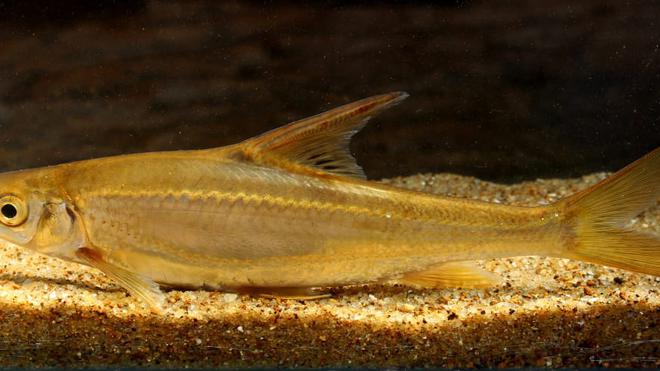
In a noteworthy shift, the love for fish in India has surged, as revealed by the latest data from the National Council of Applied Economic Research. Fish consumption per household has nearly doubled over the past decade, reaching over 13 kilograms per capita per annum in 2022-23. While this falls short of the international estimate of 20.5 kg per capita (2019-20), there is a potential trajectory to reach 21.4 kg by 2031. Despite this culinary trend, challenges loom over the welfare of freshwater fish. The Wildlife (Protection) Act of 1972 primarily safeguards marine species, leaving approximately 120 species of freshwater fish in India vulnerable and in urgent need of protection. The focus on marine sharks, rays, and a limited number of molluscs neglects the plight of indigenous fish species threatened by over-fishing, water body depletion, and riverine pollution. Even as fish gains popularity, political, economic, and cultural currents influence dietary choices. A study by the Indian Council of Medical Research indicates that India’s per capita consumption of meat and eggs, crucial protein sources, remains below recommended levels and has been declining since 2014. This decline coincides with a political environment inclined towards promoting vegetarianism in a nation traditionally inclined towards meat and fish consumption. While relatively inexpensive farmed fish, such as carp and tilapia, have become substitutes for pricier alternatives, a disparity in consumption persists, particularly affecting women from impoverished families. Gender imbalances in fish consumption heighten the risk of anaemia among women who often settle for fish fins and bones rather than fillets. Addressing these challenges requires a nuanced approach. The West Bengal environment ministry has taken a commendable step by initiating a conservation program for small fish varieties like pnuti and folui. Emulating successful models, such as Bangladesh’s remarkable Hilsa comeback, could offer insights. The National Fisheries Policy of 2020, focusing on growth, must expand its scope to encompass ecological, economic, and cultural considerations for sustainable development. In essence, fostering fishing practices that strike a delicate balance between sea catches and ecosystem health is crucial. The article calls for collaborative efforts at both the national and state levels in India, emphasizing the need to move beyond growth-oriented policies to ensure a harmonious coexistence of culinary traditions, economic interests, and environmental conservation.

Read More

Empowered Committee Reshapes Aquaculture Landscape in Andhra Pradesh

In a significant development, the Empowered Committee in Andhra Pradesh, led by Mines and Geology Minister Peddireddy Ramachandra Reddy, has successfully addressed challenges faced by aqua farmers. The committee, formed by the State government, exerted control over aqua feed and seed prices, providing substantial relief to farmers who had previously suffered losses due to the absence of a regulatory mechanism. The committee members, including ministers Botcha Satyanarayana and Seediri Appalaraju, highlighted that the aqua sector, spanning 4.65 lakh acres, faced hardships stemming from fluctuations in the international market. However, proactive measures taken by the empowered committee, such as controlling prices six times, have significantly uplifted the sector. A key initiative by Chief Minister YS Jagan Mohan Reddy involved conducting an e-fish survey, identifying 46,433 aqua electricity connections eligible for subsidies. An additional 4,230 connections received approval based on farmer applications, with power subsidies set to commence from November 1. The committee, keen on securing the interests of aqua farmers, emphasized that a fixed price of Rs 240 per kilogram for 100 count prawns should be adhered to by merchants, preventing transactions below the prescribed amount. With the aquaculture landscape undergoing positive transformations, the committee’s efforts underscore a commitment to sustainable growth and support for farmers in Andhra Pradesh.

Read More

Seaweed Farming Success in Lakshadweep, India

A pilot seaweed farming enterprise in Lakshadweep, an archipelago off the coast of Kerala in India, has been a huge success. The farm, which was initially launched in Chetlath, one of the smaller islands in Lakshadweep, has expanded to 30 plots with 3,000 net tubes. The first harvest yielded nearly 15 tonnes in 45 days, and subsequent harvests have been done every 30-45 days. The farm has also been expanded to the neighbouring atolls of Kiltan and Kadmat. Women have been the main workforce on the seaweed farm, with some employed from local self-help groups to carry out various farm activities, such as preparing tube nets, seeding, and harvesting. The program has generated nearly 3,000 working days during the eight-month period, with an average daily earning of Rs 380 (£3.64). The success of the pilot seaweed farming enterprise is due to a number of factors, including: * The strong support of the ICAR-Central Marine Fisheries Research Institute (ICAR-CMFRI) and the Lakshadweep Administration* The use of commercially important, indigenous seaweed species, such as Gracilaria edulis and Acanthophora spicifera* The training of local people in seaweed farming* The establishment of seaweed hatcheries, seed reserves, seaweed health monitoring facilities, and incubation facilities for mariculture The success of the pilot seaweed farming enterprise is expected to have a number of benefits for Lakshadweep, including: * Increased income for local communities* Improved food security* Increased employment opportunities* Reduced environmental impact of fishing The ICAR-CMFRI is working with the NITI Ayog, the Government of India, and the Lakshadweep Administration to generate scientific information, build skills, provide technical support services, and draw policy guides for sustainable and inclusive seaweed enterprise development in the island territory. Seaweed farming is a sustainable and environmentally friendly way to produce food and other products.** Seaweed is a fast-growing crop that does not require freshwater or fertilizer. It can also help to improve water quality and reduce greenhouse gas emissions. The success of the pilot seaweed farming enterprise in Lakshadweep is a model for other coastal communities around the world. Seaweed farming has the potential to be a major source of food, income, and environmental benefits for coastal communities.
Read More

Insect Revolution: Transforming Indian Aquaculture with Sustainable Feeds

India, with its diverse aquaculture practices, is at the forefront of a potential revolution in sustainable fish farming. Ankit Alok Bagaria, Co-founder of Loopworm, sheds light on the promising landscape of insect-based aquafeed ingredients and the profound impact it can have on India’s small-scale aquaculture producers. Amidst challenges such as disease outbreaks, water pollution, and market demand fluctuations, the aquaculture sector in India seeks innovative solutions. Enter insects – a sustainable alternative source for aquafeed ingredients, including insect protein concentrate, insect meal, and insect fat oil. India’s tropical climate and abundant food waste make it a prime candidate to lead the global insect feed industry. Insects, being natural food for fish and birds, offer enhanced palatability, superior digestibility, high protein content, and immunity-providing natural peptides. The incorporation of insect meal in compound feed can significantly boost overall productivity. Shrimp farmer Bhargava, facing rising costs in conventional feeds, emphasizes the need for better quality feed to enhance palatability, immunity, and growth rates in shrimps. Traditional marine-based ingredients like fishmeal and krill meal face challenges, creating an opportunity for alternative ingredients such as insects to shine. Loopworm’s success story illustrates the potential of insect farming in India. The startup, co-founded three and a half years ago, has not only ventured into black soldier fly larvae but expanded to include silkworms. With government grants and strategic investments, Loopworm now commercially supplies 100 tonnes of insect protein and insect fats per month, aiming to double this capacity. The interview delves into the personal experiences of farmers like Kumar, who farms catla in Uttar Pradesh. Despite low investment in compound feed, he opts for cheaper alternatives like leftover food, fresh food waste, and pest-infested grains. Here lies the opportunity for small-scale farmers to integrate insect farming into aquaculture, ensuring better productivity and reduced feed costs. The article highlights Loopworm’s collaboration with feed manufacturers, focusing on parameters beyond traditional feed conversion ratios. By prioritizing immunity, palatability, digestibility, and meat quality, Loopworm aims to bring tangible benefits to farmers like Bhargava, aligning with their productivity goals. The journey of Loopworm, from stabilizing breeding processes to securing investments, showcases the transformative potential of insect farming. The article emphasizes the challenges, such as scaling up operations and ensuring quality control, while underscoring the promise of insect-based aquafeed in contributing to the sustainability, efficiency, and growth of the Indian aquaculture industry. As India stands at the cusp of embracing insect-based feeds, the article prompts reflection on the challenges and opportunities, signaling a potential paradigm shift in the way aquaculture is approached and sustained in the country.

Read More

From Cardamom Fields to Trout Triumph: The Inspiring Journey of Premier Aquaculturist, Prem Kumar Rai

In the picturesque state of Sikkim in northeastern India, a transformative tale of aquaculture success unfolds as Prem Kumar Rai, a 45-year-old farmer, emerges as a trailblazer in rainbow trout farming. Rai’s journey, chronicled through an insightful interview, sheds light on his evolution from cultivating cardamom to becoming a thriving fish farmer, earning accolades and recognition from the state government. In 2012, seeking new avenues and spurred by the active promotion of rainbow trout farming by the Indian fisheries department, Rai transitioned from cardamom cultivation to fish farming. Armed with a modest investment of Rs 50,000 ($611), 2,000 fingerlings, and essential training from the fisheries department, Rai embarked on a journey that would redefine his livelihood. The initial challenges were substantial, with only 300 fingerlings surviving due to Rai’s limited knowledge of fish farming. Despite this, the first year yielded a profit of around Rs 40,000 ($488), showcasing Rai’s determination and adaptability. Addressing the intricacies of trout farming, Rai shares insights into combating diseases, particularly fungal infections, which contribute to a mortality rate of around 30 percent. Quick thinking and the addition of salt are essential to prevent loss if fins turn white—a testament to Rai’s hands-on expertise. The interview unveils the harsh realities Rai faced, with significant losses totaling Rs 9 lakhs ($11,000) in 2015, 2018, and 2021 due to water supply disruptions. Undeterred, Rai perseveres, ensuring the daily care of his trout farm from dawn till dusk, even facing the challenges of potential theft. Rai’s commitment to growth is evident in his annual production, boasting 600 broodstock and 100,000 juveniles this year, with plans to reach 300,000 by the next. Despite the challenges, Rai remains focused on expanding his business, envisioning a small hatchery to further contribute to the aquaculture sector. Acknowledging the support from the state fisheries department, Rai expresses gratitude for the assistance that led to his recognition as the state’s best trout farmer in 2020 and the recipient of the state’s best fish farmer award on World Fisheries Day last year. Rai’s ultimate ambition reflects his entrepreneurial spirit—expanding his business and establishing a hatchery. However, he highlights the need for government schemes to consider small farmers and provide tailored funding. In closing, Rai extends advice to aspiring fish farmers, emphasizing the tremendous scope and income prospects in the sector. His story serves as an inspiring testament to the transformative power of aquaculture, showcasing how one farmer’s resilience and dedication can create a ripple effect of success in the thriving landscapes of India’s pisciculture.

Read More

MPEDA’s Pioneering Efforts: Revitalizing India’s Shrimp Aquaculture with Black Tiger Shrimp

In recent years, India’s shrimp aquaculture landscape has witnessed a shift, with the traditional black tiger shrimp, once a flagship species, making a remarkable comeback. Despite the dominance of the vannamei shrimp in global production, the black tiger shrimp, scientifically known as Penaeus monodon, is gaining renewed attention, thanks to strategic initiatives by the Marine Products Export Development Authority (MPEDA). Historically, black tiger shrimp held a prominent position in Indian aquaculture. However, challenges such as disease outbreaks and the allure of the high-yielding vannamei shrimp led to a decline in black tiger shrimp cultivation. Recognizing the potential and responding to the demands of exporters and farmers, MPEDA has taken bold steps to revive the farming of black tiger shrimp on a large scale. The Multi-Species Aquaculture Complex facility at the Valar Partum Island of Kochi, managed by the Rajiv Gandhi Centre for Aquaculture (RGCA), a research wing of MPEDA, stands as a testament to India’s commitment to revitalizing its shrimp aquaculture industry. This state-of-the-art complex boasts a 20 million capacity hatchery for black tiger shrimp post larvae, along with nurseries producing 1.65 million fingerlings of various fin fish and shellfish species, including sea bass, cobia, genetically improved farmed tilapia, and silver pompano, as well as 0.5 million crab lots of mud crab. One of the critical challenges addressed by MPEDA is the supply of quality seeds. The shortage of good quality black tiger shrimp seeds led traditional farmers to resort to poor quality seeds, impacting farm productivity. The newly established facility carefully selects breeders to produce healthy seeds, which undergo rigorous testing for shrimp pathogens, ensuring the delivery of disease-free and robust seed stock to farmers. The success of MPEDA’s initiative is evident in the overwhelming demand for quality seeds, surpassing the facility’s current capacity. This not only highlights the eagerness of the farming sector for reliable seed sources but also emphasizes the pivotal role MPEDA plays in supporting farmers. MPEDA’s approach goes beyond just reviving black tiger shrimp farming; it aims to energize and diversify aquaculture in India on a large scale. The model implemented in Kerala is seen as a potential template for replication in other states, showcasing the adaptability and scalability of this initiative. Moreover, as global attention turns towards sustainable and low-density alternatives to intensive shrimp production, black tiger shrimp emerges as a lucrative option. The species, relished in overseas markets such as the European Union, the USA, China, and Japan, offers a valuable niche market that complements the dominant vannamei shrimp. In conclusion, MPEDA’s proactive measures and the establishment of cutting-edge facilities underscore India’s determination to regain its position as a key player in the global shrimp aquaculture industry. The revival of black tiger shrimp aligns with India’s commitment to sustainable and diversified aquaculture practices, setting the stage for a prosperous future for the country’s shrimp farmers and exporters.

Read More

Union Minister Advocates Research and Investment for Advancing Deep-Sea Fishing in India

Union Minister of State for Fisheries, Animal Husbandry, and Dairying, L Murugan, has underscored the crucial role of research and design in upgrading fishing vessels to unlock the potential of sustainable deep-sea fishing. Speaking at the Global Fisheries Conference India 2023 in Ahmedabad, Murugan highlighted the global demand for tuna fish and India’s capacity to increase its tuna fishing, emphasizing the need for technological advancements. To support traditional fishermen in this endeavor, the government is offering up to 60% financial assistance for converting vessels into deep-sea fishing boats, coupled with loan facilities. Murugan stressed the importance of modern fishing vessels equipped with in-built processing facilities to meet international quality standards for deep-sea fishing. Recognizing the current limitations of traditional fishermen, he assured the government’s commitment to bridging this gap. During another session, Simon Feunge-Smith, a senior fishery officer at the Food and Agriculture Organisation (FAO) of the UN, highlighted a 37% increase in per capita fish consumption worldwide over the last 25 years. He called for enhanced blue finance to address critical threats posed by climate change and rising food demand, citing Asia’s contribution of 89% to global aquaculture production. Deep-sea fishing, conducted beyond the territorial waters and within the exclusive economic zone, presents a significant opportunity. World Bank consultant Arthur Neiland emphasized the untapped potential of yellowfin and skipjack tunas in India’s exclusive economic zone, with a harvest estimate of 179,000 tonnes, yet only 12% utilization. Neiland stressed the necessity for public and private sector investment in deep-sea fishing, envisioning economic, social, and environmental benefits. As India aims to bolster its position in the global fishing landscape, the call for research, technological innovation, and strategic investments becomes paramount in ensuring sustainable and lucrative deep-sea fishing practices.

Read More

Uttar Pradesh’s Transformative Journey in Inland Fisheries: PM Matsya Sampada Yojana Unleashes Growth

Uttar Pradesh’s fisheries sector has undergone a remarkable transformation, propelled by the effective implementation of 31 schemes under the visionary PM Matsya Sampada Yojana. The state, under the leadership of Chief Minister Yogi Adityanath, has witnessed unprecedented progress, securing its position as a frontrunner in the realm of inland fisheries. Minister Sanjay Nishad, the driving force behind these initiatives, proudly announced that a staggering ₹150 crore has been disbursed to beneficiaries as part of these schemes. This financial infusion has not only bolstered the livelihoods of fish farmers but has also contributed significantly to the overall economic growth of the state. A testament to Uttar Pradesh’s commitment to excellence in the fisheries sector is the recent accolade received at the Global Fisheries Conference 2023 in Ahmedabad. The state was honored with the prestigious Best State-Inland Fisheries Award, a recognition of its outstanding achievements in the field. The fisheries department’s elevation to a cabinet minister’s portfolio by the Yogi government underscores its strategic importance. This move reflects a proactive approach to boosting the sector, signaling a comprehensive commitment to its sustainable development. In the last six-and-a-half years, Uttar Pradesh has made substantial strides in fish farming, with the annual fish production escalating from 8 lakh metric tonnes to an impressive 9.1 lakh metric tonnes. Similarly, fish seed production has witnessed a significant rise, surging from approximately 27,128 lakh metric tonnes to an impressive 36,187 lakh metric tonnes. One of the key projects under the PM Matsya Sampada Yojana is the ongoing construction of an ultra-modern fish mall in Chandauli, valued at over ₹62 crore. This state-of-the-art facility will further enhance the processing and marketing capabilities of the fisheries industry, positioning Uttar Pradesh as a hub for innovative and sustainable practices. Noteworthy is the comprehensive insurance scheme tailored for fish farmers, covering a spectrum of risks, from accidents to injuries. Over one lakh fish farmers have availed themselves of this scheme, receiving monetary assistance of ₹5 lakh to families in case of fatalities and ₹2.5 lakh for those facing disabilities. The scheme’s inclusivity also extends to cover injuries sustained by fish farmers during their endeavors. The Global Fisheries Conference showcased Uttar Pradesh’s commitment to fostering a thriving and sustainable inland fisheries industry. The state’s active engagement in 31 projects, including ambitious fish ranching initiatives across rivers in 68 districts, underscores its dedication to holistic development. As a beacon of progress, Uttar Pradesh’s fisheries sector is not just about numbers; it represents a holistic approach to community welfare, economic development, and environmental sustainability. The state’s recognition as the Best State-Inland Fisheries is a testament to its unwavering dedication to fostering a thriving and sustainable inland fisheries industry. In conclusion, Uttar Pradesh’s fisheries success story stands as a model for effective governance, strategic planning, and inclusive growth. With a commitment to innovation and sustainability, the state paves the way for a brighter future for its fish farmers and the entire inland fisheries ecosystem.

Read More

Kerala’s Fisheries Triumph: A Beacon of Sustainable Development and Community Prosperity Takes Center Stage at IITF Trade Fair 2023

New Delhi: The Department of Fisheries in Kerala garnered widespread acclaim at the India International Trade Fair (IITF) 2023, where it showcased the state’s commitment to sustainable development and the well-being of its fishing communities. Led by Minister Saji Cherian, the department envisions “Blissful fishers and a healthy community.” Renowned as God’s own country, Kerala, with its extensive 590 km coastline and diverse waterbodies, assumes a pivotal role in ecological diversity and livelihood. The Department of Fisheries, helmed by the Director of Fisheries, is unwavering in its dedication to the sustainable development of fisheries in both marine and inland sectors. The fisheries sector significantly contributes to Kerala’s GDP, with marine product exports reaching a remarkable Rs 5919.02 Crores in 2017-18. Supporting a vast population, 222 fishing villages in the marine and 113 fishery villages in the inland sector provide livelihoods, contributing significantly to the socio-economic fabric. Collaboration among executive officers under the department, including Kerala State Cooperative Federation for Fisheries Development Ltd (Matsyafed), Agency for Development of Aquaculture, Kerala (ADAK), and others, propels the department’s mission. This mission encompasses resource conservation, nutritional security, socio-economic development, safety for the fishing community, infrastructure development, and effective extension services to society. At the IITF Trade Fair 2023, Kerala’s fisheries stood out with a showcase emphasizing innovation, conservation, and community well-being. Visitors were captivated by the vibrant display of aquatic diversity and success stories of sustainable fisheries. Mr. Narendra Jha, a visitor, praised Kerala’s fisheries stall, stating, “The fisheries stall reflects the rich heritage and potential of Kerala’s fishery sector. It’s a testament to the state’s dedication to sustainable practices and community welfare.” The success at the IITF Trade Fair 2023 underscores Kerala’s leadership in fisheries, embodying the mission of “Blissful fishers and a healthy community” in every facet of its endeavors.

Read More

Global Shrimp Prices Stabilize at Unsustainable Levels, Putting Farmers Under Pressure

The global shrimp market is facing a challenging situation as prices stabilize at “unfavorably low levels,” leading to financial hardships for many farmers. This trend is particularly evident in India, where raw vannamei exports averaged USD 6.32 (EUR 5.80) per kilo in September, marking a significant decline from USD 7.54 (EUR 6.92) in September 2022 and USD 6.55 (EUR 6.01) in July 2023. While there was a slight uptick from the USD 6.29 (EUR 5.77) recorded in August 2023, overall prices remain at concerningly low levels. Several factors are contributing to this downward pressure on shrimp prices. One key factor is the weakening of the Chinese market, which has been impacted by economic challenges such as stalled real estate development, defaulting developers, and falling home prices. These issues have dampened demand for shrimp in China, a significant consumer of the seafood. Despite cooling inflation, the U.S. market has shown some signs of recovery, importing more shrimp year-over-year in August and September. However, this increase in U.S. imports has not been enough to offset the decline in demand from China. The prolonged low prices are putting immense strain on shrimp farmers, pushing many into loss-making situations. The Shrimp Insights Founder Willem van der Pijl highlights the severity of the situation, stating, “Prices are ‘quite low,’ pushing many farmers into a loss-making situation.” The International Monetary Fund (IMF) has also expressed concerns about the Chinese economy’s impact on global shrimp markets. In its November World Economic Report, the IMF downgraded its growth expectations for China, citing the troubled property sector as a significant risk factor. The IMF’s report also noted that China’s government has been hesitant to introduce substantial fiscal stimulus measures to boost growth, further clouding the outlook for the shrimp industry. The Chinese Aquatic Producers Promotion and Marketing Association (CAPPMA) Secretary General Cui He acknowledged the challenges facing the Chinese shrimp industry, stating, “China is currently facing a complex and volatile international economic environment.” The stabilization of global shrimp prices at unfavorable levels poses a significant threat to the livelihoods of shrimp farmers worldwide. As the situation continues to unfold, it is crucial for industry stakeholders and policymakers to work together to find solutions that support the sustainability of shrimp farming and protect the livelihoods of those who depend on it.

Read More

WWF Launches Groundbreaking Oceans Futures Program to Avert Global Fish Wars

In a proactive response to a staggering 20-fold surge in fisheries conflict over the past four decades and a forecasted 23 percent shift in global fish stocks due to climate change, the World Wildlife Fund (WWF) has unveiled the revolutionary Oceans Futures program. Launched at The Halifax International Security Forum on November 18, the initiative aims to pinpoint regions at risk of maritime conflict and food insecurity caused by climate-driven fisheries migration. Oceans Futures has already identified potential hotspots, including the Arctic Ocean, the Gulf of Guinea, the Eastern Mediterranean, the Eastern Tropical Pacific, and the Central Pacific. Additionally, 20 global regions, including waters bordering Cameroon, Syria, Ecuador, Indonesia, and Micronesia, are predicted to experience heightened conflict, food insecurity, or geopolitical tensions related to fisheries by 2030. Utilizing a fusion of fisheries movement data and socio-economic and security information, such as nutrition profiles, economic status, foreign fishing vessel presence, and contested maritime borders, the platform provides a comprehensive analysis. This data-driven approach allows Oceans Futures to be an early warning system, assisting countries and international bodies in identifying opportunities for coordinated action on priority conservation and conflict-prevention efforts. Johan Bergenas, WWF Senior Vice President for Oceans, emphasized the program’s potential impact: “We have a unique opportunity to predict and prevent future fish wars that will have devastating impacts on people and nature. In launching Oceans Futures, we are bringing together the partners, the science, the data, and the solutions to deliver a more sustainable and peaceful future.” Admiral Paul Zukunft (Retired), the 25th Commandant of the U.S. Coast Guard, highlighted the significance of the program in addressing the geopolitical consequences of depleting global fish stocks: “Oceans Futures will be the go-to handbook for nations around the globe to chart a new course for the future security and environmental stability of our oceans and the world.” Key partners in the Oceans Futures initiative include the Environmental Defense Fund (EDF), the International Conservation Caucus Foundation (ICCF), and Ode Partners. Sherri Goodman, International Military Council on Climate and Security Secretary General, and Woodrow Wilson International Center Senior Fellow, emphasized the interconnectedness of climate change and national security: “With the Oceans Futures initiative, the international community will be able to visualize how these challenges are impacting fisheries and the lives of key coastal communities, encouraging us to come together and take action to preserve these vitally important resources.” In unveiling this pioneering initiative, WWF seeks to provide nations across the globe with the tools and insights necessary to forge a sustainable and secure future for our oceans and the communities that depend on them.

Read More

City Operation Manager – Meat and Seafood Business

Job Notification Job Title City Operation Manager – Meat and Seafood Business Company Bask HR Consulting Pvt ltd Location Bengaluru, Karnataka, India Job Type On-site Employment Type Full-time Experience Level Mid-Senior level About the Company Bengaluru based meat and seafood company Licious was founded in 2015 by Abhay Hanjura and Vivek Gupta. It is now India’s most successful D2C foodtech brand. Responsibilities Put your captain’s hat on and take end-to-end ownership of key metrics, team up with our hub Captains to deliver great delivery experience to our customers. Lead, Mentor and Coach the team enabling them to step up above and beyond their current roles and grow further Up the game on efficiency and cost as you lead the P&L, moving levers that bring out speed and quality. Team up with Marketing folks to bring the freshest and best meat to the doorsteps of more and more meat lovers, in current and new markets. Define key metrics, mapping product performance to customer and business success. Become the mastermind behind our next big breakthrough. Invent new processes and build systems that keep raising the bar of performance Geek out with our Operations Excellence team to push the frontiers of tech in delivery and customer service. Qualifications Have 6- 15 years of experience under your belt, preferably in an e-commerce company’s last mile operations Are energized by developing people, building great managers and leaders out of your people Have a penchant for leadership, cross functional collaboration, and large-scale people management Identify, build, and use a wide network of contacts with people at all levels, internally and externally Are a self-starter, entrepreneurial attitude with high level of ownership Are a competent decision-maker with the ability to create and execute a strategic plan for a region Are customer obsessed, you should constantly be on the lookout to find pain points and solve them ground up Individual willing to roll up their sleeves and get the hands dirty Proven track record of working closely with multiple stakeholders from HR, Business and Finance to drive a data driven culture A high agency individual with an ability to deliver stretch goals in an ambiguous, innovative, & fast-paced environment Last but not the least, excellent written and verbal communication skills How to Apply CLICK HERE TO APPLY

Read More

Technicians for Shrimp Farms

Job Title Technicians for Shrimp Farms Company AquaBeats Location Rajahmundry, Andhra Pradesh, India About the job Aquabeats is focused on developing sustainable seafood and aquaculture supply chains through collaborative efforts. Our goal is to empower aquapreneurs and produce top-notch premium shrimp. We leverage technology and implement data-driven strategies to bring innovation to global aquaculture and revolutionize the industry. Our efforts are aligned with the goals of the Blue Revolution initiative led by our respected Prime Minister and aimed at achieving Sustainable Development Goals. This is a full-time, on-site role, located in Andhra Pradesh. As a Technician for Shrimp Farms, you will work alongside other team members to perform various tasks to maintain and improve the health and productivity of the shrimp. Your day-to-day tasks may include feeding shrimp, monitoring water quality, handling equipment, maintaining farm infrastructure, and assisting in the implementation of disease management strategies. Qualifications Bfsc, Mfsc, BSc/MSc in Fisheries, Marine Biology and Prior experience as a Technician in aquaculture is a must Ability to work independently and in a team environment Physical ability to work outdoors in various weather conditions and lift up to 50 pounds Excellent communication and interpersonal skills Attention to detail and ability to maintain accurate records Basic computer skills Language – English, Hindi, Telugu is must How to apply Click here to apply

Read More

Corporate Quality Assurance Manager (Seafood)

Job Notification Quality Assurance Manager (Seafood) Company: Captain Fresh Location: Bengaluru, Karnataka, India Department: Corporate Quality Assurance About Captain Fresh With the aim of delivering the fastest harvest-to-retail, we at Captain Fresh are journeying beyond the horizons to revolutionise the B2B and B2B2C seafood marketplace and supply chain. We do this by leveraging AI, ML, IoT, Data and Analytics, and other cutting-edge technologies to empower local fishermen while delighting businesses with reliable, convenient, and fresh supplies. Skill sets A four-year bachelor’s degree in applied sciences (Preferably Fisheries, Agriculture, Food Technology, Passed in first class. A post-graduate degree/ diploma in technical subject or management is desirable but not essential. Around 10 years experience in quality Assurance with at least 4 years in managerial position. Developing and implementation quality, food safety and sustainability standards. Establishing QA objectives and tracking for achievement. Performing vendor evaluation/ vendor audits and periodic evaluation of the suppliers. Training and mentoring QA personnel. Meets financial objectives by estimating requirements, preparing budgets and monitoring expenditures. Take ownership QA documentation (Controlling and Distribution). Planning and conducting internal audits. To assist HR in recruitment process. Liaoning with external agencies relating to QA. Preparing reports to management by collecting, analyzing and summarization. Willing to travel extensively. Effective communication in English (written and spoken) and other languages. Attention to detail/ root cause analysis. Ability to lead QA personnel and ability to get along with others. Creative/ analytical thinking and making sound judgements. Well versed in implementation of ISO/ HACCP/ Food Safety (GFSI recognized schemes viz. FSSC and BRC etc). Good exposure in Sustainability standards (Environment, Health and Safety, Responsible sourcing, ASC, MSC COC, BAP etc). Undergone external training in Quality, Food Safety and Sustainability Standards. Clear understanding of regulatory requirements (national and international). Application statistical tools and usage of MS Excel. Candidates who have worked on Seafood company are preferred. How to Apply Interested candidates can mail their CV to – Junaid.khan@captainfresh.in

Read More

Navigating Change: Indian Fishermen Harness Smartphone Mapping to Protect Ancestral Lands

In the southern Indian state of Tamil Nadu, fishermen are adapting to modern challenges with ancient wisdom by embracing smartphone apps to map their ancestral lands. Official government maps may showcase roads, power stations, and lighthouses, but they often overlook the cherished spots where generations of fishermen have conducted their maritime rituals. Fearing industrial encroachment and changing government zoning rules, these fishermen are using technology to safeguard their way of life. Bharath S. Raji, a third-generation fisherman from Pulicat Lake, Tamil Nadu, leads the charge. Armed with a smartphone, Raji and his fellow fishermen navigate the lakeside to pinpoint special locations like docks, net-drying areas, and shrines on Google Maps. Their efforts are a response to upcoming government zoning changes that threaten their industry and traditions. The fishermen of Gunankuppam village have documented hundreds of significant locations on various mapping apps, creating a grassroots map that contrasts with official government records. Industrial proposals, including a port and power plant, loom on the horizon, potentially disrupting the vibrant fleet of boats that ply the lagoon for mackerel and sea bass. Ajay Anand, assistant director of fisheries in Thiruvallur district, acknowledges the shortcomings of official maps and applauds the community-led survey. The fishermen’s maps will undergo independent verification by the fishing department, ensuring their accuracy before potential adoption by the government. The looming threat of industrialization challenges the traditional lifestyle of fishing villages like Gunankuppam, caught in the tussle between old and new India. Surrounded by foundries, thermal power plants, and shipyards, these villages symbolize the clash between timeless existence on the lagoon and the relentless pursuit of a high-tech future, underscored by India’s national space station visible on the horizon. Saravanan K., a coordinator at the Coastal Resource Centre, a local environmental activist group, highlights the adverse impact of development on fishermen’s lives and livelihoods. Amid the government’s grand plans, the sea and river, once sources of sustenance, now face pollution. Saravanan leverages GIS software and mobilizes volunteers to map the land, empowering the community to counter encroachments. The rapid adoption of mapping apps in these fishing communities is noteworthy, considering mobile phones only arrived in Gunankuppam in 2006. Yet, the proliferation of smartphones even in rural areas indicates a growing tech-savvy population, with an estimated one billion smartphone users predicted in India by 2026. The fishermen draw inspiration from past successes, citing appeals to the National Green Tribunal that curtailed industrial activities in protected coastal areas. Their efforts have thwarted a thermal power station expansion into fishing zones and halted a private takeover of public waters. Durai Mahendran, state president of the Tamil Nadu fisherman association, credits local mapping initiatives with safeguarding villages from rampant development. Fisherman Dayalan D. reflects on the transformative power of technology to protect their age-old way of life, emphasizing the importance of documentation through maps to substantiate their claims on the land. As these fishermen embrace technology to navigate the changing tides, their maps become not just a tool for preservation but a testament to the resilience of communities in safeguarding their heritage against the waves of modernization.

Read More

Government Extends Kisan Credit Card Benefits to Fishermen, Recognizing Their Economic Contribution”

In a significant move, Union Minister of Fisheries, Animal Husbandry and Dairying Parshottam Rupala announced the extension of the Kisan Credit Card (KCC) scheme to fishermen on November 16. Originally designed for farmers, the KCC scheme provides tailored financial support through credit cards to address agricultural needs. By broadening its scope to include fishermen, the government aims to acknowledge and support the substantial contribution of those involved in the fishing sector to the nation’s economy. In addition to the financial assistance, the government, in collaboration with the Indian Space Research Organisation (ISRO), has developed a specialized instrument. This tool is designed to help fishermen precisely identify their location and facilitate communication with shore-based personnel. The initiative is geared towards enhancing the safety and efficiency of fishermen during their fishing activities. The rollout of this instrument is expected in the near future, according to Rupala. The Kisan Credit Card scheme, introduced in 1998, initially focused on providing cards to farmers based on their land holdings, with the objective of achieving widespread adoption by banks. Originally intended for purchasing agricultural inputs like seeds, fertilizers, and pesticides, as well as withdrawing cash for production needs, the scheme has evolved over time to better support farmers and address their financial requirements. Source: Union Ministry of Fisheries, Animal Husbandry and Dairying

Read More

India’s Exports Soar: Nordic-Baltic Region Emerges as Key Market with 39% Growth in 5 Years

In a notable surge, India’s exports to the Nordic-Baltic region have witnessed a remarkable 39% increase from 2018-19 to 2022-23, according to Union Commerce Minister Shri Piyush Goyal. Addressing the CII India Nordic-Baltic Business Conclave 2023 in New Delhi, Goyal welcomed companies from the Nordic-Baltic region to invest in India, emphasizing the potential for setting up production units. Exports to Finland and Norway have particularly experienced significant growth, exceeding 100% and 80%, respectively. Goyal encouraged the Nordic region to leverage India’s economies of scale, stating, “The Indian market can help you grow,” pointing out that India’s economy is currently $3.5 trillion and projected to reach $35 trillion in the next 30 years. The minister highlighted various sectors ripe for collaboration, including pharmaceuticals, IT, Artificial Intelligence, Internet of Things (IoT), electric vehicles, and the marine industry. Recognizing the Nordic-Baltic nations for their strengths in innovation, green tech, AI, and blockchain-led transformations, Goyal stressed the substantial scope for collaboration with India. Discussing India’s ongoing negotiations for Free Trade Agreements (FTA) with the EU and EFTA, Goyal expressed optimism about expanding trade beyond goods and services. He urged collaboration in tourism, technology, innovation, and greener energies, aligning with India’s growth story focusing on AI and blockchain. Goyal extended invitations to Nordic-Baltic companies to participate in upcoming trade shows like Bharat Mobility and BharatTex, scheduled for February 1 and February 26, respectively, in the coming year. Highlighting the significance of collaboration, Aksel Vilhelmson Johannesen, Prime Minister of the Faroe Islands, identified potential areas for cooperation, particularly in fisheries, aquaculture, and technology. Source: CII India Nordic-Baltic Business Conclave 2023

Read More

ICAR-CMFRI Unveils Two New Seer Fish Species Enriching Indian Marine Biodiversity

In a groundbreaking development for marine fisheries, researchers at the ICAR-Central Marine Fisheries Research Institute (CMFRI) have identified two additional species of seer fish, a highly coveted high-value marine species. The team, led by Dr. E M Abdussamad, Principal Scientist of ICAR-CMFRI, unveiled the Arabian sparrow seer fish (Scomberomorus avirostrus) as an entirely new discovery to science. Additionally, they resurrected the Russell’s spotted seer fish (Scomberomorus leopardus), previously considered a synonym of the spotted seer fish. Dr. Abdussamad’s team’s findings revealed that the spotted seer fish (Scomberomorus guttatus), once believed to be a single species, comprises three distinct species. This includes the newly identified seer fish, the resurrected seer fish, and the existing spotted seer fish. This revelation increases the total number of high-demand seer fish species in Indian waters from four to six. This taxonomic breakthrough stemmed from an extensive study of spotted seer fish along the Indian coast, emphasizing significant differences in morphometry and genetic structure among specimens from various coastal regions. The newly discovered Arabian sparrow seer fish earned its name from the ICAR-CMFRI team due to its distinctive bird-beak-like snout. Found along the Arabian Sea coast north of Mangalore, its distribution extends to the Arabian Gulf. The other two species are distributed along the Bay of Bengal coast north of Nagapattinam, encompassing the Andaman Seas and China Sea. These seer fish species, known for their delectable flavor and high market value, are smaller in size and predominantly inhabit nearshore waters. Dr. Abdussamad emphasized the significance of this achievement in advancing our understanding of marine biodiversity. This breakthrough not only contributes to marine taxonomy and fisheries research but also holds the potential to benefit India’s marine fisheries sector significantly. The ICAR-CMFRI team’s latest discoveries add to their previous findings, which include new species of barracuda, chub mackerel, and queenfish. Source: Central Marine Fisheries Research Institute

Read More

Bengaluru’s Ornamental Fisheries Market Flourishes with Rs 100 Crore Monthly Revenue

Bengaluru’s ornamental fisheries market is experiencing a robust surge, contributing to an impressive monthly revenue of approximately Rs 100 crore, as revealed by the Fisheries Research and Information Centre. Dr. Chethan N, a Fisheries Scientist at Karnataka Animal and Fisheries Sciences University (KAFSU), noted a significant 15-20 percent growth in the business over the last five years. With around 2,500 thriving retail shops in the city, the ornamental fisheries industry is becoming increasingly streamlined. At the Krishi Mela 2023, organized in Bengaluru, KAFSU showcased a variety of ornamental fishes, including Goldfish, Guppy, Sword Tale, Molly, and Widow Tetras. Dr. Chethan highlighted Goldfish as the top-selling ornamental fish, closely followed by Guppy. The event witnessed the swift sale of nearly 800 small fishes on the first day. The fisheries sector, encompassing both edible and ornamental varieties, has evolved into a more organized and lucrative venture. Farmers are now embracing pisciculture as an alternative source of income. The Karnataka state fisheries department is actively working to elevate the region to the standards set by Tamil Nadu and West Bengal, both of which boast well-established fisheries businesses. In pursuit of this goal, a recent training program for 50 farmers focused on educating them about the ornamental fish business, fostering small ecosystems on their land, creating optimal breeding environments, and employing suitable equipment for desired outcomes.

Read More

Ladakh’s Fisheries Flourish: Inspiring Tales of Success Illuminate the Region’s Fish Farming Landscape

In a remarkable acknowledgment of achievements in the fisheries domain, the National Fisheries Development Board has showcased the success stories of Amina Bano and Muhammad Ilyas, two pioneering fish farmers from Ladakh’s Drass sub-division. Ranked at 51 and 52, their narratives underscore their invaluable contributions to India’s thriving fisheries sector. Muhammad Ilyas, a resident of Majidam Village, Kargil, opted for fish farming despite the challenging climate conditions. Faced with the harsh Ladakhi cold, he turned to fish farming, realizing its potential for substantial income with minimal effort. Through the “Trout Culture in Raceways” initiative, he transformed his aspirations into reality, receiving financial support to establish a raceway and stock rainbow trout fingerlings. Ilyas plans to expand his unit under the PMMSY scheme, showcasing entrepreneurial spirit and providing employment opportunities. Amina Begum Gindiyal, another entrepreneur from Majidam Village, overcame climatic challenges to pursue trout culture. With government support, she established a raceway, stocked it with rainbow trout fingerlings, and witnessed an uplift in her socioeconomic conditions. Her success has not only improved her economic standing but has also contributed to popularizing trout culture in the region. The Assistant Director of Fisheries in Kargil emphasized the transformative impact of centrally sponsored schemes like the Blue Revolution and Pradhan Mantri Matsya Sampada Yojana (PMMSY). These initiatives have not only generated employment for educated youth but have also introduced a lucrative and less managerial form of farming, fostering economic growth in the fisheries sector.

Read More

Lobster: The Culinary Cinderella – From ‘Poor Man’s Chicken’ to Gourmet Royalty

From Humble Origins to Culinary Royalty: Unraveling the Fascinating Tale of Lobster’s Rise In the realm of exquisite seafood, lobster has ascended to become the epitome of gourmet indulgence. However, delving into the intriguing history of this delectable crustacean unveils a surprising revelation – lobsters were once labeled the ‘poor man’s chicken,’ associated with modest prices and unassuming beginnings. This culinary metamorphosis finds its roots in the coastal landscapes of Maine, USA, where lobsters were so abundant that they served as sustenance for prisoners, slaves, and even livestock. Once considered as the “cockroaches of the ocean,” lobsters were plentiful, and their taste, deemed bland at the time, failed to captivate many palates. Even as the 20th century dawned, lobsters continued to struggle for culinary recognition. Despite finding a place on restaurant menus, they failed to secure widespread popularity. It was only through innovative cooking techniques that lobster embarked on its journey to culinary stardom. An unexpected champion of the lobster cause emerged in the form of former American President George W. Bush. Renowned for his love of lobster, he added a touch of presidential flair to this once-dismissed delicacy, frequently enjoying it during dinners with his wife. Reports indicate that lobster and shrimp-related recipes have undergone a remarkable transformation, becoming favorites among the majority of American citizens. This newfound appreciation isn’t solely based on taste but extends to health benefits as well. Lobster, often celebrated as a nutritional powerhouse, boasts rich reserves of copper, selenium, zinc, phosphorus, Vitamin B12, magnesium, vitamin E, and omega-3 fatty acids. While lobsters carry a higher fat content, they are not a significant source of saturated fat, positioning them as a culinary delight with health-conscious merits. For enthusiasts eager to savor lobster’s exquisite flavors, a myriad of culinary possibilities beckons – from being the star protein to enhancing pasta or rice dishes, serving as a flavorful salad topping, or taking center stage in lobster patties or burgers. However, a note of caution accompanies this culinary delight, especially for individuals with a history of shellfish allergies, as lobsters fall within this category. From humble beginnings to gracing the plates of gourmands worldwide, lobster’s journey stands as a testament to the transformative power of culinary innovation and changing tastes.

Read More

Boosting Marine Conservation: Project Dolphin Takes Center Stage

In a significant move to safeguard marine mammals within the Gulf of Mannar Biosphere Reserve, the state government has unveiled “Project Dolphin.” The initiative comes in response to reports of various dolphin species washing ashore, highlighting the vulnerability of cetaceans along the Indian coast. Species like Indian Ocean Humpback Dolphins and Indo-Pacific Finless Porpoises, among others, face anthropogenic pressures exacerbated by climate change. Supriya Sahu, Forest Secretary, emphasized the urgency of monitoring and conserving these species, especially after recent classifications of Indian Ocean Humpback Dolphins as endangered and Indo-Pacific Finless Porpoises as vulnerable by the International Union for Conservation of Nature (IUCN). The Gulf of Mannar, renowned for its biodiversity with over 4,223 species, is now a focal point for habitat protection and cetacean conservation. The project encompasses multifaceted strategies, including habitat preservation through ecological restoration, rescue and release protocols for stranded cetaceans, removal of ghost nets, and reduction of coastal pollution. Initiatives like ‘Dolphin Day’ celebrations, scholarships for students, eco-tourism promotion, and community involvement aim to raise awareness and contribute to the well-being of these marine species. As climate change impacts become increasingly evident, Project Dolphin stands as a crucial endeavor to balance conservation and human activities, setting the stage for a sustainable future in marine ecosystems.

Read More

India’s Blue Odyssey: Charting a Course for Global Leadership in the Blue Economy

India, under the spotlight of its G20 presidency, is set to redefine the contours of a resilient and green maritime sector, placing the blue economy at the forefront of its vision. In a world grappling with the challenges of climate change, the G20 leaders’ summit emphasized the imperative of nurturing a sustainable and resilient blue economy. The Blue Economy’s Significance Unveiled: With the ocean economy valuing between USD 3 to 6 trillion, it sustains over 3 billion people, particularly in coastal developing countries. As a hub for 80% of global trade, the ocean presents vast potential beyond conventional sectors, extending into ocean-based renewable energy, marine biotechnology, and deep-sea exploration. However, as development activities rise, so does the threat to ocean health. This has sparked a global focus on transitioning to a blue economy, aligning with the United Nations’ Sustainable Development Goal, ‘Life Below Water,’ aiming to protect marine ecosystems and biodiversity. India’s Blue Economy Landscape: India, boasting a 7,517-kilometer coastline, is the world’s second-largest fish-producing nation, supporting 4 million fisherfolk. Maritime industries, trade, ship-building, and cruise tourism contribute significantly to the nation’s economic output, accounting for around 4% of GDP. Recent policies underline India’s commitment to the blue economy. The Draft National Policy for Blue Economy, launched in 2021, seeks to enhance the GDP contribution of the ocean economy, improve coastal community lives, and preserve marine biodiversity. The Deep Ocean Mission, Maritime India Vision 2030, and the ‘Blue Revolution’ scheme exemplify India’s comprehensive approach to sustainable fisheries and exploration of deep-sea resources. Challenges and Critiques: Despite ambitious policies, developmental projects like the Mumbai Coastal Road have faced backlash from local fisher communities. Vulnerability to climate-induced disasters and concerns about greenhouse gas emissions in maritime economic projects remain key challenges. Addressing Concerns and Paving the Path Forward: India is making strides in Marine Spatial Planning (MSP), with a framework launched in Puducherry, collaborating with Norway. MSP aims to minimize conflicts and ensure sustainable development by identifying suitable sites for various economic activities. Additionally, the focus on a circular economy model and ecological restoration echoes the need for a holistic approach. India’s Unique Blue Odyssey: Lessons and Leadership: Dr. Nilanjan Ghosh from the Observer Research Foundation stresses India’s need for tailored strategies, learning from global counterparts while considering its unique geographical and population dynamics. India, representing the Global South, has an opportunity during its G20 presidency to spearhead a just transition, prioritizing the resilience of vulnerable communities. Global Insights and Challenges: Australia, Brazil, the UK, the US, and Russia have established dedicated national ocean policies. The European Union’s Blue Economy Plan, Norway’s Green Shipping Programme, and Denmark’s Towards Zero initiative exemplify diverse approaches. However, the challenges of financing the blue economy and the absence of modern infrastructure persist, particularly for developing economies. Conclusion: Navigating a Sustainable Blue Future: As India navigates its blue odyssey, the world watches how it balances economic growth with ecological preservation. Charting a course that learns from global lessons yet carves its unique path, India’s blue economy journey embodies not just economic potential but a commitment to the oceans, communities, and a sustainable future.

Read More

Unveiling the Nutritional Marvels: Seafood Gems Beyond Taste

Dive into the realm of seafood, often hailed as “seafood gems,” where the allure goes far beyond just flavor. These aquatic delicacies not only tantalize our taste buds but also pack a powerful nutritional punch that experts vouch for. From omega-3 fatty acids to an array of vitamins and minerals, seafood emerges as a treasure trove of essential nutrients, offering more than just a culinary delight. According to Ms. Nisha Bajaj, a Gut Health Expert & Diabetes Educator, seafood is rightfully celebrated as a superfood, contributing significantly to heart health, inflammation reduction, and optimal brain function. As she elaborates, “Seafood’s essential fats enhance heart health, reduce inflammation, and foster optimal brain function. It is also a remarkable source of high-quality lean protein, ideal for promoting tissue growth, sustaining muscle mass, and upholding overall well-being. Additionally, seafood boasts vital vitamins and minerals, including vitamin D, vitamin B12, iodine, and selenium, playing pivotal roles in fortifying the immune system, regulating thyroid activity, and ensuring robust bone health.” Aquaconnect expert adds insights on specific seafood delights, stating, “Shrimp and fish, beyond pleasing our taste buds, are invaluable nutrient sources crucial for health. These nutrition powerhouses promote heart health and brain functionality, attributed largely to their rich content of omega-3 fatty acids, vitamins, and minerals.” India’s prominence in fish production from aquaculture not only underscores its potential to meet domestic nutritional demands but also reflects a commitment to addressing the global need for sustainable and nutrient-rich protein sources. As the world’s population burgeons, the significance of ‘blue protein’ becomes undeniable, offering a sustainable pathway to fulfill protein requirements globally. At Aquaconnect, innovative tech-driven solutions are being crafted to enhance efficiency and transparency in the seafood value chain, contributing to the global production of blue protein. Seafood, the esteemed “seafood gems,” emerges not just as a delicious addition to meals but as a nutritional powerhouse. Packed with essential nutrients, its benefits range from supporting heart health and brain function to promoting muscle growth and repair. Whether you’re a seafood enthusiast or someone seeking enhanced nutrition, embracing the nutrition-packed punch of seafood is a savvy choice. So, when planning your meals, consider including these “seafood gems” to nourish your body and relish the incredible health benefits they provide.

Read More

Goa’s Culinary Mandate: ‘Fish Curry-Rice’ Now a Must on Beach Shack Menus

In a flavorful move to celebrate Goan cuisine and culture, the Goa Government has introduced a mandatory inclusion on beach shack menus – ‘Fish Curry-Rice.’ Following the recent approval of the Shack Policy, Tourism Minister Rohan Khaunte declared the government’s directive to ensure that beach shacks not only display but also serve this quintessential Goan dish. Previously dominated by North Indian offerings, the coastal shacks along Goa’s shoreline will now showcase the authentic flavors of the region. Minister Khaunte emphasized the importance of projecting Goa’s rich culinary heritage to tourists, making ‘fish curry-rice’ a gastronomic must-experience. The newly passed Shack Policy, designed to address challenges such as illegal hawking and vending on the beaches, includes a requirement for each shack to submit a list of its staff to the department. This holistic approach aims to promote tourism, and Minister Khaunte highlights the need for collaboration among departments and stakeholders for the initiative’s success. For those who savor the combination of ‘fish curry-rice’ by the beach in Goa, this mandate adds a delectable touch to the sun, sand, and sea experience, making Goan cuisine an integral part of the coastal culinary landscape.

Read More

Mastering the Art of Freshness: 6 Ingenious Techniques to Preserve the Delight of Frozen Seafood

Preserving the pristine quality of frozen seafood is an art that every culinary enthusiast aims to master. Whether you’re a seafood aficionado or a chef crafting exquisite dishes, unlocking the secrets to maintaining the freshness of frozen treasures is paramount. Here, we delve into six smart ways to elevate your frozen seafood game and ensure each bite resonates with the ocean’s essence. 1. Temperature Control Mastery: “Chilling Brilliance” The cornerstone of preserving frozen seafood’s freshness lies in meticulous temperature control. Invest in a reliable freezer, ensuring it maintains a consistent temperature of -18°C (0°F) or lower. This steadfast environment prevents ice crystals from forming within the seafood, preserving both texture and flavor. 2. Vacuum Sealing Prowess: “Air-Tight Elegance” Vacuum sealing emerges as a culinary superhero in preserving frozen seafood. By removing excess air from the packaging, this method minimizes the risk of freezer burn and ensures a longer shelf life. The airtight seal acts as a guardian, shielding your seafood from the detrimental effects of oxidation. 3. Flash Freezing Wizardry: “In the Blink of an Ice Crystal” Flash freezing is a magician’s trick in the world of seafood preservation. Swiftly lowering the temperature of seafood to an ultra-low level, typically around -35°C (-31°F) or lower, prevents the formation of large ice crystals. This rapid freezing technique retains the seafood’s cellular structure, preserving its texture and succulence. 4. Proper Storage Etiquette: “Seafood Harmony in the Chilled Symphony” Smart storage practices are the silent conductors orchestrating the symphony of frozen seafood freshness. Store different seafood types separately to prevent cross-contamination of flavors. Utilize airtight containers or resealable bags for added protection against freezer odors infiltrating your prized catches. 5. Thawing Gracefully: “The Gentle Thaw Ballet” Thawing frozen seafood requires a gentle touch to maintain its original allure. Gradual thawing in the refrigerator allows the seafood to retain its moisture and prevents texture degradation. Avoid hastening the process with warm water, as this risks compromising the seafood’s integrity. 6. Quality Check Rituals: “Freshness Assurance Protocol” Regular quality checks are the vigilant guardians of frozen seafood freshness. Before cooking, inspect the seafood for any signs of freezer burn, discoloration, or off-putting odors. Trust your senses; if something seems amiss, it’s worth considering alternative options. Embark on a journey to become the maestro of frozen seafood freshness. With these six smart techniques, each culinary creation will showcase the ocean’s bounty at its peak, promising a delightful dining experience for every seafood enthusiast.

Read More

Prawn Boom Threatens Bhitarkanika: Odisha’s Fishing Frenzy Raises Environmental Alarms

Odisha’s vigorous promotion of fish farming has led to a surge in prawn gherries covering over 15,000 hectares in Kendrapara district, posing a grave threat to the delicate Bhitarkanika wetland. Concerns arise as toxic chemicals discharged by these gherries flow into the sea, jeopardizing the lush cover and wildlife habitat in the ecologically sensitive Bhitarkanika wetland.* *The Orissa High Court has expressed discontent over the proliferation of prawn gherries and mandated the removal of illegal ones through drone-assisted identification by the district administration.* *Reports indicate a staggering 747% increase in demand for Odisha’s saline fish for export over the past decade, with marine fish exports soaring from 11,460 tonnes in FY 2011-12 to a staggering 97,125 tonnes in FY 2022-23. Incentivized by the state government, fish cultivation has expanded to cover 17,780 hectares, with a particular focus on prawn cultivation.* *Despite promoting fish farming as a means of livelihood, farmers exhibit a stronger inclination towards prawn cultivation over freshwater fish. Approximately 10,000 farmers engage in prawn cultivation on over 17,780 hectares, utilizing seawater and toxic chemicals. The discharge from prawn cultivation is harming the marine ecosystem and wildlife in Bhitarkanika wetland.* *Environmentalists, including Hemant Kumar Rout, Ashok Kumar Swain, and Prabhu Prasad Mohapatra, voice concerns over the detrimental impact of mushrooming prawn gherries on Bhitarkanika’s environment. They call for the closure of government-approved gherries to safeguard the wetland.* *Amar Kumar Pradhan, President of Maa Matia Mangala Prawn Farmers’ Federation, defends the economic benefits of prawn cultivation, citing its profitability and contribution to employment for over 10,000 youths. He emphasizes that cultivation adheres to government guidelines, warning that labeling all gherries as illegal and demolishing them could negatively impact economic growth.* *The district fisheries extension officer, Shashank Sekhar Sahu, asserts that not all gherries are illegal, with many having received approval from the Fisheries department. He highlights the ongoing evaluation of hundreds of gherrie applications and the district Collector’s directive to identify and demolish illegal ones.*

Read More

Japanese Innovation Revolutionizes Trout Farming in Himachal Pradesh: A Sustainable Aquaculture Leap

In a groundbreaking development, Japanese technology is poised to revolutionize trout fish farming at the Indo-Norway Trout Fish Farm in Patlikuhal, Kullu district. The introduction of Japan’s “recirculating aquaculture system” promises to quadruple fish production while efficiently conserving water and space. This innovative system recycles and filters water from the fish farming tanks, enabling its reuse for continuous fish production. Notably, this technology ensures the farm’s functionality even in waters affected by the periodic flooding of the Beas River. The ambitious project, underway for a year, is projected for completion by March 2024. Khem Singh Thakur, Deputy Director of the Department of Fisheries, anticipates that this technological leap will usher in a transformative era in fish production. The Patlikuhal trout fish farm has long been a crucial supplier to renowned hotels across the country. Originating between 1988 and 1991, the collaborative effort between Norway and India introduced commercial production, importing brown and rainbow trout seeds from Denmark. This venture currently yields an annual production of 15 to 20 tonnes, generating approximately ₹2 crore annually for the state government. Beyond economic contributions, the consumption of trout fish is associated with various health benefits, including cancer risk reduction and cognitive function enhancement. The Fisheries Department has achieved remarkable progress by introducing fish cages at the Kol dam reservoir in Kasol, specifically for rainbow trout, under the CSS-Blue Revolution initiative in 2020. This initiative has shown promise, with the rapid growth of fish reaching nearly 1 kg in just eight months, a significant reduction from the usual 2 to 2.5 years required in cold-water regions. This success paves the way for culturing trout fish in warm districts during the favorable water-temperature span of 5 to 9 months. Currently, around eight metric tonnes of trout fish are produced at Kol dam, with an average weight of 300gm and a maximum weight of 1 kg. The upcoming years anticipate a harvest of an estimated 100 metric tonnes, contributing significantly to the growth of the fishery industry. With over 12,000 registered fishermen and numerous households relying on fisheries for their livelihoods, this success story signals a sustainable and prosperous future for aquaculture in Himachal Pradesh.

Read More

Unveiling the Aquatic Symphony: Sandhya’s Resilient Tale on Munroe Island

Nestled in the captivating embrace of Munroe Island, Sandhya and her husband, Shilu I G, embarked on a journey that transformed the ebb and flow of the Ashtamudi lake into a symphony of aquaculture. Their story began with the allure of this island, named after the British resident Col John Munroe of the erstwhile Travancore state.* *The couple’s vision was initially set on cultivating shrimp, envisioning a venture that mirrored the rhythm of the island’s beauty. However, challenges arose with the island’s fish farming practices, and attempts at shrimp cultivation proved futile. Undeterred, they shifted gears, introducing ‘karimeen’ (pearl spot) fish seeds, which proved to be the key that unlocked the door to success.* *The journey, however, wasn’t without its trials. A devastating setback hit in 2018 when the farm faced the wrath of a deluge. The bund was breached, and the entire fish stock was swept away. Yet, Sandhya, driven by resilience, refused to let adversity drown her dreams. Today, their annual karimeen yield stands at a commendable five tonnes, fetching up to ₹600 per kg. The delectable catch has become a star attraction for eateries along the banks of the Ashtamudi, frequented by locals and tourists alike.* *Sandhya’s dedication extends beyond her business; she is equally committed to the conservation of natural habitats. Her concern deepens as Munroe Island grapples with changing topography, earning it the ominous title of the ‘sinking island.’ Tidal flooding, persisting for eight to nine months a year, coupled with sediment build-up, poses a threat to the local community’s livelihood.* *Yet, in the face of adversity, Sandhya envisions more than just a thriving fish farm. With a decade of resilience under her belt, she contemplates unlocking the tourism potential of her aquatic venture. Her story, a testament to perseverance, recently earned her the prestigious ‘Best Marine Fish Farmer’ award at the Global Fisheries Conference in Ahmedabad. Union Minister Parshottam Rupala presented her with a ₹1 lakh reward and a certificate, recognizing the extraordinary tale of turning challenges into an aquatic symphony on Munroe Island.*

Read More

India’s Bold Ambition: Doubling Seafood Value Addition by 2030 to Triumph Over Global Rivals

“India’s Bold Ambition: Doubling Seafood Value Addition by 2030 to Triumph Over Global Rivals In a strategic move to counter growing competition from nations like Thailand, Vietnam, and China, the Marine Products Exports Development Authority of India (Mpeda) is gearing up to double the share of value-added seafood products over the next seven years. Currently constituting around 10% of the $8 billion total seafood exports, India aims to elevate this figure to 20% by 2030. D. V. Swamy, Chairman of Mpeda, emphasized the necessity of this endeavor in response to changing consumer preferences and heightened global competition. The demand for value-added seafood products is surging in international markets, with a particular focus on the US, EU, Japan, and West Asia. Swamy highlighted India’s 4.3% share in the $189 billion global seafood market but acknowledged the need for improvement in the $34 billion value-added seafood products segment, where India currently holds a 2.5% share. Addressing the challenge, Swamy revealed Mpeda’s initiatives, including infrastructure development, capacity building for value addition, and comprehensive training programs for workers. The goal is clear: elevate India’s standing in the global seafood market and secure a more substantial share in the lucrative value-added products sector. As India takes decisive steps to enhance its seafood industry, the world watches as the nation strives to make waves and carve a more prominent niche in the evolving market landscape.”

Read More

Karimganj Resident Nazrul Haque Honored as Best Indian Fish Farmer

In a remarkable achievement, Nazrul Haque, a forward-thinking fish farmer hailing from Karimganj district, has been honored with the prestigious Best Indian Fish Farmer Award. The accolade, bestowed by the National Fisheries Development Board (NFDB) under the Indian Council of Agricultural Research, Hyderabad, was presented during the World Fisheries Day event at Science City in Ahmedabad, Gujarat. The distinguished occasion saw the presence of Union Minister of State for Fisheries, Animal Husbandry, and Dairying, Parshottam Rupala. Nazrul Haque, a resident of Alekhargul, located approximately 5 kilometers from Badarpur town, received the award in recognition of his outstanding performance as an inland fish farmer. The accolade came with a cash prize of one lakh rupees and a citation. Choosing the path of fish production immediately after graduating, Nazrul Haque’s proactive approach to economic self-sufficiency through scientific fish farming has earned him not only the award but also the satisfaction of a successful venture. He encourages the younger generation to adopt similar scientific methods for fish production, emphasizing its potential for economic independence. The establishment of NFDB in 2006 aimed to enhance fish production and productivity across the country, coordinating fishery development in an integrated and holistic manner. Nazrul Haque’s recognition stands as a testament to the impactful contributions of individual farmers towards the broader goal of fostering excellence in the fisheries sector.

Read More

Anantnag District Leads the Nation in Fish Farming Excellence

Anantnag District, situated in the picturesque region of Jammu and Kashmir, has earned national acclaim by securing the top position among districts nationwide for its remarkable dedication to the advancement of fish and fisheries. This recognition was bestowed on the district during the celebrated World Fisheries Day at Gujarat Science City, Ahmedabad. Jammu and Kashmir, as a Union Territory, takes pride in its unparalleled advantage over other regions, with its colossal cold-water rivers serving as exceptional breeding grounds for superior fish species. The unique geographical advantage, coupled with distinctive climatic conditions, sets Jammu and Kashmir apart. The diligent population of this region demonstrates unwavering commitment, seizing every available opportunity to transform the economic landscape. The Fisheries Department, guided sagaciously and supported comprehensively by various Centrally sponsored schemes, has translated vision into tangible results on the ground. Managed with precision, fish farms in the Anantnag district have become hubs for cultivating top-tier fish, yielding substantial economic benefits. This exemplary performance serves as motivation, encouraging both the department and youth in other districts to capitalize on the abundant opportunities within their grasp. Buoyed by such success, the administration can contemplate diversifying fisheries-related industries, including packaging adhering to international standards. Strategic engagement in export ventures with developed countries could further amplify economic gains. Each region within the Union Territory is blessed with frigid watercourses, a natural gift awaiting full exploitation. The prevailing tranquility in the region has acted as a catalyst, redirecting focus towards robust economic development. Transformative schemes have altered fixed income paradigms, with fisheries emerging as a pivotal prospect capable of being a transformative force for the entire region. Requiring nominal investment and benefiting from a climate ideally suited for pisciculture, it stands as an opportune arena for the youth to decipher and harness, paving the way for sustainable growth and prosperity.

Read More

Exploring Culinary Excellence: MPEDA’s Seafood Tasting Event in Kochi

On the 23rd of November 2023, Kochi became the epicenter of a gastronomic extravaganza as the Marine Products Export Development Authority (MPEDA) orchestrated a Seafood Tasting Event that left a lasting impression on the palate of attendees. Among the esteemed participants were Shri D.V. Swamy, IAS, Chairman of MPEDA, Shri B. Kasiviswanathan, IRSME, Chairman of Cochin Port Trust, Shri D. Sathiyan IFS, Secretary of Spices Board, Shri Vishnu Raj, IAS, Sub Collector of Ernakulam, Shri Alex Ninan, President of SEAI, Kerala Chapter, and representatives from renowned institutions like CIFT, CMFRI, and NIFPHATT. The event marked the culmination of MPEDA’s pioneering ‘Hands-on Training Program on Seafood Value Addition.’ This initiative, led by the visionary Shri D.V. Swamy, aimed to empower seafood processing workers, instilling in them the skills and knowledge necessary to elevate the production of innovative value-added products. The festivities commenced with captivating product preparation demonstrations, showcasing the artistry of the trained individuals. Attendees were treated to a sensory journey, sampling an exquisite assortment of value-added products crafted from India’s rich marine resources. From succulent shrimp to tender squid, flavorful cuttlefish to premium tuna, the array of offerings highlighted the versatility and potential of the country’s seafood industry. Distinguished guests, including seafood exporters and officials from MPEDA, lent their presence to this momentous occasion. The convergence of culinary experts, industry leaders, and participants from the hands-on training program created an environment ripe for the exchange of ideas and the celebration of seafood innovation. A significant highlight of the event was the presentation of certificates to those participants who successfully completed the inaugural three-day Hands-on Training Program on Seafood Value Addition in Kochi. This recognition underscored the commitment of MPEDA to fostering expertise and excellence in the seafood processing sector. The Seafood Tasting Event not only showcased the delectable results of the training program but also served as a platform for networking and collaboration within the industry. As attendees savored the flavors of meticulously prepared seafood delicacies, the event left an indelible mark on the culinary landscape of Kochi, reinforcing the city’s status as a hub for seafood excellence. In conclusion, MPEDA’s Seafood Tasting Event in Kochi stands as a testament to the organization’s dedication to the growth and diversification of the seafood industry. By bringing together key stakeholders, experts, and enthusiasts, this event not only celebrated the present achievements but also laid the foundation for a future where Indian seafood continues to captivate global palates with its ingenuity and quality.

Read More

Unlocking the Potential: Experts Advocate Research on Jellyfish Resources in Indian Waters

During the seventh International Jellyfish Blooms Symposium (JBS7) in Thiruvananthapuram, experts underscored the imperative for enhanced understanding of jellyfish species in Indian waters. Addressing knowledge gaps related to jellyfish fisheries and sustainable marine resource management, the symposium, organized by the Department of Aquatic Biology and Fisheries at the University of Kerala and ICAR-Central Marine Fisheries Research Institute (CMFRI), highlighted India’s significance in the realm of jellyfish fisheries. Experts at JBS7 emphasized the need for comprehensive research into jellyfish stocks, their pivotal role in ecosystems, and their position in the food chain. Despite the evolving importance of jellyfish across various industries, the symposium aimed to foster collaborations in studying their unique physiological and biochemical characteristics. Professor Mark J. Gibbons, from the University of Western Cape South Africa, stressed the importance of the Ecosystem Approach to Fisheries (EAF) in harmonizing human needs with broader ecosystem requirements. In his talk on ‘Jellyfish, People, and the United Nations’ Sustainable Development Goals,’ Dr. Gibbons urged caution in managing this resource, considering the existing uncertainties about jellyfish. A. Biju Kumar, Professor and Head of the Department of Aquatic Biology at Kerala University, emphasized the necessity for focused research into jellyfish diversity in Indian waters. He highlighted jellyfish’s historical significance, having been the subject of two Nobel Prize discoveries. The symposium, attended by international experts such as Michael N. Dawson from the University of California and Kylie Pitt from Griffith University Australia, is expected to conclude on Saturday, fostering collaborative efforts to unlock the potential of jellyfish resources in Indian waters.

Read More

Revolutionizing Aquaculture: Cambridge Scientists Unveil ‘Naked Clams’ – A Sustainable Breakthrough in Wood-to-Food Farming

In a groundbreaking development, researchers at the University of Cambridge have pioneered the world’s inaugural system for cultivating shipworms, transforming what was once deemed a marine pest into a prolific food source. Dubbed “Naked Clams,” these bivalves stand out as the fastest-growing globally, attaining a remarkable 30cm length within just six months by burrowing into waste wood and converting it into a rich source of highly nutritious protein

Read More

Government of India Initiatives Propel Transition to Deep-Sea Fishing; Calls for Global Collaboration in Cold Water Fisheries Development

In a recent announcement, Union Minister L. Murugan affirmed the central government’s unwavering commitment to supporting traditional fishing communities as they transition to deep-sea fishing. The initiatives, namely the Blue Revolution and Pradhan Mantri Matsya Sampada Yojana, aim to provide financial assistance of up to 60% for traditional fishermen to convert their vessels into deep-sea fishing boats, along with available loan facilities.

Read More

Uttar Pradesh Secures Best State Award in Inland Fisheries

In a significant achievement, Uttar Pradesh has been honored with the prestigious Best State Award in the inland fisheries category. The announcement was made by Prashant Sharma, Special Secretary to the Fisheries Department, and the award will be formally presented during the Global Fisheries Conference 2023 in Ahmedabad, Gujarat, on November 21—observed as World Fisheries Day. Nishad, speaking at Lok Bhavan, highlighted that the state’s success is attributed to the strategic implementation of fishery-related schemes under the guidance of Chief Minister Yogi Adityanath. Over the past six-and-a-half years, Uttar Pradesh has witnessed a remarkable surge in fish production due to these initiatives. Chief Minister Yogi Adityanath’s visionary leadership has propelled the state to the forefront of inland fish rearing. Nishad shared that the fish production has seen a substantial increase from 8.09 lakh metric tonnes last year to an impressive 9.15 lakh metric tonnes this year. Additionally, in terms of fish seeds, there has been a commendable rise from 27,128 lakh metric tonnes last year to 36,187 lakh metric tonnes this year. This remarkable growth underscores the effective and visionary approach of Uttar Pradesh in the field of inland fisheries. The award is a testament to the state’s commitment to the sustainable development of the fisheries sector and positions Uttar Pradesh as a leading force in promoting responsible and productive inland fisheries practices.

Read More

“Chinese Ambassador Boosts Ties in Sri Lanka’s Northern Province, Pledges Support for Seafood Exports

The Chinese Ambassador to Sri Lanka, Qi Zhenhong, made a significant visit to the country’s Northern province, bordering the South Indian state of Tamil Nadu, extending invitations for locals to export seafood to China. In a diplomatic move, Beijing assured that it would not export any fisheries products to the province. China’s involvement in the Northern province has raised concerns in India, leading to the cancellation of three renewable energy projects granted to Beijing. Despite this, China has been actively supporting sea cucumber farming for Jaffna fishermen, who face challenges from bottom trawling and encroachment by Indian fishermen. During his second visit to the North, Ambassador Qi Zhenhong donated food packs, fishing gear, and houses to the Northern people, primarily ethnic minority Tamils with cultural ties to South India. Addressing a public gathering in the former war zone of Jaffa district, he expressed China’s unwavering support for the region, promising continued assistance. China has initiated the export of sea cucumber from Jaffna fishermen, with the Ambassador committing to purchasing more from Northern fishermen in the future. Qi Zhenhong emphasized that there would be no Chinese fish exports to Sri Lanka, specifically to the Northern province. He welcomed Sri Lankan competitive product exports to China, citing the vast Chinese market. Highlighting China’s economic strength, Ambassador Qi Zhenhong encouraged Chinese investors and entrepreneurs to explore opportunities in the Northern province. His visit coincided with Indian Finance Minister Nirmala Sitharaman’s official trip to Jaffna, initially met with some hesitations in the region. However, the Ambassador’s gesture of providing essential goods was well-received by the people of Jaffna, who are facing challenging conditions. This outreach, coupled with promises of support for seafood exports, may contribute to favorable perceptions of China in the Northern province. The Chinese Embassy in Colombo confirmed three donation ceremonies, distributing dry rations and announcing a substantial project to aid the needy in the Northern Province. Qi Zhenhong’s visit signals a nuanced diplomatic strategy, combining economic collaboration with humanitarian efforts to strengthen China’s ties in the region.”

Read More

Sustainable Aquaculture: A New Hope for Thoothukudi Fishermen

The ICAR-Central Marine Fisheries Research Institute (CMFRI) has taken a significant step towards empowering Thoothukudi fishermen by launching Integrated Multi-Trophic Aquaculture (IMTA) farming in Tsunami Nagar and Pullaveli along the Thoothukudi coast. Funded by the NABARD, this project aims to double the income of fishermen by integrating fish farming with seaweed and bivalve (mussels and oysters) cultivation.

Read More

Opportunity Knocks: Indian Aquaculture Stocks Soar as China Halts Japanese Imports

The recent decision by China to halt imports of all aquatic products from Japan has sent shockwaves through the global seafood industry, creating ripples of uncertainty and opportunity. Indian aquaculture stocks, in particular, have experienced a surge in value as investors anticipate a rise in demand for Indian seafood products in the wake of China’s import ban.

Read More